

Monument to the French Illyrian Province
About Monument to the French Illyrian Province
Description
The Monument to the French Illyrian Province in Ljubljana stands as one of those places that quietly surprises you. At first glance, it’s just an elegant obelisk rising from the middle of French Revolution Square, but spend a few minutes there and you start to feel the layers of history it represents. Designed by the renowned Slovene architect Jože Plečnik and sculpted by Lojze Dolinar, the monument was erected in 1929 to commemorate Napoleon’s short-lived Illyrian Provinces—an era that brought administrative reform, new ideas, and a touch of French flair to what was then a part of the Austrian Empire.
There’s something poetic about how this monument blends the grandeur of Napoleonic ambition with the calm rhythm of Ljubljana’s daily life. The tall marble column, carved from local Karst stone, is topped with a bronze statue symbolizing freedom and progress. If you look closely, you’ll notice the subtle details that reflect Plečnik’s distinct architectural language—simple yet deeply symbolic. It’s not a monument that shouts for attention; it invites you to pause, reflect, and imagine what life might have been like during the early 19th century, when Napoleon’s influence stretched all the way to the Balkans.
What I personally love about this spot is how it feels both historical and personal. Locals walk past it every day, students sit on the steps nearby, and travelers linger with cameras in hand, trying to capture the perfect shot of the obelisk framed by the leafy trees and old buildings. It’s one of those places where you can almost hear the echo of horse hooves on cobblestones if you close your eyes for a moment. And yet, it’s not crowded or overrun by tourists—just quietly dignified, like a page from history left open for anyone curious enough to read it.
Key Features
- Architectural Design: Created by Jože Plečnik, one of Slovenia’s most celebrated architects, whose minimalist yet meaningful style shaped much of Ljubljana’s modern identity.
- Historical Significance: Commemorates the French Illyrian Provinces (1809–1814), a period when Napoleon’s administration introduced progressive reforms in law, education, and governance.
- Artistic Details: Features a marble obelisk topped with a bronze relief designed by sculptor Lojze Dolinar, with Napoleon’s likeness added by Zdenko Kalin.
- Central Location: Situated in French Revolution Square, surrounded by cafés, cultural venues, and other Plečnik-designed landmarks.
- Accessibility: The monument area is wheelchair accessible, with nearby parking and smooth walkways suitable for all visitors.
- Atmosphere: A peaceful place for reflection, photography, or a short rest during a city walk through Ljubljana’s historic core.
Best Time to Visit
The Monument to the French Illyrian Province looks different depending on the time of day and season, which is part of its charm. Early mornings are perfect if you prefer quiet moments and soft light for photos. The square tends to be calm, with only a few locals passing by on their way to work or school. By late afternoon, especially in spring and summer, the area fills with a gentle buzz—street musicians, couples chatting on benches, and travelers exploring nearby attractions like the National and University Library.
If you’re visiting Ljubljana in autumn, the monument takes on a completely different mood. The turning leaves around the square frame the obelisk beautifully, giving it a golden hue that feels cinematic. Winter, on the other hand, brings a quiet, almost solemn beauty, especially after a light snowfall. Personally, I think the best time to visit is just before sunset in late spring—the light hits the marble just right, and the whole square glows softly. It’s one of those rare moments where history and atmosphere merge perfectly.
How to Get There
French Revolution Square is located in the heart of Ljubljana, just a short walk from the city’s main attractions like the Triple Bridge and the Ljubljanica River. If you’re staying in the old town, you can easily reach it on foot within ten minutes. The walk itself is part of the experience—cobblestone streets, charming façades, and the occasional street café make the journey as enjoyable as the destination.
For those coming from farther away, local buses stop nearby, and taxis or rideshares are readily available. If you’re driving, there’s accessible parking close to the square, though Ljubljana’s city center can be tricky for cars due to pedestrian zones. I’d recommend walking or biking if you can—it’s the best way to soak in the city’s atmosphere. The monument is easy to spot once you arrive: a tall, elegant obelisk standing proudly in the middle of the square, surrounded by a blend of modern life and old-world charm.
Tips for Visiting
Visiting the Monument to the French Illyrian Province doesn’t require much planning, but a few small tips can make your experience more meaningful. First, take your time. It’s tempting to snap a quick photo and move on, but standing there for a few minutes gives you a sense of how much history this simple structure carries. There’s no entrance fee, no ticket booth—just open space and open history.
If you’re into photography, bring a wide-angle lens or use your phone’s panorama mode. The monument’s height and the surrounding architecture make for some striking compositions, especially if you catch the light right after rain when the pavement reflects the obelisk. And if you’re a history enthusiast (or just curious), read a bit about the Illyrian Provinces before your visit. Knowing that this was once a hub of Napoleonic reform gives the place a deeper resonance.
For families, the area is safe and open, with plenty of space for kids to move around. There are benches nearby, and cafés where you can grab a coffee or ice cream while you rest. The square also hosts occasional cultural events and performances, so you might stumble upon something unexpected. Accessibility is good—ramps and smooth pathways make it easy for wheelchairs and strollers.
One small personal note: I once visited on a rainy afternoon, when the square was almost empty. The marble glistened under the drizzle, and the sound of raindrops made the whole scene feel like a movie. It reminded me that monuments like this aren’t just about the past—they’re about how we connect with history in the present moment. So whether you visit on a sunny day or under gray skies, take a moment to just stand there and feel it. That’s where the magic really is.
In short, the Monument to the French Illyrian Province is more than a historical marker—it’s a quiet storyteller in stone. For travelers seeking to understand Ljubljana’s layered past, it’s an essential stop. It might not be the city’s most photographed landmark, but it’s one of the most meaningful. And sometimes, those are the places that stay with you the longest.
Key Features
- Key Features
- Best Time to Visit
- How to Get There
- Tips for Visiting
More Details
Updated October 8, 2025
Table of Contents
- Description
- Key Features
- Best Time to Visit
- How to Get There
- Tips for Visiting
- Key Highlights
- Location
- Places to Stay Near Monument to the French Illyrian Province
- Find and Book a Tour
- Explore More Travel Guides
- Nearby Places You Might Like
- Traveler Reviews for Monument to the French Illyrian Province
- Share Your Experience
Description
The Monument to the French Illyrian Province in Ljubljana stands as one of those places that quietly surprises you. At first glance, it’s just an elegant obelisk rising from the middle of French Revolution Square, but spend a few minutes there and you start to feel the layers of history it represents. Designed by the renowned Slovene architect Jože Plečnik and sculpted by Lojze Dolinar, the monument was erected in 1929 to commemorate Napoleon’s short-lived Illyrian Provinces—an era that brought administrative reform, new ideas, and a touch of French flair to what was then a part of the Austrian Empire.
There’s something poetic about how this monument blends the grandeur of Napoleonic ambition with the calm rhythm of Ljubljana’s daily life. The tall marble column, carved from local Karst stone, is topped with a bronze statue symbolizing freedom and progress. If you look closely, you’ll notice the subtle details that reflect Plečnik’s distinct architectural language—simple yet deeply symbolic. It’s not a monument that shouts for attention; it invites you to pause, reflect, and imagine what life might have been like during the early 19th century, when Napoleon’s influence stretched all the way to the Balkans.
What I personally love about this spot is how it feels both historical and personal. Locals walk past it every day, students sit on the steps nearby, and travelers linger with cameras in hand, trying to capture the perfect shot of the obelisk framed by the leafy trees and old buildings. It’s one of those places where you can almost hear the echo of horse hooves on cobblestones if you close your eyes for a moment. And yet, it’s not crowded or overrun by tourists—just quietly dignified, like a page from history left open for anyone curious enough to read it.
Key Features
- Architectural Design: Created by Jože Plečnik, one of Slovenia’s most celebrated architects, whose minimalist yet meaningful style shaped much of Ljubljana’s modern identity.
- Historical Significance: Commemorates the French Illyrian Provinces (1809–1814), a period when Napoleon’s administration introduced progressive reforms in law, education, and governance.
- Artistic Details: Features a marble obelisk topped with a bronze relief designed by sculptor Lojze Dolinar, with Napoleon’s likeness added by Zdenko Kalin.
- Central Location: Situated in French Revolution Square, surrounded by cafés, cultural venues, and other Plečnik-designed landmarks.
- Accessibility: The monument area is wheelchair accessible, with nearby parking and smooth walkways suitable for all visitors.
- Atmosphere: A peaceful place for reflection, photography, or a short rest during a city walk through Ljubljana’s historic core.
Best Time to Visit
The Monument to the French Illyrian Province looks different depending on the time of day and season, which is part of its charm. Early mornings are perfect if you prefer quiet moments and soft light for photos. The square tends to be calm, with only a few locals passing by on their way to work or school. By late afternoon, especially in spring and summer, the area fills with a gentle buzz—street musicians, couples chatting on benches, and travelers exploring nearby attractions like the National and University Library.
If you’re visiting Ljubljana in autumn, the monument takes on a completely different mood. The turning leaves around the square frame the obelisk beautifully, giving it a golden hue that feels cinematic. Winter, on the other hand, brings a quiet, almost solemn beauty, especially after a light snowfall. Personally, I think the best time to visit is just before sunset in late spring—the light hits the marble just right, and the whole square glows softly. It’s one of those rare moments where history and atmosphere merge perfectly.
How to Get There
French Revolution Square is located in the heart of Ljubljana, just a short walk from the city’s main attractions like the Triple Bridge and the Ljubljanica River. If you’re staying in the old town, you can easily reach it on foot within ten minutes. The walk itself is part of the experience—cobblestone streets, charming façades, and the occasional street café make the journey as enjoyable as the destination.
For those coming from farther away, local buses stop nearby, and taxis or rideshares are readily available. If you’re driving, there’s accessible parking close to the square, though Ljubljana’s city center can be tricky for cars due to pedestrian zones. I’d recommend walking or biking if you can—it’s the best way to soak in the city’s atmosphere. The monument is easy to spot once you arrive: a tall, elegant obelisk standing proudly in the middle of the square, surrounded by a blend of modern life and old-world charm.
Tips for Visiting
Visiting the Monument to the French Illyrian Province doesn’t require much planning, but a few small tips can make your experience more meaningful. First, take your time. It’s tempting to snap a quick photo and move on, but standing there for a few minutes gives you a sense of how much history this simple structure carries. There’s no entrance fee, no ticket booth—just open space and open history.
If you’re into photography, bring a wide-angle lens or use your phone’s panorama mode. The monument’s height and the surrounding architecture make for some striking compositions, especially if you catch the light right after rain when the pavement reflects the obelisk. And if you’re a history enthusiast (or just curious), read a bit about the Illyrian Provinces before your visit. Knowing that this was once a hub of Napoleonic reform gives the place a deeper resonance.
For families, the area is safe and open, with plenty of space for kids to move around. There are benches nearby, and cafés where you can grab a coffee or ice cream while you rest. The square also hosts occasional cultural events and performances, so you might stumble upon something unexpected. Accessibility is good—ramps and smooth pathways make it easy for wheelchairs and strollers.
One small personal note: I once visited on a rainy afternoon, when the square was almost empty. The marble glistened under the drizzle, and the sound of raindrops made the whole scene feel like a movie. It reminded me that monuments like this aren’t just about the past—they’re about how we connect with history in the present moment. So whether you visit on a sunny day or under gray skies, take a moment to just stand there and feel it. That’s where the magic really is.
In short, the Monument to the French Illyrian Province is more than a historical marker—it’s a quiet storyteller in stone. For travelers seeking to understand Ljubljana’s layered past, it’s an essential stop. It might not be the city’s most photographed landmark, but it’s one of the most meaningful. And sometimes, those are the places that stay with you the longest.
Key Highlights
- Key Features
- Best Time to Visit
- How to Get There
- Tips for Visiting
Location
Places to Stay Near Monument to the French Illyrian Province
Find and Book a Tour
Explore More Travel Guides
No reviews found! Be the first to review!
Traveler Reviews for Monument to the French Illyrian Province
There are no reviews yet. Be the first one to write one.
Have you visited Monument to the French Illyrian Province? Help other travelers by sharing your review.
You Might Also Like

Trg republike
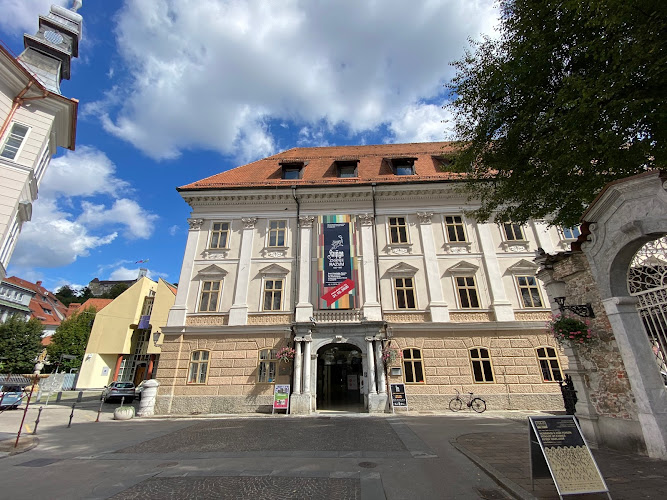
Ljubljana City Museum
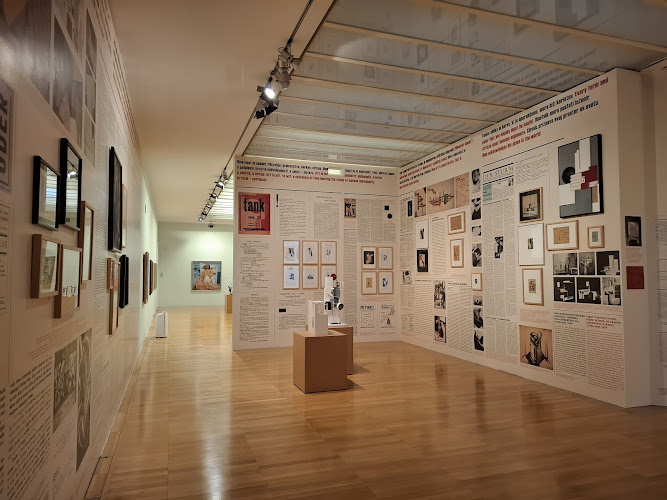
Museum of Modern Art Ljubljana
Find Accommodations Nearby
Recommended Tours & Activities
Visitor Reviews
There are no reviews yet. Be the first one to write one.
Share Your Experience
Have you visited Monument to the French Illyrian Province? Help other travelers by leaving a review.