

Monroe Street Bridge
About Monroe Street Bridge
Description
The Monroe Street Bridge stands as one of those places that quietly impress, then sticks with you longer than expected. From a practical standpoint, it’s a concrete arch bridge carrying traffic across the Spokane River. But from a traveler’s point of view, it’s a front-row seat to roaring waterfalls, basalt cliffs, and a slice of Pacific Northwest history that feels lived-in rather than polished. The bridge spans the upper Spokane Falls, and yes, you can hear the water before you see it. That low, constant thunder sort of hums in your chest, especially on spring days when snowmelt swells the river.
This bridge has been around in one form or another since the early 1900s, and the current structure dates to 1911. Over a century later, it still does its job without fuss. And maybe that’s part of its charm. It’s not trying to be flashy or trendy. It just exists, solid and reliable, connecting downtown Spokane to the neighborhoods north of the river. Travelers often stumble upon it while heading to Spokane Falls or Riverfront Park, then end up lingering longer than planned. That happens a lot here.
The views from the sidewalk are the real draw. Looking down, the falls churn and crash through a narrow channel, framed by dark rock and evergreen trees. On clear days, mist rises and catches the light. On gray days, the whole scene feels moody and dramatic, in a good way. The bridge doesn’t try to soften that experience. There’s no glass barrier, no fancy interpretive signs every five feet. Just you, the river, and the sound of moving water. And honestly, that’s refreshing.
There’s also a human side to the Monroe Street Bridge that doesn’t always get mentioned. Locals walk their dogs across it. Cyclists pedal through on their daily commute. Tourists stop mid-bridge, phones out, trying to capture the scale of the falls. It’s a working bridge, not a museum piece. That mix of everyday life and natural spectacle gives it an authenticity that’s hard to fake.
Key Features
- Panoramic views of the upper Spokane Falls, especially dramatic during spring runoff
- Wide sidewalks that make stopping for photos or a slow stroll feel safe
- Historic concrete arch design dating back to the early 20th century
- Direct connection between downtown Spokane and the north side neighborhoods
- Wheelchair accessible entrance and pedestrian-friendly layout
- Close proximity to Riverfront Park and downtown attractions
- Strong sense of local life mixed with tourist interest
Best Time to Visit
The bridge is open year-round, but timing does matter if travelers want that wow factor. Spring is the clear winner. From April through early June, snowmelt from the mountains feeds the Spokane River, and the falls are loud, fast, and a little wild. The water level can jump dramatically, and it changes the whole personality of the place. It’s not subtle. It’s powerful. And yes, you might get a little mist on your jacket if the wind shifts. Consider it part of the experience.
Summer brings warmer temperatures and easier walking conditions. The river calms down compared to spring, but the views are still impressive. Long daylight hours mean visitors can cross the bridge in the evening and catch golden light on the water. Locals do this a lot after work. There’s something grounding about it, like hitting pause for a minute before heading home.
Fall is underrated. The crowds thin out, leaves along the river start to turn, and the air gets crisp. The falls aren’t as intense, but the contrast of autumn colors against the dark rock is beautiful in a quieter way. Winter, on the other hand, is for travelers who don’t mind cold fingers. Snow and ice add a stark, almost starkly peaceful look to the bridge and the falls. Just be cautious, because sidewalks can get slick.
How to Get There
Reaching the Monroe Street Bridge is straightforward, which is another reason it works so well for travelers. It sits just north of downtown Spokane and is easy to reach on foot if someone is already exploring the city center. Many visitors walk from Riverfront Park, which makes for a natural, scenic route. The sound of the falls kind of guides the way, honestly.
For those driving, the bridge is part of a main north-south route, so it’s well-marked and heavily used. Parking is available in nearby downtown areas, and from there it’s a short walk. Public transportation also serves the area, with bus routes stopping within walking distance. Cyclists use the bridge too, though it’s worth staying alert since it’s an active traffic corridor.
And just a small aside from personal experience: walking is the best way to approach it the first time. There’s something about gradually hearing the water get louder, then seeing it burst into view as you step onto the bridge. Arriving by car skips that buildup, and you only get one first impression.
Tips for Visiting
First tip, and it sounds obvious but gets overlooked: slow down. This is not a place to rush across. The bridge is only a few hundred feet long, but the experience changes depending on where you stop. The middle offers the most direct view of the falls, while the ends give you better angles on the riverbanks and surrounding cityscape.
Second, bring layers. Even on warm days, the temperature near the water can feel cooler, especially when the falls are running hard. Wind funnels through the gorge, and it can catch you off guard. A light jacket or hoodie goes a long way.
Photography fans should visit at different times of day if possible. Morning light hits the eastern side of the falls, while late afternoon brings warmer tones and deeper shadows. Tripods aren’t always practical due to foot traffic, but handheld shots work fine if you’re patient. And please, be mindful of others. The bridge is shared space.
Accessibility is one of the bridge’s quieter strengths. The sidewalks and entrances accommodate wheelchairs and strollers, making it easier for travelers of all mobility levels to enjoy the views. That’s not always a given with historic structures, so it’s worth appreciating.
Finally, pair the visit with nearby attractions. The Monroe Street Bridge works best as part of a larger walk through Spokane’s riverfront areas. Grab coffee downtown, stroll through the park, cross the bridge, and maybe wander into the north side neighborhoods for a bite to eat. It turns a quick stop into a half-day experience without feeling forced.
In the end, the Monroe Street Bridge doesn’t beg for attention. It doesn’t have flashy signage or overblown marketing. But for travelers who value real places with texture, sound, and a sense of continuity, it delivers. It’s a bridge in the literal sense, and also in that quieter way, connecting people to the river, to the city, and to a moment worth remembering.
Key Features
- Panoramic views of the upper Spokane Falls, especially dramatic during spring runoff
- Wide sidewalks that make stopping for photos or a slow stroll feel safe
- Historic concrete arch design dating back to the early 20th century
- Direct connection between downtown Spokane and the north side neighborhoods
- Wheelchair accessible entrance and pedestrian-friendly layout
- Close proximity to Riverfront Park and downtown attractions
- Strong sense of local life mixed with tourist interest
More Details
Updated December 31, 2025
Table of Contents
Description
The Monroe Street Bridge stands as one of those places that quietly impress, then sticks with you longer than expected. From a practical standpoint, it’s a concrete arch bridge carrying traffic across the Spokane River. But from a traveler’s point of view, it’s a front-row seat to roaring waterfalls, basalt cliffs, and a slice of Pacific Northwest history that feels lived-in rather than polished. The bridge spans the upper Spokane Falls, and yes, you can hear the water before you see it. That low, constant thunder sort of hums in your chest, especially on spring days when snowmelt swells the river.
This bridge has been around in one form or another since the early 1900s, and the current structure dates to 1911. Over a century later, it still does its job without fuss. And maybe that’s part of its charm. It’s not trying to be flashy or trendy. It just exists, solid and reliable, connecting downtown Spokane to the neighborhoods north of the river. Travelers often stumble upon it while heading to Spokane Falls or Riverfront Park, then end up lingering longer than planned. That happens a lot here.
The views from the sidewalk are the real draw. Looking down, the falls churn and crash through a narrow channel, framed by dark rock and evergreen trees. On clear days, mist rises and catches the light. On gray days, the whole scene feels moody and dramatic, in a good way. The bridge doesn’t try to soften that experience. There’s no glass barrier, no fancy interpretive signs every five feet. Just you, the river, and the sound of moving water. And honestly, that’s refreshing.
There’s also a human side to the Monroe Street Bridge that doesn’t always get mentioned. Locals walk their dogs across it. Cyclists pedal through on their daily commute. Tourists stop mid-bridge, phones out, trying to capture the scale of the falls. It’s a working bridge, not a museum piece. That mix of everyday life and natural spectacle gives it an authenticity that’s hard to fake.
Key Features
- Panoramic views of the upper Spokane Falls, especially dramatic during spring runoff
- Wide sidewalks that make stopping for photos or a slow stroll feel safe
- Historic concrete arch design dating back to the early 20th century
- Direct connection between downtown Spokane and the north side neighborhoods
- Wheelchair accessible entrance and pedestrian-friendly layout
- Close proximity to Riverfront Park and downtown attractions
- Strong sense of local life mixed with tourist interest
Best Time to Visit
The bridge is open year-round, but timing does matter if travelers want that wow factor. Spring is the clear winner. From April through early June, snowmelt from the mountains feeds the Spokane River, and the falls are loud, fast, and a little wild. The water level can jump dramatically, and it changes the whole personality of the place. It’s not subtle. It’s powerful. And yes, you might get a little mist on your jacket if the wind shifts. Consider it part of the experience.
Summer brings warmer temperatures and easier walking conditions. The river calms down compared to spring, but the views are still impressive. Long daylight hours mean visitors can cross the bridge in the evening and catch golden light on the water. Locals do this a lot after work. There’s something grounding about it, like hitting pause for a minute before heading home.
Fall is underrated. The crowds thin out, leaves along the river start to turn, and the air gets crisp. The falls aren’t as intense, but the contrast of autumn colors against the dark rock is beautiful in a quieter way. Winter, on the other hand, is for travelers who don’t mind cold fingers. Snow and ice add a stark, almost starkly peaceful look to the bridge and the falls. Just be cautious, because sidewalks can get slick.
How to Get There
Reaching the Monroe Street Bridge is straightforward, which is another reason it works so well for travelers. It sits just north of downtown Spokane and is easy to reach on foot if someone is already exploring the city center. Many visitors walk from Riverfront Park, which makes for a natural, scenic route. The sound of the falls kind of guides the way, honestly.
For those driving, the bridge is part of a main north-south route, so it’s well-marked and heavily used. Parking is available in nearby downtown areas, and from there it’s a short walk. Public transportation also serves the area, with bus routes stopping within walking distance. Cyclists use the bridge too, though it’s worth staying alert since it’s an active traffic corridor.
And just a small aside from personal experience: walking is the best way to approach it the first time. There’s something about gradually hearing the water get louder, then seeing it burst into view as you step onto the bridge. Arriving by car skips that buildup, and you only get one first impression.
Tips for Visiting
First tip, and it sounds obvious but gets overlooked: slow down. This is not a place to rush across. The bridge is only a few hundred feet long, but the experience changes depending on where you stop. The middle offers the most direct view of the falls, while the ends give you better angles on the riverbanks and surrounding cityscape.
Second, bring layers. Even on warm days, the temperature near the water can feel cooler, especially when the falls are running hard. Wind funnels through the gorge, and it can catch you off guard. A light jacket or hoodie goes a long way.
Photography fans should visit at different times of day if possible. Morning light hits the eastern side of the falls, while late afternoon brings warmer tones and deeper shadows. Tripods aren’t always practical due to foot traffic, but handheld shots work fine if you’re patient. And please, be mindful of others. The bridge is shared space.
Accessibility is one of the bridge’s quieter strengths. The sidewalks and entrances accommodate wheelchairs and strollers, making it easier for travelers of all mobility levels to enjoy the views. That’s not always a given with historic structures, so it’s worth appreciating.
Finally, pair the visit with nearby attractions. The Monroe Street Bridge works best as part of a larger walk through Spokane’s riverfront areas. Grab coffee downtown, stroll through the park, cross the bridge, and maybe wander into the north side neighborhoods for a bite to eat. It turns a quick stop into a half-day experience without feeling forced.
In the end, the Monroe Street Bridge doesn’t beg for attention. It doesn’t have flashy signage or overblown marketing. But for travelers who value real places with texture, sound, and a sense of continuity, it delivers. It’s a bridge in the literal sense, and also in that quieter way, connecting people to the river, to the city, and to a moment worth remembering.
Key Highlights
- Panoramic views of the upper Spokane Falls, especially dramatic during spring runoff
- Wide sidewalks that make stopping for photos or a slow stroll feel safe
- Historic concrete arch design dating back to the early 20th century
- Direct connection between downtown Spokane and the north side neighborhoods
- Wheelchair accessible entrance and pedestrian-friendly layout
- Close proximity to Riverfront Park and downtown attractions
- Strong sense of local life mixed with tourist interest
Location
Places to Stay Near Monroe Street Bridge
Find and Book a Tour
Explore More Travel Guides
No reviews found! Be the first to review!
Traveler Reviews for Monroe Street Bridge
There are no reviews yet. Be the first one to write one.
Have you visited Monroe Street Bridge? Help other travelers by sharing your review.
You Might Also Like

Edwidge Woldson Park
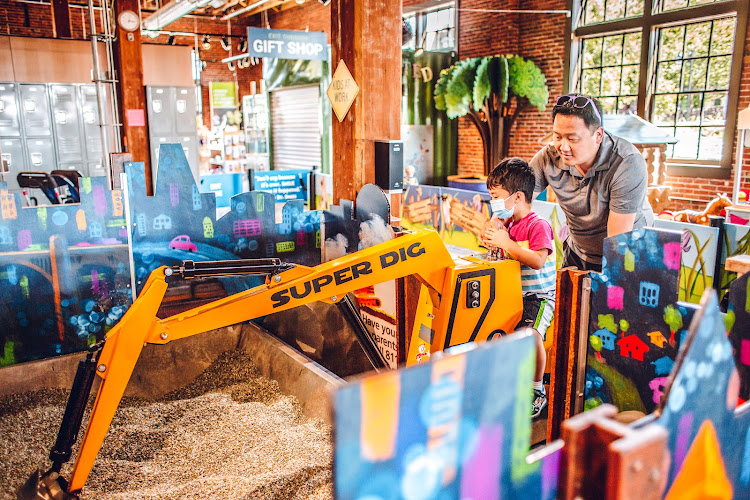
Mobius Discovery Center

Little Spokane River Natural Area
Find Accommodations Nearby
Recommended Tours & Activities
Visitor Reviews
There are no reviews yet. Be the first one to write one.
Share Your Experience
Have you visited Monroe Street Bridge? Help other travelers by leaving a review.