

Monasterio de Tarlac
About Monasterio de Tarlac
Description
The Monasterio de Tarlac sits up in the mountains like a quiet witness to time, prayer, traffic jams, and the occasional busload of curious travelers. It is a working monastery and a Catholic pilgrimage destination, but it also doubles as one of those places that surprises you when you arrive. People expect solemn silence only. What they often get instead is a mix of devotion, fresh mountain air, families whispering prayers, and visitors standing still in front of a massive 30-foot statue of Christ, trying to take it all in.
This monastery is home to a monk’s hermitage and a baroque-style chapel that holds a revered relic, and that alone already tells you it’s not just another church you swing by for a quick photo. It asks you to slow down. And honestly, slowing down is something most travelers don’t plan for, but end up appreciating here. The mountain setting does half the work. The rest comes from the calm rhythm of the place.
The first time this writer visited, the drive up felt long, and there was a bit of grumbling in the car. But stepping out, hearing the wind move through trees, and seeing that towering statue changed the mood instantly. You don’t need to be deeply religious to feel something shift. Some visitors come for prayer and penance. Others come because they heard there’s a view worth the climb. Both leave with a story.
The atmosphere is mostly peaceful, though not perfect. On busy days, especially weekends and holy dates, it can get crowded and noisy. That’s real life, not a postcard. Still, even with chatter in the background, many find a quiet corner to sit, breathe, and reflect. The monastery doesn’t demand silence; it gently invites it.
Accessibility is thoughtfully considered, which is not always a given in mountain attractions. Wheelchair-accessible entrances, parking, and restrooms mean more people can experience the place comfortably. And yes, there are restrooms on-site, which seasoned travelers know is not a small thing at all.
Key Features
- Baroque-style chapel that feels intimate despite its historical weight
- Relic housed within the chapel, drawing pilgrims year-round
- 30-foot statue of Christ that becomes the visual and spiritual anchor of the site
- Monk’s hermitage, reminding visitors this is a living monastery, not a museum
- Mountain setting with cooler air and wide-open views
- Wheelchair-accessible entrance, parking, and restroom facilities
- Onsite services that support both worship and visitor needs
- Designated areas for quiet prayer and reflection
Best Time to Visit
The best time to visit the Monasterio de Tarlac depends on what you’re looking for. If solitude is your goal, weekdays are your friend. Early mornings, just after opening, offer the calmest experience. The air is cooler, the light softer, and the grounds feel more like they belong to you, at least for a little while.
Weekends and religious holidays draw larger crowds, especially pilgrims. There’s a certain energy to these days, and some people prefer it. You’ll see families praying together, elderly visitors making careful steps toward the chapel, and young folks quietly taking photos. It can feel communal and alive, but patience is required. Lines may form, and parking can get tight.
Weather-wise, the cooler months are ideal. The mountain climate can be refreshing, but during the rainy season, fog and slick paths are common. It’s not dangerous if you’re careful, but good shoes matter more than fashion here. A friend once ignored that advice and spent the day complaining about wet socks. Don’t be that person.
Sunset visits are underrated. The way the light hits the statue of Christ as the day ends can be unexpectedly moving. Even non-believers pause. And yes, phones come out, but there’s also a moment when people just look, quietly.
How to Get There
Getting to the Monasterio de Tarlac is part of the experience. The journey takes you away from city noise and into winding roads that gradually climb into the mountains. Private vehicles are the most convenient option, especially if you want control over your schedule. The roads are generally manageable, though some stretches demand attention, particularly during rainy weather.
Public transportation can get you close, but expect a bit of walking or a short ride on local transport for the final stretch. This is where asking locals helps. People are usually happy to point the way, sometimes with long explanations and hand gestures that don’t quite match the directions. Smile and nod. It works.
Parking is available and accessible, which is a relief. Just remember that during peak times, it fills up quickly. Arriving early saves you the stress. And if you’re traveling with someone who has mobility concerns, the accessible parking options make a noticeable difference.
Some travelers turn the visit into a day trip, pairing it with other mountain attractions nearby. That’s smart, but don’t rush the monastery itself. Give it time. It’s not a checkbox destination.
Tips for Visiting
First tip: dress respectfully. This is still a religious site, and while enforcement isn’t aggressive, modest clothing shows consideration. Light layers are useful since mountain weather can change quickly.
Second, bring water and maybe a small snack, but be mindful of where you eat. There are designated areas, and keeping the grounds clean is part of respecting the place. Trash bins are available, so no excuses.
Third, manage expectations. Some visitors expect complete silence and get annoyed when they hear chatter or kids being kids. Others expect a full tourist setup with shops and cafés everywhere. The Monasterio de Tarlac sits somewhere in between. It’s a real place, used by real people, not a staged attraction.
Photography is allowed in many areas, but not all. When in doubt, ask or observe signage. And maybe, just maybe, take a few moments without the camera. This writer regrets not doing that enough on earlier visits.
If you’re visiting for prayer or reflection, arrive early and find a quiet corner. If you’re visiting out of curiosity, take time to read posted information and observe respectfully. Both reasons are valid, and the place accommodates them.
Lastly, pace yourself. The mountain setting can be deceiving, and walking uphill at altitude can tire you out faster than expected. Sit when you need to. There are benches for a reason.
The Monasterio de Tarlac isn’t flawless, and that’s part of its charm. It has moments of noise, moments of inconvenience, and moments of deep calm. Travelers who come with openness, patience, and a bit of curiosity usually leave feeling they got more than they planned. And honestly, that’s the best kind of destination there is.
Key Features
- Baroque-style chapel that feels intimate despite its historical weight
- Relic housed within the chapel, drawing pilgrims year-round
- 30-foot statue of Christ that becomes the visual and spiritual anchor of the site
- Monk’s hermitage, reminding visitors this is a living monastery, not a museum
- Mountain setting with cooler air and wide-open views
- Wheelchair-accessible entrance, parking, and restroom facilities
- Onsite services that support both worship and visitor needs
- Designated areas for quiet prayer and reflection
More Details
Updated December 31, 2025
Table of Contents
Description
The Monasterio de Tarlac sits up in the mountains like a quiet witness to time, prayer, traffic jams, and the occasional busload of curious travelers. It is a working monastery and a Catholic pilgrimage destination, but it also doubles as one of those places that surprises you when you arrive. People expect solemn silence only. What they often get instead is a mix of devotion, fresh mountain air, families whispering prayers, and visitors standing still in front of a massive 30-foot statue of Christ, trying to take it all in.
This monastery is home to a monk’s hermitage and a baroque-style chapel that holds a revered relic, and that alone already tells you it’s not just another church you swing by for a quick photo. It asks you to slow down. And honestly, slowing down is something most travelers don’t plan for, but end up appreciating here. The mountain setting does half the work. The rest comes from the calm rhythm of the place.
The first time this writer visited, the drive up felt long, and there was a bit of grumbling in the car. But stepping out, hearing the wind move through trees, and seeing that towering statue changed the mood instantly. You don’t need to be deeply religious to feel something shift. Some visitors come for prayer and penance. Others come because they heard there’s a view worth the climb. Both leave with a story.
The atmosphere is mostly peaceful, though not perfect. On busy days, especially weekends and holy dates, it can get crowded and noisy. That’s real life, not a postcard. Still, even with chatter in the background, many find a quiet corner to sit, breathe, and reflect. The monastery doesn’t demand silence; it gently invites it.
Accessibility is thoughtfully considered, which is not always a given in mountain attractions. Wheelchair-accessible entrances, parking, and restrooms mean more people can experience the place comfortably. And yes, there are restrooms on-site, which seasoned travelers know is not a small thing at all.
Key Features
- Baroque-style chapel that feels intimate despite its historical weight
- Relic housed within the chapel, drawing pilgrims year-round
- 30-foot statue of Christ that becomes the visual and spiritual anchor of the site
- Monk’s hermitage, reminding visitors this is a living monastery, not a museum
- Mountain setting with cooler air and wide-open views
- Wheelchair-accessible entrance, parking, and restroom facilities
- Onsite services that support both worship and visitor needs
- Designated areas for quiet prayer and reflection
Best Time to Visit
The best time to visit the Monasterio de Tarlac depends on what you’re looking for. If solitude is your goal, weekdays are your friend. Early mornings, just after opening, offer the calmest experience. The air is cooler, the light softer, and the grounds feel more like they belong to you, at least for a little while.
Weekends and religious holidays draw larger crowds, especially pilgrims. There’s a certain energy to these days, and some people prefer it. You’ll see families praying together, elderly visitors making careful steps toward the chapel, and young folks quietly taking photos. It can feel communal and alive, but patience is required. Lines may form, and parking can get tight.
Weather-wise, the cooler months are ideal. The mountain climate can be refreshing, but during the rainy season, fog and slick paths are common. It’s not dangerous if you’re careful, but good shoes matter more than fashion here. A friend once ignored that advice and spent the day complaining about wet socks. Don’t be that person.
Sunset visits are underrated. The way the light hits the statue of Christ as the day ends can be unexpectedly moving. Even non-believers pause. And yes, phones come out, but there’s also a moment when people just look, quietly.
How to Get There
Getting to the Monasterio de Tarlac is part of the experience. The journey takes you away from city noise and into winding roads that gradually climb into the mountains. Private vehicles are the most convenient option, especially if you want control over your schedule. The roads are generally manageable, though some stretches demand attention, particularly during rainy weather.
Public transportation can get you close, but expect a bit of walking or a short ride on local transport for the final stretch. This is where asking locals helps. People are usually happy to point the way, sometimes with long explanations and hand gestures that don’t quite match the directions. Smile and nod. It works.
Parking is available and accessible, which is a relief. Just remember that during peak times, it fills up quickly. Arriving early saves you the stress. And if you’re traveling with someone who has mobility concerns, the accessible parking options make a noticeable difference.
Some travelers turn the visit into a day trip, pairing it with other mountain attractions nearby. That’s smart, but don’t rush the monastery itself. Give it time. It’s not a checkbox destination.
Tips for Visiting
First tip: dress respectfully. This is still a religious site, and while enforcement isn’t aggressive, modest clothing shows consideration. Light layers are useful since mountain weather can change quickly.
Second, bring water and maybe a small snack, but be mindful of where you eat. There are designated areas, and keeping the grounds clean is part of respecting the place. Trash bins are available, so no excuses.
Third, manage expectations. Some visitors expect complete silence and get annoyed when they hear chatter or kids being kids. Others expect a full tourist setup with shops and cafés everywhere. The Monasterio de Tarlac sits somewhere in between. It’s a real place, used by real people, not a staged attraction.
Photography is allowed in many areas, but not all. When in doubt, ask or observe signage. And maybe, just maybe, take a few moments without the camera. This writer regrets not doing that enough on earlier visits.
If you’re visiting for prayer or reflection, arrive early and find a quiet corner. If you’re visiting out of curiosity, take time to read posted information and observe respectfully. Both reasons are valid, and the place accommodates them.
Lastly, pace yourself. The mountain setting can be deceiving, and walking uphill at altitude can tire you out faster than expected. Sit when you need to. There are benches for a reason.
The Monasterio de Tarlac isn’t flawless, and that’s part of its charm. It has moments of noise, moments of inconvenience, and moments of deep calm. Travelers who come with openness, patience, and a bit of curiosity usually leave feeling they got more than they planned. And honestly, that’s the best kind of destination there is.
Key Highlights
- Baroque-style chapel that feels intimate despite its historical weight
- Relic housed within the chapel, drawing pilgrims year-round
- 30-foot statue of Christ that becomes the visual and spiritual anchor of the site
- Monk’s hermitage, reminding visitors this is a living monastery, not a museum
- Mountain setting with cooler air and wide-open views
- Wheelchair-accessible entrance, parking, and restroom facilities
- Onsite services that support both worship and visitor needs
- Designated areas for quiet prayer and reflection
Location
Places to Stay Near Monasterio de Tarlac
Find and Book a Tour
Explore More Travel Guides
No reviews found! Be the first to review!
Traveler Reviews for Monasterio de Tarlac
There are no reviews yet. Be the first one to write one.
Have you visited Monasterio de Tarlac? Help other travelers by sharing your review.
You Might Also Like
Área Común El Cacao
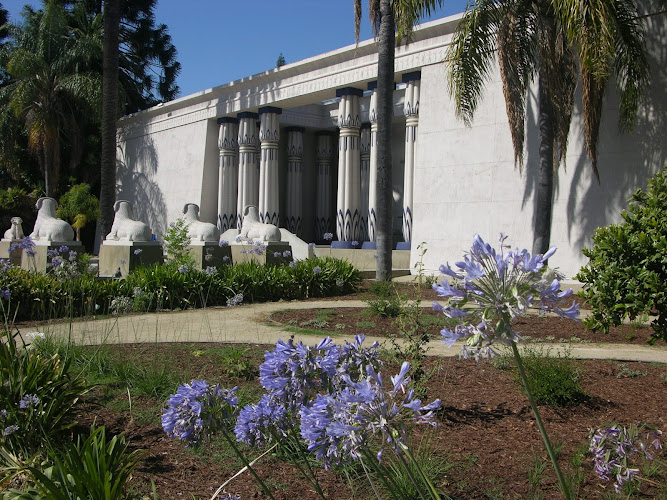
Rosicrucian Egyptian Museum

Capitol Toyota
Find Accommodations Nearby
Recommended Tours & Activities
Visitor Reviews
There are no reviews yet. Be the first one to write one.
Share Your Experience
Have you visited Monasterio de Tarlac? Help other travelers by leaving a review.