

Mobile Museum of Art
About Mobile Museum of Art
Description
The Mobile Museum of Art is the kind of place that rewards slow walking and curious eyes. Located in Mobile, Alabama, it showcases an eclectic collection of paintings and sculptures that reach across time and geography — from older European and American works to more recent contemporary pieces and regional artists. The permanent collection and rotating exhibitions together create a layered experience: visitors can linger in a quiet gallery with a centuries-old portrait and then, a few rooms later, be nudged into conversation by a bold, modern sculpture. It's art that invites both study and surprise.
Travelers who prefer museums that tell stories rather than only display objects will find this institution particularly satisfying. The layout encourages a gentle journey through different schools and eras of visual arts, and exhibit labels tend to be informative without being overbearing. The curatorial voice leans toward education and context: expect background on techniques, artist intent, and cultural influences. And yes, there are paintings that make people stop and stare longer than they planned to — that’s half the fun.
For families and groups, the museum offers a practical blend of accessibility and programming. Admission is required, but the entrance policy is straightforward and staff often provide clear guidance on tours and special exhibitions. The museum supports active military personnel with discounts, which is a nice practical touch for travelers passing through the Gulf Coast. Onsite services include docent-led tours at scheduled times, plus short lectures and art classes oriented toward children. Those kid-friendly programs do more than babysit: they introduce basic art history and creative techniques in ways that spark questions and mess-free curiosity.
Accessibility is another solid point. The museum features a wheelchair-accessible entrance, a parking lot with spaces designated for accessible parking, and restrooms that accommodate mobility needs. There is also a gender-neutral restroom available, which speaks to inclusive planning in the facilities. These are details that matter, especially when visitors are traveling with elderly relatives or family members who need straightforward accommodations.
Beyond the galleries, the visitor experience is rounded out by practical amenities. Wi-Fi is available for guests (handy for looking up an artist on the fly or posting a quick snapshot), and a compact gift shop offers art-related items and local crafts that make good souvenirs or gifts. There isn't an onsite restaurant, so hungry visitors should plan ahead or consider a short stroll to nearby dining options. That said, the museum sometimes hosts live performances and special events which transform a routine gallery visit into an evening out — music, spoken-word, and performance art pop up on the calendar, and they tend to draw a friendly local crowd.
What sets this museum apart from larger metropolitan institutions is the intimacy and human scale. Many pieces feel like personal encounters rather than grand, distant statements. There is a notable focus on both national and international works, but the museum also champions regional artists, offering a stage for local voices within larger conversations about art and history. One hallmark is the way the museum quietly connects visitors to strands of art history that are usually seen in textbooks: American painting traditions, Asian and European influences, and the dialogues between old and new forms.
Travelers who care about programming will appreciate the museum's calendar. Exhibitions rotate with enough frequency to justify repeat visits during a longer stay in the city, and temporary shows often highlight themes that resonate with local culture — for instance, coastal landscapes or Gulf-region histories reflected through contemporary art. The museum also dedicates space to educational programs and workshops. These are not just for kids; adults can join short workshops or lecture series that unpack techniques or historical contexts in accessible language. For the curious traveler, that means turning a two-hour visit into a memorable afternoon of learning.
There are a few realistic trade-offs to keep in mind. The museum is not enormous; it's not a multi-wing national museum where one can spend an entire day without leaving. Instead, it offers a compact, well-curated experience. For some visitors seeking blockbuster shows or large-scale installations, the scale may feel modest. Additionally, during peak local events or school programming days the galleries can feel busier than expected, so those seeking solitude in front of a single painting might prefer quieter weekday mornings.
Still, the overall atmosphere leans toward welcoming rather than intimidating. Staff and volunteers are generally helpful, orienting visitors toward exhibits that match particular interests — whether that’s American art, Asian ceramics, or modern sculpture. Tours, when offered, are concise and conversational; docents often point out small details that change the way one sees a work, and those little observations can make a big difference in a museum visit. For travelers who like context, the guided experience is worth the extra few dollars.
Practical visitors should note that admission fees apply, and while they’re typically reasonable, it’s a good idea to check ahead for any special pricing, days with free or reduced admission, or event-specific charges. The museum occasionally offers promotions or discounts tied to community events or holidays. For families traveling on a budget, planning a visit around educational programs for kids can add real value — the workshops often include hands-on activities that justify the ticket price and create lasting memories for younger travelers.
There are some delightful, lesser-known features that frequent visitors tend to mention: the way light filters into certain galleries, creating an almost theatrical focus on particular paintings; small, rotating displays that highlight work by local artists or emerging voices; and periodic installations that use the museum’s smaller spaces to surprising effect. Those are the kinds of experiences that don’t always make the brochure but leave a real impression. Travelers who keep an open schedule will be rewarded by these little discoveries.
Finally, the museum functions as a modest cultural hub. Special events — including evening lectures, community art nights, and occasional performances — bring local residents together and give visitors a chance to see the city’s cultural life in action. For travelers who enjoy mixing museum time with social experiences, checking the event calendar before visiting can turn an ordinary gallery stop into a lively evening with music, conversation, and local flavor.
In short, the Mobile Museum of Art offers a balanced, accessible, and thoughtful museum visit. It favors depth over size, human stories over blockbuster spectacle, and practical amenities over flashy extras. For the traveler who values good curation, approachable interpretation, and an inviting atmosphere, it’s a stop that consistently surprises — occasionally in quiet, small ways, and sometimes by staging something unexpectedly brilliant. It’s worth a visit, especially for those who plan to stroll slowly, read a label or two, and let the work do the talking.
Key Features
More Details
Updated August 29, 2025
Table of Contents
Description
The Mobile Museum of Art is the kind of place that rewards slow walking and curious eyes. Located in Mobile, Alabama, it showcases an eclectic collection of paintings and sculptures that reach across time and geography — from older European and American works to more recent contemporary pieces and regional artists. The permanent collection and rotating exhibitions together create a layered experience: visitors can linger in a quiet gallery with a centuries-old portrait and then, a few rooms later, be nudged into conversation by a bold, modern sculpture. It’s art that invites both study and surprise.
Travelers who prefer museums that tell stories rather than only display objects will find this institution particularly satisfying. The layout encourages a gentle journey through different schools and eras of visual arts, and exhibit labels tend to be informative without being overbearing. The curatorial voice leans toward education and context: expect background on techniques, artist intent, and cultural influences. And yes, there are paintings that make people stop and stare longer than they planned to — that’s half the fun.
For families and groups, the museum offers a practical blend of accessibility and programming. Admission is required, but the entrance policy is straightforward and staff often provide clear guidance on tours and special exhibitions. The museum supports active military personnel with discounts, which is a nice practical touch for travelers passing through the Gulf Coast. Onsite services include docent-led tours at scheduled times, plus short lectures and art classes oriented toward children. Those kid-friendly programs do more than babysit: they introduce basic art history and creative techniques in ways that spark questions and mess-free curiosity.
Accessibility is another solid point. The museum features a wheelchair-accessible entrance, a parking lot with spaces designated for accessible parking, and restrooms that accommodate mobility needs. There is also a gender-neutral restroom available, which speaks to inclusive planning in the facilities. These are details that matter, especially when visitors are traveling with elderly relatives or family members who need straightforward accommodations.
Beyond the galleries, the visitor experience is rounded out by practical amenities. Wi-Fi is available for guests (handy for looking up an artist on the fly or posting a quick snapshot), and a compact gift shop offers art-related items and local crafts that make good souvenirs or gifts. There isn’t an onsite restaurant, so hungry visitors should plan ahead or consider a short stroll to nearby dining options. That said, the museum sometimes hosts live performances and special events which transform a routine gallery visit into an evening out — music, spoken-word, and performance art pop up on the calendar, and they tend to draw a friendly local crowd.
What sets this museum apart from larger metropolitan institutions is the intimacy and human scale. Many pieces feel like personal encounters rather than grand, distant statements. There is a notable focus on both national and international works, but the museum also champions regional artists, offering a stage for local voices within larger conversations about art and history. One hallmark is the way the museum quietly connects visitors to strands of art history that are usually seen in textbooks: American painting traditions, Asian and European influences, and the dialogues between old and new forms.
Travelers who care about programming will appreciate the museum’s calendar. Exhibitions rotate with enough frequency to justify repeat visits during a longer stay in the city, and temporary shows often highlight themes that resonate with local culture — for instance, coastal landscapes or Gulf-region histories reflected through contemporary art. The museum also dedicates space to educational programs and workshops. These are not just for kids; adults can join short workshops or lecture series that unpack techniques or historical contexts in accessible language. For the curious traveler, that means turning a two-hour visit into a memorable afternoon of learning.
There are a few realistic trade-offs to keep in mind. The museum is not enormous; it’s not a multi-wing national museum where one can spend an entire day without leaving. Instead, it offers a compact, well-curated experience. For some visitors seeking blockbuster shows or large-scale installations, the scale may feel modest. Additionally, during peak local events or school programming days the galleries can feel busier than expected, so those seeking solitude in front of a single painting might prefer quieter weekday mornings.
Still, the overall atmosphere leans toward welcoming rather than intimidating. Staff and volunteers are generally helpful, orienting visitors toward exhibits that match particular interests — whether that’s American art, Asian ceramics, or modern sculpture. Tours, when offered, are concise and conversational; docents often point out small details that change the way one sees a work, and those little observations can make a big difference in a museum visit. For travelers who like context, the guided experience is worth the extra few dollars.
Practical visitors should note that admission fees apply, and while they’re typically reasonable, it’s a good idea to check ahead for any special pricing, days with free or reduced admission, or event-specific charges. The museum occasionally offers promotions or discounts tied to community events or holidays. For families traveling on a budget, planning a visit around educational programs for kids can add real value — the workshops often include hands-on activities that justify the ticket price and create lasting memories for younger travelers.
There are some delightful, lesser-known features that frequent visitors tend to mention: the way light filters into certain galleries, creating an almost theatrical focus on particular paintings; small, rotating displays that highlight work by local artists or emerging voices; and periodic installations that use the museum’s smaller spaces to surprising effect. Those are the kinds of experiences that don’t always make the brochure but leave a real impression. Travelers who keep an open schedule will be rewarded by these little discoveries.
Finally, the museum functions as a modest cultural hub. Special events — including evening lectures, community art nights, and occasional performances — bring local residents together and give visitors a chance to see the city’s cultural life in action. For travelers who enjoy mixing museum time with social experiences, checking the event calendar before visiting can turn an ordinary gallery stop into a lively evening with music, conversation, and local flavor.
In short, the Mobile Museum of Art offers a balanced, accessible, and thoughtful museum visit. It favors depth over size, human stories over blockbuster spectacle, and practical amenities over flashy extras. For the traveler who values good curation, approachable interpretation, and an inviting atmosphere, it’s a stop that consistently surprises — occasionally in quiet, small ways, and sometimes by staging something unexpectedly brilliant. It’s worth a visit, especially for those who plan to stroll slowly, read a label or two, and let the work do the talking.
Key Highlights
Mobile Museum of Art
Location
Places to Stay Near Mobile Museum of Art
Find and Book a Tour
Explore More Travel Guides
No reviews found! Be the first to review!
Traveler Reviews for Mobile Museum of Art
There are no reviews yet. Be the first one to write one.
Have you visited Mobile Museum of Art? Help other travelers by sharing your review.
You Might Also Like

Bienville Square
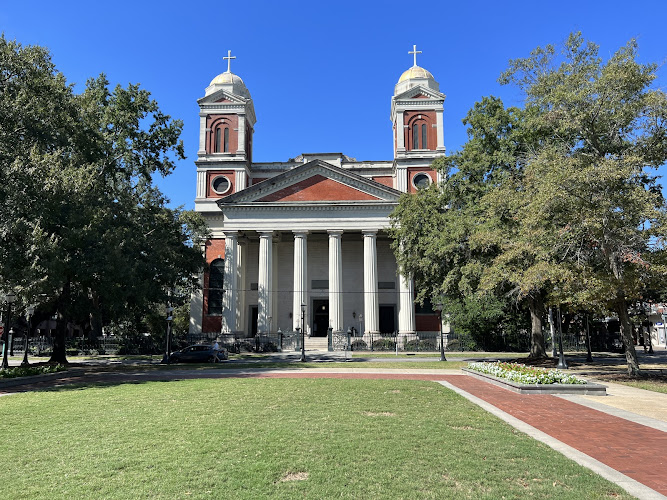
Cathedral-Basilica of the Immaculate Conception
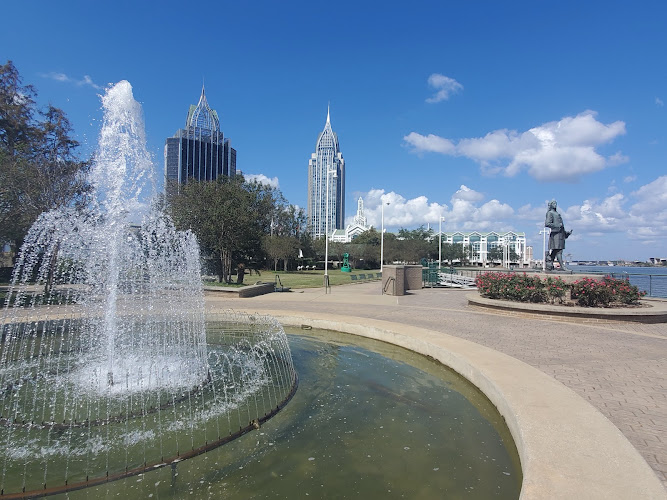
Cooper Riverside Park
Find Accommodations Nearby
Recommended Tours & Activities
Visitor Reviews
There are no reviews yet. Be the first one to write one.
Share Your Experience
Have you visited Mobile Museum of Art? Help other travelers by leaving a review.