

Minnesota Transportation Museum
About Minnesota Transportation Museum
Description
The Minnesota Transportation Museum in St Paul presents a hands-on portrait of how people and goods moved across the Upper Midwest for more than a century. More than a static collection, the museum operates as a living archive where restored locomotives, historic train cars, and vintage buses sit alongside interactive exhibits, a working roundhouse, and a restoration shop humming with volunteer activity. Visitors looking for railroad history, transportation lore, or simply the tactile thrill of stepping into an old railroad coach will find this place rewarding in ways that a picture in a book rarely captures.
At its heart, the museum celebrates rolling stock: steam and diesel locomotives, passenger and freight cars, streetcars and buses. The Jackson Street Roundhouse—a term that tends to stick in people’s minds—anchors the campus and gives the site a unique industrial charm. The roundhouse is more than architecture; it’s where machines are serviced and stories are preserved. The sight of a 100-year-old locomotive slowly turning on the turntable has a way of surprising even casual visitors. It’s loud. It’s oily. It’s magnificent. And yes, that smell of oil and hot metal tends to make people nostalgic in ways they didn’t expect.
Exhibits at the museum lean toward the experiential. Interactive displays allow visitors to try out vintage controls, learn railroad signaling basics, and compare modes of transit in a way that’s digestible for adults and exciting for kids. There’s a modest theater on site that screens short films and historical slideshows—useful for when a drizzle moves in or when the little ones need a quiet moment. The museum’s volunteer guides are often the secret sauce: they bring personal stories, technical know-how, and, crucially, an infectious enthusiasm. Many of these volunteers are lifers—folks who grew up around the railroad or who spent decades working on trains—and their anecdotes turn dry facts into living narratives.
Restoration work is visible and ongoing, and that transparency is part of the draw. Visitors can often glimpse metalworkers, carpenters, and machinists mid-project, coaxing a battered passenger car back to its former glory. The restoration shop doubles as a classroom: the museum offers tours that explain techniques, preservation philosophy, and the immense labor involved in keeping century-old equipment both authentic and safe. For anyone who enjoys watching craftspeople at work, it’s oddly addictive.
Families gravitate here for good reasons. The place tends to be very welcoming to children: hands-on exhibits, short train rides on certain weekends, and approachable docents who’ll happily explain the difference between a steam locomotive and a diesel one without making it boring. There’s a playful side to the museum—model railroad layouts, tactile displays, and the occasional special event aimed squarely at kids. But it’s not all play; history buffs will appreciate carefully curated collections that document local and regional railroad companies such as the Great Northern and Northern Pacific railways, as well as exhibits that situate Minnesota’s transportation story within the larger tapestry of American industrial development.
Accessibility is not an afterthought. The museum provides a wheelchair-accessible entrance, parking, and restrooms, which makes it a practical choice for visitors of varying mobility. Onsite services include guided tours and an onsite parking lot that is free—something many urban museums don’t offer anymore. Visitors should be prepared for some uneven surfaces near the historic equipment, but in general the museum tries to make its historic fabric available to as many people as possible.
The Minnesota Transportation Museum’s atmosphere is slightly different from large, corporate-run institutions. It has a grassroots, volunteer-powered energy. That can mean little inconsistencies—an exhibit closed for conservation here, special-hours only events there—but it also means a warmth and authenticity that many visitors find endearing. It’s the kind of place where a volunteer might happily tell you their favorite locomotive number, explain why a particular car’s upholstery was replaced in such-and-such a year, or share a memory of riding the rails as a kid. Those personal touches convert a mere visit into something that feels like being let into a community secret.
There are also things that make the museum stand out beyond the obvious. For example, its collection includes not just railway artifacts but also a notable bus collection, illustrating the evolution of urban and regional transit. The breadth of the collection gives a fuller picture of transportation history—how intercity rail, streetcars, and buses interacted to shape the Twin Cities. Model railroad displays are detailed, and occasionally the museum stages special events that put restored cars back on the rails or run heritage train rides along short sections of track. Those events can be a highlight: the sound, the vibration, the sheer scale of the equipment in motion is something a static exhibit can’t mimic.
Practicalities matter here, too. There is an admission fee, which supports preservation and programming, and the museum runs scheduled tours that are worth booking when offered because they dive deeper than the general-floor experience. Because it is largely volunteer staffed, hours and event schedules can vary, so visitors who drop in without checking ahead might find certain attractions limited or unavailable. A little planning pays off: checking the calendar before arriving usually yields a better experience, especially if one hopes to catch a restoration demonstration or a short locomotive run.
For photographers, the museum provides a rich palette: rusted metal textures, industrial light in the roundhouse, and the human element of volunteers engaged in their craft. But a heads-up—flash photography and access into restoration areas are subject to rules for both safety and conservation, so following staff directions is important. Collectors and hobbyists will likely linger longer than they planned; model railroad enthusiasts, especially, find the layouts absorbing. The site’s emphasis on education means that even casual visitors often walk away with a fresh appreciation for the challenges of early transportation: how routes were chosen, how rolling stock evolved to meet demand, and how community volunteers now keep that legacy alive.
One small anecdote that crops up among repeat visitors: on a bleak late-fall afternoon when most tourist sites feel sleepy, a group of volunteers once fired up a small diesel for a short demonstration. Two schoolchildren who were visiting drifted over, eyes wide, and one whispered to the other, that this was the coolest thing they’d ever seen. That moment—simple, human, unscripted—captures a lot of what the Minnesota Transportation Museum achieves. It’s not just about vehicles and artifacts; it’s about connecting people to the past and to each other.
Overall, the museum is best described as an engaging, tactile hub for transportation history in St Paul. It’s especially appealing for those who prefer places with personality, hands-on learning, and a visible commitment to preservation. Whether someone comes to hear the low rumble of a passing locomotive, to watch volunteers restore a coach, to take a short heritage ride when available, or simply to learn about how railroads shaped Minnesota, the museum supplies a thoughtful, well-rounded experience. There are rough edges—naturally, in a volunteer-driven organization—but those edges are often the reason repeat visitors keep coming back. They like being part of a living story, not just spectators in a glass case.
Key Features
More Details
Updated August 29, 2025
Table of Contents
Description
The Minnesota Transportation Museum in St Paul presents a hands-on portrait of how people and goods moved across the Upper Midwest for more than a century. More than a static collection, the museum operates as a living archive where restored locomotives, historic train cars, and vintage buses sit alongside interactive exhibits, a working roundhouse, and a restoration shop humming with volunteer activity. Visitors looking for railroad history, transportation lore, or simply the tactile thrill of stepping into an old railroad coach will find this place rewarding in ways that a picture in a book rarely captures.
At its heart, the museum celebrates rolling stock: steam and diesel locomotives, passenger and freight cars, streetcars and buses. The Jackson Street Roundhouse—a term that tends to stick in people’s minds—anchors the campus and gives the site a unique industrial charm. The roundhouse is more than architecture; it’s where machines are serviced and stories are preserved. The sight of a 100-year-old locomotive slowly turning on the turntable has a way of surprising even casual visitors. It’s loud. It’s oily. It’s magnificent. And yes, that smell of oil and hot metal tends to make people nostalgic in ways they didn’t expect.
Exhibits at the museum lean toward the experiential. Interactive displays allow visitors to try out vintage controls, learn railroad signaling basics, and compare modes of transit in a way that’s digestible for adults and exciting for kids. There’s a modest theater on site that screens short films and historical slideshows—useful for when a drizzle moves in or when the little ones need a quiet moment. The museum’s volunteer guides are often the secret sauce: they bring personal stories, technical know-how, and, crucially, an infectious enthusiasm. Many of these volunteers are lifers—folks who grew up around the railroad or who spent decades working on trains—and their anecdotes turn dry facts into living narratives.
Restoration work is visible and ongoing, and that transparency is part of the draw. Visitors can often glimpse metalworkers, carpenters, and machinists mid-project, coaxing a battered passenger car back to its former glory. The restoration shop doubles as a classroom: the museum offers tours that explain techniques, preservation philosophy, and the immense labor involved in keeping century-old equipment both authentic and safe. For anyone who enjoys watching craftspeople at work, it’s oddly addictive.
Families gravitate here for good reasons. The place tends to be very welcoming to children: hands-on exhibits, short train rides on certain weekends, and approachable docents who’ll happily explain the difference between a steam locomotive and a diesel one without making it boring. There’s a playful side to the museum—model railroad layouts, tactile displays, and the occasional special event aimed squarely at kids. But it’s not all play; history buffs will appreciate carefully curated collections that document local and regional railroad companies such as the Great Northern and Northern Pacific railways, as well as exhibits that situate Minnesota’s transportation story within the larger tapestry of American industrial development.
Accessibility is not an afterthought. The museum provides a wheelchair-accessible entrance, parking, and restrooms, which makes it a practical choice for visitors of varying mobility. Onsite services include guided tours and an onsite parking lot that is free—something many urban museums don’t offer anymore. Visitors should be prepared for some uneven surfaces near the historic equipment, but in general the museum tries to make its historic fabric available to as many people as possible.
The Minnesota Transportation Museum’s atmosphere is slightly different from large, corporate-run institutions. It has a grassroots, volunteer-powered energy. That can mean little inconsistencies—an exhibit closed for conservation here, special-hours only events there—but it also means a warmth and authenticity that many visitors find endearing. It’s the kind of place where a volunteer might happily tell you their favorite locomotive number, explain why a particular car’s upholstery was replaced in such-and-such a year, or share a memory of riding the rails as a kid. Those personal touches convert a mere visit into something that feels like being let into a community secret.
There are also things that make the museum stand out beyond the obvious. For example, its collection includes not just railway artifacts but also a notable bus collection, illustrating the evolution of urban and regional transit. The breadth of the collection gives a fuller picture of transportation history—how intercity rail, streetcars, and buses interacted to shape the Twin Cities. Model railroad displays are detailed, and occasionally the museum stages special events that put restored cars back on the rails or run heritage train rides along short sections of track. Those events can be a highlight: the sound, the vibration, the sheer scale of the equipment in motion is something a static exhibit can’t mimic.
Practicalities matter here, too. There is an admission fee, which supports preservation and programming, and the museum runs scheduled tours that are worth booking when offered because they dive deeper than the general-floor experience. Because it is largely volunteer staffed, hours and event schedules can vary, so visitors who drop in without checking ahead might find certain attractions limited or unavailable. A little planning pays off: checking the calendar before arriving usually yields a better experience, especially if one hopes to catch a restoration demonstration or a short locomotive run.
For photographers, the museum provides a rich palette: rusted metal textures, industrial light in the roundhouse, and the human element of volunteers engaged in their craft. But a heads-up—flash photography and access into restoration areas are subject to rules for both safety and conservation, so following staff directions is important. Collectors and hobbyists will likely linger longer than they planned; model railroad enthusiasts, especially, find the layouts absorbing. The site’s emphasis on education means that even casual visitors often walk away with a fresh appreciation for the challenges of early transportation: how routes were chosen, how rolling stock evolved to meet demand, and how community volunteers now keep that legacy alive.
One small anecdote that crops up among repeat visitors: on a bleak late-fall afternoon when most tourist sites feel sleepy, a group of volunteers once fired up a small diesel for a short demonstration. Two schoolchildren who were visiting drifted over, eyes wide, and one whispered to the other, that this was the coolest thing they’d ever seen. That moment—simple, human, unscripted—captures a lot of what the Minnesota Transportation Museum achieves. It’s not just about vehicles and artifacts; it’s about connecting people to the past and to each other.
Overall, the museum is best described as an engaging, tactile hub for transportation history in St Paul. It’s especially appealing for those who prefer places with personality, hands-on learning, and a visible commitment to preservation. Whether someone comes to hear the low rumble of a passing locomotive, to watch volunteers restore a coach, to take a short heritage ride when available, or simply to learn about how railroads shaped Minnesota, the museum supplies a thoughtful, well-rounded experience. There are rough edges—naturally, in a volunteer-driven organization—but those edges are often the reason repeat visitors keep coming back. They like being part of a living story, not just spectators in a glass case.
Key Highlights
Minnesota Transportation Museum
Location
Places to Stay Near Minnesota Transportation Museum
Find and Book a Tour
Explore More Travel Guides
No reviews found! Be the first to review!
Traveler Reviews for Minnesota Transportation Museum
There are no reviews yet. Be the first one to write one.
Have you visited Minnesota Transportation Museum? Help other travelers by sharing your review.
You Might Also Like
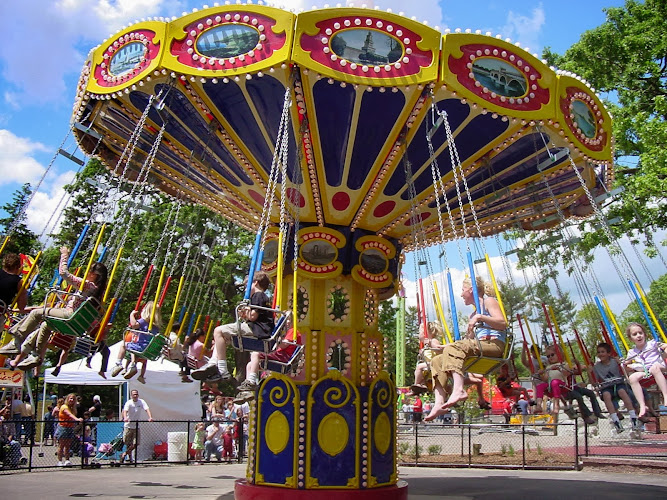
Como Town

Como Park Zoo & Conservatory
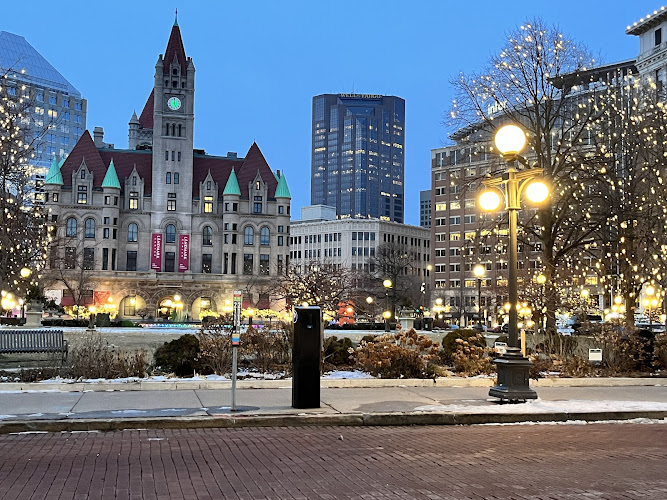
Rice Park
Find Accommodations Nearby
Recommended Tours & Activities
Visitor Reviews
There are no reviews yet. Be the first one to write one.
Share Your Experience
Have you visited Minnesota Transportation Museum? Help other travelers by leaving a review.