
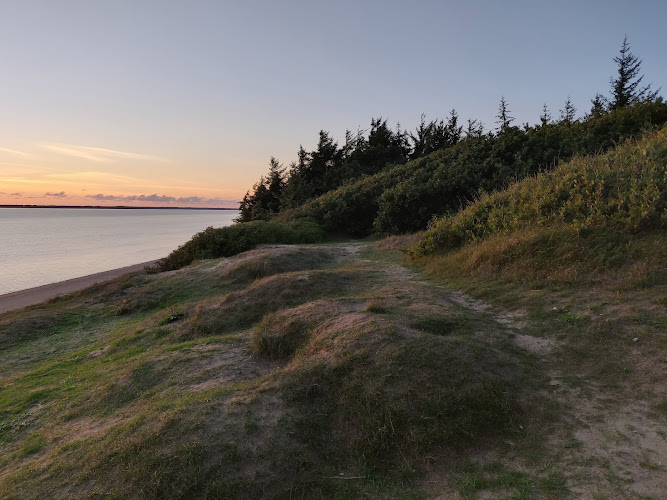
Marbæk
About Marbæk
Description
If you’ve ever craved wild spaces where pine and heather roll toward sandy shores and wind-warped trees lean bravely against a salty breeze, Marbæk is the kind of place that gets under your skin—in the best way. Tucked away just northwest of Esbjerg in southern Denmark, this sprawling nature area is a bit of an open secret among nature-lovers, local families, and just about anyone with a solid pair of walking boots and a sense of curiosity. Some folks, sure, come here for the classic Instagram pic at the water’s edge. But Marbæk isn’t just a photo op—it's a living, breathing landscape that rewards explorers willing to wander off-path and soak up the details. Picture windswept dune heaths, quietly bustling with birdsong in spring, interlaced with old pine plantations, and peppered by sparkling lakes that beg for a picnic or spontaneous paddle.
Me, I visited last May—skeptical, to be honest, because “nature areas” sometimes just mean a patch of mowed grass and a bench, right? Not Marbæk. I ended up wandering for hours, discovering tiny blue butterflies in the heath and watching horse riders splash along wide, sandy forest tracks. I caught a glimpse of an old WWII bunker (yep, history buffs, there are secrets here), and ate the best packed lunch I’ve had in years, gazing over Ho Bay while grey clouds tumbled overhead. Now, I get it: people visit Marbæk for the big views, but stay for all the small, personal moments.
Compared to busier tourist spots, Marbæk is a breath of fresh air—literally and figuratively. Whether you’re chasing migratory birds, looking to dip your toes in Denmark’s wild side, or just need a mental reset, you’ll find the landscape here generous and unpretentious. It’s a special corner of Jutland where you can still find quiet, if you want it.
Key Features
- Massive Dune Heaths: These wide-open, undulating areas of heather and grass are the soul of Marbæk. When the heather blooms (usually August), the whole landscape flushes purple—trust me, it’s a sight you’ll remember.
- Lakes and Wetlands: Little hidden lakes and boggy spots—like Lyngbosøen and Grådyb—add tons of character. Birdwatchers will go nuts.
- Rich Birdlife: Over 200 different species recorded here. And if you’re into rare birds, bring your binoculars (I spotted an osprey once and nearly dropped my coffee in excitement).
- Dog-Friendly Paths: Loads of wide trails mean you can bring your furry companion. I met a cheerful local who told me, “If your dog gets muddy here, that means you’re doing it right.”
- Mountain Biking Routes: Not just for hikers! There are forest tracks and marked routes for bikes—my cousin swears the adrenaline rush is top-tier, especially the sandy curves near the forest.
- Beach Access: You can head right down to Ho Bugt’s shallow coastline. Sometimes the water’s clear enough to see little fish darting at your feet, and the sunsets here? They’ll eat up space in your phone gallery.
- Horseback Riding: There are guided rides and wide sandy tracks for your own horse, if you’ve got one (or happen to know a friend who'll lend you a steed).
- Picnic Areas with Scenic Views: Several basic, open-air picnic spots with tables and views across the dunes. One of life’s inexpensive joys: Coffee from a thermos, wind in your hair, lots of legroom.
- Historical Relics: WWII bunkers and remains of old settlements add a layer of intrigue. These aren’t flashy, but if you like stories whispered by the landscape, they’re worth seeking out.
Best Time to Visit
Let’s be real—for those who love quiet walks with indirect sunlight and a bit of unpredictable weather, there’s no bad season in Marbæk. But some months shine brighter than others, and I’d hate for you to miss out on the magic because you came at the wrong time.
Spring: Maybe my favorite. Everything wakes up—the birds, wildflowers, and yes, even that slightly mischievous wind. The mornings can be chilly, but the air smells like hope. Plus, it’s less crowded, which means more uninterrupted views and less competition for prime picnic real estate.
Summer: Heather is the queen here in August. Picture purple carpets stretching under big, blue Danish skies. It does get busier, especially on sunny weekends and holidays, but the area’s vastness swallows crowds. Pro tip: Visit early in the morning or late afternoon for that soft golden light (it photographs like a dream).
Autumn: Moody skies and golden grasses—this is when Marbæk suddenly feels ancient and a bit wild. Migratory birds add extra drama, and the soundscape—rustling leaves, distant geese—is just perfect if you ask me. Layer up, though. That coastal chill is no joke.
Winter: It’s stark and quiet. You might spot frost on the pines or maybe a dusting of snow if you’re lucky. Not for everyone, but there’s something special about having the dunes to yourself and watching the low, silvery light. Just bring good boots and snacks—shops are miles away.
So, if you ask me when to visit? If you’re keen on heather: August, no contest. For contemplative walks and birdwatching: spring or autumn. Summer for family fun and easy-going picnics.
How to Get There
Okay, getting to Marbæk isn’t like rolling up at a city square. It requires a touch of planning, but honestly, that’s half the fun. Coming from Esbjerg, it’s a scenic 12-15 km journey (depending on which trailhead you aim for—there are a few). And if you’re traveling by car, the drive itself is half the adventure, winding through little villages and fields that look painted by someone who really loved green.
By Car: Easiest and fastest, especially if you want to haul gear—think bikes, picnic baskets, or 800 layers of outerwear. There are free parking areas scattered around the northern and southern ends. I always remember to double-check which lot I parked in (there are a few, and I have definitely gotten lost before), but the main ones are well-marked and close to popular trails.
By Public Transport: Totally doable, though a bit more “choose your own adventure.” Regional buses from Esbjerg can drop you within walking distance, but check schedules—Denmark loves efficiency, but rural routes are sometimes sparse on weekends. Worst case, taxi from town isn’t outrageous if split with friends.
Bike or On Foot: For the über-adventurous (or if you’re living that green travel life), cycling from Esbjerg is both popular and scenic—marked cycle routes skirt the coast, passing through forest, fields, and open sky. On warm days, I’ve met a lot of locals pedaling out for a day in the dunes.
Either way, bring a map or save an offline version on your phone. There’s decent mobile signal, but not everywhere. Call me old-fashioned, but I still like a paper map in the rain—it doesn’t glitch out when you need it most.
Tips for Visiting
- Dress in Layers: I cannot say this enough: Coastal weather laughs at your outfit plans. Wind, sun, rain—they’re all possible in a day, sometimes an hour. Light waterproof jackets beat umbrellas every time.
- Watch for Ticks: Yep, it’s Denmark, but ticks love heathlands. Wear long pants and check yourself after walks—especially in spring and summer.
- Pack Snacks and Water: Shops and restaurants are miles away, and honestly, eating a sandwich with your feet in the sand or under a pine tree is part of the Marbæk experience.
- Listen for Birds: Even if birdwatching isn’t your main thing, let yourself stop and listen. You’ll hear larks, curlews, maybe a bittern. It’s calming, grounding—try it once, you’ll look forward to it every time.
- Be Mindful of Nature: Most of Marbæk is protected, so stick to marked trails if possible and don’t pick the heather. The
Key Features
- Key Features
- Best Time to Visit
- How to Get There
- Tips for Visiting
More Details
Updated June 25, 2025
Table of Contents
Description
If you’ve ever craved wild spaces where pine and heather roll toward sandy shores and wind-warped trees lean bravely against a salty breeze, Marbæk is the kind of place that gets under your skin—in the best way. Tucked away just northwest of Esbjerg in southern Denmark, this sprawling nature area is a bit of an open secret among nature-lovers, local families, and just about anyone with a solid pair of walking boots and a sense of curiosity. Some folks, sure, come here for the classic Instagram pic at the water’s edge. But Marbæk isn’t just a photo op—it’s a living, breathing landscape that rewards explorers willing to wander off-path and soak up the details. Picture windswept dune heaths, quietly bustling with birdsong in spring, interlaced with old pine plantations, and peppered by sparkling lakes that beg for a picnic or spontaneous paddle.
Me, I visited last May—skeptical, to be honest, because “nature areas” sometimes just mean a patch of mowed grass and a bench, right? Not Marbæk. I ended up wandering for hours, discovering tiny blue butterflies in the heath and watching horse riders splash along wide, sandy forest tracks. I caught a glimpse of an old WWII bunker (yep, history buffs, there are secrets here), and ate the best packed lunch I’ve had in years, gazing over Ho Bay while grey clouds tumbled overhead. Now, I get it: people visit Marbæk for the big views, but stay for all the small, personal moments.
Compared to busier tourist spots, Marbæk is a breath of fresh air—literally and figuratively. Whether you’re chasing migratory birds, looking to dip your toes in Denmark’s wild side, or just need a mental reset, you’ll find the landscape here generous and unpretentious. It’s a special corner of Jutland where you can still find quiet, if you want it.
Key Features
- Massive Dune Heaths: These wide-open, undulating areas of heather and grass are the soul of Marbæk. When the heather blooms (usually August), the whole landscape flushes purple—trust me, it’s a sight you’ll remember.
- Lakes and Wetlands: Little hidden lakes and boggy spots—like Lyngbosøen and Grådyb—add tons of character. Birdwatchers will go nuts.
- Rich Birdlife: Over 200 different species recorded here. And if you’re into rare birds, bring your binoculars (I spotted an osprey once and nearly dropped my coffee in excitement).
- Dog-Friendly Paths: Loads of wide trails mean you can bring your furry companion. I met a cheerful local who told me, “If your dog gets muddy here, that means you’re doing it right.”
- Mountain Biking Routes: Not just for hikers! There are forest tracks and marked routes for bikes—my cousin swears the adrenaline rush is top-tier, especially the sandy curves near the forest.
- Beach Access: You can head right down to Ho Bugt’s shallow coastline. Sometimes the water’s clear enough to see little fish darting at your feet, and the sunsets here? They’ll eat up space in your phone gallery.
- Horseback Riding: There are guided rides and wide sandy tracks for your own horse, if you’ve got one (or happen to know a friend who’ll lend you a steed).
- Picnic Areas with Scenic Views: Several basic, open-air picnic spots with tables and views across the dunes. One of life’s inexpensive joys: Coffee from a thermos, wind in your hair, lots of legroom.
- Historical Relics: WWII bunkers and remains of old settlements add a layer of intrigue. These aren’t flashy, but if you like stories whispered by the landscape, they’re worth seeking out.
Best Time to Visit
Let’s be real—for those who love quiet walks with indirect sunlight and a bit of unpredictable weather, there’s no bad season in Marbæk. But some months shine brighter than others, and I’d hate for you to miss out on the magic because you came at the wrong time.
Spring: Maybe my favorite. Everything wakes up—the birds, wildflowers, and yes, even that slightly mischievous wind. The mornings can be chilly, but the air smells like hope. Plus, it’s less crowded, which means more uninterrupted views and less competition for prime picnic real estate.
Summer: Heather is the queen here in August. Picture purple carpets stretching under big, blue Danish skies. It does get busier, especially on sunny weekends and holidays, but the area’s vastness swallows crowds. Pro tip: Visit early in the morning or late afternoon for that soft golden light (it photographs like a dream).
Autumn: Moody skies and golden grasses—this is when Marbæk suddenly feels ancient and a bit wild. Migratory birds add extra drama, and the soundscape—rustling leaves, distant geese—is just perfect if you ask me. Layer up, though. That coastal chill is no joke.
Winter: It’s stark and quiet. You might spot frost on the pines or maybe a dusting of snow if you’re lucky. Not for everyone, but there’s something special about having the dunes to yourself and watching the low, silvery light. Just bring good boots and snacks—shops are miles away.
So, if you ask me when to visit? If you’re keen on heather: August, no contest. For contemplative walks and birdwatching: spring or autumn. Summer for family fun and easy-going picnics.
How to Get There
Okay, getting to Marbæk isn’t like rolling up at a city square. It requires a touch of planning, but honestly, that’s half the fun. Coming from Esbjerg, it’s a scenic 12-15 km journey (depending on which trailhead you aim for—there are a few). And if you’re traveling by car, the drive itself is half the adventure, winding through little villages and fields that look painted by someone who really loved green.
By Car: Easiest and fastest, especially if you want to haul gear—think bikes, picnic baskets, or 800 layers of outerwear. There are free parking areas scattered around the northern and southern ends. I always remember to double-check which lot I parked in (there are a few, and I have definitely gotten lost before), but the main ones are well-marked and close to popular trails.
By Public Transport: Totally doable, though a bit more “choose your own adventure.” Regional buses from Esbjerg can drop you within walking distance, but check schedules—Denmark loves efficiency, but rural routes are sometimes sparse on weekends. Worst case, taxi from town isn’t outrageous if split with friends.
Bike or On Foot: For the über-adventurous (or if you’re living that green travel life), cycling from Esbjerg is both popular and scenic—marked cycle routes skirt the coast, passing through forest, fields, and open sky. On warm days, I’ve met a lot of locals pedaling out for a day in the dunes.
Either way, bring a map or save an offline version on your phone. There’s decent mobile signal, but not everywhere. Call me old-fashioned, but I still like a paper map in the rain—it doesn’t glitch out when you need it most.
Tips for Visiting
- Dress in Layers: I cannot say this enough: Coastal weather laughs at your outfit plans. Wind, sun, rain—they’re all possible in a day, sometimes an hour. Light waterproof jackets beat umbrellas every time.
- Watch for Ticks: Yep, it’s Denmark, but ticks love heathlands. Wear long pants and check yourself after walks—especially in spring and summer.
- Pack Snacks and Water: Shops and restaurants are miles away, and honestly, eating a sandwich with your feet in the sand or under a pine tree is part of the Marbæk experience.
- Listen for Birds: Even if birdwatching isn’t your main thing, let yourself stop and listen. You’ll hear larks, curlews, maybe a bittern. It’s calming, grounding—try it once, you’ll look forward to it every time.
-
Be Mindful of Nature: Most of Marbæk is protected, so stick to marked trails if possible and don’t pick the heather. The
Key Highlights
- Key Features
- Best Time to Visit
- How to Get There
- Tips for Visiting
Location
Places to Stay Near Marbæk
Find and Book a Tour
Explore More Travel Guides
No reviews found! Be the first to review!
Traveler Reviews for Marbæk
There are no reviews yet. Be the first one to write one.
Have you visited Marbæk? Help other travelers by sharing your review.
You Might Also Like

Amalienborg Palace
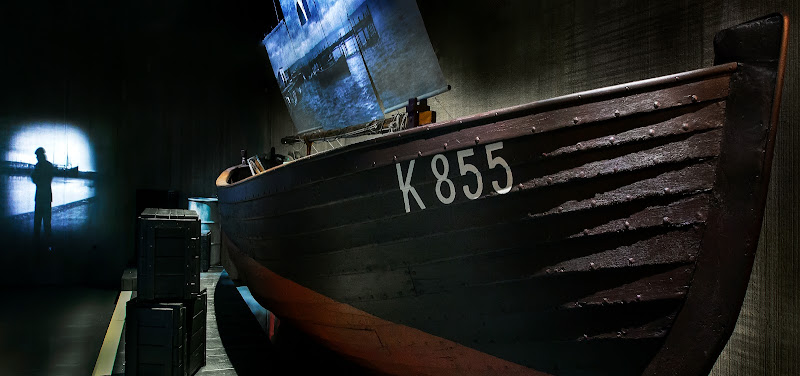
Museum of Danish Resistance
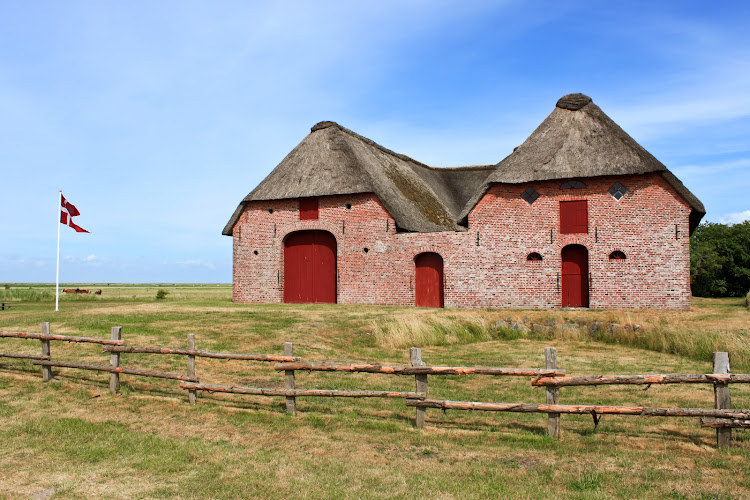
Nationalmuseets Kommandørgård
Find Accommodations Nearby
Recommended Tours & Activities
Visitor Reviews
There are no reviews yet. Be the first one to write one.
Share Your Experience
Have you visited Marbæk? Help other travelers by leaving a review.