
Mapar House
About Mapar House
Description
Mapar House in Ahvaz is the kind of place that quietly draws you in before you even realize what’s happening. It’s not just another old building with fancy tiles and arches—it’s a living, breathing piece of Khuzestan’s story. Built during the early Pahlavi era, this mansion once belonged to the Mapar family, who were well-known silk and fabric traders. The house’s architecture reflects a fascinating blend of traditional Persian craftsmanship and Arab-Islamic design, typical of the region’s cultural crossroads. And honestly, that mix gives it a certain charm you won’t find in many other places in Iran.
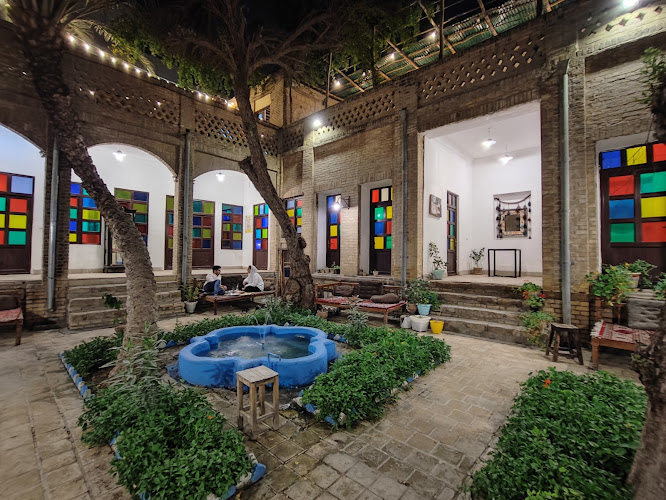
Walking through its courtyard feels like stepping into a different time. The walls, made of sun-baked bricks, still hold whispers of laughter and conversation from nearly a century ago. There’s a small pond in the center—its turquoise water glimmers under the sun—and around it, you’ll find clay pots, old wooden doors, and the faint scent of jasmine. It’s the kind of place where you can sit quietly with a cup of tea and feel the weight of history settle comfortably around you.
While the house has seen its fair share of wear from the region’s humidity and time itself, much of its original beauty remains intact. The intricate stucco work, colorful stained-glass windows, and symmetrical courtyards all tell stories of the family’s wealth and taste. Yet, it’s not overly polished or commercialized—thankfully. You still get that authentic sense of place, the kind that makes you slow down and actually look at the details.
Today, Mapar House serves as a cultural and arts center, hosting exhibitions, small concerts, and workshops. If you’re lucky, you might stumble upon a local art show or a poetry reading in one of its rooms. It’s a space where the old and new coexist beautifully—where the echoes of the past meet the creative pulse of modern Ahvaz. And that’s what makes it so special. It’s not just preserved; it’s alive.
Key Features
- Early Pahlavi-era architecture with Persian and Arab-Islamic influences
- Beautiful central courtyard with a traditional blue-tiled pond
- Restored interior featuring stained-glass windows and hand-carved wooden doors
- Serves as a cultural and arts center with rotating exhibitions and events
- Offers a cozy café-style space where visitors can enjoy tea or light snacks
- Family-friendly environment, suitable for kids and casual exploration
- Located near Ahvaz’s main bazaar and the Karun River, adding extra charm to a visit
Best Time to Visit
If you’ve ever been to southern Iran, you’ll know that the summer heat can be a bit much—okay, more than a bit. Ahvaz is known for its warm climate, and visiting Mapar House in July or August might feel like walking through a sauna. So, the best time to plan your trip is between November and March when the weather is pleasantly mild. During these months, the courtyard becomes a delightful spot to linger, and you can actually enjoy sitting outside without melting.
Spring also has its own magic here. The flowers bloom, the air feels softer, and the light hits the old bricks just right. If you’re into photography, this is your season. The late afternoon light, with its golden hue, makes the whole place glow. And if you visit around Yalda night (the winter solstice), you might even catch one of the traditional gatherings that celebrate the house’s historical significance—it was originally inaugurated on Yalda night back in 1928.
How to Get There
Getting to Mapar House is relatively easy once you’re in Ahvaz. The city itself is well-connected by both air and road, with flights from Tehran and other major Iranian cities landing daily. From the airport, it’s about a short drive to the central area where Mapar House is located. Local taxis and ride-hailing apps like Snapp make the trip straightforward and inexpensive.
If you’re the type who enjoys wandering, you can also walk to it from the Karun River area or the main bazaar. The streets around it are lively, lined with small shops, bakeries, and vendors selling everything from dates to handmade crafts. Just be prepared for a bit of traffic—it’s Ahvaz, after all. But that’s part of the fun: the noise, the smells, the rhythm of daily life. You’ll probably end up stopping for a glass of fresh sugarcane juice along the way, which, trust me, is the best way to beat the heat.
Tips for Visiting
First things first—don’t rush. Mapar House isn’t the kind of place you breeze through in ten minutes. Give yourself time to soak it all in. The architecture, the atmosphere, even the subtle details like the way the light filters through the stained glass—it all deserves your attention.
If you’re a photography lover, bring your camera (and maybe a backup battery). The play of light and shadow here is stunning, especially in the late afternoon. Also, wear comfortable shoes. The floors are uneven in places, and you’ll probably find yourself wandering back and forth between rooms more than once.
There’s usually a small café or tea corner inside the courtyard, and honestly, sitting there with a cup of Persian tea is half the experience. It’s quiet, peaceful, and you might even strike up a conversation with locals who love to share stories about the house’s history. People in Ahvaz are incredibly friendly and curious about visitors, so don’t be surprised if someone insists you try a local sweet or snack.
For families, it’s a great place to bring kids. There’s space for them to move around, and the cultural programs sometimes include workshops or art activities for children. Just keep in mind that while the house has been partially restored, it’s not fully wheelchair accessible. Some areas have steps and narrow passageways.
And one more thing—if you can, visit during one of the cultural events or art exhibitions. These moments bring the house to life in a way that regular sightseeing can’t. You’ll hear live music, see local artists displaying their work, and feel the creative energy that defines modern Ahvaz. It’s a reminder that history isn’t just something we look at—it’s something we continue to build on.
In the end, Mapar House isn’t about grandeur or perfection. It’s about authenticity. It’s about feeling connected to a place that has seen generations come and go, yet still stands with quiet dignity. Whether you’re a history buff, an art lover, or just someone looking for a peaceful corner of the city, this house has a way of staying with you long after you’ve left. Maybe it’s the light, maybe it’s the stories—but whatever it is, it lingers.
Key Features
- Early Pahlavi-era architecture with Persian and Arab-Islamic influences
- Beautiful central courtyard with a traditional blue-tiled pond
- Restored interior featuring stained-glass windows and hand-carved wooden doors
- Serves as a cultural and arts center with rotating exhibitions and events
- Offers a cozy café-style space where visitors can enjoy tea or light snacks
- Family-friendly environment, suitable for kids and casual exploration
- Located near Ahvaz’s main bazaar and the Karun River, adding extra charm to a visit
More Details
Updated October 11, 2025
Table of Contents
Description
Mapar House in Ahvaz is the kind of place that quietly draws you in before you even realize what’s happening. It’s not just another old building with fancy tiles and arches—it’s a living, breathing piece of Khuzestan’s story. Built during the early Pahlavi era, this mansion once belonged to the Mapar family, who were well-known silk and fabric traders. The house’s architecture reflects a fascinating blend of traditional Persian craftsmanship and Arab-Islamic design, typical of the region’s cultural crossroads. And honestly, that mix gives it a certain charm you won’t find in many other places in Iran.
Walking through its courtyard feels like stepping into a different time. The walls, made of sun-baked bricks, still hold whispers of laughter and conversation from nearly a century ago. There’s a small pond in the center—its turquoise water glimmers under the sun—and around it, you’ll find clay pots, old wooden doors, and the faint scent of jasmine. It’s the kind of place where you can sit quietly with a cup of tea and feel the weight of history settle comfortably around you.
While the house has seen its fair share of wear from the region’s humidity and time itself, much of its original beauty remains intact. The intricate stucco work, colorful stained-glass windows, and symmetrical courtyards all tell stories of the family’s wealth and taste. Yet, it’s not overly polished or commercialized—thankfully. You still get that authentic sense of place, the kind that makes you slow down and actually look at the details.
Today, Mapar House serves as a cultural and arts center, hosting exhibitions, small concerts, and workshops. If you’re lucky, you might stumble upon a local art show or a poetry reading in one of its rooms. It’s a space where the old and new coexist beautifully—where the echoes of the past meet the creative pulse of modern Ahvaz. And that’s what makes it so special. It’s not just preserved; it’s alive.
Key Features
- Early Pahlavi-era architecture with Persian and Arab-Islamic influences
- Beautiful central courtyard with a traditional blue-tiled pond
- Restored interior featuring stained-glass windows and hand-carved wooden doors
- Serves as a cultural and arts center with rotating exhibitions and events
- Offers a cozy café-style space where visitors can enjoy tea or light snacks
- Family-friendly environment, suitable for kids and casual exploration
- Located near Ahvaz’s main bazaar and the Karun River, adding extra charm to a visit
Best Time to Visit
If you’ve ever been to southern Iran, you’ll know that the summer heat can be a bit much—okay, more than a bit. Ahvaz is known for its warm climate, and visiting Mapar House in July or August might feel like walking through a sauna. So, the best time to plan your trip is between November and March when the weather is pleasantly mild. During these months, the courtyard becomes a delightful spot to linger, and you can actually enjoy sitting outside without melting.
Spring also has its own magic here. The flowers bloom, the air feels softer, and the light hits the old bricks just right. If you’re into photography, this is your season. The late afternoon light, with its golden hue, makes the whole place glow. And if you visit around Yalda night (the winter solstice), you might even catch one of the traditional gatherings that celebrate the house’s historical significance—it was originally inaugurated on Yalda night back in 1928.
How to Get There
Getting to Mapar House is relatively easy once you’re in Ahvaz. The city itself is well-connected by both air and road, with flights from Tehran and other major Iranian cities landing daily. From the airport, it’s about a short drive to the central area where Mapar House is located. Local taxis and ride-hailing apps like Snapp make the trip straightforward and inexpensive.
If you’re the type who enjoys wandering, you can also walk to it from the Karun River area or the main bazaar. The streets around it are lively, lined with small shops, bakeries, and vendors selling everything from dates to handmade crafts. Just be prepared for a bit of traffic—it’s Ahvaz, after all. But that’s part of the fun: the noise, the smells, the rhythm of daily life. You’ll probably end up stopping for a glass of fresh sugarcane juice along the way, which, trust me, is the best way to beat the heat.
Tips for Visiting
First things first—don’t rush. Mapar House isn’t the kind of place you breeze through in ten minutes. Give yourself time to soak it all in. The architecture, the atmosphere, even the subtle details like the way the light filters through the stained glass—it all deserves your attention.
If you’re a photography lover, bring your camera (and maybe a backup battery). The play of light and shadow here is stunning, especially in the late afternoon. Also, wear comfortable shoes. The floors are uneven in places, and you’ll probably find yourself wandering back and forth between rooms more than once.
There’s usually a small café or tea corner inside the courtyard, and honestly, sitting there with a cup of Persian tea is half the experience. It’s quiet, peaceful, and you might even strike up a conversation with locals who love to share stories about the house’s history. People in Ahvaz are incredibly friendly and curious about visitors, so don’t be surprised if someone insists you try a local sweet or snack.
For families, it’s a great place to bring kids. There’s space for them to move around, and the cultural programs sometimes include workshops or art activities for children. Just keep in mind that while the house has been partially restored, it’s not fully wheelchair accessible. Some areas have steps and narrow passageways.
And one more thing—if you can, visit during one of the cultural events or art exhibitions. These moments bring the house to life in a way that regular sightseeing can’t. You’ll hear live music, see local artists displaying their work, and feel the creative energy that defines modern Ahvaz. It’s a reminder that history isn’t just something we look at—it’s something we continue to build on.
In the end, Mapar House isn’t about grandeur or perfection. It’s about authenticity. It’s about feeling connected to a place that has seen generations come and go, yet still stands with quiet dignity. Whether you’re a history buff, an art lover, or just someone looking for a peaceful corner of the city, this house has a way of staying with you long after you’ve left. Maybe it’s the light, maybe it’s the stories—but whatever it is, it lingers.
Key Highlights
- Early Pahlavi-era architecture with Persian and Arab-Islamic influences
- Beautiful central courtyard with a traditional blue-tiled pond
- Restored interior featuring stained-glass windows and hand-carved wooden doors
- Serves as a cultural and arts center with rotating exhibitions and events
- Offers a cozy café-style space where visitors can enjoy tea or light snacks
- Family-friendly environment, suitable for kids and casual exploration
- Located near Ahvaz’s main bazaar and the Karun River, adding extra charm to a visit
Location
Places to Stay Near Mapar House
Find and Book a Tour
Explore More Travel Guides
No reviews found! Be the first to review!
Traveler Reviews for Mapar House
There are no reviews yet. Be the first one to write one.
Have you visited Mapar House? Help other travelers by sharing your review.
You Might Also Like

Black Bridge

Zergon Land Park
اهواز
Find Accommodations Nearby
Recommended Tours & Activities
Visitor Reviews
There are no reviews yet. Be the first one to write one.
Share Your Experience
Have you visited Mapar House? Help other travelers by leaving a review.