
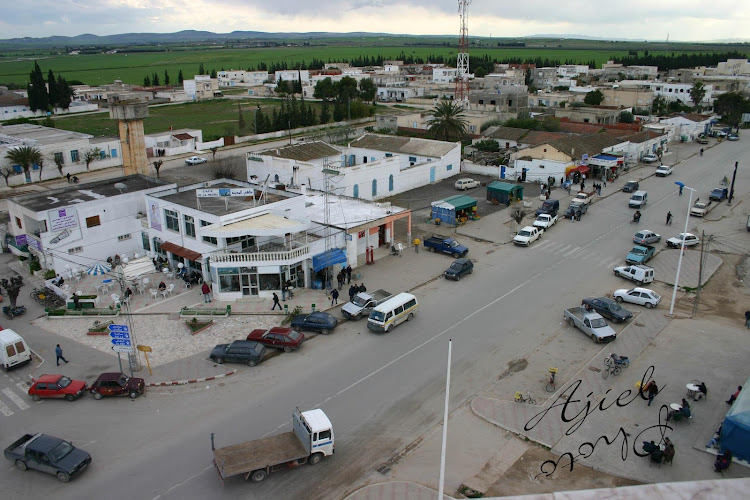
Manubah Governorate
About Manubah Governorate
Description
You don’t hear many travelers talking about Manouba Governorate when swapping Tunisia stories—it sort of hides in plain sight a bit northwest of the capital, Tunis. That’s actually part of why I like it. Manouba isn’t on every Instagram trail, but if you ask around, it’s locally known as a soulful mix of sweeping landscapes, tradition-heavy towns, pockets of ancient ruins, and a surprisingly laid-back day-to-day vibe. If you’re tired of cramming into crowded medinas or need a breather after scaling amphitheaters in El Jem, this is a breath of fresh air—literally. The governorate covers just over 1,100 km2 (which is easy to drive across in a lazy afternoon) and is home to around 380,000 people, so it’s neither remote nor overwhelming.
The capital, also called Manouba, sits on the gentle hills rising past Tunis’s edge. Sometimes you catch a breeze from the Med—it’s not far. The everyday life here just feels slower, and the locals will tell you: this is where the “old Tunisia” still lives, side by side with modernization (and a touch of agricultural charm). And I mean, you do see a lot of goats, olive groves, and roadside fruit stalls if you’re paying attention.
Admittedly, you won’t find flashy resorts or boutique hotels by the dozen. Manouba’s “accommodation scene” is more guesthouses, family-run spots, the odd Airbnb, and even a couple of charming old farmsteads you wouldn’t spot on a booking site if you weren’t looking for them. And if you care about genuine travel, that’s a plus. I came for the Roman ruins but stayed for the afternoon mint tea in someone’s courtyard (I still think about that homemade fig jam…).
People sometimes write off inland Tunisia as hot and dry, but Manouba is greener than you’d think. The Medjerda River (Tunisia’s longest) curls nearby, and you get wild stretches of countryside, rustic towns like Douar Hicher and Mornaguia, and a safe, accessible launchpad for exploring the ancient history of the whole region. The place is proud of its heritage—especially its Sufi shrines, and little archaeological sites that get overlooked by mainstream guides.
Key Features
- Historic Landmarks: Home to several quietly fascinating archaeological sites—think Roman ruins in Oued Ellil that most visitors skip. There are also Ottoman-era mosques and traditional villages that look frozen in time.
- Open-Air Markets: The weekly souks (markets) are old-school, bustling, and wildly colorful, especially if you want to see Tunisia outside of the big city influence and haggle for real, local goods. The Manouba market (usually Thursdays) is legendary among locals.
- Easy Access to Tunis: Manouba’s proximity to the Tunis metro means you can be in the buzzing city within 20-30 minutes, max. It’s one of the few regions where rural calm and urban buzz genuinely feel blended.
- Traditional Cuisine: You probably haven’t heard of some of the dishes here. Try “lablabi” (a spicy chickpea stew) at any roadside café, or “kaak warka”—a kind of nutty pastry. Totally different flavor profiles than you get at the touristy restaurants.
- Sufi Pilgrimage Sites: For the spiritually curious, Manouba is dotted with Sufi shrines. The “Zaouia of Sayyida Manoubia” is especially revered—the annual pilgrimage draws many locals, and outsiders are welcomed with open arms.
- Nature Trails and Countryside: Paint a mental picture: rolling olive groves, grazing sheep, old fig trees, and the odd ancient stone bridge spanning a trickling riverbed. The countryside walks are surprisingly good, especially after the seasonal rains.
- University Hub: Okay, bit of trivia: The University of Manouba sits here, and with thousands of students around, there’s an energetic (if subtle) arts and café scene you might miss if you don’t poke around.
Best Time to Visit
Let’s talk timing—because, honestly, when you go shapes how you see Manouba. If you love blue skies, blooming wildflowers, and spring festival smells drifting through town, come March to May. It isn’t oppressively hot, everything’s green, and farmers’ markets are flooded with local produce (the honey and fresh cheeses are unbeatable). Spring also brings out the best of Manouba’s events, especially religious festivals, which open this place up in a welcoming, festive way.
Summer (June to September) turns the hills gold, and daytime temperatures can hit the mid 30s°C (high 80s–90s°F). It’s dry, which is great for olive harvests but tough for those not used to strong sun. As for me, I’ve survived a July afternoon in Manouba by posting up under a mulberry tree with cold lemonade—just leave the midday exploring for the lizards and nap instead.
Autumn (late September to November) is shockingly pretty, with hazy light and grape vines getting trimmed. It’s a quieter period, and the markets are less busy—a good option if you want to have sites pretty much to yourself.
Winter is mild and, if I’m honest, often cloudy. Average temperatures hover between 8 to 16°C (46–60°F), sometimes with a passing shower or two. But this is when café culture comes alive, and there’s just something about sitting with a hot mint tea while locals debate football that sticks with me. In other words—there isn’t really a bad time, but spring and fall are the sweet spots if you want comfort and authenticity all at once.
How to Get There
Getting to Manouba is a breeze—well, as much as Tunisian public transport lets anything be a breeze. From Tunis, you’ve got options:
- By Car: Honestly, driving’s easiest. Jump on the N7 road heading west from Tunis and you’ll be in Manouba city in under 20 minutes if traffic isn’t doing its famous late morning nap. Past Manouba, the governorate spreads out with lots of little roads into smaller towns.
- By Train: There’s a commuter train connecting Tunis main station to Manouba’s heart within about 15 minutes—cheap, simple, and distinctly local. You’ll see vendors hopping on and off at every stop, and it’s a great window into daily life.
- By Metro (Light Rail): This is the local’s favorite: Line 4 (Metro Léger) snakes out from downtown Tunis straight into Manouba. Tickets are cheap and the journey’s under half an hour even with several stops. If you’re not sure where to hop off, people are usually more than happy to help (or tease you gently for being lost).
- By Bus: Buses run frequently from Tunis Bab Saadoun terminal, connecting most major towns. They can get crowded and a little chaotic if you’re not used to them—but hey, chaos is half the fun. Go with the flow and hang onto your hat.
If you’re landing in Tunisia for the first time, Tunis-Carthage Airport is your gateway, and from there it’s about a 25-30 minute taxi ride (or, if you ask me, a great way to see how drivers in Tunisia treat “lanes” as more of a suggestion).
Tips for Visiting
I might not have a monopoly on travel wisdom, but after a few trips and plenty of local advice, here are some honest-to-goodness tips:
- Brush Up on French or Arabic: Not everyone speaks English. A simple “Bonjour” or “Aslema” (hello in Tunisian dialect) goes a long way—especially in markets or old family-run teashops.
- Cash is King: Forget plastic when you’re out of the city—bring small bills and coins. Even the fancier pastry shops often prefer cash, and haggling is expected.
- Dress Respectfully: Manouba is modest. While nobody expects a full cover-up, shorts and tank tops will make you stand out (and not in a good way). Go for loose, comfy clothes—plus, they’re better in the heat.
- Stay Aware in Crowded Areas: Markets and stations are busy, and Tunisia’s generally safe, but use street smarts—keep your valuables close and your wits closer. It’s no different than Paris or Rome in that way.
Key Features
- Key Features
- Best Time to Visit
- How to Get There
- Tips for Visiting
More Details
Updated June 9, 2025
Table of Contents
Description
You don’t hear many travelers talking about Manouba Governorate when swapping Tunisia stories—it sort of hides in plain sight a bit northwest of the capital, Tunis. That’s actually part of why I like it. Manouba isn’t on every Instagram trail, but if you ask around, it’s locally known as a soulful mix of sweeping landscapes, tradition-heavy towns, pockets of ancient ruins, and a surprisingly laid-back day-to-day vibe. If you’re tired of cramming into crowded medinas or need a breather after scaling amphitheaters in El Jem, this is a breath of fresh air—literally. The governorate covers just over 1,100 km2 (which is easy to drive across in a lazy afternoon) and is home to around 380,000 people, so it’s neither remote nor overwhelming.
The capital, also called Manouba, sits on the gentle hills rising past Tunis’s edge. Sometimes you catch a breeze from the Med—it’s not far. The everyday life here just feels slower, and the locals will tell you: this is where the “old Tunisia” still lives, side by side with modernization (and a touch of agricultural charm). And I mean, you do see a lot of goats, olive groves, and roadside fruit stalls if you’re paying attention.
Admittedly, you won’t find flashy resorts or boutique hotels by the dozen. Manouba’s “accommodation scene” is more guesthouses, family-run spots, the odd Airbnb, and even a couple of charming old farmsteads you wouldn’t spot on a booking site if you weren’t looking for them. And if you care about genuine travel, that’s a plus. I came for the Roman ruins but stayed for the afternoon mint tea in someone’s courtyard (I still think about that homemade fig jam…).
People sometimes write off inland Tunisia as hot and dry, but Manouba is greener than you’d think. The Medjerda River (Tunisia’s longest) curls nearby, and you get wild stretches of countryside, rustic towns like Douar Hicher and Mornaguia, and a safe, accessible launchpad for exploring the ancient history of the whole region. The place is proud of its heritage—especially its Sufi shrines, and little archaeological sites that get overlooked by mainstream guides.
Key Features
- Historic Landmarks: Home to several quietly fascinating archaeological sites—think Roman ruins in Oued Ellil that most visitors skip. There are also Ottoman-era mosques and traditional villages that look frozen in time.
- Open-Air Markets: The weekly souks (markets) are old-school, bustling, and wildly colorful, especially if you want to see Tunisia outside of the big city influence and haggle for real, local goods. The Manouba market (usually Thursdays) is legendary among locals.
- Easy Access to Tunis: Manouba’s proximity to the Tunis metro means you can be in the buzzing city within 20-30 minutes, max. It’s one of the few regions where rural calm and urban buzz genuinely feel blended.
- Traditional Cuisine: You probably haven’t heard of some of the dishes here. Try “lablabi” (a spicy chickpea stew) at any roadside café, or “kaak warka”—a kind of nutty pastry. Totally different flavor profiles than you get at the touristy restaurants.
- Sufi Pilgrimage Sites: For the spiritually curious, Manouba is dotted with Sufi shrines. The “Zaouia of Sayyida Manoubia” is especially revered—the annual pilgrimage draws many locals, and outsiders are welcomed with open arms.
- Nature Trails and Countryside: Paint a mental picture: rolling olive groves, grazing sheep, old fig trees, and the odd ancient stone bridge spanning a trickling riverbed. The countryside walks are surprisingly good, especially after the seasonal rains.
- University Hub: Okay, bit of trivia: The University of Manouba sits here, and with thousands of students around, there’s an energetic (if subtle) arts and café scene you might miss if you don’t poke around.
Best Time to Visit
Let’s talk timing—because, honestly, when you go shapes how you see Manouba. If you love blue skies, blooming wildflowers, and spring festival smells drifting through town, come March to May. It isn’t oppressively hot, everything’s green, and farmers’ markets are flooded with local produce (the honey and fresh cheeses are unbeatable). Spring also brings out the best of Manouba’s events, especially religious festivals, which open this place up in a welcoming, festive way.
Summer (June to September) turns the hills gold, and daytime temperatures can hit the mid 30s°C (high 80s–90s°F). It’s dry, which is great for olive harvests but tough for those not used to strong sun. As for me, I’ve survived a July afternoon in Manouba by posting up under a mulberry tree with cold lemonade—just leave the midday exploring for the lizards and nap instead.
Autumn (late September to November) is shockingly pretty, with hazy light and grape vines getting trimmed. It’s a quieter period, and the markets are less busy—a good option if you want to have sites pretty much to yourself.
Winter is mild and, if I’m honest, often cloudy. Average temperatures hover between 8 to 16°C (46–60°F), sometimes with a passing shower or two. But this is when café culture comes alive, and there’s just something about sitting with a hot mint tea while locals debate football that sticks with me. In other words—there isn’t really a bad time, but spring and fall are the sweet spots if you want comfort and authenticity all at once.
How to Get There
Getting to Manouba is a breeze—well, as much as Tunisian public transport lets anything be a breeze. From Tunis, you’ve got options:
- By Car: Honestly, driving’s easiest. Jump on the N7 road heading west from Tunis and you’ll be in Manouba city in under 20 minutes if traffic isn’t doing its famous late morning nap. Past Manouba, the governorate spreads out with lots of little roads into smaller towns.
- By Train: There’s a commuter train connecting Tunis main station to Manouba’s heart within about 15 minutes—cheap, simple, and distinctly local. You’ll see vendors hopping on and off at every stop, and it’s a great window into daily life.
- By Metro (Light Rail): This is the local’s favorite: Line 4 (Metro Léger) snakes out from downtown Tunis straight into Manouba. Tickets are cheap and the journey’s under half an hour even with several stops. If you’re not sure where to hop off, people are usually more than happy to help (or tease you gently for being lost).
- By Bus: Buses run frequently from Tunis Bab Saadoun terminal, connecting most major towns. They can get crowded and a little chaotic if you’re not used to them—but hey, chaos is half the fun. Go with the flow and hang onto your hat.
If you’re landing in Tunisia for the first time, Tunis-Carthage Airport is your gateway, and from there it’s about a 25-30 minute taxi ride (or, if you ask me, a great way to see how drivers in Tunisia treat “lanes” as more of a suggestion).
Tips for Visiting
I might not have a monopoly on travel wisdom, but after a few trips and plenty of local advice, here are some honest-to-goodness tips:
- Brush Up on French or Arabic: Not everyone speaks English. A simple “Bonjour” or “Aslema” (hello in Tunisian dialect) goes a long way—especially in markets or old family-run teashops.
- Cash is King: Forget plastic when you’re out of the city—bring small bills and coins. Even the fancier pastry shops often prefer cash, and haggling is expected.
- Dress Respectfully: Manouba is modest. While nobody expects a full cover-up, shorts and tank tops will make you stand out (and not in a good way). Go for loose, comfy clothes—plus, they’re better in the heat.
-
Stay Aware in Crowded Areas: Markets and stations are busy, and Tunisia’s generally safe, but use street smarts—keep your valuables close and your wits closer. It’s no different than Paris or Rome in that way.
Key Highlights
- Key Features
- Best Time to Visit
- How to Get There
- Tips for Visiting
Location
Places to Stay Near Manubah Governorate
Find and Book a Tour
Explore More Travel Guides
No reviews found! Be the first to review!
Traveler Reviews for Manubah Governorate
There are no reviews yet. Be the first one to write one.
Have you visited Manubah Governorate? Help other travelers by sharing your review.
You Might Also Like
Le Kef Governorate
Le Kram
Kaf al Bardah
Find Accommodations Nearby
Recommended Tours & Activities
Visitor Reviews
There are no reviews yet. Be the first one to write one.
Share Your Experience
Have you visited Manubah Governorate? Help other travelers by leaving a review.