

Malindi
About Malindi
Description
Malindi is one of those coastal gems in southeastern Kenya that sneaks under the radar for many travelers, but once you get there, you quickly realize it’s a place that sticks with you. Sitting on Malindi Bay, this town stretches along a coastline peppered with sandy beaches that seem to go on forever, fringed by palm trees swaying lazily in the ocean breeze. It’s not just about the beaches, though — there’s a rich blend of nature, history, and culture that gives Malindi its own unique vibe.
The waters here are a kaleidoscope of colors, thanks to the Malindi Marine National Park. Snorkeling or diving here? You’re in for a treat: turtles gracefully gliding by, schools of fish flashing brilliant hues, and coral reefs that look like underwater gardens. Just a short trip away, Watamu Marine National Park offers similar underwater wonders, making this stretch of coast a haven for marine lovers.
But Malindi isn’t just about the sea. The nearby Arabuko-Sokoke Forest Reserve is a surprising twist — a dense, coastal forest that’s home to elephants and over 200 bird species. If you’re into birdwatching or just want to escape the beach for a bit, this forest offers a peaceful, green contrast to the blue ocean backdrop.
History buffs will find the Gede Ruins particularly fascinating. These remnants of an ancient Swahili town, hidden near the forest, whisper stories of a time long past — stone walls, old mosques, and intricate carvings that hint at a rich cultural tapestry. Walking through the ruins feels like stepping back in time, and it’s a quieter, less touristy spot that often surprises visitors.
All in all, Malindi has this laid-back charm that’s hard to put into words. It’s not flashy or overrun with crowds, but it offers a genuine slice of coastal life, with enough adventure and discovery to keep you hooked. Whether you’re lounging on the beach, exploring underwater worlds, trekking through forest trails, or wandering ancient ruins, Malindi has a way of making you feel like you’ve stumbled onto something special.
Key Features
- Stunning tropical beaches along Malindi Bay with a relaxed, unhurried atmosphere
- Malindi Marine National Park – vibrant coral reefs, sea turtles, and diverse fish species perfect for snorkeling and diving
- Watamu Marine National Park nearby, offering additional marine biodiversity and pristine underwater sights
- Arabuko-Sokoke Forest Reserve – a rare coastal forest habitat with elephants and 200+ bird species, ideal for nature walks and birdwatching
- Gede Ruins – ancient Swahili town ruins with historical significance and a peaceful, off-the-beaten-path feel
- A mix of local Swahili culture and influences from Arab traders, reflected in the town’s architecture and cuisine
- Wide range of accommodations from cozy guesthouses to beachfront resorts, catering to different budgets
- Opportunities for water sports, fishing trips, and boat excursions along the coast
Best Time to Visit
Picking the right time to visit Malindi can really make or break your trip. The dry season, which falls between late June and October, is generally considered the best time. The weather is warm but not too hot, and the skies are mostly clear — perfect for beach days, diving, and exploring the outdoors without worrying about sudden downpours. Plus, the ocean tends to be calmer, which is a huge bonus if you’re planning to snorkel or dive.
Another sweet spot is the short dry spell from late January to early March. It’s a bit warmer then, but still manageable, and the sea conditions remain favorable. Avoid the heavy rains that come around April and May — they can turn the roads muddy and make some outdoor activities less enjoyable.
It’s worth noting that Malindi doesn’t get overcrowded like some other Kenyan coastal spots, even in peak season. So if you’re someone who prefers a quieter vibe but still wants decent weather, the shoulder months around November or early December can work well too.
How to Get There
Getting to Malindi is pretty straightforward, but it’s good to plan ahead. The town has its own small airport, Malindi Airport, which receives regular domestic flights from Nairobi. Flying in is definitely the quickest and most comfortable option, especially if you want to maximize your beach time and avoid long road trips.
If you’re feeling adventurous or want to save a bit on travel costs, you can also take a bus or a matatu (shared minibus) from Nairobi or Mombasa. The roads along the coast are generally in decent shape, but the journey can take several hours — so pack some snacks and maybe a good playlist or audiobook. The ride offers a chance to see a bit of rural Kenya and the changing landscapes, which can be pretty interesting if you’re not in a rush.
Once you’re in Malindi, getting around is mostly done by boda-boda (motorcycle taxis), tuk-tuks, or local taxis. They’re cheap and convenient for short trips, but if you want to explore the surrounding parks or ruins, consider hiring a car or joining a guided tour to get the most out of your visit.
Tips for Visiting
Alright, here’s the real talk — visiting Malindi is fantastic, but a few insider tips can make your trip smoother and more memorable:
- Cash is king: While some places accept cards, many local shops and markets prefer cash, so keep some Kenyan shillings handy.
- Respect local customs: Malindi has a strong Swahili and Muslim influence, so dress modestly when away from the beach and be mindful during religious holidays.
- Try the local food: Don’t miss out on fresh seafood dishes and Swahili specialties like pilau and samosas — your taste buds will thank you.
- Sun protection is a must: The equatorial sun can be intense. Pack sunscreen, a hat, and sunglasses, and drink plenty of water.
- Explore beyond the beach: Take time to visit the Gede Ruins and Arabuko-Sokoke Forest. These spots offer a different kind of adventure and fewer tourists.
- Book tours locally: You’ll often find better prices and more authentic experiences by arranging excursions once you arrive rather than online.
- Be patient and flexible: Things might not always run on strict schedules here, but that’s part of the charm. Embrace the slower pace and enjoy the moment.
Honestly, Malindi feels like a place where you can unwind, explore, and soak up a mix of nature and history without the usual tourist hustle. If you’re after a coastal getaway with a little extra soul and stories to tell, this town should definitely be on your radar.
Key Features
- Stunning tropical beaches along Malindi Bay with a relaxed, unhurried atmosphere
- Malindi Marine National Park – vibrant coral reefs, sea turtles, and diverse fish species perfect for snorkeling and diving
- Watamu Marine National Park nearby, offering additional marine biodiversity and pristine underwater sights
- Arabuko-Sokoke Forest Reserve – a rare coastal forest habitat with elephants and 200+ bird species, ideal for nature walks and birdwatching
- Gede Ruins – ancient Swahili town ruins with historical significance and a peaceful, off-the-beaten-path feel
- A mix of local Swahili culture and influences from Arab traders, reflected in the town’s architecture and cuisine
- Wide range of accommodations from cozy guesthouses to beachfront resorts, catering to different budgets
- Opportunities for water sports, fishing trips, and boat excursions along the coast
More Details
Updated July 17, 2025
Table of Contents
Description
Malindi is one of those coastal gems in southeastern Kenya that sneaks under the radar for many travelers, but once you get there, you quickly realize it’s a place that sticks with you. Sitting on Malindi Bay, this town stretches along a coastline peppered with sandy beaches that seem to go on forever, fringed by palm trees swaying lazily in the ocean breeze. It’s not just about the beaches, though — there’s a rich blend of nature, history, and culture that gives Malindi its own unique vibe.
The waters here are a kaleidoscope of colors, thanks to the Malindi Marine National Park. Snorkeling or diving here? You’re in for a treat: turtles gracefully gliding by, schools of fish flashing brilliant hues, and coral reefs that look like underwater gardens. Just a short trip away, Watamu Marine National Park offers similar underwater wonders, making this stretch of coast a haven for marine lovers.
But Malindi isn’t just about the sea. The nearby Arabuko-Sokoke Forest Reserve is a surprising twist — a dense, coastal forest that’s home to elephants and over 200 bird species. If you’re into birdwatching or just want to escape the beach for a bit, this forest offers a peaceful, green contrast to the blue ocean backdrop.
History buffs will find the Gede Ruins particularly fascinating. These remnants of an ancient Swahili town, hidden near the forest, whisper stories of a time long past — stone walls, old mosques, and intricate carvings that hint at a rich cultural tapestry. Walking through the ruins feels like stepping back in time, and it’s a quieter, less touristy spot that often surprises visitors.
All in all, Malindi has this laid-back charm that’s hard to put into words. It’s not flashy or overrun with crowds, but it offers a genuine slice of coastal life, with enough adventure and discovery to keep you hooked. Whether you’re lounging on the beach, exploring underwater worlds, trekking through forest trails, or wandering ancient ruins, Malindi has a way of making you feel like you’ve stumbled onto something special.
Key Features
- Stunning tropical beaches along Malindi Bay with a relaxed, unhurried atmosphere
- Malindi Marine National Park – vibrant coral reefs, sea turtles, and diverse fish species perfect for snorkeling and diving
- Watamu Marine National Park nearby, offering additional marine biodiversity and pristine underwater sights
- Arabuko-Sokoke Forest Reserve – a rare coastal forest habitat with elephants and 200+ bird species, ideal for nature walks and birdwatching
- Gede Ruins – ancient Swahili town ruins with historical significance and a peaceful, off-the-beaten-path feel
- A mix of local Swahili culture and influences from Arab traders, reflected in the town’s architecture and cuisine
- Wide range of accommodations from cozy guesthouses to beachfront resorts, catering to different budgets
- Opportunities for water sports, fishing trips, and boat excursions along the coast
Best Time to Visit
Picking the right time to visit Malindi can really make or break your trip. The dry season, which falls between late June and October, is generally considered the best time. The weather is warm but not too hot, and the skies are mostly clear — perfect for beach days, diving, and exploring the outdoors without worrying about sudden downpours. Plus, the ocean tends to be calmer, which is a huge bonus if you’re planning to snorkel or dive.
Another sweet spot is the short dry spell from late January to early March. It’s a bit warmer then, but still manageable, and the sea conditions remain favorable. Avoid the heavy rains that come around April and May — they can turn the roads muddy and make some outdoor activities less enjoyable.
It’s worth noting that Malindi doesn’t get overcrowded like some other Kenyan coastal spots, even in peak season. So if you’re someone who prefers a quieter vibe but still wants decent weather, the shoulder months around November or early December can work well too.
How to Get There
Getting to Malindi is pretty straightforward, but it’s good to plan ahead. The town has its own small airport, Malindi Airport, which receives regular domestic flights from Nairobi. Flying in is definitely the quickest and most comfortable option, especially if you want to maximize your beach time and avoid long road trips.
If you’re feeling adventurous or want to save a bit on travel costs, you can also take a bus or a matatu (shared minibus) from Nairobi or Mombasa. The roads along the coast are generally in decent shape, but the journey can take several hours — so pack some snacks and maybe a good playlist or audiobook. The ride offers a chance to see a bit of rural Kenya and the changing landscapes, which can be pretty interesting if you’re not in a rush.
Once you’re in Malindi, getting around is mostly done by boda-boda (motorcycle taxis), tuk-tuks, or local taxis. They’re cheap and convenient for short trips, but if you want to explore the surrounding parks or ruins, consider hiring a car or joining a guided tour to get the most out of your visit.
Tips for Visiting
Alright, here’s the real talk — visiting Malindi is fantastic, but a few insider tips can make your trip smoother and more memorable:
- Cash is king: While some places accept cards, many local shops and markets prefer cash, so keep some Kenyan shillings handy.
- Respect local customs: Malindi has a strong Swahili and Muslim influence, so dress modestly when away from the beach and be mindful during religious holidays.
- Try the local food: Don’t miss out on fresh seafood dishes and Swahili specialties like pilau and samosas — your taste buds will thank you.
- Sun protection is a must: The equatorial sun can be intense. Pack sunscreen, a hat, and sunglasses, and drink plenty of water.
- Explore beyond the beach: Take time to visit the Gede Ruins and Arabuko-Sokoke Forest. These spots offer a different kind of adventure and fewer tourists.
- Book tours locally: You’ll often find better prices and more authentic experiences by arranging excursions once you arrive rather than online.
- Be patient and flexible: Things might not always run on strict schedules here, but that’s part of the charm. Embrace the slower pace and enjoy the moment.
Honestly, Malindi feels like a place where you can unwind, explore, and soak up a mix of nature and history without the usual tourist hustle. If you’re after a coastal getaway with a little extra soul and stories to tell, this town should definitely be on your radar.
Key Highlights
- Stunning tropical beaches along Malindi Bay with a relaxed, unhurried atmosphere
- Malindi Marine National Park – vibrant coral reefs, sea turtles, and diverse fish species perfect for snorkeling and diving
- Watamu Marine National Park nearby, offering additional marine biodiversity and pristine underwater sights
- Arabuko-Sokoke Forest Reserve – a rare coastal forest habitat with elephants and 200+ bird species, ideal for nature walks and birdwatching
- Gede Ruins – ancient Swahili town ruins with historical significance and a peaceful, off-the-beaten-path feel
- A mix of local Swahili culture and influences from Arab traders, reflected in the town’s architecture and cuisine
- Wide range of accommodations from cozy guesthouses to beachfront resorts, catering to different budgets
- Opportunities for water sports, fishing trips, and boat excursions along the coast
Location
Places to Stay Near Malindi
Find and Book a Tour
Explore More Travel Guides
No reviews found! Be the first to review!
Traveler Reviews for Malindi
There are no reviews yet. Be the first one to write one.
Have you visited Malindi? Help other travelers by sharing your review.
You Might Also Like

Mtangani Road
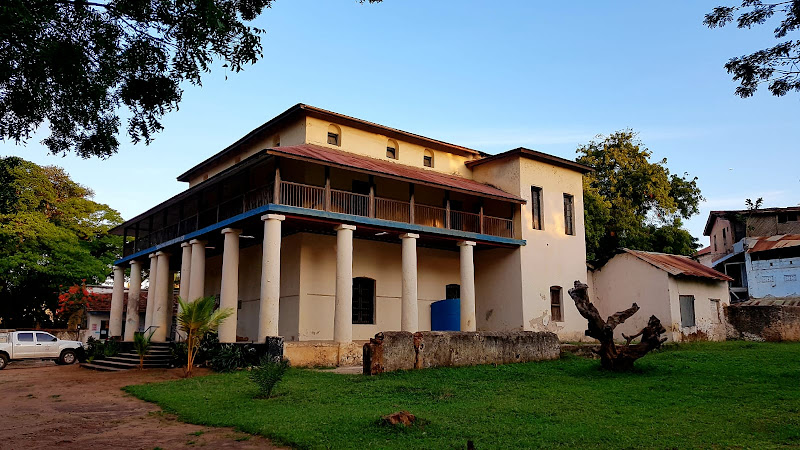
Malindi Museum

Ndoro Sculpture Garden by appointment only
Find Accommodations Nearby
Recommended Tours & Activities
Visitor Reviews
There are no reviews yet. Be the first one to write one.
Share Your Experience
Have you visited Malindi? Help other travelers by leaving a review.