
Mafraq Governorate
About Mafraq Governorate
Description
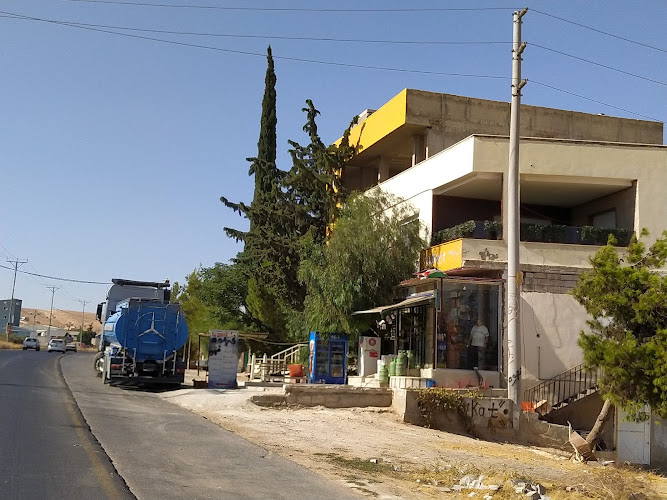
Let me tell you about Mafraq - it's one of those places in Jordan that most tourists zoom past on their way to somewhere else, but I've found it's got its own special charm. Located in the northeastern part of Jordan, this sprawling governorate might look a bit rugged at first glance, but that's exactly what makes it interesting. Trust me, after spending time exploring this region, I've discovered there's more here than meets the eye. The landscape here is incredibly diverse - we're talking vast desert plains that stretch as far as you can see, mixed with patches of fertile farmland where local families have worked the soil for generations. The city of Mafraq itself serves as the capital of the governorate, and while it might not have the glitz of Amman, it's got this authentic Jordanian vibe that I absolutely love.Key Features
• Strategic location at the crossroads of Syria, Iraq, and Saudi Arabia, making it a fascinating melting pot of cultures • Rich archaeological sites scattered throughout the region, many still relatively unexplored • Traditional Bedouin communities where ancient hospitality traditions are still very much alive • Agricultural heartland with extensive farming operations • Historical military significance with several bases that played crucial roles in regional history • Ancient trade routes that once connected civilizations now serve as unique historical trails • Local markets where you can experience authentic Jordanian daily life • Striking desert landscapes that transform dramatically with the seasonsBest Time to Visit
I'd say spring (March to May) is absolutely perfect for exploring Mafraq. The weather is just right - not too hot like the scorching summers, and not too cold like the winter months. Plus, if you're lucky enough to visit after some rain, you might catch the desert briefly transforming into a carpet of wildflowers. Fall (September to November) is pretty great too, with mild temperatures that make outdoor exploration comfortable. Summer temperatures can soar above 95°F (35°C), and believe me, that desert sun is no joke. Winter can get surprisingly cold, and sometimes it even snows in higher elevations - bet you didn't expect that in Jordan!How to Get There
Getting to Mafraq is pretty straightforward. The governorate is about an hour's drive northeast from Amman, and the roads are generally in good condition. You can catch regular buses from Amman's North Bus Station - they run every hour or so during daylight hours. If you're like me and prefer more flexibility, renting a car is a great option. The main highways are well-maintained, though some of the more remote areas might require a 4x4 vehicle. From the airport, you're looking at roughly a 90-minute drive. Taxis are available, but make sure to agree on the fare beforehand - I learned that lesson the hard way on my first visit!Tips for Visiting
Look, I'm gonna be straight with you - Mafraq isn't your typical tourist destination, and that's exactly why it's special. Pack plenty of water, seriously. The desert climate is no joke, and you'll need more than you think. Bring a good hat and sunscreen too - the sun here means business. Respect local customs - this is a conservative area, so dress modestly. Long pants and covered shoulders are appreciated. If you're invited into someone's home (and trust me, Jordanian hospitality means this is likely), always accept the coffee or tea offered - it's considered rude not to. Learning a few Arabic phrases goes a long way here. Just saying "shukran" (thank you) will get you so many smiles. The locals really appreciate any effort to speak their language. Try to carry small bills - many local shops and vendors might struggle with large denominations. And don't forget to carry some cash - not everywhere accepts cards, especially in the smaller towns. If you're planning to explore the more remote areas, consider hiring a local guide. They know the terrain and can share stories about the region that you won't find in any guidebook. I once had a guide who showed me ancient cave drawings I would've completely missed on my own. Remember that this region operates on "desert time" - things move a bit slower here, and that's part of its charm. Embrace it. Some of my best memories are from unexpected detours and conversations with locals that happened because I wasn't rushing around with a strict schedule. Keep your camera ready - the desert landscapes here are incredibly photogenic, especially during sunrise and sunset. And if you're into archaeology, bring good walking shoes - there are numerous historical sites scattered throughout the region, many of them requiring a bit of hiking to reach.Key Features
- Key Features
- Best Time to Visit
- How to Get There
- Tips for Visiting
More Details
Updated May 21, 2025
Table of Contents
Description
Let me tell you about Mafraq – it’s one of those places in Jordan that most tourists zoom past on their way to somewhere else, but I’ve found it’s got its own special charm. Located in the northeastern part of Jordan, this sprawling governorate might look a bit rugged at first glance, but that’s exactly what makes it interesting. Trust me, after spending time exploring this region, I’ve discovered there’s more here than meets the eye.
The landscape here is incredibly diverse – we’re talking vast desert plains that stretch as far as you can see, mixed with patches of fertile farmland where local families have worked the soil for generations. The city of Mafraq itself serves as the capital of the governorate, and while it might not have the glitz of Amman, it’s got this authentic Jordanian vibe that I absolutely love.
Key Features
• Strategic location at the crossroads of Syria, Iraq, and Saudi Arabia, making it a fascinating melting pot of cultures
• Rich archaeological sites scattered throughout the region, many still relatively unexplored
• Traditional Bedouin communities where ancient hospitality traditions are still very much alive
• Agricultural heartland with extensive farming operations
• Historical military significance with several bases that played crucial roles in regional history
• Ancient trade routes that once connected civilizations now serve as unique historical trails
• Local markets where you can experience authentic Jordanian daily life
• Striking desert landscapes that transform dramatically with the seasons
Best Time to Visit
I’d say spring (March to May) is absolutely perfect for exploring Mafraq. The weather is just right – not too hot like the scorching summers, and not too cold like the winter months. Plus, if you’re lucky enough to visit after some rain, you might catch the desert briefly transforming into a carpet of wildflowers. Fall (September to November) is pretty great too, with mild temperatures that make outdoor exploration comfortable.
Summer temperatures can soar above 95°F (35°C), and believe me, that desert sun is no joke. Winter can get surprisingly cold, and sometimes it even snows in higher elevations – bet you didn’t expect that in Jordan!
How to Get There
Getting to Mafraq is pretty straightforward. The governorate is about an hour’s drive northeast from Amman, and the roads are generally in good condition. You can catch regular buses from Amman’s North Bus Station – they run every hour or so during daylight hours. If you’re like me and prefer more flexibility, renting a car is a great option. The main highways are well-maintained, though some of the more remote areas might require a 4×4 vehicle.
From the airport, you’re looking at roughly a 90-minute drive. Taxis are available, but make sure to agree on the fare beforehand – I learned that lesson the hard way on my first visit!
Tips for Visiting
Look, I’m gonna be straight with you – Mafraq isn’t your typical tourist destination, and that’s exactly why it’s special. Pack plenty of water, seriously. The desert climate is no joke, and you’ll need more than you think. Bring a good hat and sunscreen too – the sun here means business.
Respect local customs – this is a conservative area, so dress modestly. Long pants and covered shoulders are appreciated. If you’re invited into someone’s home (and trust me, Jordanian hospitality means this is likely), always accept the coffee or tea offered – it’s considered rude not to.
Learning a few Arabic phrases goes a long way here. Just saying “shukran” (thank you) will get you so many smiles. The locals really appreciate any effort to speak their language.
Try to carry small bills – many local shops and vendors might struggle with large denominations. And don’t forget to carry some cash – not everywhere accepts cards, especially in the smaller towns.
If you’re planning to explore the more remote areas, consider hiring a local guide. They know the terrain and can share stories about the region that you won’t find in any guidebook. I once had a guide who showed me ancient cave drawings I would’ve completely missed on my own.
Remember that this region operates on “desert time” – things move a bit slower here, and that’s part of its charm. Embrace it. Some of my best memories are from unexpected detours and conversations with locals that happened because I wasn’t rushing around with a strict schedule.
Keep your camera ready – the desert landscapes here are incredibly photogenic, especially during sunrise and sunset. And if you’re into archaeology, bring good walking shoes – there are numerous historical sites scattered throughout the region, many of them requiring a bit of hiking to reach.
Key Highlights
- Key Features
- Best Time to Visit
- How to Get There
- Tips for Visiting
Location
Places to Stay Near Mafraq Governorate
Find and Book a Tour
Explore More Travel Guides
No reviews found! Be the first to review!
Traveler Reviews for Mafraq Governorate
There are no reviews yet. Be the first one to write one.
Have you visited Mafraq Governorate? Help other travelers by sharing your review.
You Might Also Like
Ma

Irbid Aquapark

Al-Ghandour Beach
Find Accommodations Nearby
Recommended Tours & Activities
Visitor Reviews
There are no reviews yet. Be the first one to write one.
Share Your Experience
Have you visited Mafraq Governorate? Help other travelers by leaving a review.