
Luís I Bridge
About Luís I Bridge
Description
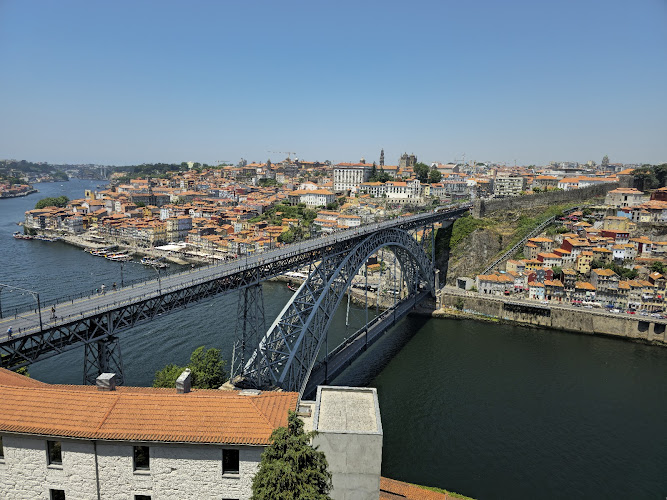
The Luís I Bridge, officially called Ponte de Dom Luís I, is one of those structures that seem to have a soul of their own. Spanning the Douro River between Porto and Vila Nova de Gaia, this double-deck metal arch bridge is more than just a way to get from one side to the other—it’s a living piece of Portuguese history. Designed by Téophile Seyrig, a student and business partner of Gustave Eiffel, the bridge opened in 1886 and quickly became an icon of Porto’s skyline. You can feel the industrial age ambition in every rivet and curve of its 172-meter iron arch, which was once the longest of its kind in the world.
Standing on the top deck, with the metro gliding past and the wind brushing off the Douro, you can see why people fall in love with this spot. The view from up there is something else—terracotta rooftops tumbling down the hillsides, church spires poking the sky, and the river shimmering like melted glass below. The lower deck, meanwhile, buzzes with cars, cyclists, and pedestrians, creating a constant rhythm that feels uniquely Porto.
Of course, not everyone finds the bridge perfect. Some visitors mention the crowds, especially during sunset, and the steep climbs leading up to it. But even those who grumble about the walk usually end up admitting it was worth it. There’s a certain magic to the way the bridge connects not just two cities, but two worlds—Porto’s historic Ribeira district and Gaia’s famous wine cellars. It’s as if the bridge itself tells a story of connection, resilience, and beauty forged in iron.
Key Features
- Double-deck structure: The upper deck carries the Porto Metro’s Line D and pedestrians, while the lower deck is open to vehicles and foot traffic.
- Architectural heritage: Designed by Téophile Seyrig, a disciple of Gustave Eiffel, showcasing 19th-century engineering brilliance.
- Panoramic views: Offers sweeping vistas of Porto’s Ribeira district, the Douro River, and Vila Nova de Gaia’s wine lodges.
- Historic significance: Replaced an older suspension bridge in the late 19th century, marking Porto’s leap into modern infrastructure.
- Accessibility: The upper deck is wheelchair accessible, though the steep approaches may require assistance.
- Nighttime illumination: The bridge glows beautifully after sunset, making it a favorite spot for photographers and romantics alike.
Best Time to Visit
If you ask locals when to visit, most will tell you early morning or late afternoon. The light is softer, the crowds thinner, and the air carries that faint scent of the river mixed with roasted chestnuts from street vendors. Sunset, of course, is the golden hour—literally. The bridge turns into a stage for one of the most breathtaking light shows nature can offer. But be warned, you won’t be alone. Dozens of travelers, photographers, and couples gather to watch the sun dip behind Porto’s orange rooftops.
In summer, the heat can be intense, especially around midday, so bring water and maybe a hat. Winter has its charm too—mist rolling over the Douro gives the bridge a moody, almost cinematic feel. I once crossed it on a foggy December morning, and it felt like stepping into a black-and-white film. If you love that kind of atmosphere, you’ll adore it.
How to Get There
Getting to the Luís I Bridge is pretty straightforward. If you’re in Porto’s Ribeira district, you can walk up through the narrow cobbled streets to reach the lower deck. It’s a bit of a climb, but every turn rewards you with postcard-worthy views. For the upper deck, hop on the Porto Metro Line D (the yellow line) and get off at the Jardim do Morro station on the Gaia side or São Bento station on the Porto side. From there, it’s just a short stroll onto the bridge.
You can also take a taxi or rideshare to either end of the bridge, though traffic can be slow, especially during peak tourist hours. Personally, I think walking is the way to go. There’s something special about feeling the bridge beneath your feet, hearing the hum of the metro above, and watching the river sparkle below.
Tips for Visiting
Here’s the thing about the Luís I Bridge—it’s best experienced slowly. Don’t rush across it like you’re late for a train. Take your time, pause midway, let the city unfold around you. And if you’re into photography, this place is pure gold. Early mornings give you that soft, pastel light, while evenings offer fiery sunsets that turn the Douro into a mirror of gold and crimson.
One tip I learned the hard way: wear comfortable shoes. The approaches can be steep, and the cobblestones are charming but not exactly kind to your feet. Also, keep an eye out for trams and bikes on the lower deck—they move fast, and it’s easy to get distracted by the view.
If you’re afraid of heights, you might want to stick to the lower deck. The upper one is high—about 45 meters above the river—and though it’s safe, the open sides can make your stomach flutter a bit. But if you can handle it, the reward is worth it. The panoramic view from up there is unforgettable.
For wheelchair users, the upper deck is accessible from the Gaia side via the Jardim do Morro station, which has elevators. There aren’t restrooms on the bridge itself, so plan accordingly. And if you’re visiting after dark, stay alert—while the area is generally safe, it’s best to keep your belongings close, just like in any busy tourist spot.
One last bit of advice: after crossing into Gaia, grab a glass of port wine at one of the nearby cellars. It’s the perfect way to toast the experience. Watching the bridge from the opposite bank, with the city lights twinkling in the background, feels like the perfect ending to a day in Porto.
In a world full of modern marvels, the Luís I Bridge stands out because it’s not just about engineering—it’s about emotion. It’s about the connection between two cities, two shores, and countless travelers who’ve walked its iron bones and left with a memory they’ll carry forever. Whether you’re a history buff, a photographer, or just someone who loves a good view, this bridge will leave its mark on you. And honestly, that’s what great travel is all about.
Key Features
- Key Features
- Best Time to Visit
- How to Get There
- Tips for Visiting
More Details
Updated November 10, 2025
Table of Contents
Description
The Luís I Bridge, officially called Ponte de Dom Luís I, is one of those structures that seem to have a soul of their own. Spanning the Douro River between Porto and Vila Nova de Gaia, this double-deck metal arch bridge is more than just a way to get from one side to the other—it’s a living piece of Portuguese history. Designed by Téophile Seyrig, a student and business partner of Gustave Eiffel, the bridge opened in 1886 and quickly became an icon of Porto’s skyline. You can feel the industrial age ambition in every rivet and curve of its 172-meter iron arch, which was once the longest of its kind in the world.
Standing on the top deck, with the metro gliding past and the wind brushing off the Douro, you can see why people fall in love with this spot. The view from up there is something else—terracotta rooftops tumbling down the hillsides, church spires poking the sky, and the river shimmering like melted glass below. The lower deck, meanwhile, buzzes with cars, cyclists, and pedestrians, creating a constant rhythm that feels uniquely Porto.
Of course, not everyone finds the bridge perfect. Some visitors mention the crowds, especially during sunset, and the steep climbs leading up to it. But even those who grumble about the walk usually end up admitting it was worth it. There’s a certain magic to the way the bridge connects not just two cities, but two worlds—Porto’s historic Ribeira district and Gaia’s famous wine cellars. It’s as if the bridge itself tells a story of connection, resilience, and beauty forged in iron.
Key Features
- Double-deck structure: The upper deck carries the Porto Metro’s Line D and pedestrians, while the lower deck is open to vehicles and foot traffic.
- Architectural heritage: Designed by Téophile Seyrig, a disciple of Gustave Eiffel, showcasing 19th-century engineering brilliance.
- Panoramic views: Offers sweeping vistas of Porto’s Ribeira district, the Douro River, and Vila Nova de Gaia’s wine lodges.
- Historic significance: Replaced an older suspension bridge in the late 19th century, marking Porto’s leap into modern infrastructure.
- Accessibility: The upper deck is wheelchair accessible, though the steep approaches may require assistance.
- Nighttime illumination: The bridge glows beautifully after sunset, making it a favorite spot for photographers and romantics alike.
Best Time to Visit
If you ask locals when to visit, most will tell you early morning or late afternoon. The light is softer, the crowds thinner, and the air carries that faint scent of the river mixed with roasted chestnuts from street vendors. Sunset, of course, is the golden hour—literally. The bridge turns into a stage for one of the most breathtaking light shows nature can offer. But be warned, you won’t be alone. Dozens of travelers, photographers, and couples gather to watch the sun dip behind Porto’s orange rooftops.
In summer, the heat can be intense, especially around midday, so bring water and maybe a hat. Winter has its charm too—mist rolling over the Douro gives the bridge a moody, almost cinematic feel. I once crossed it on a foggy December morning, and it felt like stepping into a black-and-white film. If you love that kind of atmosphere, you’ll adore it.
How to Get There
Getting to the Luís I Bridge is pretty straightforward. If you’re in Porto’s Ribeira district, you can walk up through the narrow cobbled streets to reach the lower deck. It’s a bit of a climb, but every turn rewards you with postcard-worthy views. For the upper deck, hop on the Porto Metro Line D (the yellow line) and get off at the Jardim do Morro station on the Gaia side or São Bento station on the Porto side. From there, it’s just a short stroll onto the bridge.
You can also take a taxi or rideshare to either end of the bridge, though traffic can be slow, especially during peak tourist hours. Personally, I think walking is the way to go. There’s something special about feeling the bridge beneath your feet, hearing the hum of the metro above, and watching the river sparkle below.
Tips for Visiting
Here’s the thing about the Luís I Bridge—it’s best experienced slowly. Don’t rush across it like you’re late for a train. Take your time, pause midway, let the city unfold around you. And if you’re into photography, this place is pure gold. Early mornings give you that soft, pastel light, while evenings offer fiery sunsets that turn the Douro into a mirror of gold and crimson.
One tip I learned the hard way: wear comfortable shoes. The approaches can be steep, and the cobblestones are charming but not exactly kind to your feet. Also, keep an eye out for trams and bikes on the lower deck—they move fast, and it’s easy to get distracted by the view.
If you’re afraid of heights, you might want to stick to the lower deck. The upper one is high—about 45 meters above the river—and though it’s safe, the open sides can make your stomach flutter a bit. But if you can handle it, the reward is worth it. The panoramic view from up there is unforgettable.
For wheelchair users, the upper deck is accessible from the Gaia side via the Jardim do Morro station, which has elevators. There aren’t restrooms on the bridge itself, so plan accordingly. And if you’re visiting after dark, stay alert—while the area is generally safe, it’s best to keep your belongings close, just like in any busy tourist spot.
One last bit of advice: after crossing into Gaia, grab a glass of port wine at one of the nearby cellars. It’s the perfect way to toast the experience. Watching the bridge from the opposite bank, with the city lights twinkling in the background, feels like the perfect ending to a day in Porto.
In a world full of modern marvels, the Luís I Bridge stands out because it’s not just about engineering—it’s about emotion. It’s about the connection between two cities, two shores, and countless travelers who’ve walked its iron bones and left with a memory they’ll carry forever. Whether you’re a history buff, a photographer, or just someone who loves a good view, this bridge will leave its mark on you. And honestly, that’s what great travel is all about.
Key Highlights
- Key Features
- Best Time to Visit
- How to Get There
- Tips for Visiting
Location
Places to Stay Near Luís I Bridge
Find and Book a Tour
Explore More Travel Guides
No reviews found! Be the first to review!
Traveler Reviews for Luís I Bridge
There are no reviews yet. Be the first one to write one.
Have you visited Luís I Bridge? Help other travelers by sharing your review.
You Might Also Like
Parque das Águas
Feira dos Passarinhos
Igreja de Santa Clara
Find Accommodations Nearby
Recommended Tours & Activities
Visitor Reviews
There are no reviews yet. Be the first one to write one.
Share Your Experience
Have you visited Luís I Bridge? Help other travelers by leaving a review.