
Kunta Kinte – Alex Haley Memorial
About Kunta Kinte – Alex Haley Memorial
Description
The Kunta Kinte - Alex Haley Memorial stands as a quiet but powerful reminder of American history, right where the waters of the Severn River meet the city. It isn’t loud. It doesn’t overwhelm you with plaques or flashing displays. And honestly, that’s part of why it works. This memorial asks you to slow down, to listen, and to think. Travelers who come here often say they didn’t expect to feel so much from a single statue, but then again, history has a way of sneaking up on you.
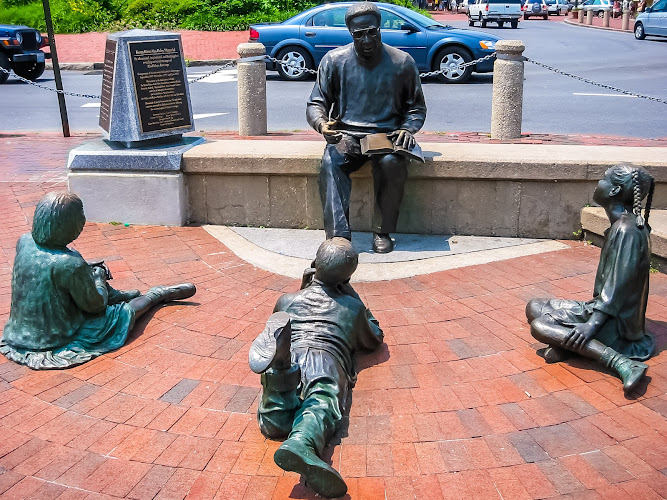
The memorial honors Kunta Kinte, the African man whose story was immortalized in Alex Haley’s book Roots. Haley traced his ancestry back to The Gambia, and this site recognizes that journey from Africa to America, from bondage to remembrance. The bronze figures show Alex Haley seated with children, telling the story. And if you stand there for a moment, you can almost hear it being told again. I remember visiting on a warm afternoon and noticing how kids nearby naturally sat on the steps, like the sculpture invited them in. That felt intentional. History as a conversation, not a lecture.
For travelers interested in African American history, genealogy, or meaningful landmarks, this memorial hits differently than a typical tourist attraction. It’s outdoors, open, and woven into daily life. Joggers pass by. Families pause. Couples take photos. Some folks cry quietly, others just stare at the water. And that mix of reactions says a lot. The space doesn’t tell you how to feel. It just gives you room to feel something real.
It’s also worth saying that this memorial isn’t perfect. Some visitors expect a larger complex or a museum-style experience and feel a bit surprised by its simplicity. But if you arrive understanding that this is a symbolic place rather than a sprawling exhibit, you’ll get it. The simplicity keeps the focus where it belongs, on story, memory, and legacy.
From an SEO perspective, travelers often search for historic memorials, cultural attractions, and meaningful statues to visit, and this site fits all of those boxes. But more than that, it’s the kind of place that stays with you long after you leave. I still think about it when conversations about roots, identity, or freedom come up. And that, to me, is the mark of a place worth visiting.
Key Features
- Life-sized bronze statue depicting Alex Haley sharing the story of Kunta Kinte with children
- Outdoor memorial setting with open views toward the water
- Interpretive inscriptions that explain the historical significance without overwhelming detail
- Wheelchair accessible entrance and parking, making it easy for all travelers to experience
- On-site parking nearby, which is honestly a relief when you’re exploring on foot
- A calm, reflective atmosphere that encourages personal connection and quiet thought
Best Time to Visit
The memorial can be visited year-round, but timing does matter if you want the best experience. Late spring and early fall are ideal. The weather tends to cooperate, and the light, especially in the morning or near sunset, gives the statue a soft glow that photographers love. I once stopped by in early autumn, hoodie weather, and it felt just right. Not rushed. Not crowded. Just peaceful.
Summer brings more foot traffic, especially on weekends, since it’s a popular season for travelers and local events. If you don’t mind sharing the space with others, summer is still a solid choice. Early mornings are quieter, and you might even catch someone reading the inscriptions aloud to their kids, which is kind of beautiful.
Winter visits are less common, but there’s something striking about seeing the memorial against a gray sky. It feels heavier, more solemn. If you’re the type who enjoys reflective travel and doesn’t mind the cold, winter offers a different, more introspective mood.
Weekdays are generally calmer than weekends. If you want time to sit, think, or take photos without feeling rushed, aim for a weekday morning. But if you like energy and people-watching, weekends have their own charm. Neither is wrong. It just depends on what kind of experience you’re after.
How to Get There
Getting to the Kunta Kinte - Alex Haley Memorial is fairly straightforward, especially for travelers already exploring the surrounding historic areas. It’s located in a walkable part of town, so many visitors arrive on foot after sightseeing nearby. And honestly, walking up to it feels right. You see the space open up gradually, which adds to the sense of arrival.
For those driving, on-site parking is available, which removes a lot of the stress that can come with visiting popular attractions. Parking close by makes it easier for families, older travelers, or anyone with mobility concerns. The memorial is also wheelchair accessible, from the parking area to the viewing space itself, which is something not every historic attraction gets right.
Public transportation can also be an option, depending on where you’re staying. From there, it’s usually a short walk. If you’re using rideshare services, drivers typically know the area well, and drop-off points are convenient.
One small tip from personal experience: give yourself extra time to approach on foot, even if you’re running late. Rushing into a place like this kind of defeats the purpose. Slow down a bit. Let the place meet you where you are.
Tips for Visiting
First tip, and this might sound obvious, but give yourself permission to linger. This isn’t a check-the-box attraction. Sit on the steps. Read the inscriptions more than once. Watch how other people interact with the space. You’ll notice things you’d miss if you stayed only five minutes.
Second, bring kids if you’re traveling with them. The memorial is designed around storytelling, and children seem naturally drawn to it. I’ve seen kids ask big questions here, the kind adults sometimes avoid. That alone makes the visit worthwhile.
Photography is welcome, but be mindful. This is a place of reflection for many visitors. Quick snaps are fine, but maybe avoid treating it like a backdrop for loud or staged photos. Respect goes a long way.
If you’re interested in genealogy or African American history, consider doing a bit of reading beforehand. Knowing more about Alex Haley and the story of Roots adds depth to the experience. But even if you arrive with zero background, the memorial still communicates its message clearly.
Wear comfortable shoes. Even though the memorial itself doesn’t require much walking, most travelers combine it with exploring nearby areas. And trust me, standing still on stone steps for a while can be harder on your feet than you think.
Lastly, don’t rush off immediately after. Take a few minutes to reflect, maybe jot down a thought or two. Places like this don’t come along often in travel. They remind you that trips aren’t just about photos or souvenirs. Sometimes, they’re about understanding where stories begin, and how they continue through you.
The Kunta Kinte - Alex Haley Memorial offers travelers more than a visual landmark. It offers a moment. And in a world where moments feel rushed and noisy, that’s a rare thing indeed.
Key Features
- Life-sized bronze statue depicting Alex Haley sharing the story of Kunta Kinte with children
- Outdoor memorial setting with open views toward the water
- Interpretive inscriptions that explain the historical significance without overwhelming detail
- Wheelchair accessible entrance and parking, making it easy for all travelers to experience
- On-site parking nearby, which is honestly a relief when you’re exploring on foot
- A calm, reflective atmosphere that encourages personal connection and quiet thought
More Details
Updated December 31, 2025
Table of Contents
Description
The Kunta Kinte – Alex Haley Memorial stands as a quiet but powerful reminder of American history, right where the waters of the Severn River meet the city. It isn’t loud. It doesn’t overwhelm you with plaques or flashing displays. And honestly, that’s part of why it works. This memorial asks you to slow down, to listen, and to think. Travelers who come here often say they didn’t expect to feel so much from a single statue, but then again, history has a way of sneaking up on you.
The memorial honors Kunta Kinte, the African man whose story was immortalized in Alex Haley’s book Roots. Haley traced his ancestry back to The Gambia, and this site recognizes that journey from Africa to America, from bondage to remembrance. The bronze figures show Alex Haley seated with children, telling the story. And if you stand there for a moment, you can almost hear it being told again. I remember visiting on a warm afternoon and noticing how kids nearby naturally sat on the steps, like the sculpture invited them in. That felt intentional. History as a conversation, not a lecture.
For travelers interested in African American history, genealogy, or meaningful landmarks, this memorial hits differently than a typical tourist attraction. It’s outdoors, open, and woven into daily life. Joggers pass by. Families pause. Couples take photos. Some folks cry quietly, others just stare at the water. And that mix of reactions says a lot. The space doesn’t tell you how to feel. It just gives you room to feel something real.
It’s also worth saying that this memorial isn’t perfect. Some visitors expect a larger complex or a museum-style experience and feel a bit surprised by its simplicity. But if you arrive understanding that this is a symbolic place rather than a sprawling exhibit, you’ll get it. The simplicity keeps the focus where it belongs, on story, memory, and legacy.
From an SEO perspective, travelers often search for historic memorials, cultural attractions, and meaningful statues to visit, and this site fits all of those boxes. But more than that, it’s the kind of place that stays with you long after you leave. I still think about it when conversations about roots, identity, or freedom come up. And that, to me, is the mark of a place worth visiting.
Key Features
- Life-sized bronze statue depicting Alex Haley sharing the story of Kunta Kinte with children
- Outdoor memorial setting with open views toward the water
- Interpretive inscriptions that explain the historical significance without overwhelming detail
- Wheelchair accessible entrance and parking, making it easy for all travelers to experience
- On-site parking nearby, which is honestly a relief when you’re exploring on foot
- A calm, reflective atmosphere that encourages personal connection and quiet thought
Best Time to Visit
The memorial can be visited year-round, but timing does matter if you want the best experience. Late spring and early fall are ideal. The weather tends to cooperate, and the light, especially in the morning or near sunset, gives the statue a soft glow that photographers love. I once stopped by in early autumn, hoodie weather, and it felt just right. Not rushed. Not crowded. Just peaceful.
Summer brings more foot traffic, especially on weekends, since it’s a popular season for travelers and local events. If you don’t mind sharing the space with others, summer is still a solid choice. Early mornings are quieter, and you might even catch someone reading the inscriptions aloud to their kids, which is kind of beautiful.
Winter visits are less common, but there’s something striking about seeing the memorial against a gray sky. It feels heavier, more solemn. If you’re the type who enjoys reflective travel and doesn’t mind the cold, winter offers a different, more introspective mood.
Weekdays are generally calmer than weekends. If you want time to sit, think, or take photos without feeling rushed, aim for a weekday morning. But if you like energy and people-watching, weekends have their own charm. Neither is wrong. It just depends on what kind of experience you’re after.
How to Get There
Getting to the Kunta Kinte – Alex Haley Memorial is fairly straightforward, especially for travelers already exploring the surrounding historic areas. It’s located in a walkable part of town, so many visitors arrive on foot after sightseeing nearby. And honestly, walking up to it feels right. You see the space open up gradually, which adds to the sense of arrival.
For those driving, on-site parking is available, which removes a lot of the stress that can come with visiting popular attractions. Parking close by makes it easier for families, older travelers, or anyone with mobility concerns. The memorial is also wheelchair accessible, from the parking area to the viewing space itself, which is something not every historic attraction gets right.
Public transportation can also be an option, depending on where you’re staying. From there, it’s usually a short walk. If you’re using rideshare services, drivers typically know the area well, and drop-off points are convenient.
One small tip from personal experience: give yourself extra time to approach on foot, even if you’re running late. Rushing into a place like this kind of defeats the purpose. Slow down a bit. Let the place meet you where you are.
Tips for Visiting
First tip, and this might sound obvious, but give yourself permission to linger. This isn’t a check-the-box attraction. Sit on the steps. Read the inscriptions more than once. Watch how other people interact with the space. You’ll notice things you’d miss if you stayed only five minutes.
Second, bring kids if you’re traveling with them. The memorial is designed around storytelling, and children seem naturally drawn to it. I’ve seen kids ask big questions here, the kind adults sometimes avoid. That alone makes the visit worthwhile.
Photography is welcome, but be mindful. This is a place of reflection for many visitors. Quick snaps are fine, but maybe avoid treating it like a backdrop for loud or staged photos. Respect goes a long way.
If you’re interested in genealogy or African American history, consider doing a bit of reading beforehand. Knowing more about Alex Haley and the story of Roots adds depth to the experience. But even if you arrive with zero background, the memorial still communicates its message clearly.
Wear comfortable shoes. Even though the memorial itself doesn’t require much walking, most travelers combine it with exploring nearby areas. And trust me, standing still on stone steps for a while can be harder on your feet than you think.
Lastly, don’t rush off immediately after. Take a few minutes to reflect, maybe jot down a thought or two. Places like this don’t come along often in travel. They remind you that trips aren’t just about photos or souvenirs. Sometimes, they’re about understanding where stories begin, and how they continue through you.
The Kunta Kinte – Alex Haley Memorial offers travelers more than a visual landmark. It offers a moment. And in a world where moments feel rushed and noisy, that’s a rare thing indeed.
Key Highlights
- Life-sized bronze statue depicting Alex Haley sharing the story of Kunta Kinte with children
- Outdoor memorial setting with open views toward the water
- Interpretive inscriptions that explain the historical significance without overwhelming detail
- Wheelchair accessible entrance and parking, making it easy for all travelers to experience
- On-site parking nearby, which is honestly a relief when you’re exploring on foot
- A calm, reflective atmosphere that encourages personal connection and quiet thought
Location
Places to Stay Near Kunta Kinte - Alex Haley Memorial
Find and Book a Tour
Explore More Travel Guides
No reviews found! Be the first to review!
Traveler Reviews for Kunta Kinte – Alex Haley Memorial
There are no reviews yet. Be the first one to write one.
Have you visited Kunta Kinte – Alex Haley Memorial? Help other travelers by sharing your review.
You Might Also Like
Annapolis Waterworks Park

Annapolis Tours by Watermark
Quiet Waters Park
Find Accommodations Nearby
Recommended Tours & Activities
Visitor Reviews
There are no reviews yet. Be the first one to write one.
Share Your Experience
Have you visited Kunta Kinte – Alex Haley Memorial? Help other travelers by leaving a review.