
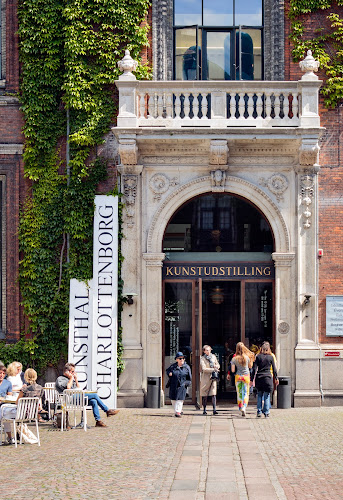
Kunsthal Charlottenborg
About Kunsthal Charlottenborg
Description
Kunsthal Charlottenborg is one of those places that quietly sneaks up on you. At first glance, it looks like another grand European palace—ornate, symmetrical, and a bit intimidating. But step inside, and you’re hit with an entirely different energy. What was once a 17th-century baroque palace has reinvented itself as one of Northern Europe’s most dynamic spaces for contemporary art. It’s bold, sometimes strange, often beautiful, and always thought-provoking. And yes, sometimes it makes you scratch your head—but that’s part of the fun.
The museum sits in the heart of Copenhagen, just a short walk from the canals and colorful harborfront. It’s the official exhibition gallery of the Royal Danish Academy of Fine Arts, which gives it a certain pedigree. But don’t expect dusty old portraits or endless marble busts. Kunsthal Charlottenborg thrives on experimentation. It’s where emerging artists share the stage with international names, and where installations spill out into courtyards or hang from ceilings in ways that make you wonder how they even got there.
I remember wandering through one exhibition that filled the entire hall with soft, glowing fabric tunnels. You had to crawl through them to see the next piece. It was weirdly intimate and oddly calming, and I left feeling like I’d been part of something rather than just an observer. That’s the kind of experience Kunsthal Charlottenborg delivers—art that doesn’t just sit on walls but pulls you into its orbit. Of course, not every exhibit hits the mark for every visitor. Some people find it too abstract or conceptual, but that’s the beauty of it—you never quite know what you’re going to get.
The building itself is a masterpiece of Dutch baroque architecture, with elegant courtyards and tall windows that flood the galleries with natural light. There’s a certain poetry in seeing cutting-edge installations framed by centuries-old walls. It’s a dialogue between past and present, tradition and rebellion. And honestly, that tension is what gives the place its magic.
Key Features
- Historic Setting: Originally built in 1672, the palace is a prime example of Dutch baroque design, blending architectural heritage with modern creativity.
- Contemporary Art Exhibitions: Features rotating exhibitions from both Danish and international artists, showcasing everything from immersive installations to digital art and performance pieces.
- Performance and Concert Space: Beyond visual art, the venue regularly hosts live performances, talks, and experimental music events that push boundaries.
- Accessibility: The museum offers wheelchair-accessible entrances and restrooms, making it inclusive for all visitors.
- On-site Amenities: Includes a cozy café and restaurant that serve locally inspired dishes, as well as gender-neutral restrooms and comfortable facilities.
- Connection to the Academy: As part of the Royal Danish Academy of Fine Arts, it remains a hub for emerging talent and creative dialogue.
- Architectural Charm: Its spacious courtyards and grand staircases provide a serene contrast to the bold, modern works inside.
Every corner of Kunsthal Charlottenborg feels intentional. You can tell the curators care deeply about the experience—how light hits the floor, how sound echoes through the halls, how the art interacts with the architecture. It’s not just about displaying art; it’s about creating an atmosphere where ideas feel alive.
Best Time to Visit
Honestly, there’s no bad time to visit Kunsthal Charlottenborg, but each season offers its own charm. Spring and early summer are particularly lovely because you can pair your visit with a stroll around Nyhavn’s waterfront or grab a coffee in the sun-drenched courtyard afterward. The light in Copenhagen during those months is soft and golden—it makes everything feel cinematic. Autumn, on the other hand, brings a quieter, more introspective vibe. The crowds thin out, and the exhibitions often take on a deeper, moodier tone that matches the weather.
If you’re someone who enjoys seeing new exhibitions, check the museum’s schedule before you go. The lineup changes several times a year, so there’s always something fresh to discover. Personally, I prefer visiting on weekday mornings. It’s calmer then, and you can take your time wandering through the galleries without feeling rushed. Plus, the café is less crowded, which means you can snag a good seat by the window and watch the world go by.
How to Get There
Getting to Kunsthal Charlottenborg is refreshingly easy, especially if you’re already exploring central Copenhagen. It’s located right near the Nyhavn district, one of the city’s most iconic spots. You can reach it on foot from most major attractions, which makes it a perfect stop on a walking tour of the city. If you prefer public transport, hop on the metro and get off at Kongens Nytorv station—it’s just a short walk from there.
For those traveling by bike (which, let’s be honest, is practically a Copenhagen tradition), there are plenty of bike racks nearby. And if you’re driving, there are parking options within walking distance, though they can fill up quickly on weekends. The area around the museum is pedestrian-friendly, so even the journey there feels like part of the experience. You’ll pass historic buildings, cozy cafes, and maybe a few street performers along the way—it’s all part of the city’s charm.
Tips for Visiting
Here’s the thing about Kunsthal Charlottenborg—it rewards curiosity. Don’t rush through it. Take your time to absorb the details, even if you don’t “get” every piece. Some installations only make sense after you’ve sat with them for a bit. Others might not make sense at all, and that’s perfectly fine. Art here isn’t about easy answers; it’s about sparking questions.
Bring a notebook or use your phone to jot down thoughts or artists’ names that catch your attention. You’ll thank yourself later when you’re trying to remember the name of that one artist who built a sculpture out of recycled electronics. And if you’re traveling with friends, compare notes afterward—you’ll be surprised how differently people interpret the same piece.
Wear comfortable shoes (trust me on this one). The galleries are spacious, and you’ll likely be on your feet for a couple of hours. If you need a break, the café downstairs is a gem. It’s the kind of place where you can sip coffee and watch art students sketch in the corner. The food’s good too—simple, fresh, and very Danish. I once had a piece of carrot cake there that I still think about sometimes.
Photography is generally allowed, but always check the signs or ask staff before snapping pictures. Some exhibitions have restrictions, especially those involving light-sensitive materials. The staff are friendly and happy to answer questions, so don’t hesitate to strike up a conversation. They often have insights that can completely change how you see a piece.
If you’re traveling with kids, it’s worth noting that while the museum isn’t specifically geared toward children, many installations are interactive enough to keep them engaged. And for visitors with accessibility needs, the facilities are thoughtfully designed—wheelchair access is smooth, and restrooms are inclusive and easy to find.
Finally, give yourself time afterward to linger in the courtyard. It’s one of those rare places in a busy city where you can actually hear yourself think. The mix of old architecture and modern art energy creates a kind of calm you don’t find everywhere. Whether you’re an art lover or just someone looking to experience a different side of Copenhagen, Kunsthal Charlottenborg leaves a mark. It’s not just a museum—it’s a conversation between centuries, and you’re invited to join in.
Key Features
- Key Features
- Best Time to Visit
- How to Get There
- Tips for Visiting
More Details
Updated October 11, 2025
Table of Contents
Description
Kunsthal Charlottenborg is one of those places that quietly sneaks up on you. At first glance, it looks like another grand European palace—ornate, symmetrical, and a bit intimidating. But step inside, and you’re hit with an entirely different energy. What was once a 17th-century baroque palace has reinvented itself as one of Northern Europe’s most dynamic spaces for contemporary art. It’s bold, sometimes strange, often beautiful, and always thought-provoking. And yes, sometimes it makes you scratch your head—but that’s part of the fun.
The museum sits in the heart of Copenhagen, just a short walk from the canals and colorful harborfront. It’s the official exhibition gallery of the Royal Danish Academy of Fine Arts, which gives it a certain pedigree. But don’t expect dusty old portraits or endless marble busts. Kunsthal Charlottenborg thrives on experimentation. It’s where emerging artists share the stage with international names, and where installations spill out into courtyards or hang from ceilings in ways that make you wonder how they even got there.
I remember wandering through one exhibition that filled the entire hall with soft, glowing fabric tunnels. You had to crawl through them to see the next piece. It was weirdly intimate and oddly calming, and I left feeling like I’d been part of something rather than just an observer. That’s the kind of experience Kunsthal Charlottenborg delivers—art that doesn’t just sit on walls but pulls you into its orbit. Of course, not every exhibit hits the mark for every visitor. Some people find it too abstract or conceptual, but that’s the beauty of it—you never quite know what you’re going to get.
The building itself is a masterpiece of Dutch baroque architecture, with elegant courtyards and tall windows that flood the galleries with natural light. There’s a certain poetry in seeing cutting-edge installations framed by centuries-old walls. It’s a dialogue between past and present, tradition and rebellion. And honestly, that tension is what gives the place its magic.
Key Features
- Historic Setting: Originally built in 1672, the palace is a prime example of Dutch baroque design, blending architectural heritage with modern creativity.
- Contemporary Art Exhibitions: Features rotating exhibitions from both Danish and international artists, showcasing everything from immersive installations to digital art and performance pieces.
- Performance and Concert Space: Beyond visual art, the venue regularly hosts live performances, talks, and experimental music events that push boundaries.
- Accessibility: The museum offers wheelchair-accessible entrances and restrooms, making it inclusive for all visitors.
- On-site Amenities: Includes a cozy café and restaurant that serve locally inspired dishes, as well as gender-neutral restrooms and comfortable facilities.
- Connection to the Academy: As part of the Royal Danish Academy of Fine Arts, it remains a hub for emerging talent and creative dialogue.
- Architectural Charm: Its spacious courtyards and grand staircases provide a serene contrast to the bold, modern works inside.
Every corner of Kunsthal Charlottenborg feels intentional. You can tell the curators care deeply about the experience—how light hits the floor, how sound echoes through the halls, how the art interacts with the architecture. It’s not just about displaying art; it’s about creating an atmosphere where ideas feel alive.
Best Time to Visit
Honestly, there’s no bad time to visit Kunsthal Charlottenborg, but each season offers its own charm. Spring and early summer are particularly lovely because you can pair your visit with a stroll around Nyhavn’s waterfront or grab a coffee in the sun-drenched courtyard afterward. The light in Copenhagen during those months is soft and golden—it makes everything feel cinematic. Autumn, on the other hand, brings a quieter, more introspective vibe. The crowds thin out, and the exhibitions often take on a deeper, moodier tone that matches the weather.
If you’re someone who enjoys seeing new exhibitions, check the museum’s schedule before you go. The lineup changes several times a year, so there’s always something fresh to discover. Personally, I prefer visiting on weekday mornings. It’s calmer then, and you can take your time wandering through the galleries without feeling rushed. Plus, the café is less crowded, which means you can snag a good seat by the window and watch the world go by.
How to Get There
Getting to Kunsthal Charlottenborg is refreshingly easy, especially if you’re already exploring central Copenhagen. It’s located right near the Nyhavn district, one of the city’s most iconic spots. You can reach it on foot from most major attractions, which makes it a perfect stop on a walking tour of the city. If you prefer public transport, hop on the metro and get off at Kongens Nytorv station—it’s just a short walk from there.
For those traveling by bike (which, let’s be honest, is practically a Copenhagen tradition), there are plenty of bike racks nearby. And if you’re driving, there are parking options within walking distance, though they can fill up quickly on weekends. The area around the museum is pedestrian-friendly, so even the journey there feels like part of the experience. You’ll pass historic buildings, cozy cafes, and maybe a few street performers along the way—it’s all part of the city’s charm.
Tips for Visiting
Here’s the thing about Kunsthal Charlottenborg—it rewards curiosity. Don’t rush through it. Take your time to absorb the details, even if you don’t “get” every piece. Some installations only make sense after you’ve sat with them for a bit. Others might not make sense at all, and that’s perfectly fine. Art here isn’t about easy answers; it’s about sparking questions.
Bring a notebook or use your phone to jot down thoughts or artists’ names that catch your attention. You’ll thank yourself later when you’re trying to remember the name of that one artist who built a sculpture out of recycled electronics. And if you’re traveling with friends, compare notes afterward—you’ll be surprised how differently people interpret the same piece.
Wear comfortable shoes (trust me on this one). The galleries are spacious, and you’ll likely be on your feet for a couple of hours. If you need a break, the café downstairs is a gem. It’s the kind of place where you can sip coffee and watch art students sketch in the corner. The food’s good too—simple, fresh, and very Danish. I once had a piece of carrot cake there that I still think about sometimes.
Photography is generally allowed, but always check the signs or ask staff before snapping pictures. Some exhibitions have restrictions, especially those involving light-sensitive materials. The staff are friendly and happy to answer questions, so don’t hesitate to strike up a conversation. They often have insights that can completely change how you see a piece.
If you’re traveling with kids, it’s worth noting that while the museum isn’t specifically geared toward children, many installations are interactive enough to keep them engaged. And for visitors with accessibility needs, the facilities are thoughtfully designed—wheelchair access is smooth, and restrooms are inclusive and easy to find.
Finally, give yourself time afterward to linger in the courtyard. It’s one of those rare places in a busy city where you can actually hear yourself think. The mix of old architecture and modern art energy creates a kind of calm you don’t find everywhere. Whether you’re an art lover or just someone looking to experience a different side of Copenhagen, Kunsthal Charlottenborg leaves a mark. It’s not just a museum—it’s a conversation between centuries, and you’re invited to join in.
Key Highlights
- Key Features
- Best Time to Visit
- How to Get There
- Tips for Visiting
Location
Places to Stay Near Kunsthal Charlottenborg
Find and Book a Tour
Explore More Travel Guides
No reviews found! Be the first to review!
Traveler Reviews for Kunsthal Charlottenborg
There are no reviews yet. Be the first one to write one.
Have you visited Kunsthal Charlottenborg? Help other travelers by sharing your review.
You Might Also Like
The Round Tower

Church of Our Lady

Langelinie
Find Accommodations Nearby
Recommended Tours & Activities
Visitor Reviews
There are no reviews yet. Be the first one to write one.
Share Your Experience
Have you visited Kunsthal Charlottenborg? Help other travelers by leaving a review.