

Ksar Beni Barka
About Ksar Beni Barka
Description
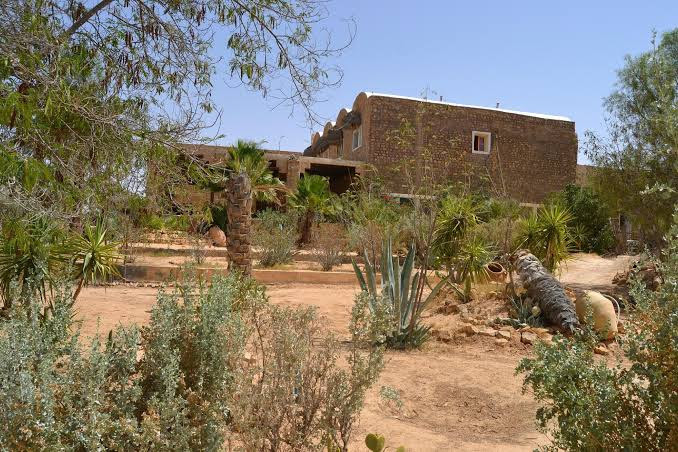
If you’re the kind of traveler who digs history mixed with a bit of mystery and rugged charm, Ksar Beni Barka is definitely a spot to pencil into your itinerary. Located in southern Tunisia’s Tataouine Governorate, this ruined fortified ksar stands as a silent witness to the region’s rich Berber heritage. Built centuries ago by North African Berber communities, its primary purpose was to fend off Bedouin raids, so you can imagine the kind of grit and resilience embedded in those ancient walls.
Walking through Ksar Beni Barka, you’ll find yourself surrounded by a cluster of rooms that once served as homes and granaries—yes, grain storage! It’s fascinating how these structures weren’t just about defense but also about sustaining life in a tough environment. The ksar sits perched on the hill of Djebel Abiodh, overlooking a valley that’s as dramatic as the history it holds. It’s not just a pile of old stones; it’s a storybook carved in stone, whispering tales of survival, community, and the passage of time.
Now, I gotta admit, it’s not a polished, commercialized tourist trap. It’s a bit raw, a bit wild—perfect if you like your adventures authentic and off the beaten path. Families with kids can enjoy it too, as it offers a chance for young ones to stretch their legs and let their imaginations run free in a place that once buzzed with life. Just be prepared for some uneven terrain and a bit of a climb if you want the best views.
Key Features
- Ancient fortified ksar built by Berber communities to protect against Bedouin attacks
- Cluster of rooms used historically for dwelling and grain storage—think of it as a medieval apartment and pantry rolled into one
- Strategic hilltop location on Djebel Abiodh offering sweeping views of the valley below
- Ruined but evocative architecture that invites exploration and sparks the imagination
- Family-friendly environment, suitable for kids to explore safely with supervision
- Opportunity to experience authentic southern Tunisian culture away from crowded tourist spots
- Close proximity to the town of Tataouine, making it a convenient day trip destination
Best Time to Visit
Timing your visit to Ksar Beni Barka is kinda crucial if you want to make the most of the experience. The weather in southern Tunisia can be a bit of a rollercoaster, with scorching summers and mild winters. Honestly, the shoulder seasons—spring (March to May) and autumn (September to November)—are your best bet. The temperatures are much kinder, and the light at those times gives the ruins a golden glow that’s just magical for photos or simply soaking it all in.
Summer, while tempting for a vacation, can get brutally hot, making the trek around the ksar less enjoyable, especially if you’re traveling with kids. Winter is mild but can be a little unpredictable with occasional rains, so pack accordingly. If you’re a sunrise or sunset chaser, try to catch those moments here—the way the sun casts shadows over the ancient stones is something else.
How to Get There
Getting to Ksar Beni Barka is an adventure in itself and part of the charm. The ksar lies just about 6 kilometers south of Tataouine, so if you’re based in town, a short drive or taxi ride will get you there pretty easily. Renting a car is probably your best bet if you want to explore at your own pace—plus, the drive through southern Tunisia’s landscapes is a treat on its own.
If you’re coming from farther afield, the nearest major airport is in Djerba or Tunis, and from there, you’ll need to hop on a domestic flight or take a long drive south. Public transport options can be a bit sparse and irregular, so planning ahead is key. Once you arrive, the path to the ksar is marked, but it’s a good idea to wear comfortable shoes and bring some water, especially if you’re visiting during the warmer months.
Tips for Visiting
Alright, here’s the lowdown from someone who’s been around a few dusty ruins. First off, don’t expect luxury or polished tourist infrastructure. This place is raw,
Key Features
- Ancient fortified ksar built by Berber communities to protect against Bedouin attacks
- Cluster of rooms used historically for dwelling and grain storage—think of it as a medieval apartment and pantry rolled into one
- Strategic hilltop location on Djebel Abiodh offering sweeping views of the valley below
- Ruined but evocative architecture that invites exploration and sparks the imagination
- Family-friendly environment, suitable for kids to explore safely with supervision
- Opportunity to experience authentic southern Tunisian culture away from crowded tourist spots
- Close proximity to the town of Tataouine, making it a convenient day trip destination
More Details
Updated July 16, 2025
Table of Contents
Description
If you’re the kind of traveler who digs history mixed with a bit of mystery and rugged charm, Ksar Beni Barka is definitely a spot to pencil into your itinerary. Located in southern Tunisia’s Tataouine Governorate, this ruined fortified ksar stands as a silent witness to the region’s rich Berber heritage. Built centuries ago by North African Berber communities, its primary purpose was to fend off Bedouin raids, so you can imagine the kind of grit and resilience embedded in those ancient walls.
Walking through Ksar Beni Barka, you’ll find yourself surrounded by a cluster of rooms that once served as homes and granaries—yes, grain storage! It’s fascinating how these structures weren’t just about defense but also about sustaining life in a tough environment. The ksar sits perched on the hill of Djebel Abiodh, overlooking a valley that’s as dramatic as the history it holds. It’s not just a pile of old stones; it’s a storybook carved in stone, whispering tales of survival, community, and the passage of time.
Now, I gotta admit, it’s not a polished, commercialized tourist trap. It’s a bit raw, a bit wild—perfect if you like your adventures authentic and off the beaten path. Families with kids can enjoy it too, as it offers a chance for young ones to stretch their legs and let their imaginations run free in a place that once buzzed with life. Just be prepared for some uneven terrain and a bit of a climb if you want the best views.
Key Features
- Ancient fortified ksar built by Berber communities to protect against Bedouin attacks
- Cluster of rooms used historically for dwelling and grain storage—think of it as a medieval apartment and pantry rolled into one
- Strategic hilltop location on Djebel Abiodh offering sweeping views of the valley below
- Ruined but evocative architecture that invites exploration and sparks the imagination
- Family-friendly environment, suitable for kids to explore safely with supervision
- Opportunity to experience authentic southern Tunisian culture away from crowded tourist spots
- Close proximity to the town of Tataouine, making it a convenient day trip destination
Best Time to Visit
Timing your visit to Ksar Beni Barka is kinda crucial if you want to make the most of the experience. The weather in southern Tunisia can be a bit of a rollercoaster, with scorching summers and mild winters. Honestly, the shoulder seasons—spring (March to May) and autumn (September to November)—are your best bet. The temperatures are much kinder, and the light at those times gives the ruins a golden glow that’s just magical for photos or simply soaking it all in.
Summer, while tempting for a vacation, can get brutally hot, making the trek around the ksar less enjoyable, especially if you’re traveling with kids. Winter is mild but can be a little unpredictable with occasional rains, so pack accordingly. If you’re a sunrise or sunset chaser, try to catch those moments here—the way the sun casts shadows over the ancient stones is something else.
How to Get There
Getting to Ksar Beni Barka is an adventure in itself and part of the charm. The ksar lies just about 6 kilometers south of Tataouine, so if you’re based in town, a short drive or taxi ride will get you there pretty easily. Renting a car is probably your best bet if you want to explore at your own pace—plus, the drive through southern Tunisia’s landscapes is a treat on its own.
If you’re coming from farther afield, the nearest major airport is in Djerba or Tunis, and from there, you’ll need to hop on a domestic flight or take a long drive south. Public transport options can be a bit sparse and irregular, so planning ahead is key. Once you arrive, the path to the ksar is marked, but it’s a good idea to wear comfortable shoes and bring some water, especially if you’re visiting during the warmer months.
Tips for Visiting
Alright, here’s the lowdown from someone who’s been around a few dusty ruins. First off, don’t expect luxury or polished tourist infrastructure. This place is raw,
Key Highlights
- Ancient fortified ksar built by Berber communities to protect against Bedouin attacks
- Cluster of rooms used historically for dwelling and grain storage—think of it as a medieval apartment and pantry rolled into one
- Strategic hilltop location on Djebel Abiodh offering sweeping views of the valley below
- Ruined but evocative architecture that invites exploration and sparks the imagination
- Family-friendly environment, suitable for kids to explore safely with supervision
- Opportunity to experience authentic southern Tunisian culture away from crowded tourist spots
- Close proximity to the town of Tataouine, making it a convenient day trip destination
Location
Places to Stay Near Ksar Beni Barka
Find and Book a Tour
Explore More Travel Guides
No reviews found! Be the first to review!
Traveler Reviews for Ksar Beni Barka
There are no reviews yet. Be the first one to write one.
Have you visited Ksar Beni Barka? Help other travelers by sharing your review.
You Might Also Like

hotel mabrouk
Centre National pédagogique Tataouine
Hotel Dakyanus
Find Accommodations Nearby
Recommended Tours & Activities
Visitor Reviews
There are no reviews yet. Be the first one to write one.
Share Your Experience
Have you visited Ksar Beni Barka? Help other travelers by leaving a review.