
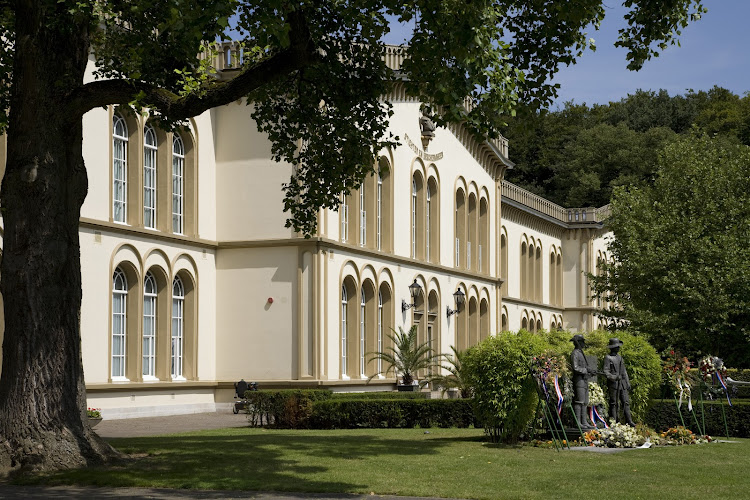
Koninklijk Tehuis voor Oud-militairen en Museum Bronbeek
About Koninklijk Tehuis voor Oud-militairen en Museum Bronbeek
Description
The Koninklijk Tehuis voor Oud-militairen en Museum Bronbeek in Arnhem is one of those places that quietly takes you by surprise. At first glance, it looks like a stately 19th-century palace, all brick and grandeur, but step inside and you’ll find yourself walking through an intricate tapestry of Dutch colonial history, military heritage, and deeply personal human stories. It’s not just a museum—it’s also a veterans’ home, a memorial estate, and a place where the echoes of the past meet the voices of those who lived it. That duality makes it stand out from many other history museums you might stumble across in Europe.
The museum’s main focus is on the Royal Netherlands East Indies Army (KNIL) and the broader colonial experience in Indonesia. And let’s be honest, colonial history can be heavy. But Bronbeek doesn’t shy away from that. Instead, it presents objects, photographs, and personal accounts that spark curiosity and, sometimes, discomfort. I remember staring at a soldier’s uniform, worn and faded, and thinking about the heat of the tropics it once endured. It’s the kind of detail that lingers with you long after you leave.
What makes Bronbeek particularly unique is that it’s still a living space. Veterans reside here, and that gives the place an energy that’s different from a typical museum. You’re not just looking at artifacts behind glass; you’re in a community where history is lived and remembered daily. That blend of past and present makes the experience feel very human, and honestly, quite moving.
Key Features
- A 19th-century palace turned museum with striking architecture and landscaped grounds
- Extensive exhibitions on the colonial history of the Dutch East Indies and the KNIL
- Memorial estate where commemorations and ceremonies are regularly held
- Veterans’ residence, offering a rare glimpse into living history
- On-site café and restaurant for a relaxed break between exploring exhibits
- Conference and event spaces for lectures, cultural events, and performances
- Family-friendly environment with exhibits accessible to kids
- Wheelchair accessible entrances, restrooms, and parking for inclusive visiting
- Live performances and cultural programs that bring history to life
- Gift shop where you can pick up books, souvenirs, and memorabilia
Best Time to Visit
If you’re like me and prefer exploring museums when they’re not jam-packed, weekdays are usually the sweet spot. Mornings tend to be quieter, giving you the space to wander slowly and actually read the exhibit notes without feeling rushed. Spring and early autumn are especially pleasant because the grounds around the palace are in full bloom or painted in golden leaves. The estate itself is worth a stroll, and in those seasons, it feels like an open-air extension of the museum.
That said, there’s something special about visiting during one of the commemorative events. The ceremonies may bring in more people, but they also add a layer of meaning to the visit. You’re not just observing history—you’re participating in remembrance. If you’re traveling with kids, weekends can be a good option since there are often family-friendly activities or performances that bring the exhibits to life in a more interactive way.
How to Get There
Reaching Bronbeek is fairly straightforward if you’re already in Arnhem. Public transport is reliable, with buses stopping near the estate, and the museum is just a short ride from Arnhem’s main train station. If you’re driving, there’s parking available on-site, which is a relief because finding a spot in busy city centers can sometimes be a headache. And if you’re the type who enjoys a walk, the route from the city center to the museum is scenic enough to make the stroll worthwhile.
For international travelers, Arnhem is well connected by train from Amsterdam, Utrecht, and even across the border from Germany. I once made the trip from Utrecht in under an hour, and it was easy enough that I didn’t even need to check the timetable too obsessively. That’s the nice thing about Dutch transport—it usually just works.
Tips for Visiting
First tip: give yourself time. I know it’s tempting to squeeze in a museum visit between other activities, but Bronbeek deserves more than an hour. The exhibitions are layered, and the grounds themselves are worth exploring. I’d say plan for at least half a day if you want to do it justice.
Second, don’t skip the café. It’s not just a place to grab a coffee; it’s part of the experience. Sitting there, surrounded by veterans and visitors alike, you get a sense of the community that makes Bronbeek so distinctive. Plus, the food is surprisingly good for a museum café—simple but hearty, which I always appreciate after a few hours of walking around.
Third, if you’re traveling with kids, prepare them a bit beforehand. Some of the content can be heavy, dealing with war and colonialism, but the museum does a good job of making it accessible. A little context before you go helps kids engage more meaningfully rather than just wandering past the displays.
Fourth, accessibility is well thought out here. Wheelchair users will find ramps, accessible restrooms, and parking, which makes the visit smoother for everyone. It’s something I’ve noticed more and more in Dutch museums, and Bronbeek is no exception.
Finally, be open to the emotional weight of the place. This isn’t just a collection of artifacts—it’s a memorial, a home, and a living reminder of complex histories. Some visitors come away deeply moved, others more contemplative, but almost everyone leaves with something to think about. And isn’t that the mark of a worthwhile trip?
Key Features
- A 19th-century palace turned museum with striking architecture and landscaped grounds
- Extensive exhibitions on the colonial history of the Dutch East Indies and the KNIL
- Memorial estate where commemorations and ceremonies are regularly held
- Veterans’ residence, offering a rare glimpse into living history
- On-site café and restaurant for a relaxed break between exploring exhibits
- Conference and event spaces for lectures, cultural events, and performances
- Family-friendly environment with exhibits accessible to kids
- Wheelchair accessible entrances, restrooms, and parking for inclusive visiting
More Details
Updated September 9, 2025
Table of Contents
- Description
- Key Features
- Best Time to Visit
- How to Get There
- Tips for Visiting
- Key Highlights
- Location
- Places to Stay Near Koninklijk Tehuis voor Oud-militairen en Museum Bronbeek
- Find and Book a Tour
- Explore More Travel Guides
- Nearby Places You Might Like
- Traveler Reviews for Koninklijk Tehuis voor Oud-militairen en Museum Bronbeek
- Share Your Experience
Description
The Koninklijk Tehuis voor Oud-militairen en Museum Bronbeek in Arnhem is one of those places that quietly takes you by surprise. At first glance, it looks like a stately 19th-century palace, all brick and grandeur, but step inside and you’ll find yourself walking through an intricate tapestry of Dutch colonial history, military heritage, and deeply personal human stories. It’s not just a museum—it’s also a veterans’ home, a memorial estate, and a place where the echoes of the past meet the voices of those who lived it. That duality makes it stand out from many other history museums you might stumble across in Europe.
The museum’s main focus is on the Royal Netherlands East Indies Army (KNIL) and the broader colonial experience in Indonesia. And let’s be honest, colonial history can be heavy. But Bronbeek doesn’t shy away from that. Instead, it presents objects, photographs, and personal accounts that spark curiosity and, sometimes, discomfort. I remember staring at a soldier’s uniform, worn and faded, and thinking about the heat of the tropics it once endured. It’s the kind of detail that lingers with you long after you leave.
What makes Bronbeek particularly unique is that it’s still a living space. Veterans reside here, and that gives the place an energy that’s different from a typical museum. You’re not just looking at artifacts behind glass; you’re in a community where history is lived and remembered daily. That blend of past and present makes the experience feel very human, and honestly, quite moving.
Key Features
- A 19th-century palace turned museum with striking architecture and landscaped grounds
- Extensive exhibitions on the colonial history of the Dutch East Indies and the KNIL
- Memorial estate where commemorations and ceremonies are regularly held
- Veterans’ residence, offering a rare glimpse into living history
- On-site café and restaurant for a relaxed break between exploring exhibits
- Conference and event spaces for lectures, cultural events, and performances
- Family-friendly environment with exhibits accessible to kids
- Wheelchair accessible entrances, restrooms, and parking for inclusive visiting
- Live performances and cultural programs that bring history to life
- Gift shop where you can pick up books, souvenirs, and memorabilia
Best Time to Visit
If you’re like me and prefer exploring museums when they’re not jam-packed, weekdays are usually the sweet spot. Mornings tend to be quieter, giving you the space to wander slowly and actually read the exhibit notes without feeling rushed. Spring and early autumn are especially pleasant because the grounds around the palace are in full bloom or painted in golden leaves. The estate itself is worth a stroll, and in those seasons, it feels like an open-air extension of the museum.
That said, there’s something special about visiting during one of the commemorative events. The ceremonies may bring in more people, but they also add a layer of meaning to the visit. You’re not just observing history—you’re participating in remembrance. If you’re traveling with kids, weekends can be a good option since there are often family-friendly activities or performances that bring the exhibits to life in a more interactive way.
How to Get There
Reaching Bronbeek is fairly straightforward if you’re already in Arnhem. Public transport is reliable, with buses stopping near the estate, and the museum is just a short ride from Arnhem’s main train station. If you’re driving, there’s parking available on-site, which is a relief because finding a spot in busy city centers can sometimes be a headache. And if you’re the type who enjoys a walk, the route from the city center to the museum is scenic enough to make the stroll worthwhile.
For international travelers, Arnhem is well connected by train from Amsterdam, Utrecht, and even across the border from Germany. I once made the trip from Utrecht in under an hour, and it was easy enough that I didn’t even need to check the timetable too obsessively. That’s the nice thing about Dutch transport—it usually just works.
Tips for Visiting
First tip: give yourself time. I know it’s tempting to squeeze in a museum visit between other activities, but Bronbeek deserves more than an hour. The exhibitions are layered, and the grounds themselves are worth exploring. I’d say plan for at least half a day if you want to do it justice.
Second, don’t skip the café. It’s not just a place to grab a coffee; it’s part of the experience. Sitting there, surrounded by veterans and visitors alike, you get a sense of the community that makes Bronbeek so distinctive. Plus, the food is surprisingly good for a museum café—simple but hearty, which I always appreciate after a few hours of walking around.
Third, if you’re traveling with kids, prepare them a bit beforehand. Some of the content can be heavy, dealing with war and colonialism, but the museum does a good job of making it accessible. A little context before you go helps kids engage more meaningfully rather than just wandering past the displays.
Fourth, accessibility is well thought out here. Wheelchair users will find ramps, accessible restrooms, and parking, which makes the visit smoother for everyone. It’s something I’ve noticed more and more in Dutch museums, and Bronbeek is no exception.
Finally, be open to the emotional weight of the place. This isn’t just a collection of artifacts—it’s a memorial, a home, and a living reminder of complex histories. Some visitors come away deeply moved, others more contemplative, but almost everyone leaves with something to think about. And isn’t that the mark of a worthwhile trip?
Key Highlights
- A 19th-century palace turned museum with striking architecture and landscaped grounds
- Extensive exhibitions on the colonial history of the Dutch East Indies and the KNIL
- Memorial estate where commemorations and ceremonies are regularly held
- Veterans’ residence, offering a rare glimpse into living history
- On-site café and restaurant for a relaxed break between exploring exhibits
- Conference and event spaces for lectures, cultural events, and performances
- Family-friendly environment with exhibits accessible to kids
- Wheelchair accessible entrances, restrooms, and parking for inclusive visiting
Location
Places to Stay Near Koninklijk Tehuis voor Oud-militairen en Museum Bronbeek
Find and Book a Tour
Explore More Travel Guides
No reviews found! Be the first to review!
Traveler Reviews for Koninklijk Tehuis voor Oud-militairen en Museum Bronbeek
There are no reviews yet. Be the first one to write one.
Have you visited Koninklijk Tehuis voor Oud-militairen en Museum Bronbeek? Help other travelers by sharing your review.
You Might Also Like
Foundation Eusebius Arnhem

Arnhem
Het Rijnhert
Find Accommodations Nearby
Recommended Tours & Activities
Visitor Reviews
There are no reviews yet. Be the first one to write one.
Share Your Experience
Have you visited Koninklijk Tehuis voor Oud-militairen en Museum Bronbeek? Help other travelers by leaving a review.