
Kline Creek Farm (living history museum)
About Kline Creek Farm (living history museum)
Description
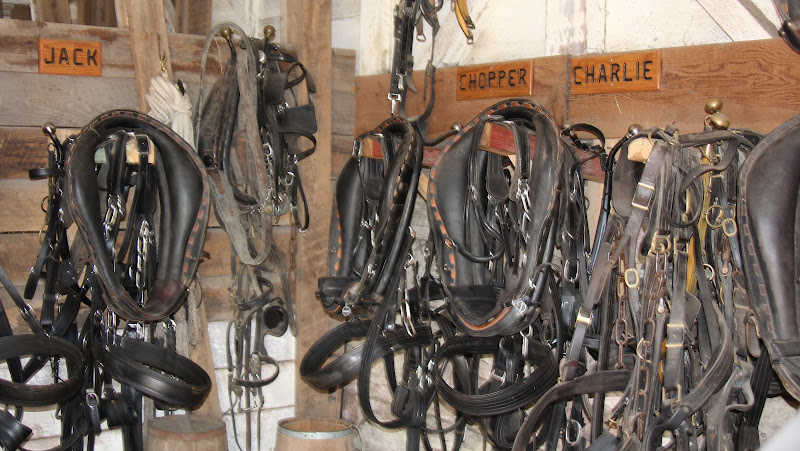
Kline Creek Farm is one of those rare places that makes you pause and think about how different life once was. It’s a living history museum that brings the 1890s back to life, not in a stiff or overly polished way, but in a hands-on, down-to-earth fashion. Visitors can wander through restored barns, fields, and a farmhouse where costumed interpreters go about daily chores using the tools and methods of the time. You’ll see bread being baked in wood stoves, sheep getting their annual shearing, or even ice blocks being cut from the creek in winter. It’s not staged in a theme-park way—it feels authentic, because it is.
What I personally love about this place is how it manages to be both educational and oddly relaxing. There’s no rush, no blaring modern distractions, just the steady rhythm of farm life as it once was. Some folks might find it a little too quiet or simple, but that’s part of its charm. And for families, especially kids who’ve only ever seen food come from a grocery store, this place is an eye-opener. You can literally watch the entire farm-to-table process play out, from planting and harvesting to canning and baking.
While most visitors rave about the authenticity and the friendly interpreters, a few might find the pace slow or the activities seasonal. That’s fair—if you’re expecting nonstop entertainment, it might not be your cup of tea. But if you’re curious about history, farming, or just want a break from the modern buzz, it’s a gem.
Key Features
- Authentic 1890s living history farm experience with costumed interpreters
- Seasonal demonstrations like sheep shearing, ice cutting, and harvest activities
- Restored farmhouse filled with period artifacts and reproductions
- Hands-on programs such as baking, canning, and planting
- Working farm animals including cows, sheep, horses, and chickens
- Wheelchair accessible entrance and parking lot
- Peaceful walking paths through scenic fields and farmstead structures
Best Time to Visit
The farm is open year-round, but the experience shifts with the seasons. Spring is wonderful for seeing new life on the farm—calves, lambs, and the planting of crops. Summer brings fields in full swing, with interpreters busy at work and plenty of outdoor demonstrations. Autumn is arguably the most popular time, with harvest activities, canning, and the farmhouse buzzing with seasonal chores. Winter is quieter but surprisingly magical; the ice cutting demonstrations and cozy farmhouse tours make the cold worthwhile.
If I had to pick, I’d say fall is my favorite. The crisp air, the smell of wood smoke, and the sight of fields being harvested—it just feels like stepping into a storybook. But honestly, no matter when you go, you’ll find something unique happening.
How to Get There
Kline Creek Farm is located in West Chicago, Illinois, within the Timber Ridge Forest Preserve. It’s easy to reach by car, with clear signage leading you into the preserve. Parking is free and close to the main entrance, which is a big plus compared to many attractions. For those coming from downtown Chicago, it’s about an hour’s drive depending on traffic. Public transportation options are limited, so driving is definitely the most convenient way.
One thing to note: the farm is tucked inside a preserve, so you’ll drive through some wooded areas before arriving. It adds to the sense that you’re leaving the modern world behind, which I kind of love.
Tips for Visiting
To make the most out of a trip to Kline Creek Farm, a little planning goes a long way. Here are some tips based on my own visits and what I’ve learned along the way:
- Check the seasonal schedule: Activities change throughout the year, so if you’re hoping to catch sheep shearing or ice cutting, look up the calendar first.
- Wear comfortable shoes: You’ll be walking on dirt paths, grass, and sometimes uneven ground. It’s a farm, after all.
- Bring kids: This is one of those rare places where kids can ask endless “why” questions and actually get engaging answers from interpreters.
- Don’t rush: The whole point is to slow down and soak in the rhythm of farm life. Give yourself at least a couple of hours.
- Pack for the weather: It’s mostly outdoors, so sunscreen in summer and layers in colder months are a must.
- Talk to the interpreters: They’re not just in costume for show—they know their stuff and love sharing stories about 19th-century farm life.
- Bring a camera: Between the farmhouse, the animals, and the open fields, there are plenty of photo-worthy moments.
And here’s a personal tip: don’t skip the farmhouse tour. I once almost did, thinking it would just be a quick look at old furniture, but it turned out to be my favorite part. The interpreters explained how families lived, cooked, and even entertained guests in the 1890s, and it gave me a whole new appreciation for the hard work and creativity of that era.
Overall, Kline Creek Farm isn’t flashy, but that’s exactly why it’s worth visiting. It’s a place that slows you down, teaches you something real, and leaves you with memories that stick. If you’re traveling through Illinois and want something different from the usual city attractions, this farm is a refreshing and unforgettable stop.
Key Features
- Authentic 1890s living history farm experience with costumed interpreters
- Seasonal demonstrations like sheep shearing, ice cutting, and harvest activities
- Restored farmhouse filled with period artifacts and reproductions
- Hands-on programs such as baking, canning, and planting
- Working farm animals including cows, sheep, horses, and chickens
- Wheelchair accessible entrance and parking lot
- Peaceful walking paths through scenic fields and farmstead structures
More Details
Updated September 30, 2025
Table of Contents
Description
Kline Creek Farm is one of those rare places that makes you pause and think about how different life once was. It’s a living history museum that brings the 1890s back to life, not in a stiff or overly polished way, but in a hands-on, down-to-earth fashion. Visitors can wander through restored barns, fields, and a farmhouse where costumed interpreters go about daily chores using the tools and methods of the time. You’ll see bread being baked in wood stoves, sheep getting their annual shearing, or even ice blocks being cut from the creek in winter. It’s not staged in a theme-park way—it feels authentic, because it is.
What I personally love about this place is how it manages to be both educational and oddly relaxing. There’s no rush, no blaring modern distractions, just the steady rhythm of farm life as it once was. Some folks might find it a little too quiet or simple, but that’s part of its charm. And for families, especially kids who’ve only ever seen food come from a grocery store, this place is an eye-opener. You can literally watch the entire farm-to-table process play out, from planting and harvesting to canning and baking.
While most visitors rave about the authenticity and the friendly interpreters, a few might find the pace slow or the activities seasonal. That’s fair—if you’re expecting nonstop entertainment, it might not be your cup of tea. But if you’re curious about history, farming, or just want a break from the modern buzz, it’s a gem.
Key Features
- Authentic 1890s living history farm experience with costumed interpreters
- Seasonal demonstrations like sheep shearing, ice cutting, and harvest activities
- Restored farmhouse filled with period artifacts and reproductions
- Hands-on programs such as baking, canning, and planting
- Working farm animals including cows, sheep, horses, and chickens
- Wheelchair accessible entrance and parking lot
- Peaceful walking paths through scenic fields and farmstead structures
Best Time to Visit
The farm is open year-round, but the experience shifts with the seasons. Spring is wonderful for seeing new life on the farm—calves, lambs, and the planting of crops. Summer brings fields in full swing, with interpreters busy at work and plenty of outdoor demonstrations. Autumn is arguably the most popular time, with harvest activities, canning, and the farmhouse buzzing with seasonal chores. Winter is quieter but surprisingly magical; the ice cutting demonstrations and cozy farmhouse tours make the cold worthwhile.
If I had to pick, I’d say fall is my favorite. The crisp air, the smell of wood smoke, and the sight of fields being harvested—it just feels like stepping into a storybook. But honestly, no matter when you go, you’ll find something unique happening.
How to Get There
Kline Creek Farm is located in West Chicago, Illinois, within the Timber Ridge Forest Preserve. It’s easy to reach by car, with clear signage leading you into the preserve. Parking is free and close to the main entrance, which is a big plus compared to many attractions. For those coming from downtown Chicago, it’s about an hour’s drive depending on traffic. Public transportation options are limited, so driving is definitely the most convenient way.
One thing to note: the farm is tucked inside a preserve, so you’ll drive through some wooded areas before arriving. It adds to the sense that you’re leaving the modern world behind, which I kind of love.
Tips for Visiting
To make the most out of a trip to Kline Creek Farm, a little planning goes a long way. Here are some tips based on my own visits and what I’ve learned along the way:
- Check the seasonal schedule: Activities change throughout the year, so if you’re hoping to catch sheep shearing or ice cutting, look up the calendar first.
- Wear comfortable shoes: You’ll be walking on dirt paths, grass, and sometimes uneven ground. It’s a farm, after all.
- Bring kids: This is one of those rare places where kids can ask endless “why” questions and actually get engaging answers from interpreters.
- Don’t rush: The whole point is to slow down and soak in the rhythm of farm life. Give yourself at least a couple of hours.
- Pack for the weather: It’s mostly outdoors, so sunscreen in summer and layers in colder months are a must.
- Talk to the interpreters: They’re not just in costume for show—they know their stuff and love sharing stories about 19th-century farm life.
- Bring a camera: Between the farmhouse, the animals, and the open fields, there are plenty of photo-worthy moments.
And here’s a personal tip: don’t skip the farmhouse tour. I once almost did, thinking it would just be a quick look at old furniture, but it turned out to be my favorite part. The interpreters explained how families lived, cooked, and even entertained guests in the 1890s, and it gave me a whole new appreciation for the hard work and creativity of that era.
Overall, Kline Creek Farm isn’t flashy, but that’s exactly why it’s worth visiting. It’s a place that slows you down, teaches you something real, and leaves you with memories that stick. If you’re traveling through Illinois and want something different from the usual city attractions, this farm is a refreshing and unforgettable stop.
Key Highlights
- Authentic 1890s living history farm experience with costumed interpreters
- Seasonal demonstrations like sheep shearing, ice cutting, and harvest activities
- Restored farmhouse filled with period artifacts and reproductions
- Hands-on programs such as baking, canning, and planting
- Working farm animals including cows, sheep, horses, and chickens
- Wheelchair accessible entrance and parking lot
- Peaceful walking paths through scenic fields and farmstead structures
Location
Places to Stay Near Kline Creek Farm (living history museum)
Find and Book a Tour
Explore More Travel Guides
No reviews found! Be the first to review!
Traveler Reviews for Kline Creek Farm (living history museum)
There are no reviews yet. Be the first one to write one.
Have you visited Kline Creek Farm (living history museum)? Help other travelers by sharing your review.
Find Accommodations Nearby
Recommended Tours & Activities
Visitor Reviews
There are no reviews yet. Be the first one to write one.
Share Your Experience
Have you visited Kline Creek Farm (living history museum)? Help other travelers by leaving a review.