
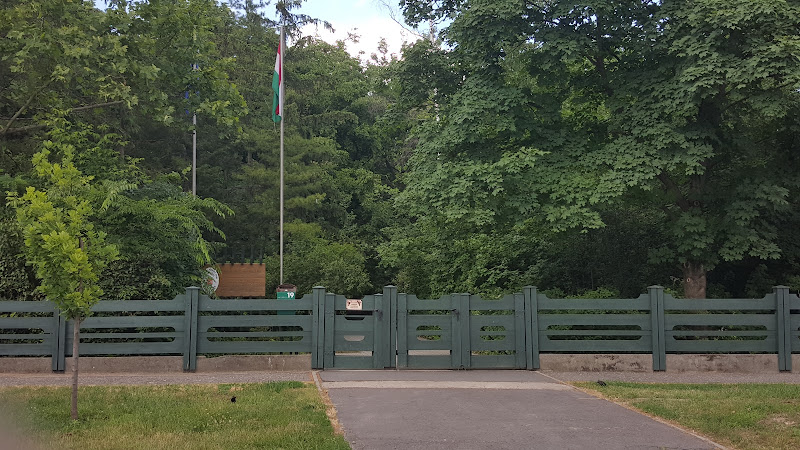
Kiskunság National Park
About Kiskunság National Park
Description
Kiskunság National Park in Hungary is really just one beguiling, wild patchwork of habitats—think endless golden sand dunes, steppe grasslands, shimmering lakes, boggy marshes, salty flats, and little clusters of forest you wouldn’t expect in the heart of the Great Hungarian Plain. Located between the Danube and Tisza rivers near Kecskemét, this protected area is surprisingly huge—covering more than 570 square kilometers, with each piece scattered across the center of the country like some nature-loving giant emptied their pockets and left treasures everywhere. It’s not about one big expanse; the territory here spreads out in weirdly-shaped parcels, dotted across Bács-Kiskun County and even several neighboring counties.
What’s at the core? Raw Hungarian nature, that’s what. Kiskunság National Park was created back in 1975 for a good reason: to save the region’s extraordinary biodiversity and cultural heritage that goes back centuries. It’s all here—from noisy colonies of rare birds hiding in reeds to fields with the famous great bustard, or landscapes shaped for millennia by both people and weather. People come for more than a walk: you’ll learn, spot wildlife, and get to know a bit of rural Hungary the way grandparents still remember it—complete with local traditions and fiery Hungarian cuisine in the small towns around.
This national park is recognized internationally, even being listed as a UNESCO biosphere reserve. But you don’t have to be a scientist or serious hiker to love it. Hands-on nature lovers, families, solo travelers, anyone wanting a deep breath of wild open space—there’s room enough for all. Trails are open to wheelchair users, and it’s all incredibly child-friendly. Plus, the park’s hiking and educational paths let you discover treasures, like salt steppes that look like movie sets and lakes with flamingos during migration. I’ll never forget wandering a misty autumn trail, the air spiked with the scent of grass, and having the whole history-soaked plain to myself except for the sound of larks overhead. If you want a place that’s got both wow moments and peace and quiet, you’ll fit right in.
Key Features
- UNESCO Biosphere Reserve: Kiskunság National Park is officially recognized for its crucial role in nature conservation and biodiversity on an international scale.
- Diverse Habitats: Includes sand dunes, alkaline lakes, marshes, and meadows—each with its own unique flora and fauna.
- Rare & Endemic Species: Home to over 300 bird species, including the great bustard, avocet, bee-eater, and migrating flocks of cranes and flamingos. Mammals, amphibians, and reptiles here would absolutely make wildlife photographers drool.
- Accessible Trails: Multiple kid-friendly and wheelchair-accessible hiking trails make exploring easy for all abilities.
- Sand Dunes: The Fülöpházi Sand Dunes are like Hungary’s own mini-desert, shifting and alive—a surreal place even locals find fascinating.
- Alkaline Lakes and Puszta Landscapes: Lakes such as Kolon Lake provide stunning vistas and are prime spots for birdwatching, especially during spring and autumn migrations.
- Traditional Cultural Sites: Step into open-air museums and heritage farms that let you experience traditional Hungarian rural life, shepherding, and maybe even try authentic goulash.
- Rich History: Archeological sites, old wells, and wooden churches add layers of cultural richness, showing centuries of co-existence between humans and nature.
- Nature Conservation Activities: Participate in educational programs, eco-camps, and guided nature walks led by passionate local rangers who know every call and footprint.
- Visitor Centers: Modern visitor centres around the park provide maps, exhibitions, interactive displays, and knowledgeable staff happy to share hidden gems.
- Local Gastronomy: The region is famous for traditional Hungarian dishes. There’s nothing quite like refueling with a hearty paprika stew or fresh pörkölt after a day outdoors.
- Wildflower Meadows: Springtime brings sweeping carpets of color, making the park a go-to spot for botanists and Instagrammers craving that perfect pic.
- Variety of Activities: Beyond hiking, the park offers cycling, horseback riding, and even water tours in some marshy areas, depending on the season.
- Solitude and Tranquility: Even at "busy" times, you can always find secluded corners—this isn’t one of those overrun tourist traps.
Best Time to Visit
For me, spring and autumn are absolute standouts. Late April through May is wildflower heaven—acres of blooms, plus flocks of migratory birds are everywhere. If you’re up early, the park is practically all yours apart from the morning chorus of skylarks and the odd, startled rabbit. Summer is hot (not going to sugarcoat it), sometimes dry and dusty, but the lakes come alive—ideal if birdwatching is your thing. Adventurous types might love even the big summer thunderstorms rolling over the Great Hungarian Plain; they make the sky look like a painting.
Autumn’s not to be missed: think misty swamps, deep gold grasses, and internationally important bird migrations that put other European parks to shame—cranes in their thousands, waders, you name it. For those who like it quieter or run on student budgets, late autumn to early spring is totally doable and peaceful, though fewer facilities are open. Some visitor centers switch to reduced hours in winter, but honestly, if you want solitude, it’s magic. Just pack warm layers and keep a flask handy.
How to Get There
Reaching Kiskunság National Park is way easier than you might think, even for first-timers to Hungary. The main gateway city is Kecskemét (I’ve always thought its Art Nouveau architecture alone makes it worth a side trip), which connects easily by car or train. Coming from Budapest? It’s just under an hour by direct train to Kecskemét, or around 80 minutes driving the M5 highway. From there, local buses or short car/bike journeys will get you to the protected areas—just keep your map handy, since the park’s not one single block (kind of like a national park treasure hunt).
If you're driving, parking areas at major trailheads and visitor centres are usually free or modestly priced. Most car parks include designated wheelchair spaces. International visitors can fly into Budapest International Airport, rent a car, and be among wild steppes and sand dunes in no time. Honestly, public transit works but a car (or at least a rental bike for the fit) gives you wildly more freedom here, since some habitats are off the main routes.
Insider tip: If you have time, combine your visit with a stroll in Kecskemét’s town square or stop in for cake and coffee at a nearby confectionery. Hungarian hospitality in this region is especially warm—random strangers have pointed me to bird hides and helped with bus timetables more than once.
Tips for Visiting
- Plan Ahead: Because the park is scattered across large distances and includes several different habitats, study the map and pick your area (sand dunes, lakes, steppe, marsh, etc.); it’s tough to do all in one day unless you have superhero stamina or a local guide.
- Dress for the Weather: The southern Great Plain gets hot in summer and can be crashingly cold and windswept in winter. Layers, sun hats, and sturdy shoes are non-negotiables in my experience.
- Stay Hydrated: Seriously, bring plenty of water, especially for long hikes—the park’s wild areas don’t always have easy access to amenities or shops.
- Bring Binoculars and Camera: Birdwatchers, this place is your promised land; even on a slow day, you might spot a dozen species before lunch. Early mornings and dusk are prime time.
- Opt for Guided Tours: If you're new to Hungarian nature or want deeper information, ranger-led hikes and educational programs are outstanding—some are even available in English or German.
- Watch for Mosquitoes: Near marshes and lakes, especially in late spring, those little vampires come out strong. Bring repellent and don’t say I didn’t warn you.
- Respect Wildlife and Rules: Don’t stray off marked paths; some habitats are fragile and disturbances can threaten rare species. Leave no trace so others can enjoy, too.
- Enjoy Local Food: Try local taverns or pörkölt (stew), sausages, and csalamádé (pickled salad)! Support little family-run spots—they’re friendly, usually cheap, and authentically Hungarian.
- Accessibility: Visitor centers and main trails cater for wheelchair users and strollers, but call ahead if you need specifics—sometimes gravel paths are tougher after heavy rain.
- Language: Most staff at official centers and museums speak basic English or German, but learning a few Hungarian words (“köszönöm”—thanks!) always gets a smile.
- Stay Over: Kecskemét and surrounding villages offer budget and boutique stays—book in advance in high season, especially during major bird migrations or festivals.
- Take Your Time: Rushing through misses the point. Some of the best memories are made on a little-used path, in a village pub, or during a silent sunrise on the steppe.
- Check Events: From birding weekends to traditional festivals, something’s always happening in the Kiskunság region—check visitor centre info boards or ask locals for tips.
Kiskunság National Park is for travelers with patience, open eyes, and a sense of humor—one of those rare places in Hungary where the spirit of nature and real life run together. If you love real discovery, vast starry skies, and a little bit of wild unpredictability, you’ll understand immediately why so many people consider this park a highlight of their journey through Hungary.
Key Features
- Key Features
- Best Time to Visit
- How to Get There
- Tips for Visiting
More Details
Updated September 16, 2025
Table of Contents
Description
Kiskunság National Park in Hungary is really just one beguiling, wild patchwork of habitats—think endless golden sand dunes, steppe grasslands, shimmering lakes, boggy marshes, salty flats, and little clusters of forest you wouldn’t expect in the heart of the Great Hungarian Plain. Located between the Danube and Tisza rivers near Kecskemét, this protected area is surprisingly huge—covering more than 570 square kilometers, with each piece scattered across the center of the country like some nature-loving giant emptied their pockets and left treasures everywhere. It’s not about one big expanse; the territory here spreads out in weirdly-shaped parcels, dotted across Bács-Kiskun County and even several neighboring counties.
What’s at the core? Raw Hungarian nature, that’s what. Kiskunság National Park was created back in 1975 for a good reason: to save the region’s extraordinary biodiversity and cultural heritage that goes back centuries. It’s all here—from noisy colonies of rare birds hiding in reeds to fields with the famous great bustard, or landscapes shaped for millennia by both people and weather. People come for more than a walk: you’ll learn, spot wildlife, and get to know a bit of rural Hungary the way grandparents still remember it—complete with local traditions and fiery Hungarian cuisine in the small towns around.
This national park is recognized internationally, even being listed as a UNESCO biosphere reserve. But you don’t have to be a scientist or serious hiker to love it. Hands-on nature lovers, families, solo travelers, anyone wanting a deep breath of wild open space—there’s room enough for all. Trails are open to wheelchair users, and it’s all incredibly child-friendly. Plus, the park’s hiking and educational paths let you discover treasures, like salt steppes that look like movie sets and lakes with flamingos during migration. I’ll never forget wandering a misty autumn trail, the air spiked with the scent of grass, and having the whole history-soaked plain to myself except for the sound of larks overhead. If you want a place that’s got both wow moments and peace and quiet, you’ll fit right in.
Key Features
- UNESCO Biosphere Reserve: Kiskunság National Park is officially recognized for its crucial role in nature conservation and biodiversity on an international scale.
- Diverse Habitats: Includes sand dunes, alkaline lakes, marshes, and meadows—each with its own unique flora and fauna.
- Rare & Endemic Species: Home to over 300 bird species, including the great bustard, avocet, bee-eater, and migrating flocks of cranes and flamingos. Mammals, amphibians, and reptiles here would absolutely make wildlife photographers drool.
- Accessible Trails: Multiple kid-friendly and wheelchair-accessible hiking trails make exploring easy for all abilities.
- Sand Dunes: The Fülöpházi Sand Dunes are like Hungary’s own mini-desert, shifting and alive—a surreal place even locals find fascinating.
- Alkaline Lakes and Puszta Landscapes: Lakes such as Kolon Lake provide stunning vistas and are prime spots for birdwatching, especially during spring and autumn migrations.
- Traditional Cultural Sites: Step into open-air museums and heritage farms that let you experience traditional Hungarian rural life, shepherding, and maybe even try authentic goulash.
- Rich History: Archeological sites, old wells, and wooden churches add layers of cultural richness, showing centuries of co-existence between humans and nature.
- Nature Conservation Activities: Participate in educational programs, eco-camps, and guided nature walks led by passionate local rangers who know every call and footprint.
- Visitor Centers: Modern visitor centres around the park provide maps, exhibitions, interactive displays, and knowledgeable staff happy to share hidden gems.
- Local Gastronomy: The region is famous for traditional Hungarian dishes. There’s nothing quite like refueling with a hearty paprika stew or fresh pörkölt after a day outdoors.
- Wildflower Meadows: Springtime brings sweeping carpets of color, making the park a go-to spot for botanists and Instagrammers craving that perfect pic.
- Variety of Activities: Beyond hiking, the park offers cycling, horseback riding, and even water tours in some marshy areas, depending on the season.
- Solitude and Tranquility: Even at “busy” times, you can always find secluded corners—this isn’t one of those overrun tourist traps.
Best Time to Visit
For me, spring and autumn are absolute standouts. Late April through May is wildflower heaven—acres of blooms, plus flocks of migratory birds are everywhere. If you’re up early, the park is practically all yours apart from the morning chorus of skylarks and the odd, startled rabbit. Summer is hot (not going to sugarcoat it), sometimes dry and dusty, but the lakes come alive—ideal if birdwatching is your thing. Adventurous types might love even the big summer thunderstorms rolling over the Great Hungarian Plain; they make the sky look like a painting.
Autumn’s not to be missed: think misty swamps, deep gold grasses, and internationally important bird migrations that put other European parks to shame—cranes in their thousands, waders, you name it. For those who like it quieter or run on student budgets, late autumn to early spring is totally doable and peaceful, though fewer facilities are open. Some visitor centers switch to reduced hours in winter, but honestly, if you want solitude, it’s magic. Just pack warm layers and keep a flask handy.
How to Get There
Reaching Kiskunság National Park is way easier than you might think, even for first-timers to Hungary. The main gateway city is Kecskemét (I’ve always thought its Art Nouveau architecture alone makes it worth a side trip), which connects easily by car or train. Coming from Budapest? It’s just under an hour by direct train to Kecskemét, or around 80 minutes driving the M5 highway. From there, local buses or short car/bike journeys will get you to the protected areas—just keep your map handy, since the park’s not one single block (kind of like a national park treasure hunt).
If you’re driving, parking areas at major trailheads and visitor centres are usually free or modestly priced. Most car parks include designated wheelchair spaces. International visitors can fly into Budapest International Airport, rent a car, and be among wild steppes and sand dunes in no time. Honestly, public transit works but a car (or at least a rental bike for the fit) gives you wildly more freedom here, since some habitats are off the main routes.
Insider tip: If you have time, combine your visit with a stroll in Kecskemét’s town square or stop in for cake and coffee at a nearby confectionery. Hungarian hospitality in this region is especially warm—random strangers have pointed me to bird hides and helped with bus timetables more than once.
Tips for Visiting
- Plan Ahead: Because the park is scattered across large distances and includes several different habitats, study the map and pick your area (sand dunes, lakes, steppe, marsh, etc.); it’s tough to do all in one day unless you have superhero stamina or a local guide.
- Dress for the Weather: The southern Great Plain gets hot in summer and can be crashingly cold and windswept in winter. Layers, sun hats, and sturdy shoes are non-negotiables in my experience.
- Stay Hydrated: Seriously, bring plenty of water, especially for long hikes—the park’s wild areas don’t always have easy access to amenities or shops.
- Bring Binoculars and Camera: Birdwatchers, this place is your promised land; even on a slow day, you might spot a dozen species before lunch. Early mornings and dusk are prime time.
- Opt for Guided Tours: If you’re new to Hungarian nature or want deeper information, ranger-led hikes and educational programs are outstanding—some are even available in English or German.
- Watch for Mosquitoes: Near marshes and lakes, especially in late spring, those little vampires come out strong. Bring repellent and don’t say I didn’t warn you.
- Respect Wildlife and Rules: Don’t stray off marked paths; some habitats are fragile and disturbances can threaten rare species. Leave no trace so others can enjoy, too.
- Enjoy Local Food: Try local taverns or pörkölt (stew), sausages, and csalamádé (pickled salad)! Support little family-run spots—they’re friendly, usually cheap, and authentically Hungarian.
- Accessibility: Visitor centers and main trails cater for wheelchair users and strollers, but call ahead if you need specifics—sometimes gravel paths are tougher after heavy rain.
- Language: Most staff at official centers and museums speak basic English or German, but learning a few Hungarian words (“köszönöm”—thanks!) always gets a smile.
- Stay Over: Kecskemét and surrounding villages offer budget and boutique stays—book in advance in high season, especially during major bird migrations or festivals.
- Take Your Time: Rushing through misses the point. Some of the best memories are made on a little-used path, in a village pub, or during a silent sunrise on the steppe.
- Check Events: From birding weekends to traditional festivals, something’s always happening in the Kiskunság region—check visitor centre info boards or ask locals for tips.
Kiskunság National Park is for travelers with patience, open eyes, and a sense of humor—one of those rare places in Hungary where the spirit of nature and real life run together. If you love real discovery, vast starry skies, and a little bit of wild unpredictability, you’ll understand immediately why so many people consider this park a highlight of their journey through Hungary.
Key Highlights
- Key Features
- Best Time to Visit
- How to Get There
- Tips for Visiting
Location
Places to Stay Near Kiskunság National Park
Find and Book a Tour
Explore More Travel Guides
No reviews found! Be the first to review!
Traveler Reviews for Kiskunság National Park
There are no reviews yet. Be the first one to write one.
Have you visited Kiskunság National Park? Help other travelers by sharing your review.
You Might Also Like
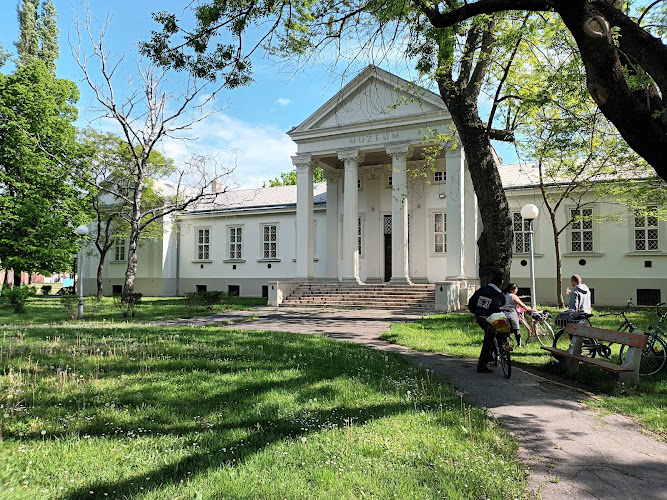
Katona József Museum
Benkó Hill
Hirös hét Kecskemét
Find Accommodations Nearby
Recommended Tours & Activities
Visitor Reviews
There are no reviews yet. Be the first one to write one.
Share Your Experience
Have you visited Kiskunság National Park? Help other travelers by leaving a review.