
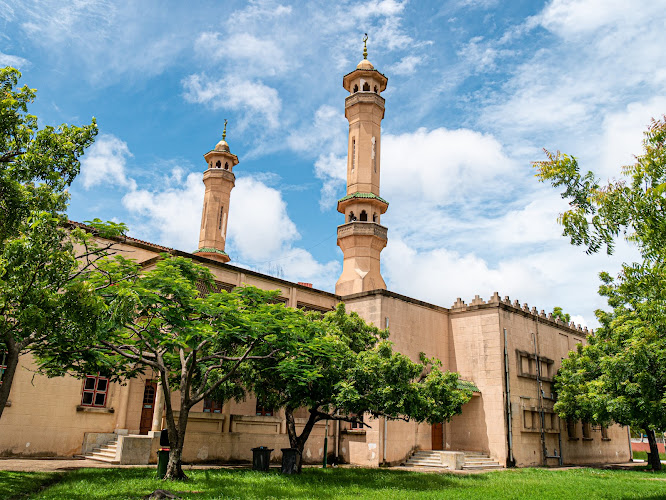
King Fahad Mosque
About King Fahad Mosque
Description
There’s something quietly powerful about the King Fahad Mosque in Banjul. It’s not the kind of place that shouts for attention with flashy lights or towering billboards—it simply stands there, graceful and serene, radiating a sense of calm that you can almost feel the moment you step inside. Built with the support of Saudi Arabia’s King Fahd, the mosque has become one of Gambia’s most significant places of worship and a symbol of faith, unity, and architectural beauty. Whether you’re Muslim or not, this place has a way of making you pause and reflect. I remember my first visit—early morning, the air still cool, the sound of the call to prayer echoing softly through the streets—it was one of those rare travel moments that stays with you long after you’ve moved on.
The mosque’s design blends traditional Islamic artistry with subtle West African influences. Its clean white façade, elegant domes, and tall minarets make it a striking sight against Banjul’s skyline. Inside, the prayer hall is spacious and peaceful, with intricate geometric patterns and soft lighting that create a sense of reverence. It’s not just a place of prayer—it’s a community hub where people gather, share stories, and find comfort. The atmosphere feels open and welcoming, even to visitors who simply want to learn or observe respectfully.
What I love most is how the King Fahad Mosque manages to feel both grand and humble. It’s large enough to hold thousands during Friday prayers, yet it never feels overwhelming. The people here often greet visitors with a warm smile or a quiet nod, a small gesture that somehow makes you feel part of something bigger. And yes, there are basic amenities like restrooms available—always a relief when you’re exploring in the heat of the day. You’ll likely notice how well-kept everything is, a reflection of the community’s pride and respect for this sacred space.
Key Features
- Architectural elegance: The mosque features a stunning combination of Islamic design and Gambian simplicity, with white marble-like surfaces, delicate arches, and tall, symmetrical minarets that catch the sunlight beautifully.
- Spacious prayer hall: The main hall accommodates large congregations, especially during Friday prayers and religious festivals, yet maintains a calm, contemplative feel.
- Community center: Beyond being a place of worship, the mosque serves as a gathering space for religious education, charity events, and social discussions.
- Accessible amenities: Visitors will find clean restrooms and shaded areas nearby, which make it comfortable for travelers spending time in the area.
- Peaceful surroundings: The mosque’s location offers a quiet escape from the bustle of Banjul, ideal for those seeking a moment of reflection or a deeper understanding of local culture.
- Photographic appeal: Its symmetry and design details make it a great subject for photography—just remember to be respectful, especially during prayer times.
Best Time to Visit
If you’re planning to visit, mornings are magical. The light hits the mosque just right, throwing soft shadows that highlight its curves and domes. Late afternoons are lovely too, especially when the golden hour glow settles over the city. Fridays, of course, are the busiest—so if you want to experience the energy of communal prayer, that’s the day to come. But if you prefer a quieter visit, weekdays are perfect. The air feels still, and you can take your time walking around, soaking in the details. Gambia’s dry season, from November to May, usually offers the most comfortable weather for sightseeing, with clear skies and gentle breezes that make exploring a joy.
During Ramadan, the mosque comes alive in a different way. The nights are filled with prayer, community meals, and a sense of togetherness that’s hard to describe unless you’ve seen it yourself. Even as an outsider, you can feel the unity—it’s moving, really. Just remember to dress modestly and approach with respect during these sacred times.
How to Get There
Getting to the King Fahad Mosque isn’t complicated, but it’s worth planning ahead if you’re not familiar with Banjul’s layout. Most travelers arrive by taxi, which is the easiest and most direct option. The drivers usually know the mosque well—it’s a local landmark—so you won’t have trouble explaining where you’re headed. If you’re staying in central Banjul, it’s just a short ride away. Some visitors even choose to walk, especially if they’re exploring nearby attractions, as the streets around the mosque are generally safe and easy to navigate during the day.
Public minibuses (locally known as “gele-gele”) also pass near the area, offering a more local experience if you’re up for a bit of adventure. They’re inexpensive but can get crowded, so keep your belongings close. And if you’re driving yourself, there’s usually space to park nearby—just be mindful of prayer times when the area gets busier. I once made the mistake of arriving right at midday prayer, and let’s just say finding a parking spot was a test of patience!
Tips for Visiting
Visiting a mosque, especially one as significant as King Fahad Mosque, calls for mindfulness and respect. Here are a few things that’ll help you make the most of your visit:
- Dress modestly: Long sleeves, long pants or skirts, and a headscarf for women are recommended. It’s a small gesture that shows respect for the culture and the faith.
- Remove your shoes: You’ll be asked to take them off before entering the prayer hall. Bring socks if you’re not keen on walking barefoot.
- Be respectful during prayers: Avoid loud conversations or photography when prayers are in session. If you’re unsure, ask a local or the caretaker—it’s always appreciated.
- Ask questions: Locals are often happy to share stories or explain traditions. A simple “Salam Alaikum” (peace be upon you) goes a long way in starting a friendly conversation.
- Stay hydrated: Banjul’s heat can be intense, especially around midday. Carry water, but remember not to bring food or drinks inside the mosque itself.
- Visit nearby spots: The area around the mosque offers glimpses of everyday Gambian life—markets, small cafés, and street vendors selling everything from fresh fruit to handmade crafts.
And here’s a personal note—don’t rush your visit. Let yourself linger for a bit. Sit quietly on the steps or under the shade of a nearby tree and watch as people come and go. There’s a rhythm to life here that’s both grounding and beautiful. The King Fahad Mosque isn’t just a building—it’s a living, breathing part of Banjul’s soul. Every time I’ve been there, I’ve walked away feeling a little lighter, a little more centered. Maybe you will too.
So, if you’re traveling through Gambia and looking for a place that offers more than just a photo op, this mosque deserves a spot on your list. It’s a reminder that sometimes, the most meaningful travel experiences aren’t about checking boxes—they’re about slowing down, listening, and connecting with the spirit of a place. And trust me, the King Fahad Mosque has plenty of that to share.
Key Features
- Key Features
- Best Time to Visit
- How to Get There
- Tips for Visiting
More Details
Updated October 8, 2025
Table of Contents
Description
There’s something quietly powerful about the King Fahad Mosque in Banjul. It’s not the kind of place that shouts for attention with flashy lights or towering billboards—it simply stands there, graceful and serene, radiating a sense of calm that you can almost feel the moment you step inside. Built with the support of Saudi Arabia’s King Fahd, the mosque has become one of Gambia’s most significant places of worship and a symbol of faith, unity, and architectural beauty. Whether you’re Muslim or not, this place has a way of making you pause and reflect. I remember my first visit—early morning, the air still cool, the sound of the call to prayer echoing softly through the streets—it was one of those rare travel moments that stays with you long after you’ve moved on.
The mosque’s design blends traditional Islamic artistry with subtle West African influences. Its clean white façade, elegant domes, and tall minarets make it a striking sight against Banjul’s skyline. Inside, the prayer hall is spacious and peaceful, with intricate geometric patterns and soft lighting that create a sense of reverence. It’s not just a place of prayer—it’s a community hub where people gather, share stories, and find comfort. The atmosphere feels open and welcoming, even to visitors who simply want to learn or observe respectfully.
What I love most is how the King Fahad Mosque manages to feel both grand and humble. It’s large enough to hold thousands during Friday prayers, yet it never feels overwhelming. The people here often greet visitors with a warm smile or a quiet nod, a small gesture that somehow makes you feel part of something bigger. And yes, there are basic amenities like restrooms available—always a relief when you’re exploring in the heat of the day. You’ll likely notice how well-kept everything is, a reflection of the community’s pride and respect for this sacred space.
Key Features
- Architectural elegance: The mosque features a stunning combination of Islamic design and Gambian simplicity, with white marble-like surfaces, delicate arches, and tall, symmetrical minarets that catch the sunlight beautifully.
- Spacious prayer hall: The main hall accommodates large congregations, especially during Friday prayers and religious festivals, yet maintains a calm, contemplative feel.
- Community center: Beyond being a place of worship, the mosque serves as a gathering space for religious education, charity events, and social discussions.
- Accessible amenities: Visitors will find clean restrooms and shaded areas nearby, which make it comfortable for travelers spending time in the area.
- Peaceful surroundings: The mosque’s location offers a quiet escape from the bustle of Banjul, ideal for those seeking a moment of reflection or a deeper understanding of local culture.
- Photographic appeal: Its symmetry and design details make it a great subject for photography—just remember to be respectful, especially during prayer times.
Best Time to Visit
If you’re planning to visit, mornings are magical. The light hits the mosque just right, throwing soft shadows that highlight its curves and domes. Late afternoons are lovely too, especially when the golden hour glow settles over the city. Fridays, of course, are the busiest—so if you want to experience the energy of communal prayer, that’s the day to come. But if you prefer a quieter visit, weekdays are perfect. The air feels still, and you can take your time walking around, soaking in the details. Gambia’s dry season, from November to May, usually offers the most comfortable weather for sightseeing, with clear skies and gentle breezes that make exploring a joy.
During Ramadan, the mosque comes alive in a different way. The nights are filled with prayer, community meals, and a sense of togetherness that’s hard to describe unless you’ve seen it yourself. Even as an outsider, you can feel the unity—it’s moving, really. Just remember to dress modestly and approach with respect during these sacred times.
How to Get There
Getting to the King Fahad Mosque isn’t complicated, but it’s worth planning ahead if you’re not familiar with Banjul’s layout. Most travelers arrive by taxi, which is the easiest and most direct option. The drivers usually know the mosque well—it’s a local landmark—so you won’t have trouble explaining where you’re headed. If you’re staying in central Banjul, it’s just a short ride away. Some visitors even choose to walk, especially if they’re exploring nearby attractions, as the streets around the mosque are generally safe and easy to navigate during the day.
Public minibuses (locally known as “gele-gele”) also pass near the area, offering a more local experience if you’re up for a bit of adventure. They’re inexpensive but can get crowded, so keep your belongings close. And if you’re driving yourself, there’s usually space to park nearby—just be mindful of prayer times when the area gets busier. I once made the mistake of arriving right at midday prayer, and let’s just say finding a parking spot was a test of patience!
Tips for Visiting
Visiting a mosque, especially one as significant as King Fahad Mosque, calls for mindfulness and respect. Here are a few things that’ll help you make the most of your visit:
- Dress modestly: Long sleeves, long pants or skirts, and a headscarf for women are recommended. It’s a small gesture that shows respect for the culture and the faith.
- Remove your shoes: You’ll be asked to take them off before entering the prayer hall. Bring socks if you’re not keen on walking barefoot.
- Be respectful during prayers: Avoid loud conversations or photography when prayers are in session. If you’re unsure, ask a local or the caretaker—it’s always appreciated.
- Ask questions: Locals are often happy to share stories or explain traditions. A simple “Salam Alaikum” (peace be upon you) goes a long way in starting a friendly conversation.
- Stay hydrated: Banjul’s heat can be intense, especially around midday. Carry water, but remember not to bring food or drinks inside the mosque itself.
- Visit nearby spots: The area around the mosque offers glimpses of everyday Gambian life—markets, small cafés, and street vendors selling everything from fresh fruit to handmade crafts.
And here’s a personal note—don’t rush your visit. Let yourself linger for a bit. Sit quietly on the steps or under the shade of a nearby tree and watch as people come and go. There’s a rhythm to life here that’s both grounding and beautiful. The King Fahad Mosque isn’t just a building—it’s a living, breathing part of Banjul’s soul. Every time I’ve been there, I’ve walked away feeling a little lighter, a little more centered. Maybe you will too.
So, if you’re traveling through Gambia and looking for a place that offers more than just a photo op, this mosque deserves a spot on your list. It’s a reminder that sometimes, the most meaningful travel experiences aren’t about checking boxes—they’re about slowing down, listening, and connecting with the spirit of a place. And trust me, the King Fahad Mosque has plenty of that to share.
Key Highlights
- Key Features
- Best Time to Visit
- How to Get There
- Tips for Visiting
Location
Places to Stay Near King Fahad Mosque
Find and Book a Tour
Explore More Travel Guides
No reviews found! Be the first to review!
Traveler Reviews for King Fahad Mosque
There are no reviews yet. Be the first one to write one.
Have you visited King Fahad Mosque? Help other travelers by sharing your review.
You Might Also Like
Banjul
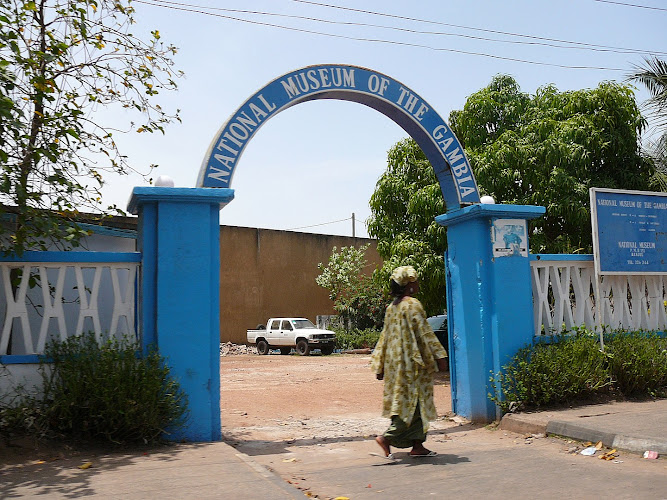
National Museum Of The Gambia
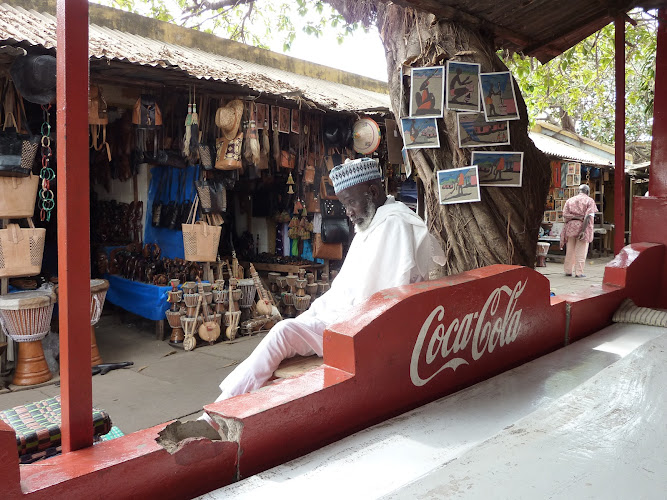
Albert Market
Find Accommodations Nearby
Recommended Tours & Activities
Visitor Reviews
There are no reviews yet. Be the first one to write one.
Share Your Experience
Have you visited King Fahad Mosque? Help other travelers by leaving a review.