
Kecskemét Város – Bozsó Gyűjtemény Alapítvány
About Kecskemét Város – Bozsó Gyűjtemény Alapítvány
Key Features
More Details
Updated April 16, 2024
Kiállítás nyílik a menza világáról Kecskeméten
## Kecskemét Város – Bozsó Gyűjtemény Alapítvány: what to expect at the Klapka-ház collection (Klapka u. 34)
If you like museums that feel lived-in rather than “white wall + spotlights,” Kecskemét Város – Bozsó Gyűjtemény Alapítvány is a strong bet. The collection sits inside the Klapka-ház, a baroque residential building in Kecskemét, and the whole visit is shaped by that domestic scale—rooms that read like historic interiors, not just galleries.
### Quick facts (from official/registry sources)
– Name: Kecskemét Város – Bozsó Gyűjtemény Alapítvány (Bozsó Gyűjtemény)
– Address: 6000 Kecskemét, Klapka u. 34, Hungary
– Typical opening hours: Thursday–Sunday, 10:00–18:00
– Phone: +36 (76) 324-625; +36 (76) 417-130
– Email: [email protected]
– Website: bozso.net
Outdated-data flag: opening hours and ticket prices can change seasonally, on holidays, or for private events. Even reputable third-party listings sometimes conflict, so treat the hours/prices below as “as last published,” then verify on bozso.net or by phone before you go.
—
## Why this place matters in Kecskemét
### The building is part of the story
According to the City of Kecskemét’s tourism page, the Klapka-ház was built in 1786 in a style reflecting a then-common “peasant-bourgeois” way of life. It’s also associated with György Klapka, who lived here between 1832–1834 (as a young Piarist student) to learn Hungarian.
That matters because the Bozsó collection isn’t presented as an abstract “inventory.” It’s installed across rooms that naturally suit furniture, ceramics, devotional objects, and everyday material culture—exactly the kind of objects that lose impact when they’re removed from an interior context.
### It’s anchored to a local artist-collector
A long-form profile of the collection notes that Bozsó János (1922–1998), a Kecskemét painter (described there as Munkácsy Prize–winning), is closely tied to the site: he established his first independent studio here in 1957, and later built up extensive holdings of folk-art and applied-art objects. The same source states he donated a multi-thousand-piece collection to the city in 1975, and the museum opened in 1979.
(That timeline is useful for travelers: you’re not just “seeing stuff”—you’re stepping into a collector’s life project, later institutionalized.)
—
## What you can see inside: the permanent exhibitions
On the Bozsó foundation’s site, the permanent displays are grouped into:
– Bozsó János paintings
– Church art (Egyházművészeti kiállítás)
– Applied arts (Iparművészeti kiállítás)
– Ethnography / folk culture (Néprajzi kiállítás)
The City of Kecskemét page adds concrete scale: the permanent exhibition preserves the collector’s “original arrangement” across nearly 1200 m², spanning Hungarian folk art, European applied arts, and church art.
### The “don’t-miss” sub-collection: Hanga István’s clocks
One detail that many visitors miss when planning: the building also houses a special clock collection associated with Hanga István, a master clockmaker.
If you’re deciding how long to budget, factor this in—clock collections tend to slow people down because you end up reading makers’ marks, mechanisms, and cases.
—
## A practical visit plan (so you don’t waste your best hour)
### How long to spend
Based on the documented range of permanent material (multiple exhibition types plus the clock collection), a realistic on-site plan is:
– 60–90 minutes if you move briskly and focus on one or two sections (e.g., ethnography + clocks).
– 2 hours if you want a calmer room-by-room read and time to pause on objects.
(That’s guidance, not a guarantee—your pace will depend on whether you read Hungarian labels, take photos, or visit during a guided tour.)
### Best time of day
If you want quieter rooms, aim for earlier in the day within the Thu–Sun opening window. The museum is in a central area, walkable from other sights, so it can pick up foot traffic later.
### Visiting outside regular hours
The city’s listing notes the museum can be visited outside normal opening hours by prior arrangement. This is especially useful for small groups or travelers with tight day trips.
—
## Tickets and fees (published prices — verify before you go)
Museum.hu lists ticket and service prices including (examples):
– Student ticket: 500 HUF
– Adult group ticket (10+): 800 HUF
– Family ticket (2 adults + 1 child; extra child fee listed): 1600 HUF
– Photo fee (permanent exhibitions): 1000 HUF
Outdated-data flag: these amounts are from a registry listing and may change; confirm with the museum directly for current pricing and what “photo” permits (flash restrictions, commercial use, etc.).
—
## How to combine it with nearby Kecskemét sights (low-friction routing)
The city tourism page explicitly lists nearby places, which makes itinerary-building easy:
– Hungarian Museum of Photography (Magyar Fotográfiai Múzeum)
– Cifrapalota
– Katona József Memorial House
– Leskowsky Musical Instrument Collection
– Szent Erzsébet Parish
If you’re stitching this into a RealJourneyTravels day plan, the cleanest sequence is:
1. Bozsó Gyűjtemény (2 hours max)
2. A short walk to another “object-rich” museum (Photography Museum or Leskowsky instruments) to keep momentum
3. Finish at a landmark building visit (Cifrapalota)
—
## Accessibility and inclusivity notes (what’s not clearly documented)
I didn’t see clear, official statements in the sources above about:
– step-free entrance / elevator access
– accessible toilets
– label language availability (Hungarian/English)
– sensory considerations (quiet hours, low-stimulation routing)
If accessibility matters for your group, the most reliable approach is to call or email ahead using the published contact details.
—
## Suggested internal links (contextual, RealJourneyTravels)
To keep readers moving through your Kecskemét cluster, these two links fit naturally:
– Pair the museum with your broader city orientation: Kecskemét guide
– Add a quick nearby stop for a short cultural walk: Kecskemét második Vers-fája (Kossuth tér)
—
## Location details (from your dataset)
– Location: Kecskemét Város – Bozsó Gyűjtemény Alapítvány
– Address: Kecskemét, Klapka u. 34, 6000 Hungary
– Coordinates: 46.9059263, 19.7003134
– Rating: 4.7
– Type: Tourist attraction
Table of Contents
Key Highlights
Kecskemét Város – Bozsó Gyűjtemény Alapítvány
Location
Places to Stay Near Kecskemét Város - Bozsó Gyűjtemény Alapítvány
Find and Book a Tour
Explore More Travel Guides
No reviews found! Be the first to review!
Traveler Reviews for Kecskemét Város – Bozsó Gyűjtemény Alapítvány
There are no reviews yet. Be the first one to write one.
Have you visited Kecskemét Város – Bozsó Gyűjtemény Alapítvány? Help other travelers by sharing your review.
You Might Also Like
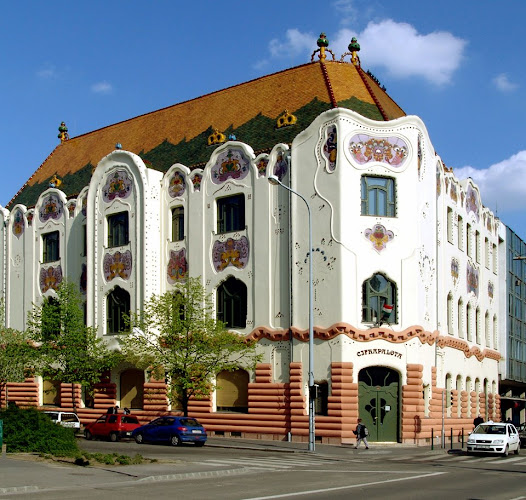
Cifra Palace
Hirös hét Kecskemét
Nyíri út 48-6000
Find Accommodations Nearby
Recommended Tours & Activities
Visitor Reviews
There are no reviews yet. Be the first one to write one.
Share Your Experience
Have you visited Kecskemét Város – Bozsó Gyűjtemény Alapítvány? Help other travelers by leaving a review.