
Kansas City Workhouse
About Kansas City Workhouse
Key Features
More Details
Updated June 11, 2025
## Kansas City Workhouse (City Workhouse Castle): the “castle” that used to be a jail — and what to know before you go
At 2001 Vine Street, just south of Kansas City’s storied 18th & Vine area, there’s a building that looks like it belongs in a medieval postcard: thick yellow-limestone walls, castellated towers, and a silhouette that reads “fairy tale” from a distance. The twist is the point. This wasn’t built for nobility. It was built as a municipal workhouse/jail in the late 1800s—one of the city’s most visually striking reminders that “civic pride” and “punishment” often shared the same address. City Public Library
Today, it’s commonly called the Kansas City Workhouse or Workhouse Castle (also “Vine Street Workhouse Castle” / “Brant Castle”). It’s widely photographed, heavily graffitied, and still emotionally loaded—because the story isn’t just architectural. It’s about how cities handled poverty, petty offenses, and public order, and how those policies echoed broader American patterns that often hit marginalized communities hardest.
—
## Quick facts (grounded, not guessed)
– Place name(s): Kansas City Workhouse; City Workhouse Castle; Vine Street Workhouse Castle; “Brant Castle”
– Address: 2001 Vine St, Kansas City, MO 64108, United States City Public Library
– Original purpose: Workhouse/municipal jail City Public Library
– Opened: 1897 City Public Library
– Architectural style: Romanesque Revival City Public Library
– Material: Yellow limestone (including limestone quarried by prisoners on site) City Public Library
– Current status: Vacant / deteriorated (not operating as a museum) City Public Library
– Public ratings: commonly around 4.3/5 on visitor platforms (reflecting photo interest more than “attraction operations”)
—
## Why it looks like a castle in the first place
The Workhouse Castle is a useful case study in how late-19th-century cities marketed themselves. Kansas City was growing fast, and civic leaders wanted institutions—yes, even punitive ones—that looked modern and permanent. The building’s Romanesque Revival style gave it a grand, fortress-like presence, and contemporary reporting framed the design choice almost casually: if the exterior grandeur “doesn’t cost any more,” why not? City Public Library
The irony is that the cost savings were partly engineered through inmate labor, including quarrying yellow limestone used in the structure itself. Kansas City Public Library’s KCQ feature makes that point bluntly: the stone was quarried by prisoners, and the building was built with imposing defensive features (including very thick walls and a steel-lined dungeon in the basement). City Public Library
—
## What “workhouse” meant here (and why that matters)
A “workhouse” wasn’t just “a jail with chores.” It was a model of punishment built around forced labor—often for petty offenses, vagrancy, and other low-level municipal violations. Multiple local sources describe the Vine Street Workhouse population as largely vagrants and petty offenders, with labor tied to public works.
That’s where the building becomes bigger than Kansas City. In the United States, vagrancy and “suspicious persons” laws historically focused less on a specific criminal act and more on policing who looked “out of place” or “idle.” Oxford Research Encyclopedia summarizes how these laws targeted objectionable “out of place” people rather than clearly defined crimes, and legal scholarship describes how vagrancy laws were often premised on moral judgments about poverty.
It’s also historically documented that post–Civil War “Black Codes” in parts of the U.S. included vagrancy provisions that targeted unemployed Black people, and criminology research shows disproportionate Black overrepresentation in certain low-level “order” arrests (including vagrancy/disorderly conduct) across eras. That doesn’t mean every Kansas City arrest followed that exact pattern—but it’s part of the broader context visitors should hold when they describe the site as “cool” without mentioning what it represented.
—
## A timeline you can trust (with the caveat that details vary by source)
Here’s what the most consistent sources agree on:
– 1897: The castle-like workhouse opens, replacing an earlier municipal jail/workhouse nearby. City Public Library
– Early 1900s: Conditions were criticized; city leadership pursued alternatives. KC Public Library notes that by 1909 the mayor pushed for a better facility, and the city moved toward a municipal farm model. City Public Library
– By 1924 (at the latest): Cells were emptied and its correctional use ended. City Public Library
– Mid-20th century: Repurposed for various city uses (offices, storage; reports also mention training exercises). City Public Library
– 1972: The city abandoned/shuttered it; it entered its long era of vacancy and decay. City Public Library
Outdated-data flag: redevelopment proposals and ownership arrangements have shifted multiple times over the years. For example, KC Public Library discussed a proposed housing development in 2020, while Flatland KC reported the property being marketed again in late 2023 after a redevelopment plan fell through. Treat any “it’s about to be renovated” claim you hear on social media as time-sensitive and verify with current reporting. City Public Library
—
## Visiting today: what you can safely assume vs. what you should verify
### What’s safe to state
– The structure is vacant/deteriorated, and it attracts visitors primarily for photography and urban-history curiosity rather than formal interpretation. City Public Library
### What you should not assume (because it changes)
– Hours, tours, open access, or legal entry. It is not presented in the sources as an operating museum, and redevelopment/ownership status has changed.
### Practical, low-risk way to experience it
– Treat it as a view-from-the-street landmark unless you have explicit permission to enter. The site’s condition (collapsed interiors/ruins described across sources) raises real safety issues even before you get to legality.
If you’re building an itinerary around it, pair the stop with nearby 18th & Vine cultural sites that are fully interpreted and publicly accessible (museums, heritage institutions, jazz history). The Workhouse Castle makes more sense when it’s not a standalone “ruin photo”—but a chapter in how the city developed and who paid the social cost of “order.” City Public Library
—
## Two contextual internal-link opportunities (no made-up URLs)
Because I can’t verify your site’s existing URL structure from here, I’m not going to invent internal links. But these are the two most natural, high-intent anchors to link into and out of this article if those pages exist on RealJourneyTravels.com:
– “18th & Vine Jazz District guide” (context: cultural history + nearby walking route)
– “Negro Leagues Baseball Museum guide” or “American Jazz Museum guide” (context: interpreted history vs. abandoned history)
—
## What to say (and not say) in a publish-ready description
If you want this post to be accurate and responsible, avoid framing the Workhouse Castle as a “hidden gem.” It’s a photogenic artifact of a system that criminalized poverty and enforced labor—sometimes under laws that, across American history, have been applied unevenly. The building’s appeal is real, but so is its weight.
Table of Contents
Key Highlights
Kansas City Workhouse
Location
Places to Stay Near Kansas City Workhouse"I wish they would make it a museum or something."
Find and Book a Tour
Explore More Travel Guides
No reviews found! Be the first to review!
Traveler Reviews for Kansas City Workhouse
There are no reviews yet. Be the first one to write one.
Have you visited Kansas City Workhouse? Help other travelers by sharing your review.
You Might Also Like

Fountain in Mill Creek Park

Swope Park Mountain Bike Trail
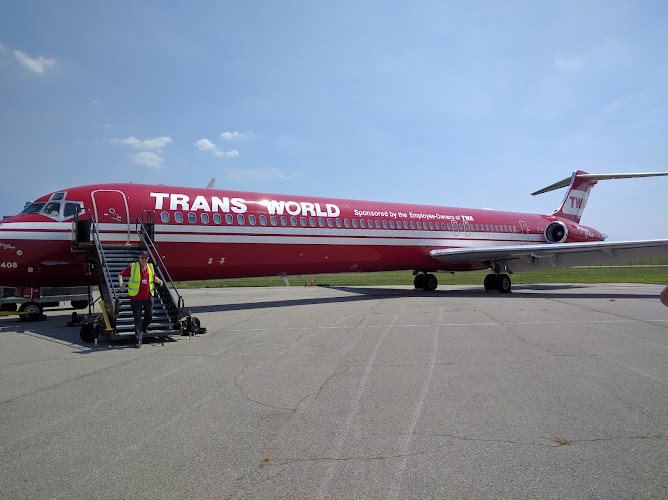
TWA Museum
Find Accommodations Nearby
Recommended Tours & Activities
Visitor Reviews
There are no reviews yet. Be the first one to write one.
Share Your Experience
Have you visited Kansas City Workhouse? Help other travelers by leaving a review.