
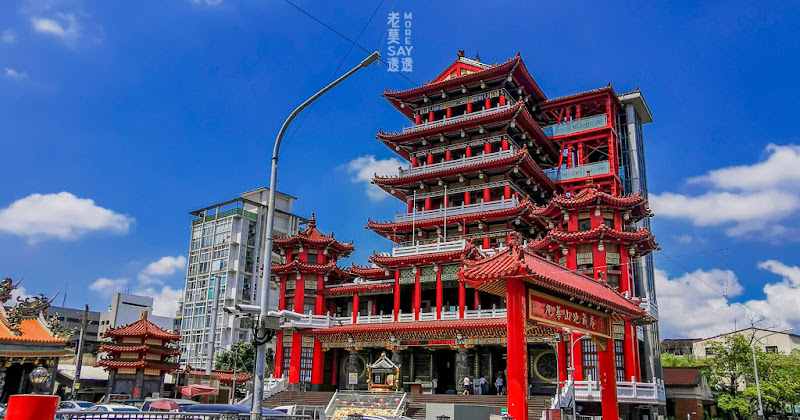
Jiuhua Mountain Temple
About Jiuhua Mountain Temple
Description
If you’re the kind of traveler who digs a blend of history, spirituality, and a dash of architectural wow, Jiuhua Mountain Temple is a spot you’ll want to carve out some time for. This temple isn’t just another pretty face on the mountain; it’s a crimson, multi-level marvel decked out with ornate, gilded statues that really catch the eye and tug at the soul. Dedicated to Kṣitigarbha Bodhisattva, the temple carries a deep spiritual vibe that’s palpable the moment you step inside. It’s like the mountain itself breathes through these walls, whispering stories from centuries past.
Now, I’ll be honest, it’s not all flawless perfection here—some visitors have found parts a bit crowded or the upkeep not always pristine, but that’s kind of part of the charm, right? The temple’s age and the sheer number of pilgrims and tourists it draws daily mean it’s alive, bustling, and a little imperfect, which somehow makes the experience feel more genuine. Plus, it’s pretty accessible, with wheelchair-friendly entrances and parking, so it’s welcoming to a wide range of visitors. And yes, there are restrooms, which for a mountain temple is always a relief to know.
What really sets this place apart, though, is its connection to Kṣitigarbha Bodhisattva, the guardian of souls and the savior of the underworld in Buddhist lore. The temple’s gilded statues aren’t just decorations; they’re symbols of hope and compassion that have drawn pilgrims for centuries. Walking through its halls, you can’t help but feel a sense of reverence mixed with awe, like you’re stepping into a living piece of history that’s still very much part of the present.
Key Features
- Striking crimson, multi-tiered temple architecture that stands out against the mountain’s greenery
- Ornate gilded statues of Kṣitigarbha Bodhisattva, rich in symbolism and craftsmanship
- Historical significance as one of the four sacred Buddhist mountains in China
- Wheelchair accessible entrances and parking, making it inclusive for visitors with mobility challenges
- On-site restroom facilities for visitor convenience
- Peaceful surroundings with misty mountain views that enhance the spiritual atmosphere
- Close proximity to other ancient temples and pilgrimage routes, perfect for those who want to explore deeper
Best Time to Visit
Picking the right time to visit Jiuhua Mountain Temple can totally change your experience. If you can, aim for spring or autumn. Spring brings a fresh breeze and blooming flowers that soften the temple’s bold reds, making everything look like a painting. Autumn, on the other hand, dresses the mountain in warm, golden hues that contrast beautifully with the temple’s gilded details. Plus, the weather is just right—not too hot, not too chilly.
Summer might sound tempting because of the longer days, but be warned: it can get pretty crowded, especially during Chinese public holidays and Buddhist festivals. And the humidity? Let’s just say it’s not for the faint-hearted. Winter is quieter and can feel almost mystical with the occasional mist rolling through, but it’s also colder and some paths might be slippery, so pack accordingly.
How to Get There
Getting to Jiuhua Mountain Temple is a bit of an adventure in itself, but that’s part of the fun. Most travelers start from the nearby city hubs, hopping on buses or hiring private cars that wind up the mountain roads. The journey offers some seriously stunning views, so keep your camera handy because you’ll want to snap those moments when the mist curls around the peaks.
If you’re coming from further away, the nearest major city has train and flight connections, and from there, it’s a scenic drive. Once you arrive at the base of the mountain, there are shuttle buses and cable cars that can take you closer to the temple area, saving your legs for exploring rather than climbing. For the more adventurous souls, hiking up the trails is an option too, but be prepared for some steep sections.
Tips for Visiting
Alright, here’s where I get a bit personal. When I visited Jiuhua Mountain Temple, I learned a few things the hard way—like how important it is to wear comfy shoes. The temple’s multi-level layout means lots of walking and stairs, so don’t be that person hobbling around halfway through. Also, bring some cash because while the temple is mostly free to enter, some smaller shrines and local vendors might not accept cards.
Respect is key here. This is a place of worship, so keep your voice down, dress modestly, and be mindful of the rituals happening around you. It’s tempting to snap photos everywhere, but some areas are off-limits for cameras, so watch for signs or ask politely.
Don’t rush. The temple and its surroundings are perfect for slowing down and soaking in the atmosphere. Grab a cup of tea from one of the nearby stalls, sit on a bench, and watch pilgrims and monks go about their day. It’s like stepping into a different rhythm of life.
Lastly, if you have time, explore beyond the main temple. There are over 50 temples scattered around the mountain, each with its own story and vibe. Some are quieter, less touristy, and offer a more intimate glimpse into Buddhist culture. Trust me, those hidden gems are worth the extra steps.
Key Features
- Striking crimson, multi-tiered temple architecture that stands out against the mountain’s greenery
- Ornate gilded statues of Kṣitigarbha Bodhisattva, rich in symbolism and craftsmanship
- Historical significance as one of the four sacred Buddhist mountains in China
- Wheelchair accessible entrances and parking, making it inclusive for visitors with mobility challenges
- On-site restroom facilities for visitor convenience
- Peaceful surroundings with misty mountain views that enhance the spiritual atmosphere
- Close proximity to other ancient temples and pilgrimage routes, perfect for those who want to explore deeper
More Details
Updated July 21, 2025
Table of Contents
Description
If you’re the kind of traveler who digs a blend of history, spirituality, and a dash of architectural wow, Jiuhua Mountain Temple is a spot you’ll want to carve out some time for. This temple isn’t just another pretty face on the mountain; it’s a crimson, multi-level marvel decked out with ornate, gilded statues that really catch the eye and tug at the soul. Dedicated to Kṣitigarbha Bodhisattva, the temple carries a deep spiritual vibe that’s palpable the moment you step inside. It’s like the mountain itself breathes through these walls, whispering stories from centuries past.
Now, I’ll be honest, it’s not all flawless perfection here—some visitors have found parts a bit crowded or the upkeep not always pristine, but that’s kind of part of the charm, right? The temple’s age and the sheer number of pilgrims and tourists it draws daily mean it’s alive, bustling, and a little imperfect, which somehow makes the experience feel more genuine. Plus, it’s pretty accessible, with wheelchair-friendly entrances and parking, so it’s welcoming to a wide range of visitors. And yes, there are restrooms, which for a mountain temple is always a relief to know.
What really sets this place apart, though, is its connection to Kṣitigarbha Bodhisattva, the guardian of souls and the savior of the underworld in Buddhist lore. The temple’s gilded statues aren’t just decorations; they’re symbols of hope and compassion that have drawn pilgrims for centuries. Walking through its halls, you can’t help but feel a sense of reverence mixed with awe, like you’re stepping into a living piece of history that’s still very much part of the present.
Key Features
- Striking crimson, multi-tiered temple architecture that stands out against the mountain’s greenery
- Ornate gilded statues of Kṣitigarbha Bodhisattva, rich in symbolism and craftsmanship
- Historical significance as one of the four sacred Buddhist mountains in China
- Wheelchair accessible entrances and parking, making it inclusive for visitors with mobility challenges
- On-site restroom facilities for visitor convenience
- Peaceful surroundings with misty mountain views that enhance the spiritual atmosphere
- Close proximity to other ancient temples and pilgrimage routes, perfect for those who want to explore deeper
Best Time to Visit
Picking the right time to visit Jiuhua Mountain Temple can totally change your experience. If you can, aim for spring or autumn. Spring brings a fresh breeze and blooming flowers that soften the temple’s bold reds, making everything look like a painting. Autumn, on the other hand, dresses the mountain in warm, golden hues that contrast beautifully with the temple’s gilded details. Plus, the weather is just right—not too hot, not too chilly.
Summer might sound tempting because of the longer days, but be warned: it can get pretty crowded, especially during Chinese public holidays and Buddhist festivals. And the humidity? Let’s just say it’s not for the faint-hearted. Winter is quieter and can feel almost mystical with the occasional mist rolling through, but it’s also colder and some paths might be slippery, so pack accordingly.
How to Get There
Getting to Jiuhua Mountain Temple is a bit of an adventure in itself, but that’s part of the fun. Most travelers start from the nearby city hubs, hopping on buses or hiring private cars that wind up the mountain roads. The journey offers some seriously stunning views, so keep your camera handy because you’ll want to snap those moments when the mist curls around the peaks.
If you’re coming from further away, the nearest major city has train and flight connections, and from there, it’s a scenic drive. Once you arrive at the base of the mountain, there are shuttle buses and cable cars that can take you closer to the temple area, saving your legs for exploring rather than climbing. For the more adventurous souls, hiking up the trails is an option too, but be prepared for some steep sections.
Tips for Visiting
Alright, here’s where I get a bit personal. When I visited Jiuhua Mountain Temple, I learned a few things the hard way—like how important it is to wear comfy shoes. The temple’s multi-level layout means lots of walking and stairs, so don’t be that person hobbling around halfway through. Also, bring some cash because while the temple is mostly free to enter, some smaller shrines and local vendors might not accept cards.
Respect is key here. This is a place of worship, so keep your voice down, dress modestly, and be mindful of the rituals happening around you. It’s tempting to snap photos everywhere, but some areas are off-limits for cameras, so watch for signs or ask politely.
Don’t rush. The temple and its surroundings are perfect for slowing down and soaking in the atmosphere. Grab a cup of tea from one of the nearby stalls, sit on a bench, and watch pilgrims and monks go about their day. It’s like stepping into a different rhythm of life.
Lastly, if you have time, explore beyond the main temple. There are over 50 temples scattered around the mountain, each with its own story and vibe. Some are quieter, less touristy, and offer a more intimate glimpse into Buddhist culture. Trust me, those hidden gems are worth the extra steps.
Key Highlights
- Striking crimson, multi-tiered temple architecture that stands out against the mountain’s greenery
- Ornate gilded statues of Kṣitigarbha Bodhisattva, rich in symbolism and craftsmanship
- Historical significance as one of the four sacred Buddhist mountains in China
- Wheelchair accessible entrances and parking, making it inclusive for visitors with mobility challenges
- On-site restroom facilities for visitor convenience
- Peaceful surroundings with misty mountain views that enhance the spiritual atmosphere
- Close proximity to other ancient temples and pilgrimage routes, perfect for those who want to explore deeper
Location
Places to Stay Near Jiuhua Mountain Temple
Find and Book a Tour
Explore More Travel Guides
No reviews found! Be the first to review!
Traveler Reviews for Jiuhua Mountain Temple
There are no reviews yet. Be the first one to write one.
Have you visited Jiuhua Mountain Temple? Help other travelers by sharing your review.
You Might Also Like
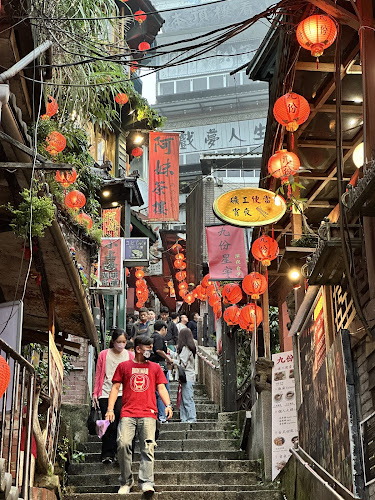
Jiufen Old Street

Jiaobanshan Park

Taijiang National Park
Find Accommodations Nearby
Recommended Tours & Activities
Visitor Reviews
There are no reviews yet. Be the first one to write one.
Share Your Experience
Have you visited Jiuhua Mountain Temple? Help other travelers by leaving a review.