
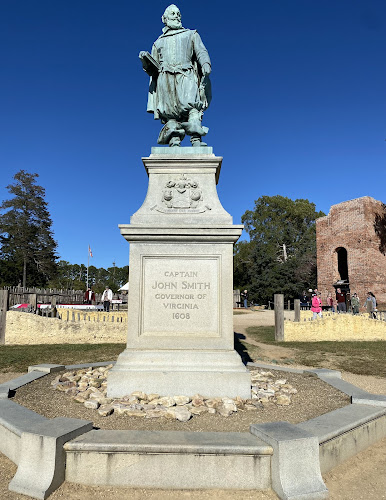
Jamestown VA
About Jamestown VA
Description
Jamestown, Virginia, is one of those rare places where you can literally walk through the pages of American history. It’s not just a museum—though yes, there are museum elements—it’s a living, breathing story of the country’s first permanent English settlement. Travelers who make their way here often talk about how it feels like stepping into another time, where the past isn’t just behind glass but right there under your feet. The area blends reconstructed sites, archaeological digs, and interactive exhibits, so you’re not just reading about history, you’re standing in the middle of it.
The overall experience is overwhelmingly positive, though like any destination, not every visitor walks away with the same impression. Some folks are captivated for hours, while others feel it could use a bit more polish in certain areas. But the general consensus leans heavily toward it being a must-see if you’re in Virginia or anywhere near Williamsburg. Families with kids tend to especially enjoy the hands-on parts—like seeing how settlers lived, or watching costumed interpreters demonstrate old-world skills. And honestly, even as an adult, you might find yourself leaning in a little closer than expected when someone’s showing how a cannon was fired or how food was cooked over an open flame.
One of the things that makes Jamestown stand out is its setting along the river. There’s something about the water that adds a sense of calm and perspective. You can almost picture the ships arriving centuries ago, with settlers stepping onto unfamiliar soil. The combination of museum-quality exhibits and the natural landscape makes it feel less like a typical museum visit and more like an immersive journey. It’s not perfect, but it’s real, and that’s what makes it so memorable.
Key Features
- Wheelchair accessible entrance, parking, and restrooms, making it easy for all visitors to explore comfortably
- Guided tours available for those who prefer a structured experience with expert storytelling
- On-site restrooms and parking for convenience
- Interactive exhibits and demonstrations that are especially engaging for kids
- Admission requires a ticket, and buying in advance is recommended to save time
- Scenic riverfront setting that adds both beauty and historical context
- Blend of museum exhibits, archaeological sites, and outdoor reconstructions
Best Time to Visit
If you ask locals, they’ll probably tell you that spring and fall are the sweet spots. The weather is mild, the crowds are a little thinner, and you won’t find yourself melting in Virginia’s summer humidity. Personally, I think autumn has a special charm here—the leaves changing color along the riverbanks create a backdrop that feels almost cinematic. Summer can be fun too, especially if you’re traveling with kids who are out of school, but be prepared for higher temperatures and more people. Winter is quieter, which can be nice if you prefer a slower pace, but some of the outdoor experiences feel a bit less lively when it’s cold and gray.
So if you’re planning a trip and want that balance of good weather and a bit of elbow room, circle April-May or September-October on your calendar. That’s when Jamestown really shines.
How to Get There
Getting to Jamestown is pretty straightforward. Most travelers come through Williamsburg, which is just a short drive away. If you’re flying in, the nearest major airports are in Richmond or Norfolk, both about an hour’s drive. From there, it’s mostly highway until you turn onto scenic roads that lead you right into the historic area. Driving is by far the easiest way, especially since there’s on-site parking available, and you’ll probably want the flexibility of having your own car to explore nearby attractions like Colonial Williamsburg or Yorktown.
If you’re more of a public transportation person, options are a bit limited. There are buses and shuttles that connect parts of the Historic Triangle, but schedules can be tricky if you’re trying to maximize your time. Honestly, I’d recommend renting a car if you don’t have one—it’ll save you a lot of hassle.
Tips for Visiting
Here’s where I get a little opinionated, but hey, that’s what makes travel advice useful, right? First off, buy your tickets in advance. It’s not just about skipping lines—it also gives you peace of mind knowing you’ve got your spot secured. Second, wear comfortable shoes. You’ll be walking a lot, and some of the paths are uneven, especially around the outdoor reconstructions. I made the mistake of wearing sandals once, and let’s just say my feet weren’t thanking me by the end of the day.
Bring water and maybe a snack, especially if you’re visiting with kids. There are amenities, but having your own backup makes life easier. And don’t rush it. Give yourself at least half a day here, if not more. The museum exhibits alone can take a while if you’re someone who likes to read every plaque (guilty as charged). But the real magic happens when you slow down—watching the interpreters, standing by the river, or just imagining what life was like for the settlers.
If you’re traveling with kids, prep them a little beforehand. A quick story about Pocahontas or Captain John Smith can go a long way in making the visit more engaging for them. And if you’re into photography, bring your camera—the river views and recreated fort make for some pretty striking shots.
Lastly, keep in mind that this isn’t a theme park. It’s history brought to life, and that means some parts are more subtle than flashy. But if you go in with curiosity and a bit of patience, you’ll come away with a deeper appreciation for how this small settlement shaped the future of an entire nation.
Key Features
- Wheelchair accessible entrance, parking, and restrooms, making it easy for all visitors to explore comfortably
- Guided tours available for those who prefer a structured experience with expert storytelling
- On-site restrooms and parking for convenience
- Interactive exhibits and demonstrations that are especially engaging for kids
- Admission requires a ticket, and buying in advance is recommended to save time
- Scenic riverfront setting that adds both beauty and historical context
- Blend of museum exhibits, archaeological sites, and outdoor reconstructions
More Details
Updated October 2, 2025
Table of Contents
Description
Jamestown, Virginia, is one of those rare places where you can literally walk through the pages of American history. It’s not just a museum—though yes, there are museum elements—it’s a living, breathing story of the country’s first permanent English settlement. Travelers who make their way here often talk about how it feels like stepping into another time, where the past isn’t just behind glass but right there under your feet. The area blends reconstructed sites, archaeological digs, and interactive exhibits, so you’re not just reading about history, you’re standing in the middle of it.
The overall experience is overwhelmingly positive, though like any destination, not every visitor walks away with the same impression. Some folks are captivated for hours, while others feel it could use a bit more polish in certain areas. But the general consensus leans heavily toward it being a must-see if you’re in Virginia or anywhere near Williamsburg. Families with kids tend to especially enjoy the hands-on parts—like seeing how settlers lived, or watching costumed interpreters demonstrate old-world skills. And honestly, even as an adult, you might find yourself leaning in a little closer than expected when someone’s showing how a cannon was fired or how food was cooked over an open flame.
One of the things that makes Jamestown stand out is its setting along the river. There’s something about the water that adds a sense of calm and perspective. You can almost picture the ships arriving centuries ago, with settlers stepping onto unfamiliar soil. The combination of museum-quality exhibits and the natural landscape makes it feel less like a typical museum visit and more like an immersive journey. It’s not perfect, but it’s real, and that’s what makes it so memorable.
Key Features
- Wheelchair accessible entrance, parking, and restrooms, making it easy for all visitors to explore comfortably
- Guided tours available for those who prefer a structured experience with expert storytelling
- On-site restrooms and parking for convenience
- Interactive exhibits and demonstrations that are especially engaging for kids
- Admission requires a ticket, and buying in advance is recommended to save time
- Scenic riverfront setting that adds both beauty and historical context
- Blend of museum exhibits, archaeological sites, and outdoor reconstructions
Best Time to Visit
If you ask locals, they’ll probably tell you that spring and fall are the sweet spots. The weather is mild, the crowds are a little thinner, and you won’t find yourself melting in Virginia’s summer humidity. Personally, I think autumn has a special charm here—the leaves changing color along the riverbanks create a backdrop that feels almost cinematic. Summer can be fun too, especially if you’re traveling with kids who are out of school, but be prepared for higher temperatures and more people. Winter is quieter, which can be nice if you prefer a slower pace, but some of the outdoor experiences feel a bit less lively when it’s cold and gray.
So if you’re planning a trip and want that balance of good weather and a bit of elbow room, circle April-May or September-October on your calendar. That’s when Jamestown really shines.
How to Get There
Getting to Jamestown is pretty straightforward. Most travelers come through Williamsburg, which is just a short drive away. If you’re flying in, the nearest major airports are in Richmond or Norfolk, both about an hour’s drive. From there, it’s mostly highway until you turn onto scenic roads that lead you right into the historic area. Driving is by far the easiest way, especially since there’s on-site parking available, and you’ll probably want the flexibility of having your own car to explore nearby attractions like Colonial Williamsburg or Yorktown.
If you’re more of a public transportation person, options are a bit limited. There are buses and shuttles that connect parts of the Historic Triangle, but schedules can be tricky if you’re trying to maximize your time. Honestly, I’d recommend renting a car if you don’t have one—it’ll save you a lot of hassle.
Tips for Visiting
Here’s where I get a little opinionated, but hey, that’s what makes travel advice useful, right? First off, buy your tickets in advance. It’s not just about skipping lines—it also gives you peace of mind knowing you’ve got your spot secured. Second, wear comfortable shoes. You’ll be walking a lot, and some of the paths are uneven, especially around the outdoor reconstructions. I made the mistake of wearing sandals once, and let’s just say my feet weren’t thanking me by the end of the day.
Bring water and maybe a snack, especially if you’re visiting with kids. There are amenities, but having your own backup makes life easier. And don’t rush it. Give yourself at least half a day here, if not more. The museum exhibits alone can take a while if you’re someone who likes to read every plaque (guilty as charged). But the real magic happens when you slow down—watching the interpreters, standing by the river, or just imagining what life was like for the settlers.
If you’re traveling with kids, prep them a little beforehand. A quick story about Pocahontas or Captain John Smith can go a long way in making the visit more engaging for them. And if you’re into photography, bring your camera—the river views and recreated fort make for some pretty striking shots.
Lastly, keep in mind that this isn’t a theme park. It’s history brought to life, and that means some parts are more subtle than flashy. But if you go in with curiosity and a bit of patience, you’ll come away with a deeper appreciation for how this small settlement shaped the future of an entire nation.
Key Highlights
- Wheelchair accessible entrance, parking, and restrooms, making it easy for all visitors to explore comfortably
- Guided tours available for those who prefer a structured experience with expert storytelling
- On-site restrooms and parking for convenience
- Interactive exhibits and demonstrations that are especially engaging for kids
- Admission requires a ticket, and buying in advance is recommended to save time
- Scenic riverfront setting that adds both beauty and historical context
- Blend of museum exhibits, archaeological sites, and outdoor reconstructions
Location
Places to Stay Near Jamestown VA
Find and Book a Tour
Explore More Travel Guides
No reviews found! Be the first to review!
Traveler Reviews for Jamestown VA
There are no reviews yet. Be the first one to write one.
Have you visited Jamestown VA? Help other travelers by sharing your review.
You Might Also Like
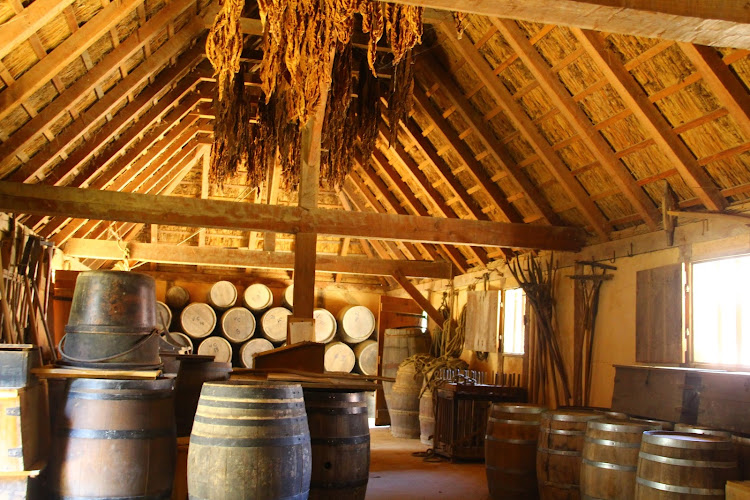
James Fort Replica
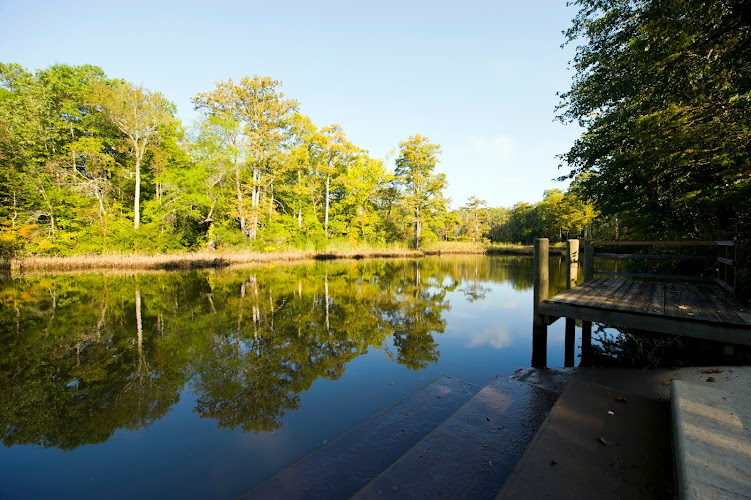
Powhatan Creek Park and Blueway
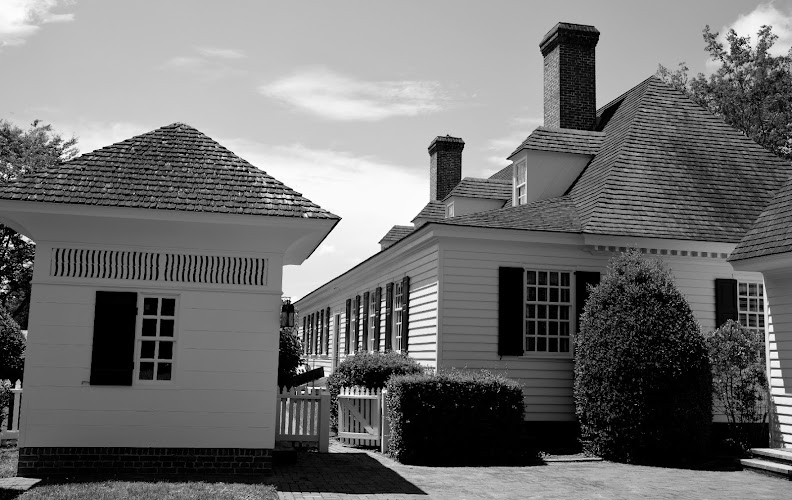
Colonial Williamsburg Visitor Center
Find Accommodations Nearby
Recommended Tours & Activities
Visitor Reviews
There are no reviews yet. Be the first one to write one.
Share Your Experience
Have you visited Jamestown VA? Help other travelers by leaving a review.