
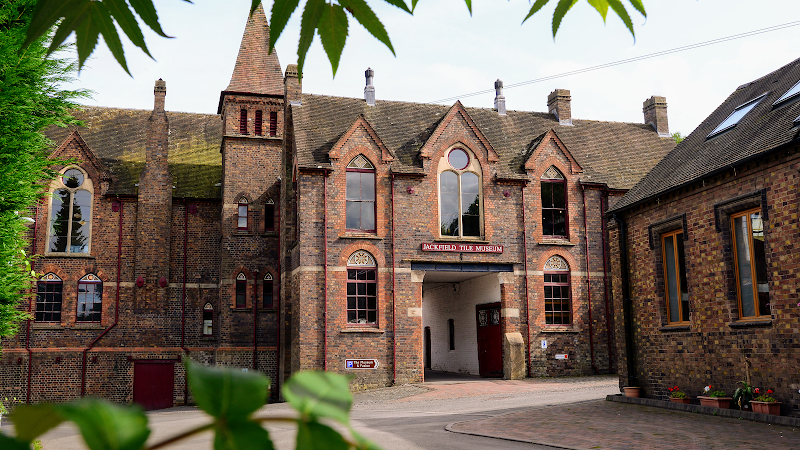
Jackfield Tile Museum
About Jackfield Tile Museum
Description
The Jackfield Tile Museum is one of those places that quietly surprises you. Tucked inside a former ceramics factory in the Ironbridge Gorge, it tells the story of Britain’s decorative tile industry from the mid-19th to the mid-20th century. And it’s not just about staring at tiles in glass cases; it’s about stepping into a world where design, craftsmanship, and industry came together. The museum still sits in a building that feels alive with history—there’s a sense that if you listen closely, you might hear the echo of workers pressing clay or glazing tiles.
What makes this museum stand out is how immersive it feels. You’re not only looking at tiles—you’re walking through recreated rooms and spaces where these tiles once adorned walls and floors. Think of old pubs, grand churches, and even the tiled butcher shops that were once a staple across Britain. Some exhibits are downright grand, while others are charmingly ordinary, and that mix makes the visit relatable. It’s not a sterile gallery; it feels lived-in and authentic.
Visitors often walk away impressed, though not every single person finds it perfect. Some might say parts feel a bit niche or that you need a true interest in design to fully appreciate it. But honestly, if you’ve got even a spark of curiosity about art, history, or just how everyday objects can be elevated into something beautiful, you’ll likely find yourself absorbed here. It’s also a family-friendly spot, with plenty of space for kids to explore and even hands-on workshops that let you get creative yourself.
There’s a café on-site too, which is always a lifesaver after wandering around for a couple of hours. And yes, the coffee and cakes are a solid reward for your cultural efforts. Practical touches like wheelchair access, restrooms, and changing tables make it welcoming to all sorts of travelers. It’s the kind of museum where you can take your time, wander at your own pace, and leave with a deeper appreciation for a craft that shaped so much of Britain’s visual identity.
Key Features
- Housed in a historic ceramics factory that’s still partially in use today
- Extensive national collection of decorative tiles from 1840–1960
- Recreated period interiors, including pubs, churches, and shops
- Hands-on design workshops for visitors of all ages
- On-site café serving meals, snacks, and drinks
- Wheelchair accessible with dedicated restrooms and parking
- Family-friendly with changing facilities and interactive exhibits
- Paid parking available close to the museum
Best Time to Visit
Timing your visit can make all the difference. Weekdays outside of school holidays are generally quieter, which means you can really take your time without feeling rushed. If you’re someone who likes to linger in front of displays or snap photos without too many people in the frame, that’s the way to go. Weekends and holiday periods bring in more families, which gives the place a lively buzz but might not be ideal if you’re after a slower, more contemplative experience.
Season-wise, spring and autumn are particularly lovely. The Ironbridge Gorge is surrounded by wooded hills, and the changing leaves or spring blossoms add an extra layer of charm to your day. Winter visits have their own appeal too—fewer crowds, a cozy café to duck into, and the bonus of feeling like you’ve got the museum almost to yourself. Summer is busy, but it’s also when the area around the Gorge really shines, so it’s worth braving the crowds if you want to combine the museum with walks or other nearby attractions.
How to Get There
Reaching the Jackfield Tile Museum isn’t complicated, but it does take a little planning. If you’re driving, follow signs for the Ironbridge Gorge—there’s paid parking on-site, and it’s close enough that you won’t have to haul bags or strollers too far. Public transport is possible, though less straightforward. The nearest larger town is Telford, and from there you can grab a bus or taxi into the Gorge. Personally, I’d recommend driving if you can, as it gives you the freedom to explore nearby museums and villages without being tied to bus timetables.
Cycling is an option if you’re adventurous and don’t mind a few hills. The countryside around here is scenic, and rolling up to the museum on two wheels feels like a small victory. And if you’re already staying in Ironbridge, it’s just a short hop away—you could even walk along the river if the weather’s kind.
Tips for Visiting
A few practical tips can help you make the most of your trip. First, give yourself at least two hours. It’s easy to underestimate how long you’ll spend wandering through the recreated rooms, reading stories, or just admiring the sheer variety of tiles. If you’re with kids, factor in extra time for the workshops—they’ll love getting hands-on.
Second, wear comfy shoes. It’s not a massive museum, but you’ll still be on your feet a fair bit, and some of the old factory floors aren’t exactly cushioned. Third, don’t skip the café. It’s not just a pit stop—it’s part of the experience, and the food is better than you might expect from a museum eatery.
If you’re planning to see more than one museum in the Ironbridge Gorge, look into the annual pass. It gives you access to multiple sites and works out cheaper if you’re hopping around. And finally, keep your eyes open for the little details. Some of the most fascinating things aren’t the big grand displays but the small, quirky tiles tucked into corners—like a tiny design that once decorated a shop counter or a tile pattern that feels oddly modern despite being over a century old.
The Jackfield Tile Museum isn’t a place you’ll rush through. It’s one of those experiences that rewards curiosity and a willingness to slow down. If you let yourself lean into the history and the artistry, you’ll walk away with a new appreciation for something as simple—and as extraordinary—as a tile.
Key Features
- Housed in a historic ceramics factory that’s still partially in use today
- Extensive national collection of decorative tiles from 1840–1960
- Recreated period interiors, including pubs, churches, and shops
- Hands-on design workshops for visitors of all ages
- On-site café serving meals, snacks, and drinks
- Wheelchair accessible with dedicated restrooms and parking
- Family-friendly with changing facilities and interactive exhibits
- Paid parking available close to the museum
More Details
Updated September 9, 2025
Table of Contents
Description
The Jackfield Tile Museum is one of those places that quietly surprises you. Tucked inside a former ceramics factory in the Ironbridge Gorge, it tells the story of Britain’s decorative tile industry from the mid-19th to the mid-20th century. And it’s not just about staring at tiles in glass cases; it’s about stepping into a world where design, craftsmanship, and industry came together. The museum still sits in a building that feels alive with history—there’s a sense that if you listen closely, you might hear the echo of workers pressing clay or glazing tiles.
What makes this museum stand out is how immersive it feels. You’re not only looking at tiles—you’re walking through recreated rooms and spaces where these tiles once adorned walls and floors. Think of old pubs, grand churches, and even the tiled butcher shops that were once a staple across Britain. Some exhibits are downright grand, while others are charmingly ordinary, and that mix makes the visit relatable. It’s not a sterile gallery; it feels lived-in and authentic.
Visitors often walk away impressed, though not every single person finds it perfect. Some might say parts feel a bit niche or that you need a true interest in design to fully appreciate it. But honestly, if you’ve got even a spark of curiosity about art, history, or just how everyday objects can be elevated into something beautiful, you’ll likely find yourself absorbed here. It’s also a family-friendly spot, with plenty of space for kids to explore and even hands-on workshops that let you get creative yourself.
There’s a café on-site too, which is always a lifesaver after wandering around for a couple of hours. And yes, the coffee and cakes are a solid reward for your cultural efforts. Practical touches like wheelchair access, restrooms, and changing tables make it welcoming to all sorts of travelers. It’s the kind of museum where you can take your time, wander at your own pace, and leave with a deeper appreciation for a craft that shaped so much of Britain’s visual identity.
Key Features
- Housed in a historic ceramics factory that’s still partially in use today
- Extensive national collection of decorative tiles from 1840–1960
- Recreated period interiors, including pubs, churches, and shops
- Hands-on design workshops for visitors of all ages
- On-site café serving meals, snacks, and drinks
- Wheelchair accessible with dedicated restrooms and parking
- Family-friendly with changing facilities and interactive exhibits
- Paid parking available close to the museum
Best Time to Visit
Timing your visit can make all the difference. Weekdays outside of school holidays are generally quieter, which means you can really take your time without feeling rushed. If you’re someone who likes to linger in front of displays or snap photos without too many people in the frame, that’s the way to go. Weekends and holiday periods bring in more families, which gives the place a lively buzz but might not be ideal if you’re after a slower, more contemplative experience.
Season-wise, spring and autumn are particularly lovely. The Ironbridge Gorge is surrounded by wooded hills, and the changing leaves or spring blossoms add an extra layer of charm to your day. Winter visits have their own appeal too—fewer crowds, a cozy café to duck into, and the bonus of feeling like you’ve got the museum almost to yourself. Summer is busy, but it’s also when the area around the Gorge really shines, so it’s worth braving the crowds if you want to combine the museum with walks or other nearby attractions.
How to Get There
Reaching the Jackfield Tile Museum isn’t complicated, but it does take a little planning. If you’re driving, follow signs for the Ironbridge Gorge—there’s paid parking on-site, and it’s close enough that you won’t have to haul bags or strollers too far. Public transport is possible, though less straightforward. The nearest larger town is Telford, and from there you can grab a bus or taxi into the Gorge. Personally, I’d recommend driving if you can, as it gives you the freedom to explore nearby museums and villages without being tied to bus timetables.
Cycling is an option if you’re adventurous and don’t mind a few hills. The countryside around here is scenic, and rolling up to the museum on two wheels feels like a small victory. And if you’re already staying in Ironbridge, it’s just a short hop away—you could even walk along the river if the weather’s kind.
Tips for Visiting
A few practical tips can help you make the most of your trip. First, give yourself at least two hours. It’s easy to underestimate how long you’ll spend wandering through the recreated rooms, reading stories, or just admiring the sheer variety of tiles. If you’re with kids, factor in extra time for the workshops—they’ll love getting hands-on.
Second, wear comfy shoes. It’s not a massive museum, but you’ll still be on your feet a fair bit, and some of the old factory floors aren’t exactly cushioned. Third, don’t skip the café. It’s not just a pit stop—it’s part of the experience, and the food is better than you might expect from a museum eatery.
If you’re planning to see more than one museum in the Ironbridge Gorge, look into the annual pass. It gives you access to multiple sites and works out cheaper if you’re hopping around. And finally, keep your eyes open for the little details. Some of the most fascinating things aren’t the big grand displays but the small, quirky tiles tucked into corners—like a tiny design that once decorated a shop counter or a tile pattern that feels oddly modern despite being over a century old.
The Jackfield Tile Museum isn’t a place you’ll rush through. It’s one of those experiences that rewards curiosity and a willingness to slow down. If you let yourself lean into the history and the artistry, you’ll walk away with a new appreciation for something as simple—and as extraordinary—as a tile.
Key Highlights
- Housed in a historic ceramics factory that’s still partially in use today
- Extensive national collection of decorative tiles from 1840–1960
- Recreated period interiors, including pubs, churches, and shops
- Hands-on design workshops for visitors of all ages
- On-site café serving meals, snacks, and drinks
- Wheelchair accessible with dedicated restrooms and parking
- Family-friendly with changing facilities and interactive exhibits
- Paid parking available close to the museum
Location
Places to Stay Near Jackfield Tile Museum
Find and Book a Tour
Explore More Travel Guides
No reviews found! Be the first to review!
Traveler Reviews for Jackfield Tile Museum
There are no reviews yet. Be the first one to write one.
Have you visited Jackfield Tile Museum? Help other travelers by sharing your review.
You Might Also Like

Inflata Nation Inflatable Theme Park Telford
Enginuity
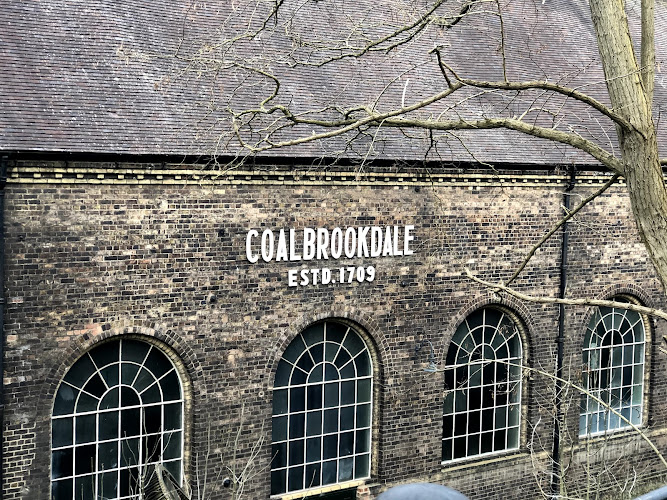
The Ironbridge Gorge Museum Trust Head Office
Find Accommodations Nearby
Recommended Tours & Activities
Visitor Reviews
There are no reviews yet. Be the first one to write one.
Share Your Experience
Have you visited Jackfield Tile Museum? Help other travelers by leaving a review.