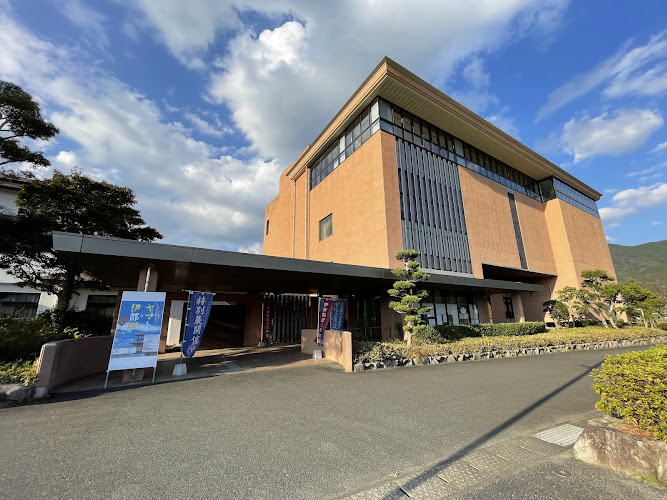
At first glance, it looks like another regional museum, but once you step inside, it’s a whole different story. This museum tells the tale of the ancient kingdom of Ito, a place that pops up in early Chinese chronicles and carries a weighty role in Japan’s origin story. What makes it stand out is how it blends archeological treasures with storytelling that feels both scholarly and surprisingly approachable.
One of the museum’s crown jewels is the Naiko Kamonkyo, the largest bronze mirror ever unearthed in Japan. Standing in front of it, you can’t help but feel the goosebumps—this isn’t just a piece of metal, it’s a national treasure that ties directly into the early days of Japanese statehood. And while the mirror gets most of the spotlight, the museum also houses countless artifacts dug up from nearby ruins: pottery, weapons, ornaments, and burial goods that give you a glimpse into everyday life centuries ago.
The atmosphere here is a mix of quiet reverence and curiosity. Families with kids wander through the exhibits, students take notes for their history projects, and travelers like me just stand there, trying to piece together how this little coastal region once sat at the crossroads of international trade and diplomacy. The museum doesn’t overwhelm you with too much text or flashy displays; instead, it lets the objects speak. That simplicity makes it both accessible and memorable. Sure, not every visitor leaves dazzled—some might find the pace a bit slow or the displays modest compared to bigger city museums—but for those who appreciate history that feels raw and real, it’s a gem.
Accessibility is clearly a priority too. The museum has wheelchair-friendly entrances, parking, and restrooms, which makes it welcoming for travelers of all ages and abilities. There’s no restaurant on-site, so you’ll want to plan your meals before or after, but basic amenities like clean restrooms are available. And yes, it’s a good spot for kids—there’s something about seeing ancient objects up close that sparks imagination far more than a textbook ever could.
For me, the Ito-koku History Museum feels less like a tourist stop and more like a time capsule. It doesn’t try to entertain with gimmicks; instead, it invites you to slow down, look carefully, and connect with the roots of Japan. And honestly, that’s what makes it worth the trip.
Best Time to Visit
If you’re wondering when to go, I’d say late autumn or spring are the sweet spots. The weather in Itoshima is mild then, which makes the journey to the museum more pleasant, especially if you’re combining it with other outdoor activities in the area. Summer can be hot and humid, and while the museum itself is air-conditioned, you’ll probably feel drained if you’re hopping between attractions. Winter has its charm too—fewer crowds and a calm atmosphere—but the surrounding landscape doesn’t quite have the same vibrancy. Weekdays tend to be quieter, giving you more room to linger over the exhibits without feeling rushed.
How to Get There
Reaching the Ito-koku History Museum is relatively straightforward if you’re already in Fukuoka. From the city center, the train ride to Itoshima takes under an hour, and from there, a short bus or taxi ride gets you to the museum. If you’re driving, even better—the roads are easy to navigate, and there’s parking available on-site. I personally prefer the train-plus-bus combo, because it gives you a chance to see a bit of the countryside roll by, but if you’re traveling with family or carrying luggage, driving might be the more convenient option.
Tips for Visiting
First tip: give yourself more time than you think you’ll need. On paper, you might think an hour is enough, but once you start reading about the history of Ito-koku and staring at those artifacts, you’ll want at least two or three hours to take it all in.
Second, bring a snack or plan where you’re going to eat afterward. There’s no restaurant inside, and while that might feel like a downside, it’s actually an excuse to explore Itoshima’s food scene. I once grabbed a bowl of fresh seafood donburi nearby after my visit, and it turned out to be the perfect way to end the day.
Third, don’t skip the guided explanations if they’re available. The staff and guides here are incredibly knowledgeable, and they can bring context to the exhibits that you’d miss otherwise. I remember one guide explaining how the mirror wasn’t just ceremonial but also a political tool, and that perspective stuck with me far more than the display card did.
And finally, bring a curious mindset. This isn’t a museum that dazzles with flashy tech or interactive screens. It’s about connecting with the roots of a culture, and the more you lean into that, the more rewarding your visit will be. If you’re traveling with kids, turn it into a game—ask them to imagine who might have used the objects or what kind of stories the artifacts could tell. That little spark of imagination can make the whole experience come alive.
 Real Journey Travels