
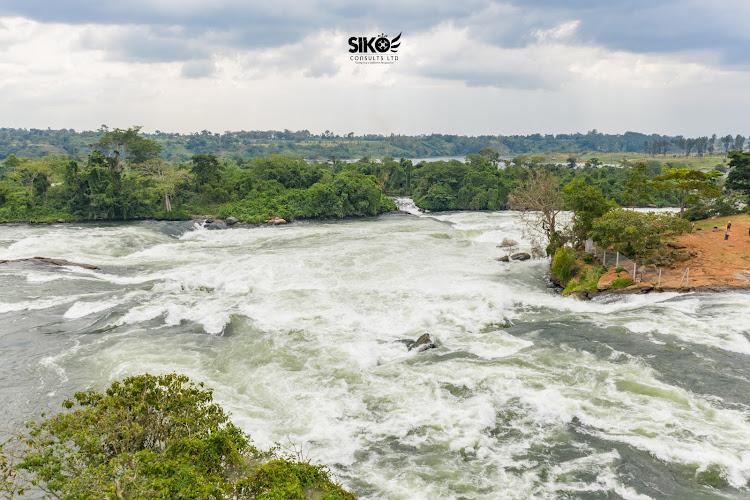
Itanda Falls
About Itanda Falls
Description
Let me tell you about Itanda Falls - it's honestly one of Uganda's best-kept secrets. I remember the first time I heard those thundering waters from half a mile away - that's when I knew this wasn't your average waterfall. Picture this: massive volumes of the mighty Nile River crashing through narrow rock channels, creating what locals call the 'bad place' due to its raw, untamed power. The white water here doesn't just flow - it roars and churns with an intensity that'll make your heart skip a beat. The falls stretch across multiple channels, forming a series of dramatic cascades that'll have your camera working overtime. What really gets me is how the mist creates these perfect little rainbows on sunny days, especially during early mornings. Unlike some over-commercialized tourist spots, Itanda Falls still feels wonderfully wild and untouched.Key Features
• Multiple cascading channels creating a complex network of waterfalls • Class VI rapids that attract extreme kayakers from around the globe • Natural viewing platforms on surrounding rocks • Rich biodiversity with unique bird species and riverside vegetation • Traditional fishing spots used by local fishermen • Pristine sandy beaches perfect for picnicking • Several photographic vantage points offering different perspectives • Cultural significance to local communities • Crystal-clear pools in the calmer sections • Fascinating rock formations shaped by centuries of water flowBest Time to Visit
From my experience, the dry seasons between December and February or June to September offer the most reliable conditions. During these months, the water levels are lower, making the falls more approachable and photogenic. I'd particularly recommend early mornings - not just to beat the heat, but because that's when the light hits the water just right, creating those Instagram-worthy shots. The rainy seasons (March to May and October to November) transform Itanda into an absolute beast - the volume of water doubles, and the roar becomes deafening. While impressive, these periods can limit access to some viewing points and make paths slippery. That said, if you're after dramatic photos and don't mind getting a bit muddy, the overcast skies during these months create perfect conditions for moody shots.How to Get There
Getting to Itanda Falls is part of the adventure. From Jinja town, you'll want to head north along the eastern bank of the Nile. The road starts paved but eventually turns into a dirt track - that's when you know you're getting close! I'd recommend hiring a local driver who knows the area, as some turns can be tricky to navigate. If you're driving yourself, a 4x4 vehicle is your best bet, especially during the rainy season when the roads get... interesting. Local buses and matatus (shared taxis) run from Jinja to nearby villages, but you'll need to arrange the final stretch to the falls. Some tour operators in Jinja offer day trips, which can be convenient if you prefer everything organized for you. The journey takes about an hour from Jinja, depending on road conditions and your mode of transport.Tips for Visiting
Here's what I've learned from my visits: Wear sturdy shoes with good grip - those rocks can be slippery even on dry days. Bring more water than you think you'll need; the humidity around the falls can be surprisingly draining. A waterproof camera case is worth its weight in gold here - trust me, you'll want to get close enough to feel the spray. Pack some snacks and maybe a picnic lunch - there aren't any restaurants nearby. The locals sometimes sell fresh fruit, but it's best not to count on it. Bug spray is essential, especially during dawn and dusk. And speaking of time, plan to spend at least 2-3 hours here to really soak in the experience. If you're into photography, bring a polarizing filter for your camera - it'll help cut through the glare on the water. The local guides know the best spots for photos, and their stories about the falls' history make the experience so much richer. Oh, and one last thing - keep some small bills handy for the parking fee and guide tips. Remember to respect the power of the falls - no swimming in the rapids (seriously, they're no joke) and stick to marked viewing areas. The falls have some pretty powerful spiritual significance for local communities, so being respectful of cultural sites is super important.Key Features
- Key Features
- Best Time to Visit
- How to Get There
- Tips for Visiting
More Details
Updated June 24, 2025
Table of Contents
Description
Let me tell you about Itanda Falls – it’s honestly one of Uganda’s best-kept secrets. I remember the first time I heard those thundering waters from half a mile away – that’s when I knew this wasn’t your average waterfall. Picture this: massive volumes of the mighty Nile River crashing through narrow rock channels, creating what locals call the ‘bad place’ due to its raw, untamed power. The white water here doesn’t just flow – it roars and churns with an intensity that’ll make your heart skip a beat.
The falls stretch across multiple channels, forming a series of dramatic cascades that’ll have your camera working overtime. What really gets me is how the mist creates these perfect little rainbows on sunny days, especially during early mornings. Unlike some over-commercialized tourist spots, Itanda Falls still feels wonderfully wild and untouched.
Key Features
• Multiple cascading channels creating a complex network of waterfalls
• Class VI rapids that attract extreme kayakers from around the globe
• Natural viewing platforms on surrounding rocks
• Rich biodiversity with unique bird species and riverside vegetation
• Traditional fishing spots used by local fishermen
• Pristine sandy beaches perfect for picnicking
• Several photographic vantage points offering different perspectives
• Cultural significance to local communities
• Crystal-clear pools in the calmer sections
• Fascinating rock formations shaped by centuries of water flow
Best Time to Visit
From my experience, the dry seasons between December and February or June to September offer the most reliable conditions. During these months, the water levels are lower, making the falls more approachable and photogenic. I’d particularly recommend early mornings – not just to beat the heat, but because that’s when the light hits the water just right, creating those Instagram-worthy shots.
The rainy seasons (March to May and October to November) transform Itanda into an absolute beast – the volume of water doubles, and the roar becomes deafening. While impressive, these periods can limit access to some viewing points and make paths slippery. That said, if you’re after dramatic photos and don’t mind getting a bit muddy, the overcast skies during these months create perfect conditions for moody shots.
How to Get There
Getting to Itanda Falls is part of the adventure. From Jinja town, you’ll want to head north along the eastern bank of the Nile. The road starts paved but eventually turns into a dirt track – that’s when you know you’re getting close! I’d recommend hiring a local driver who knows the area, as some turns can be tricky to navigate. If you’re driving yourself, a 4×4 vehicle is your best bet, especially during the rainy season when the roads get… interesting.
Local buses and matatus (shared taxis) run from Jinja to nearby villages, but you’ll need to arrange the final stretch to the falls. Some tour operators in Jinja offer day trips, which can be convenient if you prefer everything organized for you. The journey takes about an hour from Jinja, depending on road conditions and your mode of transport.
Tips for Visiting
Here’s what I’ve learned from my visits: Wear sturdy shoes with good grip – those rocks can be slippery even on dry days. Bring more water than you think you’ll need; the humidity around the falls can be surprisingly draining. A waterproof camera case is worth its weight in gold here – trust me, you’ll want to get close enough to feel the spray.
Pack some snacks and maybe a picnic lunch – there aren’t any restaurants nearby. The locals sometimes sell fresh fruit, but it’s best not to count on it. Bug spray is essential, especially during dawn and dusk. And speaking of time, plan to spend at least 2-3 hours here to really soak in the experience.
If you’re into photography, bring a polarizing filter for your camera – it’ll help cut through the glare on the water. The local guides know the best spots for photos, and their stories about the falls’ history make the experience so much richer. Oh, and one last thing – keep some small bills handy for the parking fee and guide tips.
Remember to respect the power of the falls – no swimming in the rapids (seriously, they’re no joke) and stick to marked viewing areas. The falls have some pretty powerful spiritual significance for local communities, so being respectful of cultural sites is super important.
Key Highlights
- Key Features
- Best Time to Visit
- How to Get There
- Tips for Visiting
Location
Places to Stay Near Itanda Falls
Find and Book a Tour
Explore More Travel Guides
No reviews found! Be the first to review!
Traveler Reviews for Itanda Falls
There are no reviews yet. Be the first one to write one.
Have you visited Itanda Falls? Help other travelers by sharing your review.
You Might Also Like

Mgahinga Gorilla National Park

Lake Bunyonyi Eco Resort
Kitgum High School
Find Accommodations Nearby
Recommended Tours & Activities
Visitor Reviews
There are no reviews yet. Be the first one to write one.
Share Your Experience
Have you visited Itanda Falls? Help other travelers by leaving a review.