

Ishiyakushi-ji
About Ishiyakushi-ji
Description
Ishiyakushi-ji is one of those rare places in Japan that seems to hum quietly with centuries of history. It’s not flashy or overly crowded, but that’s exactly what gives it its charm. Tucked away in the Suzuka area of Mie Prefecture, this Buddhist temple has been around since the early 8th century—around 726 AD, according to temple lore. The story goes that a monk named Taichō discovered a massive stone deep in the forest and believed it to be a sign from Yakushi Nyorai, the Medicine Buddha. Inspired, he carved an image of the deity into the stone, and from that sacred act, Ishiyakushi-ji was born.
Over the centuries, the temple became both a spiritual refuge and a cultural landmark. It even lent its name to the nearby post station of Ishiyakushi, one of the stops along the historic Tōkaidō Road—immortalized in Utagawa Hiroshige’s famous woodblock prints. If you’ve ever seen those prints, you might remember the peaceful scene of travelers walking toward a temple gate surrounded by trees—that’s Ishiyakushi-ji. And honestly, standing there today, you can still feel that same tranquil atmosphere.
The temple grounds are beautifully simple, filled with mossy stones, aged wooden halls, and the faint scent of incense drifting through the air. It’s the kind of place where time slows down. You’ll hear the rustle of leaves, maybe the soft ringing of a bell, and the occasional footsteps of another visitor lost in thought. In autumn, the temple becomes a canvas of golds and reds as the maple trees burst into color, making it a favorite spot for photographers and contemplative travelers alike.
While Ishiyakushi-ji doesn’t have the grandeur of Kyoto’s temples or the crowds of Nara, it offers something far more personal—a quiet dialogue between nature, faith, and the passage of time. It’s a place that rewards those who come without hurry, ready to listen to the whispers of history carried on the wind.
Key Features
- Historic Origins: Founded in the early 8th century by the monk Taichō, the temple’s story is deeply tied to the legend of Yakushi Nyorai, the Buddha of healing.
- Stone Buddha Carving: The temple’s main object of worship is a stone carving of Yakushi Nyorai, said to have been created by Kūkai himself—a revered figure in Japanese Buddhism.
- Connection to the Tōkaidō Road: Ishiyakushi-ji is featured in Hiroshige’s renowned “Fifty-three Stations of the Tōkaidō” series, making it a cultural icon for art lovers.
- Natural Beauty: Surrounded by lush greenery in summer and fiery foliage in autumn, the temple is a haven for nature enthusiasts and photographers.
- Peaceful Atmosphere: With relatively few visitors compared to major tourist spots, the temple offers a serene environment ideal for meditation and quiet reflection.
- Local Significance: The temple remains an active place of worship for locals, hosting small seasonal events and ceremonies that give insight into traditional Buddhist life in rural Japan.
Best Time to Visit
If you ask me, the best time to visit Ishiyakushi-ji really depends on what kind of experience you’re after. Personally, I’m partial to autumn—late October through November—when the temple grounds are drenched in brilliant reds and oranges. It’s not just beautiful; it feels alive, like the temple is breathing with the rhythm of the season. The crisp air, the crunch of fallen leaves underfoot, the way sunlight filters through the trees—it’s pure magic.
Spring is also lovely, especially when the cherry blossoms bloom nearby. It’s quieter than the famous sakura spots, but that’s part of the charm. You can actually hear the petals falling. Summer brings lush greenery and the sound of cicadas, though it can be hot and humid. Winter, on the other hand, transforms the temple into a quiet retreat blanketed in stillness—sometimes even snow. Each season offers something different, so there’s really no wrong time to go, just a different mood to experience.
How to Get There
Getting to Ishiyakushi-ji is relatively straightforward if you’re exploring the Mie region. The temple is located near National Route 1, making it accessible by car or public transport. If you’re coming from Nagoya or Kyoto, you can take a train to Suzuka Station, then a short taxi or local bus ride will bring you close to the temple grounds.
For those who love scenic routes, driving through the countryside toward Ishiyakushi-ji is a treat in itself. The roads wind through small towns, rice fields, and wooded hills, giving you a glimpse of rural Japan that most tourists never see. Just keep in mind that parking is limited, and the temple isn’t wheelchair accessible due to its old stone pathways and stairs. But if you’re up for a bit of walking, it’s absolutely worth it.
Tips for Visiting
Here’s the thing about visiting Ishiyakushi-ji—you don’t need a checklist. This isn’t the kind of place where you rush from one attraction to another. It’s about slowing down and letting the place speak to you. Still, a few practical tips can make your visit smoother and more meaningful:
- Take your time: Don’t just snap a few photos and leave. Sit on a bench, listen to the wind, and let the atmosphere sink in. That’s where the real beauty lies.
- Respect the temple’s quiet: It’s an active place of worship, so keep voices low and avoid disrupting ceremonies or prayers.
- Bring cash: If you want to buy omamori (good luck charms) or make a small donation, cash is the way to go. Many small temples in Japan don’t accept cards.
- Wear comfortable shoes: The paths can be uneven, especially after rain. A good pair of walking shoes will make your visit much more pleasant.
- Visit early or late in the day: Morning light filtering through the trees is stunning, and late afternoon brings a golden glow that photographers will love.
- Check for local events: Occasionally, the temple hosts small seasonal rituals or community gatherings. Joining one can give you a deeper sense of connection to the place.
One last thing—don’t expect flashy souvenir shops or big crowds here. Ishiyakushi-ji is more about quiet reflection than tourist entertainment. And honestly, that’s what makes it special. I remember sitting there one afternoon, just watching the sunlight dance on the temple’s old wooden beams, and feeling completely at peace. It’s rare to find places like that anymore. So if you’re traveling through Mie and craving a moment of calm, Ishiyakushi-ji might just be the sanctuary you didn’t know you needed.
Key Features
- Key Features
- Best Time to Visit
- How to Get There
- Tips for Visiting
More Details
Updated November 30, 2025
Table of Contents
Description
Ishiyakushi-ji is one of those rare places in Japan that seems to hum quietly with centuries of history. It’s not flashy or overly crowded, but that’s exactly what gives it its charm. Tucked away in the Suzuka area of Mie Prefecture, this Buddhist temple has been around since the early 8th century—around 726 AD, according to temple lore. The story goes that a monk named Taichō discovered a massive stone deep in the forest and believed it to be a sign from Yakushi Nyorai, the Medicine Buddha. Inspired, he carved an image of the deity into the stone, and from that sacred act, Ishiyakushi-ji was born.
Over the centuries, the temple became both a spiritual refuge and a cultural landmark. It even lent its name to the nearby post station of Ishiyakushi, one of the stops along the historic Tōkaidō Road—immortalized in Utagawa Hiroshige’s famous woodblock prints. If you’ve ever seen those prints, you might remember the peaceful scene of travelers walking toward a temple gate surrounded by trees—that’s Ishiyakushi-ji. And honestly, standing there today, you can still feel that same tranquil atmosphere.
The temple grounds are beautifully simple, filled with mossy stones, aged wooden halls, and the faint scent of incense drifting through the air. It’s the kind of place where time slows down. You’ll hear the rustle of leaves, maybe the soft ringing of a bell, and the occasional footsteps of another visitor lost in thought. In autumn, the temple becomes a canvas of golds and reds as the maple trees burst into color, making it a favorite spot for photographers and contemplative travelers alike.
While Ishiyakushi-ji doesn’t have the grandeur of Kyoto’s temples or the crowds of Nara, it offers something far more personal—a quiet dialogue between nature, faith, and the passage of time. It’s a place that rewards those who come without hurry, ready to listen to the whispers of history carried on the wind.
Key Features
- Historic Origins: Founded in the early 8th century by the monk Taichō, the temple’s story is deeply tied to the legend of Yakushi Nyorai, the Buddha of healing.
- Stone Buddha Carving: The temple’s main object of worship is a stone carving of Yakushi Nyorai, said to have been created by Kūkai himself—a revered figure in Japanese Buddhism.
- Connection to the Tōkaidō Road: Ishiyakushi-ji is featured in Hiroshige’s renowned “Fifty-three Stations of the Tōkaidō” series, making it a cultural icon for art lovers.
- Natural Beauty: Surrounded by lush greenery in summer and fiery foliage in autumn, the temple is a haven for nature enthusiasts and photographers.
- Peaceful Atmosphere: With relatively few visitors compared to major tourist spots, the temple offers a serene environment ideal for meditation and quiet reflection.
- Local Significance: The temple remains an active place of worship for locals, hosting small seasonal events and ceremonies that give insight into traditional Buddhist life in rural Japan.
Best Time to Visit
If you ask me, the best time to visit Ishiyakushi-ji really depends on what kind of experience you’re after. Personally, I’m partial to autumn—late October through November—when the temple grounds are drenched in brilliant reds and oranges. It’s not just beautiful; it feels alive, like the temple is breathing with the rhythm of the season. The crisp air, the crunch of fallen leaves underfoot, the way sunlight filters through the trees—it’s pure magic.
Spring is also lovely, especially when the cherry blossoms bloom nearby. It’s quieter than the famous sakura spots, but that’s part of the charm. You can actually hear the petals falling. Summer brings lush greenery and the sound of cicadas, though it can be hot and humid. Winter, on the other hand, transforms the temple into a quiet retreat blanketed in stillness—sometimes even snow. Each season offers something different, so there’s really no wrong time to go, just a different mood to experience.
How to Get There
Getting to Ishiyakushi-ji is relatively straightforward if you’re exploring the Mie region. The temple is located near National Route 1, making it accessible by car or public transport. If you’re coming from Nagoya or Kyoto, you can take a train to Suzuka Station, then a short taxi or local bus ride will bring you close to the temple grounds.
For those who love scenic routes, driving through the countryside toward Ishiyakushi-ji is a treat in itself. The roads wind through small towns, rice fields, and wooded hills, giving you a glimpse of rural Japan that most tourists never see. Just keep in mind that parking is limited, and the temple isn’t wheelchair accessible due to its old stone pathways and stairs. But if you’re up for a bit of walking, it’s absolutely worth it.
Tips for Visiting
Here’s the thing about visiting Ishiyakushi-ji—you don’t need a checklist. This isn’t the kind of place where you rush from one attraction to another. It’s about slowing down and letting the place speak to you. Still, a few practical tips can make your visit smoother and more meaningful:
- Take your time: Don’t just snap a few photos and leave. Sit on a bench, listen to the wind, and let the atmosphere sink in. That’s where the real beauty lies.
- Respect the temple’s quiet: It’s an active place of worship, so keep voices low and avoid disrupting ceremonies or prayers.
- Bring cash: If you want to buy omamori (good luck charms) or make a small donation, cash is the way to go. Many small temples in Japan don’t accept cards.
- Wear comfortable shoes: The paths can be uneven, especially after rain. A good pair of walking shoes will make your visit much more pleasant.
- Visit early or late in the day: Morning light filtering through the trees is stunning, and late afternoon brings a golden glow that photographers will love.
- Check for local events: Occasionally, the temple hosts small seasonal rituals or community gatherings. Joining one can give you a deeper sense of connection to the place.
One last thing—don’t expect flashy souvenir shops or big crowds here. Ishiyakushi-ji is more about quiet reflection than tourist entertainment. And honestly, that’s what makes it special. I remember sitting there one afternoon, just watching the sunlight dance on the temple’s old wooden beams, and feeling completely at peace. It’s rare to find places like that anymore. So if you’re traveling through Mie and craving a moment of calm, Ishiyakushi-ji might just be the sanctuary you didn’t know you needed.
Key Highlights
- Key Features
- Best Time to Visit
- How to Get There
- Tips for Visiting
Location
Places to Stay Near Ishiyakushi-ji
Find and Book a Tour
Explore More Travel Guides
No reviews found! Be the first to review!
Traveler Reviews for Ishiyakushi-ji
There are no reviews yet. Be the first one to write one.
Have you visited Ishiyakushi-ji? Help other travelers by sharing your review.
You Might Also Like
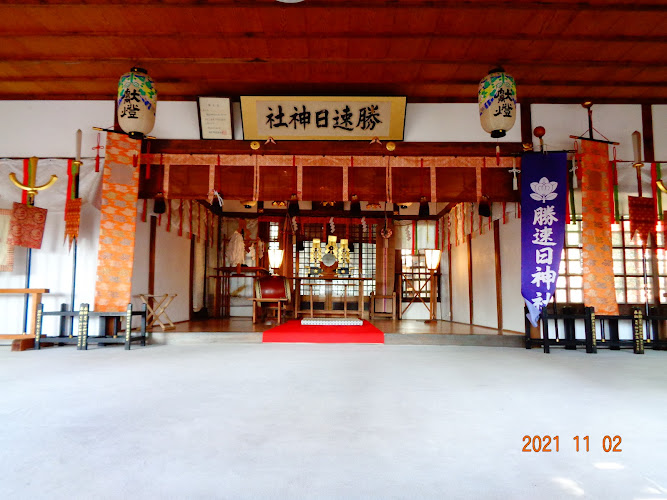
Katsuhayahi Shrine
Suzuka Circuit Hotel - Main Wing

Tsubaki Shrine Nakato Shrine
Find Accommodations Nearby
Recommended Tours & Activities
Visitor Reviews
There are no reviews yet. Be the first one to write one.
Share Your Experience
Have you visited Ishiyakushi-ji? Help other travelers by leaving a review.