
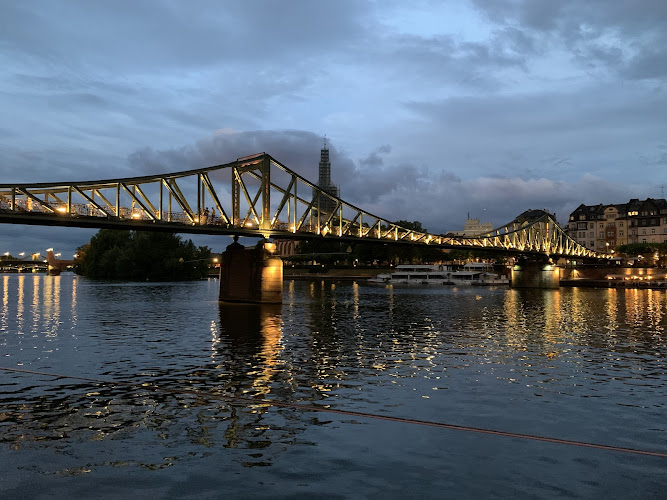
Iron Footbridge
About Iron Footbridge
Description
There’s something about the Iron Footbridge in Frankfurt that hits differently when you’re standing right in the middle of it, watching the Main River ripple beneath your feet. Officially called the Eiserner Steg, this pedestrian bridge has been connecting the historic city center with Sachsenhausen since 1869. It’s not just another crossing—it’s a slice of Frankfurt’s soul, a living piece of history that’s seen the city grow, crumble, and rise again. The bridge was destroyed during World War II and rebuilt in 1946, which already tells you something about its resilience—and, honestly, about Frankfurt’s too.
When you walk across, you’ll notice hundreds (actually, thousands) of love locks clinging to the railings, each one telling a tiny story of affection, hope, or maybe heartbreak. It’s almost impossible not to stop and read a few initials or wonder about the people behind them. And while that’s a bit sentimental, it’s also kind of beautiful. The bridge offers one of the most iconic skyline views in the city—modern glass towers on one side, the historic spires of the old town on the other. It’s the perfect mix of old and new, steel and spirit.
What really makes the Iron Footbridge special is how it feels alive. Locals cross it daily, couples linger for photos, and travelers pause to soak up the cityscape. On sunny days, street musicians often play nearby, adding a soundtrack to your stroll. It’s one of those places that doesn’t need to try too hard—it just is what it is: simple, scenic, and full of stories. Even if you’ve seen a hundred bridges before, there’s something quietly magnetic about this one. Maybe it’s the way the wind moves across the river, or maybe it’s just the sense of being part of something that’s been here for over 150 years.
Key Features
- Historical Significance: Built in 1869, rebuilt after World War II, and still standing strong as a symbol of Frankfurt’s endurance.
- Panoramic Views: Offers sweeping views of the Main River, the Frankfurt skyline, and the Museumsufer (Museum Embankment).
- Love Locks Tradition: Thousands of padlocks attached by couples from around the world, making it one of the most romantic spots in the city.
- Pedestrian-Only Bridge: Safe and easy for walking, cycling, or just standing still to take in the view.
- Accessibility: Wheelchair-friendly with smooth pathways and ramps on both sides.
- Proximity to Attractions: Within walking distance of Römerberg Square, St. Bartholomew’s Cathedral, and the Museumsufer.
- Photography Hotspot: The bridge is one of the most photographed places in Frankfurt—especially at sunset or during the blue hour.
- Local Culture: A favorite hangout for locals, travelers, and artists alike, often buzzing with life yet peaceful enough to think.
Best Time to Visit
Honestly, there’s never a bad time to visit the Iron Footbridge—but each season paints a slightly different picture. If you’re after postcard-perfect photos, go around sunset when the city lights start flickering on and the river mirrors the skyline. I’ve been there in winter when the cold air bites your cheeks, and the view of the frosty rooftops makes it feel like a scene out of a movie. Summer evenings are another story—warm, lively, and filled with laughter from the riverbanks below.
Spring brings blooming trees along the Main, making the walk across the bridge almost poetic. Autumn, though, might be my personal favorite—the golden hues of the leaves reflect on the water, and there’s this cozy, nostalgic feel in the air. Weekdays are generally quieter, so if you prefer fewer crowds (and fewer selfies in your background), aim for early morning or late afternoon. But if you like a bit of buzz, weekends are great for people-watching and soaking up the city vibe.
How to Get There
Getting to the Iron Footbridge is pretty straightforward, no matter where you’re staying in Frankfurt. If you’re coming from the city center, it’s just a short walk from Römerberg—literally five minutes or so. You can also hop on the S-Bahn or U-Bahn and get off at the “Dom/Römer” station, which is the closest stop. From there, follow the signs or simply walk toward the river—you can’t miss the bridge’s distinctive iron frame stretching gracefully across the Main.
For those staying in Sachsenhausen, it’s even easier. The bridge connects directly to the northern end of the district, so you can stroll across anytime. There’s paid street parking nearby, but honestly, driving here can be more hassle than it’s worth, especially on busy days. Public transport or walking is the way to go. And if you’re exploring Frankfurt by bike, the bridge is cyclist-friendly too—just remember to slow down for pedestrians. It’s one of those places where everyone shares the space, and somehow, it just works.
Tips for Visiting
Here’s the thing about the Iron Footbridge—it’s simple, but there are a few ways to make your visit even better. First, bring a camera or at least your phone fully charged. The views are ridiculously photogenic, especially if you catch the skyline during golden hour. If you’re traveling with someone special, consider bringing a padlock to add to the collection. It’s a bit of a cliché, sure, but it’s also a sweet tradition that’s become part of the bridge’s identity. Just make sure to toss the key responsibly—don’t throw it into the river, as tempting as that might be.
Wear comfortable shoes because you’ll probably end up wandering along the riverbanks afterward. There’s a lovely walking path on both sides, lined with cafes, museums, and benches where you can just sit and watch boats glide by. If you visit during the evening, the bridge is beautifully lit, and the reflections on the water make for some magical photos. But keep an eye on your belongings—like any popular tourist spot, it can get crowded at times.
One more thing—don’t rush. The Iron Footbridge isn’t about ticking off a sightseeing box. It’s about pausing for a moment, feeling the breeze, and seeing Frankfurt from a different perspective. I remember standing there once, coffee in hand, watching the city wake up. The air was crisp, the bells from the cathedral echoed faintly, and for a few minutes, everything just felt still. That’s the kind of memory this place gives you—simple, genuine, and quietly unforgettable.
Whether you’re visiting Frankfurt for a day or a week, the Iron Footbridge deserves a spot on your list. It’s more than a bridge—it’s a story, a meeting point, a snapshot of the city’s spirit. And when you walk across, you’re not just crossing the Main—you’re stepping into a piece of history that continues to connect people, one footstep at a time.
Key Features
- Key Features
- Best Time to Visit
- How to Get There
- Tips for Visiting
More Details
Updated November 7, 2025
Table of Contents
Description
There’s something about the Iron Footbridge in Frankfurt that hits differently when you’re standing right in the middle of it, watching the Main River ripple beneath your feet. Officially called the Eiserner Steg, this pedestrian bridge has been connecting the historic city center with Sachsenhausen since 1869. It’s not just another crossing—it’s a slice of Frankfurt’s soul, a living piece of history that’s seen the city grow, crumble, and rise again. The bridge was destroyed during World War II and rebuilt in 1946, which already tells you something about its resilience—and, honestly, about Frankfurt’s too.
When you walk across, you’ll notice hundreds (actually, thousands) of love locks clinging to the railings, each one telling a tiny story of affection, hope, or maybe heartbreak. It’s almost impossible not to stop and read a few initials or wonder about the people behind them. And while that’s a bit sentimental, it’s also kind of beautiful. The bridge offers one of the most iconic skyline views in the city—modern glass towers on one side, the historic spires of the old town on the other. It’s the perfect mix of old and new, steel and spirit.
What really makes the Iron Footbridge special is how it feels alive. Locals cross it daily, couples linger for photos, and travelers pause to soak up the cityscape. On sunny days, street musicians often play nearby, adding a soundtrack to your stroll. It’s one of those places that doesn’t need to try too hard—it just is what it is: simple, scenic, and full of stories. Even if you’ve seen a hundred bridges before, there’s something quietly magnetic about this one. Maybe it’s the way the wind moves across the river, or maybe it’s just the sense of being part of something that’s been here for over 150 years.
Key Features
- Historical Significance: Built in 1869, rebuilt after World War II, and still standing strong as a symbol of Frankfurt’s endurance.
- Panoramic Views: Offers sweeping views of the Main River, the Frankfurt skyline, and the Museumsufer (Museum Embankment).
- Love Locks Tradition: Thousands of padlocks attached by couples from around the world, making it one of the most romantic spots in the city.
- Pedestrian-Only Bridge: Safe and easy for walking, cycling, or just standing still to take in the view.
- Accessibility: Wheelchair-friendly with smooth pathways and ramps on both sides.
- Proximity to Attractions: Within walking distance of Römerberg Square, St. Bartholomew’s Cathedral, and the Museumsufer.
- Photography Hotspot: The bridge is one of the most photographed places in Frankfurt—especially at sunset or during the blue hour.
- Local Culture: A favorite hangout for locals, travelers, and artists alike, often buzzing with life yet peaceful enough to think.
Best Time to Visit
Honestly, there’s never a bad time to visit the Iron Footbridge—but each season paints a slightly different picture. If you’re after postcard-perfect photos, go around sunset when the city lights start flickering on and the river mirrors the skyline. I’ve been there in winter when the cold air bites your cheeks, and the view of the frosty rooftops makes it feel like a scene out of a movie. Summer evenings are another story—warm, lively, and filled with laughter from the riverbanks below.
Spring brings blooming trees along the Main, making the walk across the bridge almost poetic. Autumn, though, might be my personal favorite—the golden hues of the leaves reflect on the water, and there’s this cozy, nostalgic feel in the air. Weekdays are generally quieter, so if you prefer fewer crowds (and fewer selfies in your background), aim for early morning or late afternoon. But if you like a bit of buzz, weekends are great for people-watching and soaking up the city vibe.
How to Get There
Getting to the Iron Footbridge is pretty straightforward, no matter where you’re staying in Frankfurt. If you’re coming from the city center, it’s just a short walk from Römerberg—literally five minutes or so. You can also hop on the S-Bahn or U-Bahn and get off at the “Dom/Römer” station, which is the closest stop. From there, follow the signs or simply walk toward the river—you can’t miss the bridge’s distinctive iron frame stretching gracefully across the Main.
For those staying in Sachsenhausen, it’s even easier. The bridge connects directly to the northern end of the district, so you can stroll across anytime. There’s paid street parking nearby, but honestly, driving here can be more hassle than it’s worth, especially on busy days. Public transport or walking is the way to go. And if you’re exploring Frankfurt by bike, the bridge is cyclist-friendly too—just remember to slow down for pedestrians. It’s one of those places where everyone shares the space, and somehow, it just works.
Tips for Visiting
Here’s the thing about the Iron Footbridge—it’s simple, but there are a few ways to make your visit even better. First, bring a camera or at least your phone fully charged. The views are ridiculously photogenic, especially if you catch the skyline during golden hour. If you’re traveling with someone special, consider bringing a padlock to add to the collection. It’s a bit of a cliché, sure, but it’s also a sweet tradition that’s become part of the bridge’s identity. Just make sure to toss the key responsibly—don’t throw it into the river, as tempting as that might be.
Wear comfortable shoes because you’ll probably end up wandering along the riverbanks afterward. There’s a lovely walking path on both sides, lined with cafes, museums, and benches where you can just sit and watch boats glide by. If you visit during the evening, the bridge is beautifully lit, and the reflections on the water make for some magical photos. But keep an eye on your belongings—like any popular tourist spot, it can get crowded at times.
One more thing—don’t rush. The Iron Footbridge isn’t about ticking off a sightseeing box. It’s about pausing for a moment, feeling the breeze, and seeing Frankfurt from a different perspective. I remember standing there once, coffee in hand, watching the city wake up. The air was crisp, the bells from the cathedral echoed faintly, and for a few minutes, everything just felt still. That’s the kind of memory this place gives you—simple, genuine, and quietly unforgettable.
Whether you’re visiting Frankfurt for a day or a week, the Iron Footbridge deserves a spot on your list. It’s more than a bridge—it’s a story, a meeting point, a snapshot of the city’s spirit. And when you walk across, you’re not just crossing the Main—you’re stepping into a piece of history that continues to connect people, one footstep at a time.
Key Highlights
- Key Features
- Best Time to Visit
- How to Get There
- Tips for Visiting
Location
Places to Stay Near Iron Footbridge
Find and Book a Tour
Explore More Travel Guides
No reviews found! Be the first to review!
Traveler Reviews for Iron Footbridge
There are no reviews yet. Be the first one to write one.
Have you visited Iron Footbridge? Help other travelers by sharing your review.
You Might Also Like
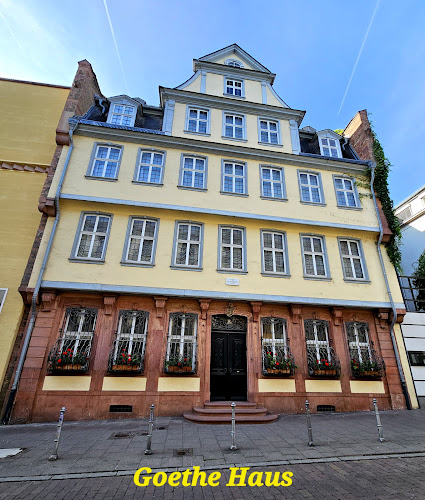
Goethe House

Städel Museum
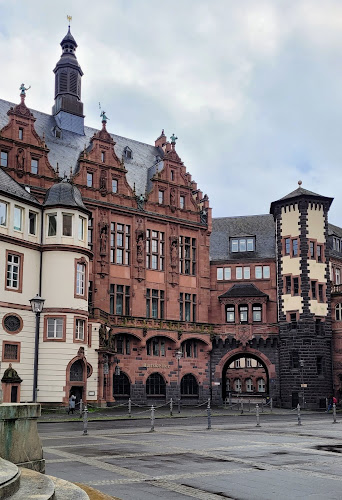
Paulsplatz
Find Accommodations Nearby
Recommended Tours & Activities
Visitor Reviews
There are no reviews yet. Be the first one to write one.
Share Your Experience
Have you visited Iron Footbridge? Help other travelers by leaving a review.