

Iqbal House
About Iqbal House
Description
Iqbal House, also known as Iqbal Manzil, is the birthplace of Allama Muhammad Iqbal—the poet and philosopher whose words helped reimagine the future of the subcontinent. Travelers don’t just come here for a photo in front of a historic façade. They come to step into the formative world of one of Pakistan’s greatest thinkers, to feel the creak of old wooden steps beneath their feet, and to stand in the same courtyard where a young boy once dreamed big, then bigger.
Set inside the old quarter of the city of Sialkot, the house-turned-museum is compact but layered with significance. There’s a quietly dignified atmosphere, the kind that makes you lower your voice without being told. On clear mornings, light pours into the central courtyard, catching the brickwork and the wooden balconies in that flattering way old homes seem to prefer. It’s a simple aesthetic—no grand marble here—but that simplicity is the point. Iqbal’s early life unfolded in rooms that meant business: learning, reading, listening, forming ideas that would later echo across South Asia.
Inside, visitors browse galleries that display photographs, handwritten letters, and first editions of his works. If you’re the sort who loves sniffing out the story behind objects (guilty), you’ll linger over the manuscripts and the personal items. The labels are mostly in Urdu with a fair amount of English, and the staff—when asked—will often fill in the gaps with anecdotes or context. One caretaker once pointed out a letter that, he swore, always stops teachers in their tracks: the exchange between Iqbal and Muhammad Ali Jinnah, the back-and-forth that helped shape a political imagination. You’re not just reading about history in a textbook way; you’re standing in the room where the gravity of those ideas feels oddly physical.
Architecturally, Iqbal House is a slice of late 19th-century Punjabi domestic life. Expect a courtyard plan, high ceilings, narrow staircases, and a roof that offers a peek over the old lanes. The rooms are curated to walk you through Iqbal’s early education in Sialkot (he studied at Scotch Mission College, later Murray College), his academic leaps in Lahore, Cambridge, and Munich, and his career as a lawyer and philosopher-poet. There’s a thoughtful thread through the exhibits—his early Urdu and Persian poetry, his interest in Islamic thought and modernity, the famous 1930 Allahabad Address where he articulated a vision for a Muslim-majority polity in the northwest of British India. For many visitors, that address is the moment when he shifted from poet to political thinker in the public imagination.
Is it perfect? No place is. On busy days, it can feel crowded, especially in the narrower rooms. Occasionally, a display light might flicker or a label will be more poetic than practical. But the heart of the place beats strongly. Families, school groups, and independent travelers alike linger, read, and take it slower than they planned. And it’s surprisingly good for kids—there’s enough visual storytelling to keep younger visitors curious, particularly if you prompt them with a couplet or two. I once brought a small notebook and asked a teenager to spot three things: a book title, a date, and an object Iqbal actually used. He turned into a detective and, by the end, he’d also memorized the opening of a verse from Bang-e-Dara. Win-win.
For travelers building a cultural route through Pakistan, this stop belongs right up there with the Lahore museums and the shrines of poets. Sialkot is famous for sports goods (those footballs you see at the World Cup, a lot of them are made here), surgical instruments, and a kind of industrious energy that fuels export workshops. Iqbal House adds a reflective counterpoint to that hustle—this is where the city shows its soul. And if you’re someone who likes to ground a trip in real places tied to real lives, it’s hard to beat a home that launched a thinker whose words still populate textbooks, Friday sermons, and living-room debates.
Visitors often ask: Where is the home of Allama Iqbal? It’s right here in the city of Sialkot. Was Allama Iqbal born in Sialkot? Yes—on November 9, 1877. He later died in Lahore in 1938, but Sialkot is the beginning of the story, the birthplace. The exhibits also gesture toward his Kashmiri ancestry and the migration of his forebears to the Punjab plains, a detail that, once you see it, ties neatly to the broader map of the subcontinent’s shifting communities.
A small on-site library preserves editions of his Urdu and Persian works, translations, and commentary. If you enjoy threading a needle through original texts, ask for Asrar-e-Khudi (The Secrets of the Self), widely recognized as his first major book. There’s also material on the Pakistan Movement, photographs with contemporaries, and references to the titles he’s lovingly held—Shair-e-Mashriq, the Poet of the East, and Hakeem-ul-Ummat. You don’t need to agree with every socio-political nuance to appreciate the clarity of his arguments or the cadence of his poetry. And if you’re here on a quiet weekday morning, you might even hear a caretaker recite a couplet; it’s not a scripted thing, more like the way people in this country talk about poets—by bringing the lines to life.
Practical notes round out the visit. You can typically take photos without flash; tripods and video gear may be restricted, so ask first. The house is in a dense neighborhood with narrow streets, so car parking is limited right outside. Many visitors opt to get dropped a short walk away and enjoy the last few minutes on foot. And while the museum is sensitively maintained, it’s still an old house—watch your step on the stairs, and mind the low door lintels if you’re tall. You’ll leave with more than just pictures; you’ll carry a pocketful of lines and a fresher sense of how ideas take root—sometimes in small rooms, through long afternoons of reading and listening and arguing.
Key Features
- Birthplace of Allama Muhammad Iqbal, the poet and philosopher who envisioned a political future for Muslims in the subcontinent
- Authentic 19th-century Punjabi house layout with a serene central courtyard and traditional wooden balconies
- Museum galleries exhibiting personal photographs, letters, and first editions of works including Asrar-e-Khudi and Bang-e-Dara
- Context on the 1930 Allahabad Address and Iqbal’s correspondence with Muhammad Ali Jinnah
- Small library with Urdu and Persian volumes, translations, and critical commentary
- Carefully curated rooms that trace Iqbal’s education in Sialkot, higher studies abroad, and evolving role as philosopher, poet, and political thinker
- Good for kids, with visually engaging displays and easy prompts for family-friendly learning
- Atmospheric rooftop and stairways that give a sense of the old city’s urban fabric
- Insight into Iqbal’s Kashmiri heritage and family life, grounding the big ideas in a personal story
- Knowledgeable staff who can share additional context in Urdu and often in English
- Photography typically allowed without flash; a respectful, quiet environment that encourages lingering
- Proximity to other Sialkot heritage spots and bazaars, making it easy to plan a half-day history walk
Best Time to Visit
For comfortable weather and calmer crowds, October through March is the sweet spot. Sialkot’s summers can be hot and sticky, and the old city’s narrow lanes hold onto the afternoon heat. Morning visits work brilliantly—arrive soon after opening and you’ll likely have the courtyard largely to yourself, with gentle light for photos. Late afternoons are fine too, but leave enough time to actually read the exhibits; you don’t want to speed-walk through Iqbal’s life.
There’s also a special energy around November 9, Iqbal Day. Expect more visitors, occasional school groups, and—if you’re lucky—a public recitation or a small ceremony. It’s festive and thoughtful all at once, though you should plan for lines at the entrance and bring patience (and water). During Ramadan, hours may shift; Fridays can be busy and some rooms might close briefly around prayer times. A quick check with a local contact or the museum staff before you go saves a lot of guesswork.
If you’re linking the visit to a larger Pakistan itinerary, consider placing Iqbal House toward the start. Seeing where it all began in Sialkot gives extra depth to later stops in Lahore, especially the sites connected to modern politics and literature. I tried that order on a recent trip and it just made sense; starting small, then widening the lens, is a pretty good formula for cultural travel.
How to Get There
Sialkot is well-connected by road, rail, and air, and that makes reaching Iqbal House fairly straightforward—right up to the last few hundred meters, when the old city’s lanes become delightfully (and sometimes confusingly) intimate. That’s part of the charm. Here’s the simple breakdown:
- By air: Sialkot International Airport serves domestic and regional flights. From the airport, use a taxi or ride-hailing app; budget about 30–45 minutes depending on traffic.
- By road: From Lahore, the motorway link has made the drive noticeably easier. You’re looking at roughly 2.5 to 3 hours in normal conditions. From Islamabad, factor in a longer drive, typically via the national highways or motorways with a connection toward Sialkot.
- By train: Sialkot Junction is the main station. From there, a rickshaw is often the fastest way to weave through the old streets to the museum area.
- Final approach: Because parking in the historic lanes is limited, many drivers drop visitors a short stroll away. Wear comfortable shoes and enjoy the walk; the approach itself—shops humming, the smell of tea, the chatter—gets you into the right mood.
If you’re mapping it, search for Iqbal Manzil in Sialkot and follow local signage as you enter the older part of the city. The museum sits near other heritage-era buildings, and shopkeepers will point you in the right direction if you ask. People are proud of this address; they’ll send you with a smile and, if you look even faintly like a reader, probably a couplet too.
Tips for Visiting
- Start with the courtyard: Give yourself five minutes there before diving into the galleries. It’s the house’s quiet heart and frames everything else you’ll see.
- Bring small bills: The entry fee is usually modest, but cash makes life easier at the door and for a rickshaw ride back out.
- Photography etiquette: Non-flash photos are generally fine. Ask staff about video; rules can vary by room.
- Language plan: Labels lean Urdu-first with useful English summaries. If you read Urdu, linger longer—you’ll catch subtleties. If not, ask the staff for highlights; they’ll often translate key bits.
- Kid-friendly hacks: Turn it into a mini scavenger hunt. Find a first edition, a personal item, and one date from Iqbal’s life. Works like a charm to keep young minds engaged.
- Combine with nearby sites: Make it a heritage morning—add the city’s clock tower and one of the historic churches or temples for a fuller Sialkot story.
- Footwear and stairs: The house is historical, which means narrow staircases. Watch your step and mind your head on low beams.
- Timing: Mornings are best. Fridays and public holidays draw crowds, and Ramadan may bring adjusted hours.
- Read a little before you go: Even two pages from Asrar-e-Khudi or a short English translation of a poem unlocks a deeper connection in the galleries.
- Be present: It’s tempting to rush and collect photos. But let one object slow you down—a letter to Jinnah, a dated photograph, a book spine gone soft with use. That’s where the visit turns from good to unforgettable.
For travelers focused on culture and history, Iqbal House in Sialkot is both a pilgrimage and a practical lesson in how ideas travel—from a modest family home to university halls, then into the bloodstream of a nation-in-the-making. He was a poet and philosopher, yes, but also a student of the world, a legal mind, and a letter-writer who knew how to sharpen a point. In these rooms, you get the person before the statue, the handwriting before the headline. And that, honestly, is the kind of travel moment you’ll remember long after the ticket stub fades.
Key Features
- Birthplace and preserved period rooms of Allama Muhammad Iqbal
- Collection of manuscripts, letters and early published works
- Photographs and family memorabilia illustrating Iqbal’s life
- Interpretive displays and locally guided explanations
- Central location near Iqbal Square and Sialkot’s historic market
More Details
Updated October 31, 2025
Table of Contents
Description
Iqbal House, also known as Iqbal Manzil, is the birthplace of Allama Muhammad Iqbal—the poet and philosopher whose words helped reimagine the future of the subcontinent. Travelers don’t just come here for a photo in front of a historic façade. They come to step into the formative world of one of Pakistan’s greatest thinkers, to feel the creak of old wooden steps beneath their feet, and to stand in the same courtyard where a young boy once dreamed big, then bigger.
Set inside the old quarter of the city of Sialkot, the house-turned-museum is compact but layered with significance. There’s a quietly dignified atmosphere, the kind that makes you lower your voice without being told. On clear mornings, light pours into the central courtyard, catching the brickwork and the wooden balconies in that flattering way old homes seem to prefer. It’s a simple aesthetic—no grand marble here—but that simplicity is the point. Iqbal’s early life unfolded in rooms that meant business: learning, reading, listening, forming ideas that would later echo across South Asia.
Inside, visitors browse galleries that display photographs, handwritten letters, and first editions of his works. If you’re the sort who loves sniffing out the story behind objects (guilty), you’ll linger over the manuscripts and the personal items. The labels are mostly in Urdu with a fair amount of English, and the staff—when asked—will often fill in the gaps with anecdotes or context. One caretaker once pointed out a letter that, he swore, always stops teachers in their tracks: the exchange between Iqbal and Muhammad Ali Jinnah, the back-and-forth that helped shape a political imagination. You’re not just reading about history in a textbook way; you’re standing in the room where the gravity of those ideas feels oddly physical.
Architecturally, Iqbal House is a slice of late 19th-century Punjabi domestic life. Expect a courtyard plan, high ceilings, narrow staircases, and a roof that offers a peek over the old lanes. The rooms are curated to walk you through Iqbal’s early education in Sialkot (he studied at Scotch Mission College, later Murray College), his academic leaps in Lahore, Cambridge, and Munich, and his career as a lawyer and philosopher-poet. There’s a thoughtful thread through the exhibits—his early Urdu and Persian poetry, his interest in Islamic thought and modernity, the famous 1930 Allahabad Address where he articulated a vision for a Muslim-majority polity in the northwest of British India. For many visitors, that address is the moment when he shifted from poet to political thinker in the public imagination.
Is it perfect? No place is. On busy days, it can feel crowded, especially in the narrower rooms. Occasionally, a display light might flicker or a label will be more poetic than practical. But the heart of the place beats strongly. Families, school groups, and independent travelers alike linger, read, and take it slower than they planned. And it’s surprisingly good for kids—there’s enough visual storytelling to keep younger visitors curious, particularly if you prompt them with a couplet or two. I once brought a small notebook and asked a teenager to spot three things: a book title, a date, and an object Iqbal actually used. He turned into a detective and, by the end, he’d also memorized the opening of a verse from Bang-e-Dara. Win-win.
For travelers building a cultural route through Pakistan, this stop belongs right up there with the Lahore museums and the shrines of poets. Sialkot is famous for sports goods (those footballs you see at the World Cup, a lot of them are made here), surgical instruments, and a kind of industrious energy that fuels export workshops. Iqbal House adds a reflective counterpoint to that hustle—this is where the city shows its soul. And if you’re someone who likes to ground a trip in real places tied to real lives, it’s hard to beat a home that launched a thinker whose words still populate textbooks, Friday sermons, and living-room debates.
Visitors often ask: Where is the home of Allama Iqbal? It’s right here in the city of Sialkot. Was Allama Iqbal born in Sialkot? Yes—on November 9, 1877. He later died in Lahore in 1938, but Sialkot is the beginning of the story, the birthplace. The exhibits also gesture toward his Kashmiri ancestry and the migration of his forebears to the Punjab plains, a detail that, once you see it, ties neatly to the broader map of the subcontinent’s shifting communities.
A small on-site library preserves editions of his Urdu and Persian works, translations, and commentary. If you enjoy threading a needle through original texts, ask for Asrar-e-Khudi (The Secrets of the Self), widely recognized as his first major book. There’s also material on the Pakistan Movement, photographs with contemporaries, and references to the titles he’s lovingly held—Shair-e-Mashriq, the Poet of the East, and Hakeem-ul-Ummat. You don’t need to agree with every socio-political nuance to appreciate the clarity of his arguments or the cadence of his poetry. And if you’re here on a quiet weekday morning, you might even hear a caretaker recite a couplet; it’s not a scripted thing, more like the way people in this country talk about poets—by bringing the lines to life.
Practical notes round out the visit. You can typically take photos without flash; tripods and video gear may be restricted, so ask first. The house is in a dense neighborhood with narrow streets, so car parking is limited right outside. Many visitors opt to get dropped a short walk away and enjoy the last few minutes on foot. And while the museum is sensitively maintained, it’s still an old house—watch your step on the stairs, and mind the low door lintels if you’re tall. You’ll leave with more than just pictures; you’ll carry a pocketful of lines and a fresher sense of how ideas take root—sometimes in small rooms, through long afternoons of reading and listening and arguing.
Key Features
- Birthplace of Allama Muhammad Iqbal, the poet and philosopher who envisioned a political future for Muslims in the subcontinent
- Authentic 19th-century Punjabi house layout with a serene central courtyard and traditional wooden balconies
- Museum galleries exhibiting personal photographs, letters, and first editions of works including Asrar-e-Khudi and Bang-e-Dara
- Context on the 1930 Allahabad Address and Iqbal’s correspondence with Muhammad Ali Jinnah
- Small library with Urdu and Persian volumes, translations, and critical commentary
- Carefully curated rooms that trace Iqbal’s education in Sialkot, higher studies abroad, and evolving role as philosopher, poet, and political thinker
- Good for kids, with visually engaging displays and easy prompts for family-friendly learning
- Atmospheric rooftop and stairways that give a sense of the old city’s urban fabric
- Insight into Iqbal’s Kashmiri heritage and family life, grounding the big ideas in a personal story
- Knowledgeable staff who can share additional context in Urdu and often in English
- Photography typically allowed without flash; a respectful, quiet environment that encourages lingering
- Proximity to other Sialkot heritage spots and bazaars, making it easy to plan a half-day history walk
Best Time to Visit
For comfortable weather and calmer crowds, October through March is the sweet spot. Sialkot’s summers can be hot and sticky, and the old city’s narrow lanes hold onto the afternoon heat. Morning visits work brilliantly—arrive soon after opening and you’ll likely have the courtyard largely to yourself, with gentle light for photos. Late afternoons are fine too, but leave enough time to actually read the exhibits; you don’t want to speed-walk through Iqbal’s life.
There’s also a special energy around November 9, Iqbal Day. Expect more visitors, occasional school groups, and—if you’re lucky—a public recitation or a small ceremony. It’s festive and thoughtful all at once, though you should plan for lines at the entrance and bring patience (and water). During Ramadan, hours may shift; Fridays can be busy and some rooms might close briefly around prayer times. A quick check with a local contact or the museum staff before you go saves a lot of guesswork.
If you’re linking the visit to a larger Pakistan itinerary, consider placing Iqbal House toward the start. Seeing where it all began in Sialkot gives extra depth to later stops in Lahore, especially the sites connected to modern politics and literature. I tried that order on a recent trip and it just made sense; starting small, then widening the lens, is a pretty good formula for cultural travel.
How to Get There
Sialkot is well-connected by road, rail, and air, and that makes reaching Iqbal House fairly straightforward—right up to the last few hundred meters, when the old city’s lanes become delightfully (and sometimes confusingly) intimate. That’s part of the charm. Here’s the simple breakdown:
- By air: Sialkot International Airport serves domestic and regional flights. From the airport, use a taxi or ride-hailing app; budget about 30–45 minutes depending on traffic.
- By road: From Lahore, the motorway link has made the drive noticeably easier. You’re looking at roughly 2.5 to 3 hours in normal conditions. From Islamabad, factor in a longer drive, typically via the national highways or motorways with a connection toward Sialkot.
- By train: Sialkot Junction is the main station. From there, a rickshaw is often the fastest way to weave through the old streets to the museum area.
- Final approach: Because parking in the historic lanes is limited, many drivers drop visitors a short stroll away. Wear comfortable shoes and enjoy the walk; the approach itself—shops humming, the smell of tea, the chatter—gets you into the right mood.
If you’re mapping it, search for Iqbal Manzil in Sialkot and follow local signage as you enter the older part of the city. The museum sits near other heritage-era buildings, and shopkeepers will point you in the right direction if you ask. People are proud of this address; they’ll send you with a smile and, if you look even faintly like a reader, probably a couplet too.
Tips for Visiting
- Start with the courtyard: Give yourself five minutes there before diving into the galleries. It’s the house’s quiet heart and frames everything else you’ll see.
- Bring small bills: The entry fee is usually modest, but cash makes life easier at the door and for a rickshaw ride back out.
- Photography etiquette: Non-flash photos are generally fine. Ask staff about video; rules can vary by room.
- Language plan: Labels lean Urdu-first with useful English summaries. If you read Urdu, linger longer—you’ll catch subtleties. If not, ask the staff for highlights; they’ll often translate key bits.
- Kid-friendly hacks: Turn it into a mini scavenger hunt. Find a first edition, a personal item, and one date from Iqbal’s life. Works like a charm to keep young minds engaged.
- Combine with nearby sites: Make it a heritage morning—add the city’s clock tower and one of the historic churches or temples for a fuller Sialkot story.
- Footwear and stairs: The house is historical, which means narrow staircases. Watch your step and mind your head on low beams.
- Timing: Mornings are best. Fridays and public holidays draw crowds, and Ramadan may bring adjusted hours.
- Read a little before you go: Even two pages from Asrar-e-Khudi or a short English translation of a poem unlocks a deeper connection in the galleries.
- Be present: It’s tempting to rush and collect photos. But let one object slow you down—a letter to Jinnah, a dated photograph, a book spine gone soft with use. That’s where the visit turns from good to unforgettable.
For travelers focused on culture and history, Iqbal House in Sialkot is both a pilgrimage and a practical lesson in how ideas travel—from a modest family home to university halls, then into the bloodstream of a nation-in-the-making. He was a poet and philosopher, yes, but also a student of the world, a legal mind, and a letter-writer who knew how to sharpen a point. In these rooms, you get the person before the statue, the handwriting before the headline. And that, honestly, is the kind of travel moment you’ll remember long after the ticket stub fades.
Key Highlights
- Birthplace and preserved period rooms of Allama Muhammad Iqbal
- Collection of manuscripts, letters and early published works
- Photographs and family memorabilia illustrating Iqbal’s life
- Interpretive displays and locally guided explanations
- Central location near Iqbal Square and Sialkot’s historic market
Location
Places to Stay Near Iqbal House
Find and Book a Tour
Explore More Travel Guides
No reviews found! Be the first to review!
Traveler Reviews for Iqbal House
There are no reviews yet. Be the first one to write one.
Have you visited Iqbal House? Help other travelers by sharing your review.
Nearby Attractions
You Might Also Like
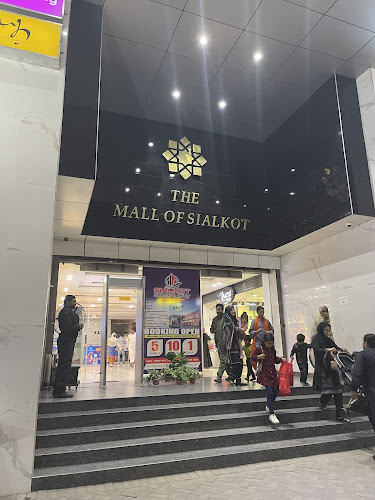
The Mall of Sialkot
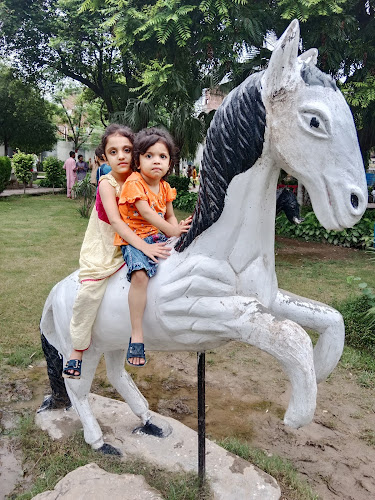
Shahabuddeen Jublee Park
CB Park Mehmood Ghaznavi Road Sialkot
Find Accommodations Nearby
Recommended Tours & Activities
Visitor Reviews
There are no reviews yet. Be the first one to write one.
Share Your Experience
Have you visited Iqbal House? Help other travelers by leaving a review.