
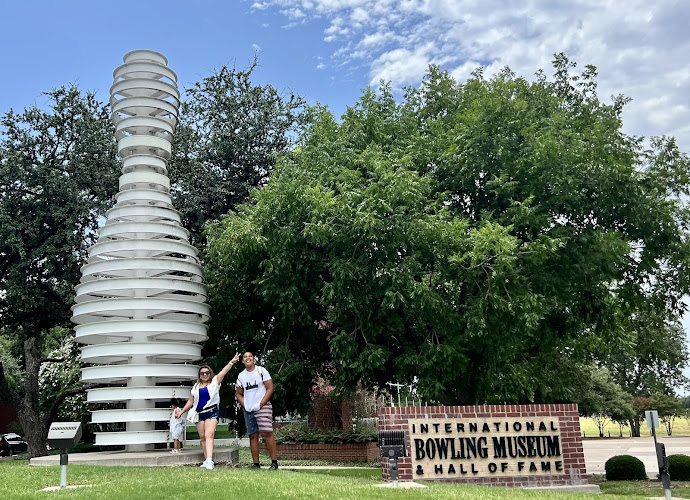
International Bowling Museum & Hall of Fame
About International Bowling Museum & Hall of Fame
Description
The International Bowling Museum & Hall of Fame is one of those places that surprises you in a good way. Even if you think you already “get” bowling—frames, strikes, awkward gutter balls—it turns out the sport has a way longer, weirder, and frankly cooler history than most people realize. This museum walks travelers through bowling’s evolution from ancient civilizations to modern competitive leagues, and it does so without feeling dusty or overly academic. And that matters, because museums about sports can sometimes feel like a long stats lecture. This one doesn’t.
The exhibits trace bowling back thousands of years, including artifacts linked to ancient Egypt. I remember standing in front of one display thinking, wait… people were rolling stones at pins when pyramids were still shiny? That moment alone kind of reframed the whole sport for me. Bowling suddenly wasn’t just a Friday night activity with sticky floors and neon lights; it was a global tradition that survived wars, industrial revolutions, and fashion crimes like polyester league shirts.
The Hall of Fame section is the emotional core of the museum. It honors the legends of the sport—players, innovators, and ambassadors who helped bowling become what it is today. You don’t have to recognize every name to feel the weight of their achievements. The stories are told in a way that feels personal, often highlighting perseverance, reinvention, and obsession. And yeah, obsession comes up a lot. Bowlers are serious people. Respect.
What really works is the balance. The museum doesn’t drown you in text-heavy panels, but it also doesn’t oversimplify things. Interactive displays, vintage equipment, and short films in the on-site theater keep the experience moving. Families, casual travelers, and hardcore bowling fans all seem to find their rhythm here. The overall vibe is welcoming and unpretentious, which honestly makes you want to linger longer than planned.
There’s also a subtle charm to the place that sneaks up on you. Maybe it’s the sound of bowling footage playing softly in the background or the sight of perfectly preserved trophies from another era. Or maybe it’s just realizing how many people quietly dedicated their lives to a sport most of us treat as a fun night out. Either way, the museum leaves an impression, and that’s saying something.
Key Features
- Chronological exhibits covering bowling history from ancient civilizations to modern competitive play
- Hall of Fame honoring legendary bowlers, contributors, and innovators
- Authentic artifacts including vintage bowling balls, pins, shoes, and early scoring equipment
- Interactive displays that explain techniques, lane design, and the physics of bowling
- On-site theater showing short films and historical footage
- Guided tours available for visitors who want deeper context and stories
- Family-friendly layout that keeps kids engaged without dumbing things down
- Gift shop stocked with bowling-themed memorabilia and quirky souvenirs
- Wheelchair-accessible entrance, restrooms, and parking for inclusive visiting
- Free on-site parking, which feels like a small miracle when traveling
Best Time to Visit
The museum works year-round, but timing your visit can shape the experience. Weekday mornings tend to be quieter, which is ideal if you like reading every placard and watching all the videos without feeling rushed. I’m one of those people who hates hovering behind someone waiting for them to finish an exhibit, so slower hours are gold.
Weekends bring more families and bowling enthusiasts, especially during school breaks. That energy can be fun, though. There’s something kind of contagious about kids discovering bowling history for the first time, asking questions like “Did they really wear that?” And yes, they did.
If you’re traveling during peak tourism seasons, aim for early afternoon. By then, the morning crowd thins out, and the late-day rush hasn’t arrived yet. The indoor setting also makes this a smart choice during extreme weather days—too hot, too cold, or raining sideways. Bowling history, it turns out, is a great shelter.
How to Get There
Getting to the International Bowling Museum & Hall of Fame is straightforward, especially for travelers already exploring the surrounding area. It’s well-positioned for road trippers, and the free on-site parking removes a lot of the usual city-visit stress. You don’t have to circle the block muttering under your breath, which is always a win.
For those relying on rideshares or taxis, drivers generally recognize the destination without much explanation. Public transportation can work too, depending on where you’re coming from, though it may involve a short walk at the end. That walk is manageable and gives you a moment to reset before stepping into a very specific slice of American sports history.
If you’re building a day around the visit, it pairs well with nearby attractions and dining spots. Just plan ahead for meals since the museum itself doesn’t have a restaurant. I learned that the slightly hungry way, but hey, it added urgency to my gift shop browsing.
Tips for Visiting
First tip: give yourself more time than you think you’ll need. A lot of people assume this is a quick stop, maybe an hour. It can be, sure. But if you actually read the stories, watch the films, and engage with the interactive elements, two to three hours flies by.
Second, consider joining a guided tour if one’s available during your visit. The guides tend to sprinkle in anecdotes you won’t find on the walls. Like how certain rule changes almost split the sport or why bowling balls evolved the way they did. Those little details make the history feel alive.
If you’re visiting with kids, encourage them to try the hands-on displays early. It helps anchor their interest before diving into the more historical sections. And don’t underestimate their curiosity—bowling turns out to be a surprisingly good gateway into discussions about physics, math, and cultural change. Sneaky learning, the best kind.
Photography is usually fine in most areas, but be respectful and check signage. Some exhibits deserve a moment without a phone in front of your face anyway. I caught myself putting my camera down more than once, just soaking it in.
Lastly, don’t skip the gift shop. Even if you’re not into souvenirs, it’s part of the experience. There’s something oddly satisfying about leaving a bowling museum with a small, tangible reminder of what you learned. And who knows, it might even inspire your next trip to the lanes. Just… maybe practice a little first.
The International Bowling Museum & Hall of Fame isn’t about flashy thrills. It’s about appreciation—of history, of dedication, and of a sport that’s quietly connected people for centuries. If you give it a chance, it tends to give something back. And that’s the kind of place worth visiting while you’re on the road.
Key Features
- Chronological exhibits covering bowling history from ancient civilizations to modern competitive play
- Hall of Fame honoring legendary bowlers, contributors, and innovators
- Authentic artifacts including vintage bowling balls, pins, shoes, and early scoring equipment
- Interactive displays that explain techniques, lane design, and the physics of bowling
- On-site theater showing short films and historical footage
- Guided tours available for visitors who want deeper context and stories
- Family-friendly layout that keeps kids engaged without dumbing things down
- Gift shop stocked with bowling-themed memorabilia and quirky souvenirs
More Details
Updated December 31, 2025
Table of Contents
- Description
- Key Features
- Best Time to Visit
- How to Get There
- Tips for Visiting
- Key Highlights
- Location
- Places to Stay Near International Bowling Museum & Hall of Fame
- Find and Book a Tour
- Explore More Travel Guides
- Nearby Places You Might Like
- Traveler Reviews for International Bowling Museum & Hall of Fame
- Share Your Experience
Description
The International Bowling Museum & Hall of Fame is one of those places that surprises you in a good way. Even if you think you already “get” bowling—frames, strikes, awkward gutter balls—it turns out the sport has a way longer, weirder, and frankly cooler history than most people realize. This museum walks travelers through bowling’s evolution from ancient civilizations to modern competitive leagues, and it does so without feeling dusty or overly academic. And that matters, because museums about sports can sometimes feel like a long stats lecture. This one doesn’t.
The exhibits trace bowling back thousands of years, including artifacts linked to ancient Egypt. I remember standing in front of one display thinking, wait… people were rolling stones at pins when pyramids were still shiny? That moment alone kind of reframed the whole sport for me. Bowling suddenly wasn’t just a Friday night activity with sticky floors and neon lights; it was a global tradition that survived wars, industrial revolutions, and fashion crimes like polyester league shirts.
The Hall of Fame section is the emotional core of the museum. It honors the legends of the sport—players, innovators, and ambassadors who helped bowling become what it is today. You don’t have to recognize every name to feel the weight of their achievements. The stories are told in a way that feels personal, often highlighting perseverance, reinvention, and obsession. And yeah, obsession comes up a lot. Bowlers are serious people. Respect.
What really works is the balance. The museum doesn’t drown you in text-heavy panels, but it also doesn’t oversimplify things. Interactive displays, vintage equipment, and short films in the on-site theater keep the experience moving. Families, casual travelers, and hardcore bowling fans all seem to find their rhythm here. The overall vibe is welcoming and unpretentious, which honestly makes you want to linger longer than planned.
There’s also a subtle charm to the place that sneaks up on you. Maybe it’s the sound of bowling footage playing softly in the background or the sight of perfectly preserved trophies from another era. Or maybe it’s just realizing how many people quietly dedicated their lives to a sport most of us treat as a fun night out. Either way, the museum leaves an impression, and that’s saying something.
Key Features
- Chronological exhibits covering bowling history from ancient civilizations to modern competitive play
- Hall of Fame honoring legendary bowlers, contributors, and innovators
- Authentic artifacts including vintage bowling balls, pins, shoes, and early scoring equipment
- Interactive displays that explain techniques, lane design, and the physics of bowling
- On-site theater showing short films and historical footage
- Guided tours available for visitors who want deeper context and stories
- Family-friendly layout that keeps kids engaged without dumbing things down
- Gift shop stocked with bowling-themed memorabilia and quirky souvenirs
- Wheelchair-accessible entrance, restrooms, and parking for inclusive visiting
- Free on-site parking, which feels like a small miracle when traveling
Best Time to Visit
The museum works year-round, but timing your visit can shape the experience. Weekday mornings tend to be quieter, which is ideal if you like reading every placard and watching all the videos without feeling rushed. I’m one of those people who hates hovering behind someone waiting for them to finish an exhibit, so slower hours are gold.
Weekends bring more families and bowling enthusiasts, especially during school breaks. That energy can be fun, though. There’s something kind of contagious about kids discovering bowling history for the first time, asking questions like “Did they really wear that?” And yes, they did.
If you’re traveling during peak tourism seasons, aim for early afternoon. By then, the morning crowd thins out, and the late-day rush hasn’t arrived yet. The indoor setting also makes this a smart choice during extreme weather days—too hot, too cold, or raining sideways. Bowling history, it turns out, is a great shelter.
How to Get There
Getting to the International Bowling Museum & Hall of Fame is straightforward, especially for travelers already exploring the surrounding area. It’s well-positioned for road trippers, and the free on-site parking removes a lot of the usual city-visit stress. You don’t have to circle the block muttering under your breath, which is always a win.
For those relying on rideshares or taxis, drivers generally recognize the destination without much explanation. Public transportation can work too, depending on where you’re coming from, though it may involve a short walk at the end. That walk is manageable and gives you a moment to reset before stepping into a very specific slice of American sports history.
If you’re building a day around the visit, it pairs well with nearby attractions and dining spots. Just plan ahead for meals since the museum itself doesn’t have a restaurant. I learned that the slightly hungry way, but hey, it added urgency to my gift shop browsing.
Tips for Visiting
First tip: give yourself more time than you think you’ll need. A lot of people assume this is a quick stop, maybe an hour. It can be, sure. But if you actually read the stories, watch the films, and engage with the interactive elements, two to three hours flies by.
Second, consider joining a guided tour if one’s available during your visit. The guides tend to sprinkle in anecdotes you won’t find on the walls. Like how certain rule changes almost split the sport or why bowling balls evolved the way they did. Those little details make the history feel alive.
If you’re visiting with kids, encourage them to try the hands-on displays early. It helps anchor their interest before diving into the more historical sections. And don’t underestimate their curiosity—bowling turns out to be a surprisingly good gateway into discussions about physics, math, and cultural change. Sneaky learning, the best kind.
Photography is usually fine in most areas, but be respectful and check signage. Some exhibits deserve a moment without a phone in front of your face anyway. I caught myself putting my camera down more than once, just soaking it in.
Lastly, don’t skip the gift shop. Even if you’re not into souvenirs, it’s part of the experience. There’s something oddly satisfying about leaving a bowling museum with a small, tangible reminder of what you learned. And who knows, it might even inspire your next trip to the lanes. Just… maybe practice a little first.
The International Bowling Museum & Hall of Fame isn’t about flashy thrills. It’s about appreciation—of history, of dedication, and of a sport that’s quietly connected people for centuries. If you give it a chance, it tends to give something back. And that’s the kind of place worth visiting while you’re on the road.
Key Highlights
- Chronological exhibits covering bowling history from ancient civilizations to modern competitive play
- Hall of Fame honoring legendary bowlers, contributors, and innovators
- Authentic artifacts including vintage bowling balls, pins, shoes, and early scoring equipment
- Interactive displays that explain techniques, lane design, and the physics of bowling
- On-site theater showing short films and historical footage
- Guided tours available for visitors who want deeper context and stories
- Family-friendly layout that keeps kids engaged without dumbing things down
- Gift shop stocked with bowling-themed memorabilia and quirky souvenirs
Location
Places to Stay Near International Bowling Museum & Hall of Fame
Find and Book a Tour
Explore More Travel Guides
No reviews found! Be the first to review!
Traveler Reviews for International Bowling Museum & Hall of Fame
There are no reviews yet. Be the first one to write one.
Have you visited International Bowling Museum & Hall of Fame? Help other travelers by sharing your review.
You Might Also Like

Crystal Canyon Natural Area

Randol Mill Park

Clarence Thompson Park
Find Accommodations Nearby
Recommended Tours & Activities
Visitor Reviews
There are no reviews yet. Be the first one to write one.
Share Your Experience
Have you visited International Bowling Museum & Hall of Fame? Help other travelers by leaving a review.