About International Art Museum of America

Description

The International Art Museum of America operates as a nonprofit gallery that's carved out its own distinctive space in the contemporary art world. Unlike those massive institutional museums where you spend half your day just trying to find the bathroom, this place offers something more intimate and carefully curated. You'll find works from world-class artists spanning paintings, sculptures, and various other mediums that honestly surprised me when I first learned about the breadth of their collection. What sets this museum apart is its commitment to showcasing international talent in ways that feel accessible rather than intimidating. I've visited plenty of galleries where the atmosphere screams "don't touch anything and please leave if you don't understand postmodern deconstructionism," but that's not the vibe here. The space welcomes families, art novices, and seasoned collectors alike, which is refreshing in a world where art institutions can sometimes feel exclusionary. The museum functions as both an educational resource and a cultural hub, hosting live performances that add another dimension to the typical gallery experience. And I think that's pretty cool—when you can catch a musical performance or artistic demonstration alongside visual works, it creates this multi-sensory experience that sticks with you long after you've left. They've really thought about how to make art feel alive and relevant rather than just something pretty to look at behind velvet ropes. Visitors consistently appreciate the quality of the artwork on display, with many noting that the pieces rival what you'd find in much larger, more famous institutions. But the real advantage here is that you can actually spend time with the art without fighting crowds or feeling rushed. The collection rotates periodically, so repeat visitors will find new reasons to return throughout the year.

Key Features

The International Art Museum of America offers several standout features that enhance the visitor experience:
  • World-Class Artwork Collection: The permanent and rotating exhibitions feature paintings and sculptures from internationally recognized artists representing diverse cultural perspectives and artistic movements
  • Live Performance Programming: Beyond static displays, the museum hosts live performances that bring an energetic, theatrical element to the traditional gallery visit
  • Military Appreciation: Active military members receive discounted admission, which is a thoughtful gesture that many museums overlook
  • Comprehensive Accessibility: Wheelchair accessible entrances and restrooms ensure mobility-impaired visitors can navigate comfortably, while assisted listening devices accommodate those with hearing challenges
  • Onsite Cafe: Visitors can grab coffee or a light bite without leaving the premises, perfect for extending your visit without getting hangry
  • Guided Tours: Expert-led tours provide context and insights that transform viewing art from a casual browse into a genuinely educational experience
  • Gift Shop: A well-curated selection of art-related merchandise, books, and souvenirs lets you take a piece of the experience home
  • Family-Friendly Environment: The museum welcomes children and provides an atmosphere where families can explore art together without constant "shushing"
  • Nonprofit Mission: As a nonprofit organization, admission fees directly support the arts and help maintain free or reduced-cost programming for the community

Best Time to Visit

Timing your visit to the International Art Museum of America can significantly impact your experience, and trust me, there's a real difference between visiting during peak hours versus quieter moments. Weekday mornings, particularly Tuesday through Thursday between 10 AM and noon, tend to offer the most peaceful viewing conditions. You'll have more breathing room to contemplate the artwork without someone's elbow in your peripheral vision or the constant chatter that can break your concentration. I always prefer weekday visits to any museum because weekends bring families and tour groups—which is great that everyone's enjoying art, but not ideal if you're seeking contemplation. If you're planning ahead (which they actually recommend for ticket purchases), consider visiting during the shoulder seasons of spring and fall. Summer brings tourist crowds and school field trips, while winter holidays can get surprisingly busy with locals looking for indoor activities. But that September-to-November window? Chef's kiss for museum visits. Weather considerations matter too, even though you'll be indoors most of the time. Rainy days naturally attract more visitors seeking shelter, so paradoxically, those gorgeous sunny days when everyone else is outdoors might give you the best museum experience. And speaking of live performances, check the event calendar before planning your trip. If catching a performance interests you, build your visit around that schedule. Conversely, if you prefer quiet contemplation, avoid performance days when crowds swell. The museum occasionally hosts special exhibitions that draw larger audiences. While these can be incredible to see, they also mean longer lines and more crowded galleries. Weighing whether the special exhibition is worth the crowds depends on your personal preferences and how much you value solitude versus seeing something truly exceptional. Early birds definitely catch the worm here. Arriving right when doors open gives you first crack at the galleries before afternoon crowds arrive. Plus, there's something magical about experiencing art in the morning when your mind is fresh and receptive rather than after you've already been sightseeing for six hours.

How to Get There

Getting to the International Art Museum of America requires some planning, particularly regarding transportation and parking logistics. The museum doesn't offer dedicated parking lots, so you'll need to rely on paid street parking in the surrounding area. Honestly, this is pretty typical for urban museums, but it's worth knowing in advance so you're not circling blocks endlessly five minutes before your timed entry. If you're driving, arrive with extra time to scout for parking spots. Download a parking app beforehand that shows real-time availability and pricing—this has saved me countless times from parking-related meltdowns. Street parking rates vary depending on time of day and duration, so check the meters carefully. Nothing ruins an art-filled afternoon quite like returning to a parking ticket. Public transportation often provides the smartest option for reaching urban museums. Research bus lines and subway routes that stop near the museum, as you'll avoid parking hassles entirely while probably saving money. Plus, you can review the exhibition catalog or read up on featured artists during your commute rather than stressing about traffic. Rideshare services like Uber and Lyft work perfectly for museum visits. You get dropped at the entrance, enjoy your visit at whatever pace suits you, then request a pickup when ready to leave. For travelers without rental cars, this option provides maximum flexibility without parking headaches. If you're staying nearby, walking might be your best bet. Many travelers overlook the simple pleasure of a pre-museum stroll, which can actually enhance the experience by putting you in the right mindset. I find that walking to museums helps transition my brain from tourist-rushing-around mode to contemplative-art-appreciator mode. Consider proximity to other attractions when planning your route. Efficient travelers often cluster multiple destinations in the same area to minimize transportation time and costs. Check what else sits within walking distance—you might discover opportunities to maximize your day without backtracking across the city.

Tips for Visiting

Making the most of your International Art Museum of America experience involves some insider knowledge that'll elevate your visit from good to genuinely memorable. First off, purchase tickets in advance. The museum specifically recommends this, and there's good reason—it guarantees entry during your preferred timeframe and often lets you skip ticket counter lines. Nothing's worse than showing up excited to see art only to face sold-out admission or lengthy waits. Budget adequate time for your visit. Rushing through museums is like speed-reading poetry—you're technically getting through it, but missing the whole point. Most visitors spend between 90 minutes to two hours here, though art enthusiasts could easily stretch that to three or four hours when you factor in the cafe and gift shop. Plan accordingly rather than sandwiching your museum visit between conflicting commitments. Take advantage of the guided tours if that's your learning style. Some people prefer wandering independently, and that's totally valid, but tours provide context that deepens appreciation for the artwork. Guides often share stories and details you'd never glean from wall placards alone. But if you're more of a free spirit, the audio guide or museum app (if available) offers a compromise between structure and independence. The onsite cafe deserves strategic consideration. Arriving slightly early lets you grab coffee before diving into the galleries, giving you that caffeine boost without interrupting your flow midway through. Alternatively, save it for afterward as a place to decompress and process what you've seen. I'm personally a fan of the post-visit cafe sit, letting impressions settle while journaling or chatting about favorite pieces. Wear comfortable shoes—this seems obvious, but you'd be amazed how many people ignore this advice then complain about foot pain after thirty minutes. Museum floors are unforgiving, and you'll be standing and walking more than you realize. Fashion matters less than comfort when you're trying to appreciate art. Photography policies vary by exhibition, so check signage or ask staff before snapping pics. Some artworks may be off-limits due to copyright or conservation concerns, while others are fair game. Nothing marks you as a tourist quite like ignoring clearly posted rules, plus it's just respectful to the artists and institution. Visit the gift shop even if you're not typically a souvenir person. Museum shops increasingly offer quality merchandise that extends your connection to the art you've experienced. Books about featured artists, unique jewelry inspired by the collection, or high-quality prints provide lasting reminders of your visit that airport gift shop keychains simply can't match. Families with children should grab any available activity guides or scavenger hunt materials. These transform potentially boring gallery walks into engaging adventures that keep kids interested while sneaking in education. The museum's family-friendly atmosphere suggests they've considered how to make art accessible for younger visitors. Take breaks when needed. Gallery fatigue is real—that glazed-over feeling when paintings start blurring together and your brain simply can't absorb more visual information. Better to sit down for ten minutes or step outside briefly than push through and remember nothing. Respect the space and other visitors. This means silencing phones, speaking in moderate tones, giving others room to view popular pieces, and generally being aware of your surroundings. Museums function as shared contemplative spaces, and your enjoyment shouldn't diminish someone else's experience. Check accessibility features if you or your companions need accommodations. The wheelchair accessible facilities and assisted listening devices demonstrate the museum's commitment to inclusive access, but actually utilizing these resources requires knowing they exist and where to find them. Don't hesitate to ask staff for assistance—that's literally what they're there for. Finally, approach your visit with openness rather than rigid expectations. You might discover unexpected favorite artists, find yourself moved by pieces you'd normally overlook, or simply enjoy the quiet contemplation that museums uniquely provide. The best museum experiences often come from remaining receptive to surprise rather than checking boxes on a must-see list.

Key Features

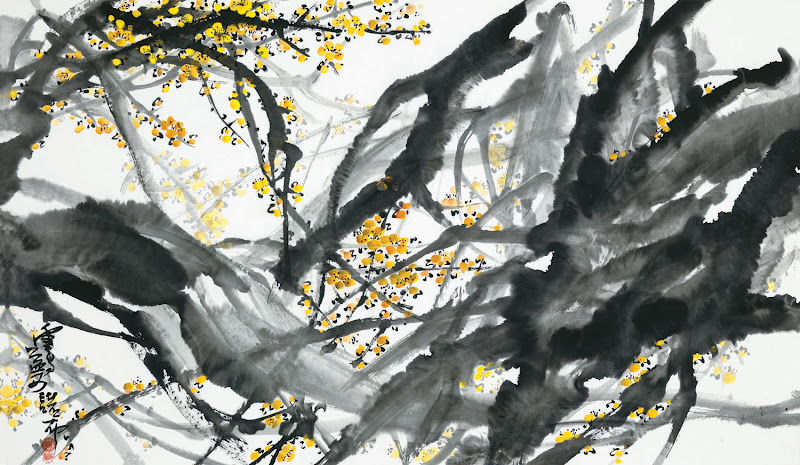
  • Extensive collection of Asian and East-West artworks
  • Intimate, walkable 25,000 sq. ft. gallery layout
  • Unique themed rooms (indoor grotto, Dragon Hall, sealed Treasure Room)
  • Rotating temporary exhibitions alongside permanent holdings
  • Accessible location near Powell Street cable car and Civic Center

More Details

Updated March 30, 2026

Description

The International Art Museum of America operates as a nonprofit gallery that’s carved out its own distinctive space in the contemporary art world. Unlike those massive institutional museums where you spend half your day just trying to find the bathroom, this place offers something more intimate and carefully curated. You’ll find works from world-class artists spanning paintings, sculptures, and various other mediums that honestly surprised me when I first learned about the breadth of their collection.

What sets this museum apart is its commitment to showcasing international talent in ways that feel accessible rather than intimidating. I’ve visited plenty of galleries where the atmosphere screams “don’t touch anything and please leave if you don’t understand postmodern deconstructionism,” but that’s not the vibe here. The space welcomes families, art novices, and seasoned collectors alike, which is refreshing in a world where art institutions can sometimes feel exclusionary.

The museum functions as both an educational resource and a cultural hub, hosting live performances that add another dimension to the typical gallery experience. And I think that’s pretty cool—when you can catch a musical performance or artistic demonstration alongside visual works, it creates this multi-sensory experience that sticks with you long after you’ve left. They’ve really thought about how to make art feel alive and relevant rather than just something pretty to look at behind velvet ropes.

Visitors consistently appreciate the quality of the artwork on display, with many noting that the pieces rival what you’d find in much larger, more famous institutions. But the real advantage here is that you can actually spend time with the art without fighting crowds or feeling rushed. The collection rotates periodically, so repeat visitors will find new reasons to return throughout the year.

Key Features

The International Art Museum of America offers several standout features that enhance the visitor experience:

  • World-Class Artwork Collection: The permanent and rotating exhibitions feature paintings and sculptures from internationally recognized artists representing diverse cultural perspectives and artistic movements
  • Live Performance Programming: Beyond static displays, the museum hosts live performances that bring an energetic, theatrical element to the traditional gallery visit
  • Military Appreciation: Active military members receive discounted admission, which is a thoughtful gesture that many museums overlook
  • Comprehensive Accessibility: Wheelchair accessible entrances and restrooms ensure mobility-impaired visitors can navigate comfortably, while assisted listening devices accommodate those with hearing challenges
  • Onsite Cafe: Visitors can grab coffee or a light bite without leaving the premises, perfect for extending your visit without getting hangry
  • Guided Tours: Expert-led tours provide context and insights that transform viewing art from a casual browse into a genuinely educational experience
  • Gift Shop: A well-curated selection of art-related merchandise, books, and souvenirs lets you take a piece of the experience home
  • Family-Friendly Environment: The museum welcomes children and provides an atmosphere where families can explore art together without constant “shushing”
  • Nonprofit Mission: As a nonprofit organization, admission fees directly support the arts and help maintain free or reduced-cost programming for the community

Best Time to Visit

Timing your visit to the International Art Museum of America can significantly impact your experience, and trust me, there’s a real difference between visiting during peak hours versus quieter moments.

Weekday mornings, particularly Tuesday through Thursday between 10 AM and noon, tend to offer the most peaceful viewing conditions. You’ll have more breathing room to contemplate the artwork without someone’s elbow in your peripheral vision or the constant chatter that can break your concentration. I always prefer weekday visits to any museum because weekends bring families and tour groups—which is great that everyone’s enjoying art, but not ideal if you’re seeking contemplation.

If you’re planning ahead (which they actually recommend for ticket purchases), consider visiting during the shoulder seasons of spring and fall. Summer brings tourist crowds and school field trips, while winter holidays can get surprisingly busy with locals looking for indoor activities. But that September-to-November window? Chef’s kiss for museum visits.

Weather considerations matter too, even though you’ll be indoors most of the time. Rainy days naturally attract more visitors seeking shelter, so paradoxically, those gorgeous sunny days when everyone else is outdoors might give you the best museum experience. And speaking of live performances, check the event calendar before planning your trip. If catching a performance interests you, build your visit around that schedule. Conversely, if you prefer quiet contemplation, avoid performance days when crowds swell.

The museum occasionally hosts special exhibitions that draw larger audiences. While these can be incredible to see, they also mean longer lines and more crowded galleries. Weighing whether the special exhibition is worth the crowds depends on your personal preferences and how much you value solitude versus seeing something truly exceptional.

Early birds definitely catch the worm here. Arriving right when doors open gives you first crack at the galleries before afternoon crowds arrive. Plus, there’s something magical about experiencing art in the morning when your mind is fresh and receptive rather than after you’ve already been sightseeing for six hours.

How to Get There

Getting to the International Art Museum of America requires some planning, particularly regarding transportation and parking logistics. The museum doesn’t offer dedicated parking lots, so you’ll need to rely on paid street parking in the surrounding area. Honestly, this is pretty typical for urban museums, but it’s worth knowing in advance so you’re not circling blocks endlessly five minutes before your timed entry.

If you’re driving, arrive with extra time to scout for parking spots. Download a parking app beforehand that shows real-time availability and pricing—this has saved me countless times from parking-related meltdowns. Street parking rates vary depending on time of day and duration, so check the meters carefully. Nothing ruins an art-filled afternoon quite like returning to a parking ticket.

Public transportation often provides the smartest option for reaching urban museums. Research bus lines and subway routes that stop near the museum, as you’ll avoid parking hassles entirely while probably saving money. Plus, you can review the exhibition catalog or read up on featured artists during your commute rather than stressing about traffic.

Rideshare services like Uber and Lyft work perfectly for museum visits. You get dropped at the entrance, enjoy your visit at whatever pace suits you, then request a pickup when ready to leave. For travelers without rental cars, this option provides maximum flexibility without parking headaches.

If you’re staying nearby, walking might be your best bet. Many travelers overlook the simple pleasure of a pre-museum stroll, which can actually enhance the experience by putting you in the right mindset. I find that walking to museums helps transition my brain from tourist-rushing-around mode to contemplative-art-appreciator mode.

Consider proximity to other attractions when planning your route. Efficient travelers often cluster multiple destinations in the same area to minimize transportation time and costs. Check what else sits within walking distance—you might discover opportunities to maximize your day without backtracking across the city.

Tips for Visiting

Making the most of your International Art Museum of America experience involves some insider knowledge that’ll elevate your visit from good to genuinely memorable.

First off, purchase tickets in advance. The museum specifically recommends this, and there’s good reason—it guarantees entry during your preferred timeframe and often lets you skip ticket counter lines. Nothing’s worse than showing up excited to see art only to face sold-out admission or lengthy waits.

Budget adequate time for your visit. Rushing through museums is like speed-reading poetry—you’re technically getting through it, but missing the whole point. Most visitors spend between 90 minutes to two hours here, though art enthusiasts could easily stretch that to three or four hours when you factor in the cafe and gift shop. Plan accordingly rather than sandwiching your museum visit between conflicting commitments.

Take advantage of the guided tours if that’s your learning style. Some people prefer wandering independently, and that’s totally valid, but tours provide context that deepens appreciation for the artwork. Guides often share stories and details you’d never glean from wall placards alone. But if you’re more of a free spirit, the audio guide or museum app (if available) offers a compromise between structure and independence.

The onsite cafe deserves strategic consideration. Arriving slightly early lets you grab coffee before diving into the galleries, giving you that caffeine boost without interrupting your flow midway through. Alternatively, save it for afterward as a place to decompress and process what you’ve seen. I’m personally a fan of the post-visit cafe sit, letting impressions settle while journaling or chatting about favorite pieces.

Wear comfortable shoes—this seems obvious, but you’d be amazed how many people ignore this advice then complain about foot pain after thirty minutes. Museum floors are unforgiving, and you’ll be standing and walking more than you realize. Fashion matters less than comfort when you’re trying to appreciate art.

Photography policies vary by exhibition, so check signage or ask staff before snapping pics. Some artworks may be off-limits due to copyright or conservation concerns, while others are fair game. Nothing marks you as a tourist quite like ignoring clearly posted rules, plus it’s just respectful to the artists and institution.

Visit the gift shop even if you’re not typically a souvenir person. Museum shops increasingly offer quality merchandise that extends your connection to the art you’ve experienced. Books about featured artists, unique jewelry inspired by the collection, or high-quality prints provide lasting reminders of your visit that airport gift shop keychains simply can’t match.

Families with children should grab any available activity guides or scavenger hunt materials. These transform potentially boring gallery walks into engaging adventures that keep kids interested while sneaking in education. The museum’s family-friendly atmosphere suggests they’ve considered how to make art accessible for younger visitors.

Take breaks when needed. Gallery fatigue is real—that glazed-over feeling when paintings start blurring together and your brain simply can’t absorb more visual information. Better to sit down for ten minutes or step outside briefly than push through and remember nothing.

Respect the space and other visitors. This means silencing phones, speaking in moderate tones, giving others room to view popular pieces, and generally being aware of your surroundings. Museums function as shared contemplative spaces, and your enjoyment shouldn’t diminish someone else’s experience.

Check accessibility features if you or your companions need accommodations. The wheelchair accessible facilities and assisted listening devices demonstrate the museum’s commitment to inclusive access, but actually utilizing these resources requires knowing they exist and where to find them. Don’t hesitate to ask staff for assistance—that’s literally what they’re there for.

Finally, approach your visit with openness rather than rigid expectations. You might discover unexpected favorite artists, find yourself moved by pieces you’d normally overlook, or simply enjoy the quiet contemplation that museums uniquely provide. The best museum experiences often come from remaining receptive to surprise rather than checking boxes on a must-see list.

Key Highlights

  • Extensive collection of Asian and East-West artworks
  • Intimate, walkable 25,000 sq. ft. gallery layout
  • Unique themed rooms (indoor grotto, Dragon Hall, sealed Treasure Room)
  • Rotating temporary exhibitions alongside permanent holdings
  • Accessible location near Powell Street cable car and Civic Center

Location

Places to Stay Near International Art Museum of America

Find and Book a Tour

Explore More Travel Guides

No reviews found! Be the first to review!

International Art Museum of America is a prominent museums located in San Francisco.

Visit us at: 1023 Market St, San Francisco, CA 94103美國.

Traveler Reviews for International Art Museum of America

There are no reviews yet. Be the first one to write one.

Share Your Experience

Have you visited International Art Museum of America? Help other travelers by sharing your review.

Nearby Attractions

Powell Street cable car turnaround Civic Center (San Francisco City Hall, Asian Art Museum) Union Square shopping district

Find Accommodations Nearby

Recommended Tours & Activities

Visitor Reviews

There are no reviews yet. Be the first one to write one.

Share Your Experience

Have you visited International Art Museum of America? Help other travelers by leaving a review.