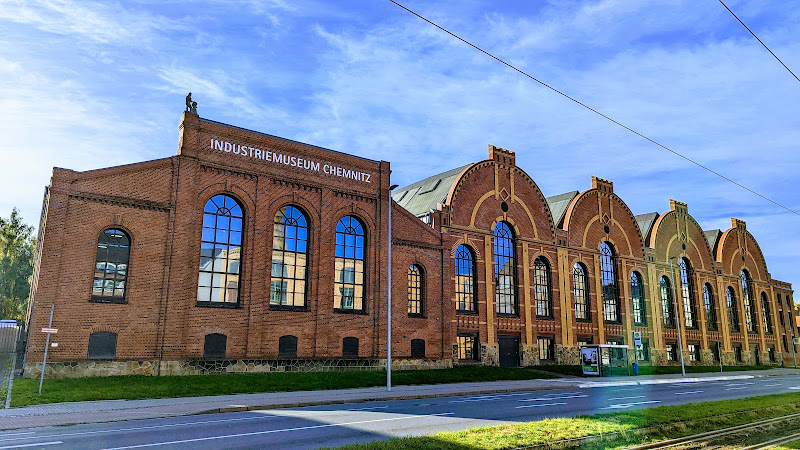
Housed in former factory buildings that still whisper the rhythms of production, the museum charts the region’s rise as a center of engineering, textiles and mechanical innovation. Exhibits range from delicate lace-making tools and textile machines to heavy steam engines and workshop equipment that, once fired up, blast a little life back into history. The overall effect is neither sterile nor over-curated; it feels like stepping into a workshop where time has been carefully paused so visitors can look, touch and ask questions.
Visitors who love mechanical things will linger. The collection includes working models and full-size machines that speak to the scale of 19th and early 20th century industry, and to the ingenuity that made Chemnitz a manufacturing hub. There are displays devoted to textile technology, because textile production shaped local society for decades — power looms, carding machines, spinning frames — and then there are the steam-driven engines and the clanking, satisfying machinery in the machine hall. For anyone who appreciates engineering, this museum is a kind of living textbook: you can see how an idea became a tool, and how a tool changed everyday life.
It also serves as an archive and research hub, quietly hosting specialists and school groups alongside casual travelers. There is a satisfying mix of big, show-stopping artifacts and small, intimate displays: trade cards, factory signage, worker diaries, and architectural fragments. Some of the best moments come from the small stuff — a child’s hand-drawn cartoon of a factory, a grease-stained timetable, a promotional poster for an 1890s fair. Those odd, domestic traces of industrial life make the story feel human, not just mechanical.
Accessibility is a genuine plus here. The museum provides a wheelchair accessible entrance and parking, as well as accessible restrooms, which is more than many historic sites manage. Families show up in good numbers because the place is set up for kids: hands-on stations, a low-slung changing table, and exhibits that reward touching and experimenting rather than looking politely from afar. There’s a small restaurant on site for when the viewing legs get tired, Wi-Fi in parts of the building, and convenient rest areas that invite you to pause and plan the next gallery rather than rush through.
Special events animate the space in ways that sometimes surprise even regular visitors. For example, during the Eurobean Chocolate Festival — note the change in pricing and timings for the festival weekend from 1 August 2025 at 14:00 until 3 August 2025 — the museum becomes a sweeter, more bustling place. The festival transforms corners of the industrial halls into chocolate tasting booths and workshops; machines that once spun threads now frame demonstrations or creative pop-ups. It is an odd but delightful collision of chocolate and steam, and those event weekends are memorable if you are up for a crowd and a party atmosphere. If not, stick to quieter weekdays and catch the same artifacts with more elbow room.
One of the museum’s lesser-known strengths is its balance between rigorous history and visually engaging presentation. Curators do not just line up machines; they tell the social story behind them. The shift from home-based textile work to mechanized factory labor — and its consequences for family life, migration and city development — is handled with care. The museum avoids glorifying industrial might, instead offering a view of both pride and cost: technological triumphs, yes, but also the labor struggles and environmental impacts that followed. That kind of nuance makes the museum useful for students, historians and travelers who want more than just a photo op.
Practical interpretation is another area where the museum quietly scores points. Many labels include technical specs and manufacturing dates, and where possible, comparisons are drawn to modern equivalents so a novice can grasp why a given machine mattered. On certain days, guided tours or demonstrations run in English; on others the explanations are in German, but the visual clarity of the working machines helps bridge the language gap. Some visitors mention that a handful of exhibit labels remain German-only, so bring your curiosity and a translation app if you want to dive deeply into every plaque.
There’s a charming sensory dimension to the place that often surprises first-time visitors. The smell of oil, the reverberation of metal, the low hum of a slowly turning flywheel — these physical details make history feel immediate. One museum volunteer, according to the author, once remarked that the scent itself is a kind of memory-keeper, and the author remembers nodding along while wiping a greasy hand on a sleeve. It’s a small, silly detail, perhaps, but it’s part of what turns a visit from educational to oddly intimate.
For photographers and design-minded travelers, the Industrial Museum Chemnitz offers great material. The light in the machine halls — high windows, exposed brick, long shadows cast by iron girders — creates a cinematic backdrop. Architectural fragments and preserved factory facades are delightful study subjects for anyone interested in industrial aesthetics. Just be aware that during demonstrations tripods and flash may be discouraged; check with staff if you have gear and a mission to shoot.
There are also quieter corners for research or contemplation. The museum’s archive and library sections are suited to those who want to dig deeper into local industrial history or trace genealogy connected to factory work. These resources are not always widely advertised but they are friendly to visitors with a specific research goal. If that sounds like you, it’s worth reaching out ahead of time via the museum’s contact channels so staff can prepare material or point out the most relevant collections.
On the visitor-experience side, the museum feels intentionally approachable. Staff tend to be enthusiastic rather than staid, and volunteers often have personal ties to the machinery on display — grandparents who worked in nearby factories, folks who collect old tools, engineers who like to keep steam engines in running order. Conversations with these people can be as informative as the labels: they bring anecdotes and a tone of lived experience that enriches the exhibits. The mix of professional interpretive work and passionate local involvement gives the place an authenticity that resonates.
Of course, no place is perfect. During big events like festivals or holiday openings, crowds can make it harder to linger at certain machines, and the restaurant can get busy. A few areas might benefit from updated multi-language signage or more seating, but these are relatively small gripes compared with the depth of the collections and the warmth of the staff. The museum’s popularity is a sign that it matters to locals and visitors alike; if you want to avoid the busiest times, aim for off-peak mornings or weekdays.
In short, the Industrial Museum Chemnitz is a substantial stop for travelers who care about how cities, technology and people intersect. It caters to families, students, engineers, photographers and casual browsers in one go — but it does so without flattening its story into a single, simplistic headline. It invites curiosity, encourages questions, and rewards people who slow down and listen to the hum of a well-oiled past. And if one leaves with a slightly greasy fingertip and a better understanding of how a textile machine changed a whole region, well, that’s the point.
 Real Journey Travels