About Ibibio Museum

Description

The Ibibio Museum stands as a cultural cornerstone that preserves and celebrates the rich heritage of the Ibibio people, one of the largest ethnic groups in southeastern Nigeria. When you step through the doors of this institution, you're essentially walking into centuries of tradition, artistry, and collective memory that has shaped the identity of millions. The museum serves as both an educational resource and a testament to the resilience of indigenous African cultures in the face of modernization. What makes this place particularly compelling is its role as a guardian of artifacts and stories that might otherwise disappear into the fog of history. The Ibibio people have contributed significantly to Nigeria's cultural tapestry through their distinctive art forms, religious practices, and social structures. And honestly, seeing these elements preserved in one location gives visitors a concentrated dose of authenticity that's hard to find elsewhere in the region. The museum facility itself demonstrates a commitment to accessibility that many Nigerian cultural institutions are still working toward. From the moment you arrive, you'll notice that thoughtful consideration has been given to ensuring various visitors can experience the collections comfortably. The physical space houses a diverse array of exhibits that span traditional clothing, ceremonial objects, musical instruments, and historical documentation that brings the Ibibio story to life in tangible ways. But here's the thing - this isn't one of those sterile, hands-off museum experiences where everything feels distant and untouchable. The atmosphere manages to balance scholarly preservation with genuine warmth, making it approachable for both serious researchers and families looking for an educational outing. The museum staff typically provide onsite services that enhance the visiting experience, offering context and answering questions that help bridge the gap between contemporary visitors and ancient traditions.

Key Features

The Ibibio Museum offers several distinctive elements that make it worth adding to your Nigerian travel itinerary:
  • Comprehensive collection of traditional Ibibio artifacts including ceremonial masks, sculptures, and ritual objects that reveal the spiritual dimensions of the culture
  • Display of indigenous musical instruments that showcase the rhythmic complexity and melodic traditions that have influenced broader Nigerian music
  • Historical documentation and photographs that trace the evolution of Ibibio society from pre-colonial times through the present day
  • Traditional textile and clothing exhibits featuring the distinctive patterns and weaving techniques unique to Ibibio craftspeople
  • Wheelchair accessible facilities throughout the premises, including entrance, parking areas, and restroom facilities for visitors with mobility considerations
  • Educational exhibits appropriate for children and families, making it a genuinely family-friendly destination rather than an adults-only affair
  • Examples of traditional household items and tools that illustrate daily life practices across different historical periods
  • Artwork showcasing various Ibibio artistic styles, from wood carving to painting, demonstrating the aesthetic principles that define the culture
  • Religious and spiritual artifacts that provide insight into the belief systems that continue to influence contemporary Ibibio communities
  • Documentation of notable Ibibio historical figures who have contributed to Nigerian national development

Best Time to Visit

Timing your visit to the Ibibio Museum requires some strategic thinking about both weather patterns and your personal travel preferences. The museum operates year-round, but your experience will definitely vary depending on when you show up. Nigeria's dry season, which runs roughly from November through March, presents the most comfortable conditions for museum visits and general travel throughout the region. During these months, you'll encounter less rainfall and more moderate temperatures, which makes getting around significantly easier. The harmattan winds that blow through West Africa during this period can create hazy conditions, but they also bring cooler temperatures that many visitors find more bearable than the intense tropical heat. I'd personally recommend planning your visit for weekday mornings if your schedule allows for that flexibility. Museums tend to be quieter during these hours, giving you more space to absorb the exhibits without competing with large groups or school excursions. And there's something particularly contemplative about experiencing cultural artifacts when you have room to breathe and think without constant distraction. The rainy season from April through October brings its own considerations. While the museum itself provides shelter from the elements, getting there can become more challenging when roads turn muddy and transportation becomes less reliable. That said, if you're already traveling in Nigeria during these months, don't let the weather completely deter you. The museum remains operational, and you might actually benefit from smaller crowds since tourism naturally decreases during the wet season. Weekend visits can get busier, particularly when local families decide to spend their leisure time at the museum. This actually creates a different kind of atmosphere that some travelers might enjoy - there's something authentic about experiencing a cultural institution alongside community members rather than just other tourists. You'll overhear conversations in local languages and observe how Nigerian families engage with their own heritage, which adds layers of context you might miss during a quieter visit.

How to Get There

Getting to the Ibibio Museum requires navigating the realities of transportation in southeastern Nigeria, which can be an adventure in itself. The museum sits within reach of several major population centers, but the journey demands some planning and flexibility. If you're flying into the region, your nearest major airport will likely serve as your starting point. From there, you'll need to arrange ground transportation to reach the museum's location. Hiring a private car with a driver remains the most reliable option for international visitors who aren't familiar with local navigation. Yes, it costs more than public transport, but the convenience and time savings usually justify the expense. Plus, having a local driver means you've got someone who can navigate the sometimes unpredictable road conditions and serve as an impromptu guide. Taxi services operate throughout the area, though quality and reliability vary considerably. If you go this route, negotiate your fare before getting in the vehicle - it's just standard practice in Nigerian transportation culture. Some visitors have found success using ride-hailing apps where they're available, which provides more price transparency and safety accountability. Public transportation exists in the form of buses and shared taxis (often called "danfos" or similar depending on the specific area). These offer the most economical option and an authentic slice of local life. But be prepared for crowded conditions, unpredictable schedules, and routes that might not drop you directly at the museum entrance. You'll probably need to combine multiple transport modes and do some walking. For visitors staying within the immediate urban area, the museum's accessible parking facilities make it straightforward if you've arranged a rental vehicle. Just be aware that driving yourself in Nigeria requires confidence dealing with aggressive traffic, poorly maintained roads, and driving customs that differ significantly from Western norms. Plan for travel times to take longer than what Google Maps might suggest. Road conditions, traffic congestion, and the general pace of Nigerian travel mean you should buffer extra time into your schedule. Arriving stressed because you cut your timing too tight won't put you in the right headspace to appreciate what the museum offers.

Tips for Visiting

Walking into the Ibibio Museum prepared will dramatically improve your experience, so here are some practical insights based on what actually matters when you're on the ground. Dress respectfully and practically. While the museum isn't a religious site requiring specific clothing, you're visiting a cultural institution that deserves appropriate attire. Lightweight, modest clothing works best - think covered shoulders and knees as a baseline. The Nigerian climate means you'll want breathable fabrics that can handle heat and potential humidity. And comfortable walking shoes are non-negotiable since you'll be on your feet exploring the exhibits. Bring Nigerian naira in cash. While some Nigerian institutions increasingly accept cards, cash remains king in many situations. You might need it for admission, purchasing items from any gift shop, or tipping staff members who provide helpful information. Small denominations prove particularly useful since making change can sometimes present challenges. Photography policies deserve clarification before you start snapping pictures. Some museums restrict photography of certain artifacts for preservation or cultural sensitivity reasons. Rather than assuming you can photograph everything, ask about the policy when you arrive. Respecting these guidelines shows cultural awareness and ensures you don't inadvertently cause offense. Take advantage of any guided services or staff expertise available. The difference between wandering past artifacts and actually understanding their significance is huge. Museum staff can provide context, answer questions, and share stories that bring the exhibits to life in ways that written placards simply can't match. Don't be shy about engaging with people - Nigerians are generally warm and welcoming toward visitors showing genuine interest in their culture. Plan for at least two to three hours to properly experience the museum. Rushing through defeats the entire purpose of visiting. This isn't a checkbox attraction where you snap a quick photo and move on. The collections deserve thoughtful attention, and giving yourself adequate time prevents that rushed, stressed feeling that ruins cultural experiences. Facilities matter, so know what's available before you need it. The museum provides restroom facilities that are wheelchair accessible, which addresses a basic but crucial visitor need. Still, traveling with essentials like hand sanitizer and tissue never hurts in Nigerian public facilities. Consider combining your museum visit with other cultural experiences in the area. The Ibibio Museum functions as part of a broader cultural ecosystem, and experiencing multiple elements together creates a more complete picture. Local markets, traditional restaurants, and other heritage sites can complement what you learn at the museum. Stay hydrated and bring water with you. The Nigerian climate doesn't forgive dehydration, and museum environments can sometimes lack adequate temperature control. Having your own water bottle ensures you can stay comfortable throughout your visit. Be patient with imperfections. Nigerian museums operate with different resource levels than major Western institutions. You might encounter exhibits that seem less polished or technology that doesn't work perfectly. But these surface-level details don't diminish the genuine value of the cultural treasures housed within the walls. Focus on the content rather than comparing facilities to museums in wealthier countries. The Ibibio Museum rewards visitors who approach it with curiosity, respect, and realistic expectations. It offers a window into a culture that has endured and evolved across centuries, maintaining distinct identity while adapting to changing circumstances. For travelers seeking authentic cultural experiences beyond tourist clichés, this museum delivers substance and meaning that makes the journey worthwhile.

Key Features

  • Collections of Ibibio carvings, textiles and ceremonial regalia
  • Photographs and displays tracing local history and colonial-era encounters
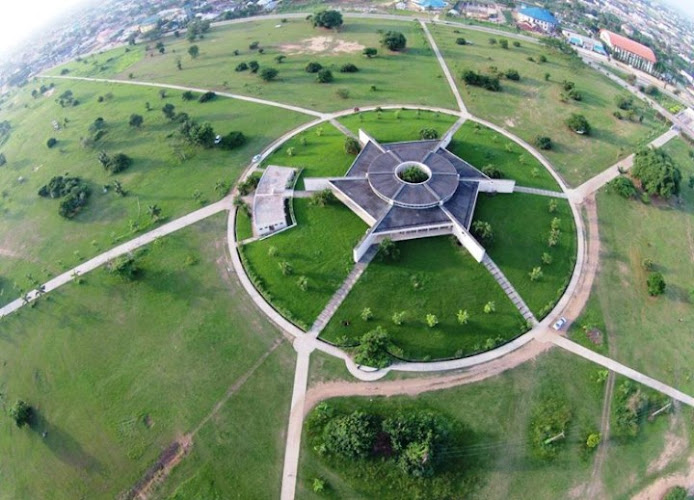
  • Situated within Unity Park with ponds, paved walkways and outdoor monuments
  • Opportunities for photography and peaceful picnic spots nearby
  • Accessible location in central Uyo near government and civic landmarks

More Details

Updated January 17, 2026

Description

The Ibibio Museum stands as a cultural cornerstone that preserves and celebrates the rich heritage of the Ibibio people, one of the largest ethnic groups in southeastern Nigeria. When you step through the doors of this institution, you’re essentially walking into centuries of tradition, artistry, and collective memory that has shaped the identity of millions. The museum serves as both an educational resource and a testament to the resilience of indigenous African cultures in the face of modernization.

What makes this place particularly compelling is its role as a guardian of artifacts and stories that might otherwise disappear into the fog of history. The Ibibio people have contributed significantly to Nigeria’s cultural tapestry through their distinctive art forms, religious practices, and social structures. And honestly, seeing these elements preserved in one location gives visitors a concentrated dose of authenticity that’s hard to find elsewhere in the region.

The museum facility itself demonstrates a commitment to accessibility that many Nigerian cultural institutions are still working toward. From the moment you arrive, you’ll notice that thoughtful consideration has been given to ensuring various visitors can experience the collections comfortably. The physical space houses a diverse array of exhibits that span traditional clothing, ceremonial objects, musical instruments, and historical documentation that brings the Ibibio story to life in tangible ways.

But here’s the thing – this isn’t one of those sterile, hands-off museum experiences where everything feels distant and untouchable. The atmosphere manages to balance scholarly preservation with genuine warmth, making it approachable for both serious researchers and families looking for an educational outing. The museum staff typically provide onsite services that enhance the visiting experience, offering context and answering questions that help bridge the gap between contemporary visitors and ancient traditions.

Key Features

The Ibibio Museum offers several distinctive elements that make it worth adding to your Nigerian travel itinerary:

  • Comprehensive collection of traditional Ibibio artifacts including ceremonial masks, sculptures, and ritual objects that reveal the spiritual dimensions of the culture
  • Display of indigenous musical instruments that showcase the rhythmic complexity and melodic traditions that have influenced broader Nigerian music
  • Historical documentation and photographs that trace the evolution of Ibibio society from pre-colonial times through the present day
  • Traditional textile and clothing exhibits featuring the distinctive patterns and weaving techniques unique to Ibibio craftspeople
  • Wheelchair accessible facilities throughout the premises, including entrance, parking areas, and restroom facilities for visitors with mobility considerations
  • Educational exhibits appropriate for children and families, making it a genuinely family-friendly destination rather than an adults-only affair
  • Examples of traditional household items and tools that illustrate daily life practices across different historical periods
  • Artwork showcasing various Ibibio artistic styles, from wood carving to painting, demonstrating the aesthetic principles that define the culture
  • Religious and spiritual artifacts that provide insight into the belief systems that continue to influence contemporary Ibibio communities
  • Documentation of notable Ibibio historical figures who have contributed to Nigerian national development

Best Time to Visit

Timing your visit to the Ibibio Museum requires some strategic thinking about both weather patterns and your personal travel preferences. The museum operates year-round, but your experience will definitely vary depending on when you show up.

Nigeria’s dry season, which runs roughly from November through March, presents the most comfortable conditions for museum visits and general travel throughout the region. During these months, you’ll encounter less rainfall and more moderate temperatures, which makes getting around significantly easier. The harmattan winds that blow through West Africa during this period can create hazy conditions, but they also bring cooler temperatures that many visitors find more bearable than the intense tropical heat.

I’d personally recommend planning your visit for weekday mornings if your schedule allows for that flexibility. Museums tend to be quieter during these hours, giving you more space to absorb the exhibits without competing with large groups or school excursions. And there’s something particularly contemplative about experiencing cultural artifacts when you have room to breathe and think without constant distraction.

The rainy season from April through October brings its own considerations. While the museum itself provides shelter from the elements, getting there can become more challenging when roads turn muddy and transportation becomes less reliable. That said, if you’re already traveling in Nigeria during these months, don’t let the weather completely deter you. The museum remains operational, and you might actually benefit from smaller crowds since tourism naturally decreases during the wet season.

Weekend visits can get busier, particularly when local families decide to spend their leisure time at the museum. This actually creates a different kind of atmosphere that some travelers might enjoy – there’s something authentic about experiencing a cultural institution alongside community members rather than just other tourists. You’ll overhear conversations in local languages and observe how Nigerian families engage with their own heritage, which adds layers of context you might miss during a quieter visit.

How to Get There

Getting to the Ibibio Museum requires navigating the realities of transportation in southeastern Nigeria, which can be an adventure in itself. The museum sits within reach of several major population centers, but the journey demands some planning and flexibility.

If you’re flying into the region, your nearest major airport will likely serve as your starting point. From there, you’ll need to arrange ground transportation to reach the museum’s location. Hiring a private car with a driver remains the most reliable option for international visitors who aren’t familiar with local navigation. Yes, it costs more than public transport, but the convenience and time savings usually justify the expense. Plus, having a local driver means you’ve got someone who can navigate the sometimes unpredictable road conditions and serve as an impromptu guide.

Taxi services operate throughout the area, though quality and reliability vary considerably. If you go this route, negotiate your fare before getting in the vehicle – it’s just standard practice in Nigerian transportation culture. Some visitors have found success using ride-hailing apps where they’re available, which provides more price transparency and safety accountability.

Public transportation exists in the form of buses and shared taxis (often called “danfos” or similar depending on the specific area). These offer the most economical option and an authentic slice of local life. But be prepared for crowded conditions, unpredictable schedules, and routes that might not drop you directly at the museum entrance. You’ll probably need to combine multiple transport modes and do some walking.

For visitors staying within the immediate urban area, the museum’s accessible parking facilities make it straightforward if you’ve arranged a rental vehicle. Just be aware that driving yourself in Nigeria requires confidence dealing with aggressive traffic, poorly maintained roads, and driving customs that differ significantly from Western norms.

Plan for travel times to take longer than what Google Maps might suggest. Road conditions, traffic congestion, and the general pace of Nigerian travel mean you should buffer extra time into your schedule. Arriving stressed because you cut your timing too tight won’t put you in the right headspace to appreciate what the museum offers.

Tips for Visiting

Walking into the Ibibio Museum prepared will dramatically improve your experience, so here are some practical insights based on what actually matters when you’re on the ground.

Dress respectfully and practically. While the museum isn’t a religious site requiring specific clothing, you’re visiting a cultural institution that deserves appropriate attire. Lightweight, modest clothing works best – think covered shoulders and knees as a baseline. The Nigerian climate means you’ll want breathable fabrics that can handle heat and potential humidity. And comfortable walking shoes are non-negotiable since you’ll be on your feet exploring the exhibits.

Bring Nigerian naira in cash. While some Nigerian institutions increasingly accept cards, cash remains king in many situations. You might need it for admission, purchasing items from any gift shop, or tipping staff members who provide helpful information. Small denominations prove particularly useful since making change can sometimes present challenges.

Photography policies deserve clarification before you start snapping pictures. Some museums restrict photography of certain artifacts for preservation or cultural sensitivity reasons. Rather than assuming you can photograph everything, ask about the policy when you arrive. Respecting these guidelines shows cultural awareness and ensures you don’t inadvertently cause offense.

Take advantage of any guided services or staff expertise available. The difference between wandering past artifacts and actually understanding their significance is huge. Museum staff can provide context, answer questions, and share stories that bring the exhibits to life in ways that written placards simply can’t match. Don’t be shy about engaging with people – Nigerians are generally warm and welcoming toward visitors showing genuine interest in their culture.

Plan for at least two to three hours to properly experience the museum. Rushing through defeats the entire purpose of visiting. This isn’t a checkbox attraction where you snap a quick photo and move on. The collections deserve thoughtful attention, and giving yourself adequate time prevents that rushed, stressed feeling that ruins cultural experiences.

Facilities matter, so know what’s available before you need it. The museum provides restroom facilities that are wheelchair accessible, which addresses a basic but crucial visitor need. Still, traveling with essentials like hand sanitizer and tissue never hurts in Nigerian public facilities.

Consider combining your museum visit with other cultural experiences in the area. The Ibibio Museum functions as part of a broader cultural ecosystem, and experiencing multiple elements together creates a more complete picture. Local markets, traditional restaurants, and other heritage sites can complement what you learn at the museum.

Stay hydrated and bring water with you. The Nigerian climate doesn’t forgive dehydration, and museum environments can sometimes lack adequate temperature control. Having your own water bottle ensures you can stay comfortable throughout your visit.

Be patient with imperfections. Nigerian museums operate with different resource levels than major Western institutions. You might encounter exhibits that seem less polished or technology that doesn’t work perfectly. But these surface-level details don’t diminish the genuine value of the cultural treasures housed within the walls. Focus on the content rather than comparing facilities to museums in wealthier countries.

The Ibibio Museum rewards visitors who approach it with curiosity, respect, and realistic expectations. It offers a window into a culture that has endured and evolved across centuries, maintaining distinct identity while adapting to changing circumstances. For travelers seeking authentic cultural experiences beyond tourist clichés, this museum delivers substance and meaning that makes the journey worthwhile.

Key Highlights

  • Collections of Ibibio carvings, textiles and ceremonial regalia
  • Photographs and displays tracing local history and colonial-era encounters
  • Situated within Unity Park with ponds, paved walkways and outdoor monuments
  • Opportunities for photography and peaceful picnic spots nearby
  • Accessible location in central Uyo near government and civic landmarks

Location

Places to Stay Near Ibibio Museum

Find and Book a Tour

Explore More Travel Guides

No reviews found! Be the first to review!

Traveler Reviews for Ibibio Museum

There are no reviews yet. Be the first one to write one.

Share Your Experience

Have you visited Ibibio Museum? Help other travelers by sharing your review.

Nearby Attractions

Unity Park (Uyo) Akwa Ibom State House of Assembly (Banking Layout area) Local craft markets and civic monuments in central Uyo

Find Accommodations Nearby

Recommended Tours & Activities

Visitor Reviews

There are no reviews yet. Be the first one to write one.

Share Your Experience

Have you visited Ibibio Museum? Help other travelers by leaving a review.