
Hyaena
About Hyaena
Description
The Grand Canyon stands as one of America's most iconic natural wonders, carved over millions of years by the relentless Colorado River through layers of ancient rock. This massive geological formation stretches 277 miles long, reaches depths of over a mile, and spans up to 18 miles wide at certain points. What makes this place truly special isn't just its sheer size - though that's certainly impressive - but the way it reveals Earth's history like pages in a book written in stone. I remember my first glimpse of the canyon, and honestly, nothing quite prepares you for that initial moment when you peer over the rim. The scale is almost impossible to process at first. Your brain kind of struggles to make sense of what you're seeing because we're just not wired to comprehend something so vast. The rock layers tell a story spanning nearly two billion years, from the dark Vishnu Schist at the bottom to the relatively young Kaibab Limestone at the rim. But here's what most people don't realize - the Grand Canyon isn't just one experience. The South Rim and North Rim offer completely different perspectives, almost like viewing two separate natural monuments. The South Rim stays open year-round and draws about 90% of visitors, while the North Rim closes during winter months due to snow. And that difference in elevation between the two rims? It's only about 1,000 feet, but it creates dramatically different ecosystems and views. The canyon's colors shift throughout the day in ways that photographs simply can't capture. Early morning light paints the rock faces in soft pastels, while sunset transforms everything into a palette of reds, oranges, and purples that seem almost unreal. Weather patterns create their own drama too - watching storm clouds roll across the canyon while you stand in sunshine is something that stays with you. Wildlife thrives here in surprising abundance. California condors, once nearly extinct, soar on thermals rising from the canyon depths. Desert bighorn sheep navigate impossible-looking cliff faces, and elk roam the rim areas. The Colorado River below supports its own unique ecosystem, completely different from the desert environment at the rim.Key Features
The Grand Canyon offers numerous distinctive features that set it apart from other natural destinations: • Multiple viewpoints along the South Rim, each offering unique perspectives and photographic opportunities • The famous Bright Angel Trail, which descends 4,380 feet from the South Rim to the Colorado River • Desert View Watchtower, a 70-foot stone tower providing panoramic views and Native American cultural exhibits • The Colorado River, flowing 277 miles through the canyon and offering white-water rafting adventures • Geological rock layers spanning nearly two billion years of Earth's history • Diverse ecosystems ranging from desert scrub at the rim to riparian zones along the river • California condor viewing opportunities - these massive birds with 10-foot wingspans are truly spectacular • North Rim accessibility from mid-May through October, offering cooler temperatures and different vantage points • Hermit Road scenic drive with multiple stops and shuttle bus access during peak seasons • Dark sky preservation making it exceptional for stargazing and night photography • Historic Grand Canyon Village with early 20th-century architecture and cultural significance • Backcountry hiking opportunities extending for hundreds of miles beyond the main tourist areasBest Time to Visit
Timing your Grand Canyon visit can make or break your experience, and I've learned this the hard way through multiple trips in different seasons. Spring (March through May) and fall (September through November) offer the most comfortable weather conditions, with daytime temperatures typically ranging from 50-70°F at the South Rim. These shoulder seasons also mean fewer crowds, which honestly makes a huge difference when you're trying to enjoy those iconic viewpoints. Summer brings intense heat, especially if you plan any hiking below the rim. Temperatures at the bottom can reach 115°F or higher, creating dangerous conditions for unprepared hikers. But summer also means longer daylight hours and full accessibility to all areas. The North Rim is only open from mid-May through October due to snow, so summer might be your only option if you want to experience both rims. Winter presents a completely different Grand Canyon. Snow dusts the rim, creating stunning contrast against the red rock layers. Crowds thin out dramatically, giving you more intimate experiences with the landscape. However, weather can be unpredictable - I've experienced everything from sunny 60-degree days to sudden snowstorms in February. The North Rim closes entirely, and some facilities reduce their hours. For photography enthusiasts, winter actually offers some of the most dramatic conditions. Storm clouds, snow-covered rim rocks, and crisp air create visibility that seems to extend forever. Just be prepared for temperatures that can drop below freezing, especially at sunrise and sunset when the light is best. If you're planning to hike into the canyon, spring and fall are definitely your best bets. Summer hiking requires starting before dawn and carrying significantly more water than you think you'll need. And trust me on this - the canyon's dry air and altitude can dehydrate you faster than you realize.How to Get There
Getting to the Grand Canyon requires some planning since it's not exactly next door to major cities. The South Rim sits about 80 miles northwest of Flagstaff, Arizona, which has the nearest major airport. Most visitors fly into Phoenix Sky Harbor International Airport, then drive about 3.5 hours north through some pretty spectacular Arizona landscape. The drive from Phoenix takes you through the Sonoran Desert, past towering saguaro cacti and interesting geological formations. I actually recommend this route because the gradual transition from desert floor to high plateau helps you appreciate the diverse environments Arizona offers. Las Vegas provides another popular access point, about 4.5 hours by car through very different terrain. Flagstaff offers the closest commercial airport, but flight options are limited and often more expensive. If you're flying into Flagstaff, you'll still need to drive about 90 minutes to reach the South Rim. Several shuttle services operate from Flagstaff, though having your own vehicle provides much more flexibility for exploring different viewpoints and areas within the park. The North Rim requires significantly more planning. It's about 45 miles south of Jacob Lake, Arizona, and the access road closes completely from December through mid-May due to snow. Even when open, it's a longer drive from major cities - about 5 hours from Las Vegas and even longer from Phoenix. Train enthusiasts can take the historic Grand Canyon Railway from Williams, Arizona, directly to the South Rim. This restored vintage train offers a unique approach to the canyon, complete with Wild West entertainment and historical commentary. The railway operates year-round, though schedules vary by season. Once you arrive, the park's shuttle system connects major viewpoints along the South Rim. During peak seasons, private vehicles are restricted on some roads, making the shuttle system essential rather than optional. But honestly, the shuttles are frequent and convenient, and you don't have to worry about parking at busy viewpoints.Tips for Visiting
After multiple visits spanning different seasons and purposes, I've gathered some hard-learned insights that can significantly improve your Grand Canyon experience. First and most importantly - bring more water than you think you need, especially if you plan any hiking below the rim. The combination of altitude, dry air, and physical exertion dehydrates you much faster than at sea level. Layered clothing is essential regardless of season. Temperatures can vary dramatically between rim and canyon bottom, and weather changes quickly. I've experienced 40-degree temperature swings in a single day. A lightweight jacket and hat should be in your pack even during summer visits. Arrive early for the best experience. Popular viewpoints get crowded quickly, especially during peak seasons. Sunrise at the canyon is truly spectacular, but it also means you'll have better photo opportunities and more peaceful moments before tour buses arrive. Plus, parking becomes increasingly difficult as the day progresses. If you plan to hike into the canyon, start early and know your limits. The going down is easy - it's the coming back up that gets people into trouble. Every year, rescue teams assist visitors who underestimated the physical demands of canyon hiking. For your first visit, consider just hiking partway down Bright Angel Trail rather than attempting to reach the river. Photography gear needs special consideration here. The extreme contrast between shadowed canyon depths and bright rim areas challenges most cameras. A polarizing filter helps manage reflections and enhances color saturation. If you're serious about photography, plan to spend multiple days capturing different lighting conditions. Reservations are crucial, especially for lodging within the park. Hotels and campgrounds book up months in advance, particularly during peak seasons. Even restaurant reservations are recommended. I learned this lesson when I showed up expecting to find available accommodation and ended up driving to Flagstaff for the night. Don't rush your visit. Many people arrive, snap photos at a couple viewpoints, and leave within a few hours. The canyon reveals different aspects throughout the day as lighting changes. Plan to spend at least a full day, preferably more, to really appreciate what you're seeing. Weather can change rapidly, so check forecasts and be prepared. Summer afternoon thunderstorms develop quickly and can create dangerous conditions, especially if you're hiking. Winter weather can shift from clear skies to snow squalls within hours. Respect wildlife and maintain safe distances. Elk, deer, and smaller animals around the rim have become accustomed to humans but remain wild animals. And those squirrels begging for food? They bite, and their teeth are sharp. Keep your snacks secured.Key Features
- Focus on dark art, lowbrow, and outsider art
- Rotating exhibitions featuring emerging and established fringe artists
- Gallery-meets-curiosity-shop layout with unique collectibles
- Affordable original art and limited-edition prints
- Located in Burbank’s creative district near studios and cafes
More Details
Updated September 16, 2025
Table of Contents
Description
The Grand Canyon stands as one of America’s most iconic natural wonders, carved over millions of years by the relentless Colorado River through layers of ancient rock. This massive geological formation stretches 277 miles long, reaches depths of over a mile, and spans up to 18 miles wide at certain points. What makes this place truly special isn’t just its sheer size – though that’s certainly impressive – but the way it reveals Earth’s history like pages in a book written in stone.
I remember my first glimpse of the canyon, and honestly, nothing quite prepares you for that initial moment when you peer over the rim. The scale is almost impossible to process at first. Your brain kind of struggles to make sense of what you’re seeing because we’re just not wired to comprehend something so vast. The rock layers tell a story spanning nearly two billion years, from the dark Vishnu Schist at the bottom to the relatively young Kaibab Limestone at the rim.
But here’s what most people don’t realize – the Grand Canyon isn’t just one experience. The South Rim and North Rim offer completely different perspectives, almost like viewing two separate natural monuments. The South Rim stays open year-round and draws about 90% of visitors, while the North Rim closes during winter months due to snow. And that difference in elevation between the two rims? It’s only about 1,000 feet, but it creates dramatically different ecosystems and views.
The canyon’s colors shift throughout the day in ways that photographs simply can’t capture. Early morning light paints the rock faces in soft pastels, while sunset transforms everything into a palette of reds, oranges, and purples that seem almost unreal. Weather patterns create their own drama too – watching storm clouds roll across the canyon while you stand in sunshine is something that stays with you.
Wildlife thrives here in surprising abundance. California condors, once nearly extinct, soar on thermals rising from the canyon depths. Desert bighorn sheep navigate impossible-looking cliff faces, and elk roam the rim areas. The Colorado River below supports its own unique ecosystem, completely different from the desert environment at the rim.
Key Features
The Grand Canyon offers numerous distinctive features that set it apart from other natural destinations:
• Multiple viewpoints along the South Rim, each offering unique perspectives and photographic opportunities
• The famous Bright Angel Trail, which descends 4,380 feet from the South Rim to the Colorado River
• Desert View Watchtower, a 70-foot stone tower providing panoramic views and Native American cultural exhibits
• The Colorado River, flowing 277 miles through the canyon and offering white-water rafting adventures
• Geological rock layers spanning nearly two billion years of Earth’s history
• Diverse ecosystems ranging from desert scrub at the rim to riparian zones along the river
• California condor viewing opportunities – these massive birds with 10-foot wingspans are truly spectacular
• North Rim accessibility from mid-May through October, offering cooler temperatures and different vantage points
• Hermit Road scenic drive with multiple stops and shuttle bus access during peak seasons
• Dark sky preservation making it exceptional for stargazing and night photography
• Historic Grand Canyon Village with early 20th-century architecture and cultural significance
• Backcountry hiking opportunities extending for hundreds of miles beyond the main tourist areas
Best Time to Visit
Timing your Grand Canyon visit can make or break your experience, and I’ve learned this the hard way through multiple trips in different seasons. Spring (March through May) and fall (September through November) offer the most comfortable weather conditions, with daytime temperatures typically ranging from 50-70°F at the South Rim. These shoulder seasons also mean fewer crowds, which honestly makes a huge difference when you’re trying to enjoy those iconic viewpoints.
Summer brings intense heat, especially if you plan any hiking below the rim. Temperatures at the bottom can reach 115°F or higher, creating dangerous conditions for unprepared hikers. But summer also means longer daylight hours and full accessibility to all areas. The North Rim is only open from mid-May through October due to snow, so summer might be your only option if you want to experience both rims.
Winter presents a completely different Grand Canyon. Snow dusts the rim, creating stunning contrast against the red rock layers. Crowds thin out dramatically, giving you more intimate experiences with the landscape. However, weather can be unpredictable – I’ve experienced everything from sunny 60-degree days to sudden snowstorms in February. The North Rim closes entirely, and some facilities reduce their hours.
For photography enthusiasts, winter actually offers some of the most dramatic conditions. Storm clouds, snow-covered rim rocks, and crisp air create visibility that seems to extend forever. Just be prepared for temperatures that can drop below freezing, especially at sunrise and sunset when the light is best.
If you’re planning to hike into the canyon, spring and fall are definitely your best bets. Summer hiking requires starting before dawn and carrying significantly more water than you think you’ll need. And trust me on this – the canyon’s dry air and altitude can dehydrate you faster than you realize.
How to Get There
Getting to the Grand Canyon requires some planning since it’s not exactly next door to major cities. The South Rim sits about 80 miles northwest of Flagstaff, Arizona, which has the nearest major airport. Most visitors fly into Phoenix Sky Harbor International Airport, then drive about 3.5 hours north through some pretty spectacular Arizona landscape.
The drive from Phoenix takes you through the Sonoran Desert, past towering saguaro cacti and interesting geological formations. I actually recommend this route because the gradual transition from desert floor to high plateau helps you appreciate the diverse environments Arizona offers. Las Vegas provides another popular access point, about 4.5 hours by car through very different terrain.
Flagstaff offers the closest commercial airport, but flight options are limited and often more expensive. If you’re flying into Flagstaff, you’ll still need to drive about 90 minutes to reach the South Rim. Several shuttle services operate from Flagstaff, though having your own vehicle provides much more flexibility for exploring different viewpoints and areas within the park.
The North Rim requires significantly more planning. It’s about 45 miles south of Jacob Lake, Arizona, and the access road closes completely from December through mid-May due to snow. Even when open, it’s a longer drive from major cities – about 5 hours from Las Vegas and even longer from Phoenix.
Train enthusiasts can take the historic Grand Canyon Railway from Williams, Arizona, directly to the South Rim. This restored vintage train offers a unique approach to the canyon, complete with Wild West entertainment and historical commentary. The railway operates year-round, though schedules vary by season.
Once you arrive, the park’s shuttle system connects major viewpoints along the South Rim. During peak seasons, private vehicles are restricted on some roads, making the shuttle system essential rather than optional. But honestly, the shuttles are frequent and convenient, and you don’t have to worry about parking at busy viewpoints.
Tips for Visiting
After multiple visits spanning different seasons and purposes, I’ve gathered some hard-learned insights that can significantly improve your Grand Canyon experience. First and most importantly – bring more water than you think you need, especially if you plan any hiking below the rim. The combination of altitude, dry air, and physical exertion dehydrates you much faster than at sea level.
Layered clothing is essential regardless of season. Temperatures can vary dramatically between rim and canyon bottom, and weather changes quickly. I’ve experienced 40-degree temperature swings in a single day. A lightweight jacket and hat should be in your pack even during summer visits.
Arrive early for the best experience. Popular viewpoints get crowded quickly, especially during peak seasons. Sunrise at the canyon is truly spectacular, but it also means you’ll have better photo opportunities and more peaceful moments before tour buses arrive. Plus, parking becomes increasingly difficult as the day progresses.
If you plan to hike into the canyon, start early and know your limits. The going down is easy – it’s the coming back up that gets people into trouble. Every year, rescue teams assist visitors who underestimated the physical demands of canyon hiking. For your first visit, consider just hiking partway down Bright Angel Trail rather than attempting to reach the river.
Photography gear needs special consideration here. The extreme contrast between shadowed canyon depths and bright rim areas challenges most cameras. A polarizing filter helps manage reflections and enhances color saturation. If you’re serious about photography, plan to spend multiple days capturing different lighting conditions.
Reservations are crucial, especially for lodging within the park. Hotels and campgrounds book up months in advance, particularly during peak seasons. Even restaurant reservations are recommended. I learned this lesson when I showed up expecting to find available accommodation and ended up driving to Flagstaff for the night.
Don’t rush your visit. Many people arrive, snap photos at a couple viewpoints, and leave within a few hours. The canyon reveals different aspects throughout the day as lighting changes. Plan to spend at least a full day, preferably more, to really appreciate what you’re seeing.
Weather can change rapidly, so check forecasts and be prepared. Summer afternoon thunderstorms develop quickly and can create dangerous conditions, especially if you’re hiking. Winter weather can shift from clear skies to snow squalls within hours.
Respect wildlife and maintain safe distances. Elk, deer, and smaller animals around the rim have become accustomed to humans but remain wild animals. And those squirrels begging for food? They bite, and their teeth are sharp. Keep your snacks secured.
Key Highlights
- Focus on dark art, lowbrow, and outsider art
- Rotating exhibitions featuring emerging and established fringe artists
- Gallery-meets-curiosity-shop layout with unique collectibles
- Affordable original art and limited-edition prints
- Located in Burbank’s creative district near studios and cafes
Location
Places to Stay Near Hyaena"So much cool stuff. Whatever weird thing ..."
Find and Book a Tour
Explore More Travel Guides
No reviews found! Be the first to review!
Traveler Reviews for Hyaena
There are no reviews yet. Be the first one to write one.
Have you visited Hyaena? Help other travelers by sharing your review.
Nearby Attractions
You Might Also Like

Burbank Park District Water Park (Seasonal)
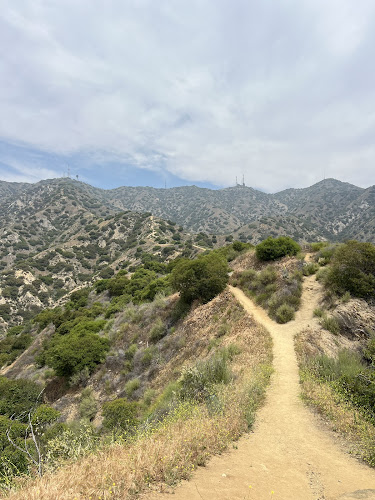
Wildwood Canyon Park
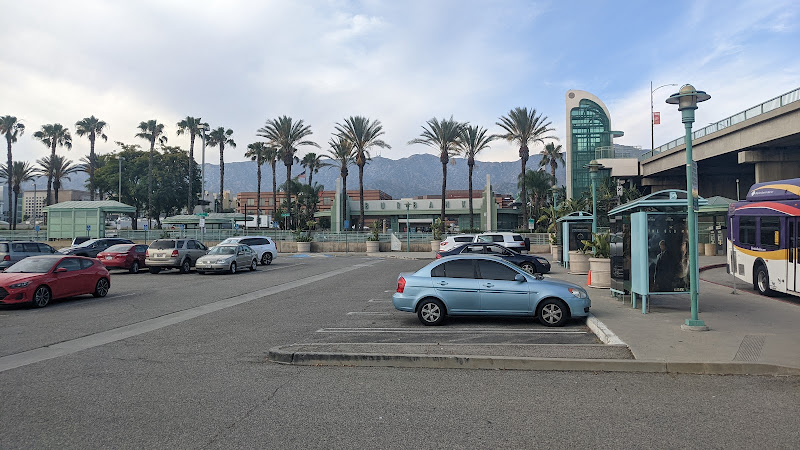
Burbank - Downtown
Find Accommodations Nearby
Recommended Tours & Activities
Visitor Reviews
There are no reviews yet. Be the first one to write one.
Share Your Experience
Have you visited Hyaena? Help other travelers by leaving a review.