Hundred Caves
About Hundred Caves
Description
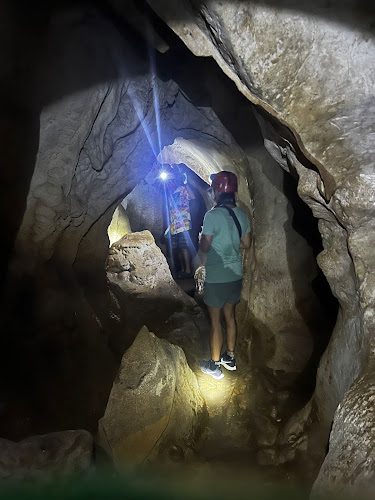
The Hundred Caves in Puerto Princesa is one of those places that feels like a secret whispered among travelers who’ve wandered a little off the beaten path. It’s not the typical tourist spot where you bump elbows with crowds. Instead, it’s quiet, raw, and oddly humbling. The caves stretch deep into the limestone hills, their chambers echoing with the faint drip of mineral-rich water that’s been shaping this underground world for thousands of years. The air is cool and damp, and when your flashlight sweeps across the walls, you’ll see veins of rock that shimmer faintly, almost like they’re alive.
I remember my first time stepping inside. My guide, a local who clearly knew every nook and cranny, told me to turn off my light for a moment. Total darkness. The kind that makes you feel like you’re floating in space. It’s the kind of experience that makes you realize just how small you are—and how much the planet still has to surprise us. The Hundred Caves isn’t just a sightseeing stop; it’s a reminder of nature’s patience and artistry.
What really stands out about this place is how untouched it feels. You won’t find fancy railings or paved walkways here. It’s all rugged terrain, slippery stones, and the occasional bat fluttering past your ear. It’s not for everyone—if you’re expecting a polished, easy stroll, you might be in for a surprise. But if you’re the kind of traveler who loves a bit of adventure and doesn’t mind getting your hands dirty, this spot will absolutely win you over.
Key Features
- Natural limestone formations: The caves are carved from ancient limestone, with stalactites and stalagmites that look almost sculpted by hand.
- Guided exploration: Local guides lead small groups through the caverns, sharing stories about geology, folklore, and the cave’s discovery.
- Wildlife encounters: Expect to spot bats, swallows, and tiny cave crabs if you’re lucky.
- Adventure element: Some sections require crawling or climbing, making it ideal for those who love a physical challenge.
- Eco-friendly experience: The tours emphasize conservation and respect for the cave ecosystem.
- Photographic opportunities: The interplay of light and shadow inside creates surreal photo moments—especially when sunlight filters through small openings.
What I love most is that the guides here aren’t just doing a job—they’re genuinely proud of the caves. They’ll tell you how locals helped protect the area from overdevelopment, keeping it as natural as possible. You can feel that pride in the way they talk about it. It’s not just a tourist attraction to them; it’s part of their home.
Best Time to Visit
The best time to visit the Hundred Caves is during the dry season, roughly from November to May. The trails leading up to the caves can get muddy and slippery during heavy rains, and trust me, it’s no fun trying to balance on wet limestone. I made that mistake once—ended up with muddy shoes and a bruised ego.
If you can, go early in the morning. The light hits the cave entrance in a way that makes the rocks glow slightly golden, and the temperature is cooler. Plus, you’ll likely have the place almost to yourself. Avoid weekends or holidays if you prefer a quieter experience.
And here’s a little insider tip: if you’re into photography, the light between 9 and 10 a.m. is perfect. It’s soft but bright enough to catch the textures of the cave walls without washing them out. Bring a flashlight or headlamp, though—the deeper chambers are pitch-black.
How to Get There
Reaching the Hundred Caves is part of the adventure. From Puerto Princesa City, it’s a scenic drive through rolling countryside and small villages. You’ll pass rice fields and coconut palms swaying lazily in the wind—classic Palawan scenery. The last stretch is a bit rough, with a dirt road that can get bumpy, so if you’re renting a vehicle, make sure it’s something sturdy.
Most travelers opt for a guided tour package that includes transportation, which honestly makes things easier. The guides know the area well and can navigate the tricky roads without a hitch. If you’re more of a DIY traveler, you can hire a tricycle or motorbike, but be ready for a bit of a workout on those uneven paths.
Once you reach the base area, there’s a short trek uphill to the cave entrance. It’s not too tough, but wear proper shoes—slippers are a bad idea unless you want to slide your way down later. The walk itself is lovely, surrounded by lush greenery and the occasional monkey call in the distance.
Tips for Visiting
Here’s where experience really helps. After a few visits (and a few mistakes), I’ve come up with some tips that’ll make your trip smoother and more enjoyable:
- Wear proper footwear: The cave floor can be slippery and uneven. Hiking shoes or sturdy sneakers are a must.
- Bring a flashlight or headlamp: Even though guides have lights, having your own lets you explore more freely.
- Pack light: You’ll be climbing and crouching, so keep your belongings minimal—camera, water, and maybe a small towel.
- Stay hydrated: It’s humid inside, and you’ll sweat more than you expect.
- Follow the guide’s instructions: The caves are fragile ecosystems. Touching formations can damage them permanently.
- Be mindful of wildlife: Bats and small creatures call this place home—avoid using flash photography directly on them.
- Bring extra clothes: You might get muddy or damp, especially if you explore the deeper sections.
One more thing—don’t rush. It’s tempting to power through the caves to “see everything,” but honestly, the magic is in the details. Take a moment to listen to the echoes, to notice how the air changes as you move deeper. There’s a strange peace down there, the kind that makes you forget about your phone and the noise of the world above.
And if you’re traveling with friends, it’s a great bonding experience. I still laugh thinking about the time my buddy tried to squeeze through a narrow passage and got stuck halfway. We had to backtrack and find another route, but it turned into one of those stories that gets retold every time we meet. That’s the thing about the Hundred Caves—it gives you stories, not just photos.
In the end, visiting the Hundred Caves isn’t just about exploring an underground marvel—it’s about connecting with the raw, unfiltered side of Palawan. It’s about stepping into the unknown, trusting your guide, and letting nature remind you what true wonder feels like. If you’re the kind of traveler who craves authenticity and a bit of adventure, this place will leave a mark on you long after you’ve left its shadowy halls.
Key Features
- Key Features
- Best Time to Visit
- How to Get There
- Tips for Visiting
More Details
Updated November 10, 2025
Table of Contents
Description
The Hundred Caves in Puerto Princesa is one of those places that feels like a secret whispered among travelers who’ve wandered a little off the beaten path. It’s not the typical tourist spot where you bump elbows with crowds. Instead, it’s quiet, raw, and oddly humbling. The caves stretch deep into the limestone hills, their chambers echoing with the faint drip of mineral-rich water that’s been shaping this underground world for thousands of years. The air is cool and damp, and when your flashlight sweeps across the walls, you’ll see veins of rock that shimmer faintly, almost like they’re alive.
I remember my first time stepping inside. My guide, a local who clearly knew every nook and cranny, told me to turn off my light for a moment. Total darkness. The kind that makes you feel like you’re floating in space. It’s the kind of experience that makes you realize just how small you are—and how much the planet still has to surprise us. The Hundred Caves isn’t just a sightseeing stop; it’s a reminder of nature’s patience and artistry.
What really stands out about this place is how untouched it feels. You won’t find fancy railings or paved walkways here. It’s all rugged terrain, slippery stones, and the occasional bat fluttering past your ear. It’s not for everyone—if you’re expecting a polished, easy stroll, you might be in for a surprise. But if you’re the kind of traveler who loves a bit of adventure and doesn’t mind getting your hands dirty, this spot will absolutely win you over.
Key Features
- Natural limestone formations: The caves are carved from ancient limestone, with stalactites and stalagmites that look almost sculpted by hand.
- Guided exploration: Local guides lead small groups through the caverns, sharing stories about geology, folklore, and the cave’s discovery.
- Wildlife encounters: Expect to spot bats, swallows, and tiny cave crabs if you’re lucky.
- Adventure element: Some sections require crawling or climbing, making it ideal for those who love a physical challenge.
- Eco-friendly experience: The tours emphasize conservation and respect for the cave ecosystem.
- Photographic opportunities: The interplay of light and shadow inside creates surreal photo moments—especially when sunlight filters through small openings.
What I love most is that the guides here aren’t just doing a job—they’re genuinely proud of the caves. They’ll tell you how locals helped protect the area from overdevelopment, keeping it as natural as possible. You can feel that pride in the way they talk about it. It’s not just a tourist attraction to them; it’s part of their home.
Best Time to Visit
The best time to visit the Hundred Caves is during the dry season, roughly from November to May. The trails leading up to the caves can get muddy and slippery during heavy rains, and trust me, it’s no fun trying to balance on wet limestone. I made that mistake once—ended up with muddy shoes and a bruised ego.
If you can, go early in the morning. The light hits the cave entrance in a way that makes the rocks glow slightly golden, and the temperature is cooler. Plus, you’ll likely have the place almost to yourself. Avoid weekends or holidays if you prefer a quieter experience.
And here’s a little insider tip: if you’re into photography, the light between 9 and 10 a.m. is perfect. It’s soft but bright enough to catch the textures of the cave walls without washing them out. Bring a flashlight or headlamp, though—the deeper chambers are pitch-black.
How to Get There
Reaching the Hundred Caves is part of the adventure. From Puerto Princesa City, it’s a scenic drive through rolling countryside and small villages. You’ll pass rice fields and coconut palms swaying lazily in the wind—classic Palawan scenery. The last stretch is a bit rough, with a dirt road that can get bumpy, so if you’re renting a vehicle, make sure it’s something sturdy.
Most travelers opt for a guided tour package that includes transportation, which honestly makes things easier. The guides know the area well and can navigate the tricky roads without a hitch. If you’re more of a DIY traveler, you can hire a tricycle or motorbike, but be ready for a bit of a workout on those uneven paths.
Once you reach the base area, there’s a short trek uphill to the cave entrance. It’s not too tough, but wear proper shoes—slippers are a bad idea unless you want to slide your way down later. The walk itself is lovely, surrounded by lush greenery and the occasional monkey call in the distance.
Tips for Visiting
Here’s where experience really helps. After a few visits (and a few mistakes), I’ve come up with some tips that’ll make your trip smoother and more enjoyable:
- Wear proper footwear: The cave floor can be slippery and uneven. Hiking shoes or sturdy sneakers are a must.
- Bring a flashlight or headlamp: Even though guides have lights, having your own lets you explore more freely.
- Pack light: You’ll be climbing and crouching, so keep your belongings minimal—camera, water, and maybe a small towel.
- Stay hydrated: It’s humid inside, and you’ll sweat more than you expect.
- Follow the guide’s instructions: The caves are fragile ecosystems. Touching formations can damage them permanently.
- Be mindful of wildlife: Bats and small creatures call this place home—avoid using flash photography directly on them.
- Bring extra clothes: You might get muddy or damp, especially if you explore the deeper sections.
One more thing—don’t rush. It’s tempting to power through the caves to “see everything,” but honestly, the magic is in the details. Take a moment to listen to the echoes, to notice how the air changes as you move deeper. There’s a strange peace down there, the kind that makes you forget about your phone and the noise of the world above.
And if you’re traveling with friends, it’s a great bonding experience. I still laugh thinking about the time my buddy tried to squeeze through a narrow passage and got stuck halfway. We had to backtrack and find another route, but it turned into one of those stories that gets retold every time we meet. That’s the thing about the Hundred Caves—it gives you stories, not just photos.
In the end, visiting the Hundred Caves isn’t just about exploring an underground marvel—it’s about connecting with the raw, unfiltered side of Palawan. It’s about stepping into the unknown, trusting your guide, and letting nature remind you what true wonder feels like. If you’re the kind of traveler who craves authenticity and a bit of adventure, this place will leave a mark on you long after you’ve left its shadowy halls.

Key Highlights
- Key Features
- Best Time to Visit
- How to Get There
- Tips for Visiting
Location
Places to Stay Near Hundred Caves
Find and Book a Tour
Explore More Travel Guides
No reviews found! Be the first to review!
Traveler Reviews for Hundred Caves
There are no reviews yet. Be the first one to write one.
Have you visited Hundred Caves? Help other travelers by sharing your review.
Find Accommodations Nearby
Recommended Tours & Activities
Visitor Reviews
There are no reviews yet. Be the first one to write one.
Share Your Experience
Have you visited Hundred Caves? Help other travelers by leaving a review.