
Hunan Kaiyuan Museum
About Hunan Kaiyuan Museum
Key Features
More Details
Updated April 15, 2024
## Hunan Kaiyuan Museum (湖南省开元博物馆), Changsha — What to See, What It’s For, and How to Visit Without Wasting Time
If you’re building a Changsha itinerary that goes beyond the “one big provincial museum + food street” formula, Hunan Kaiyuan Museum is worth considering because it’s not a state mega-museum. It’s a private museum (私立博物馆) with a collection focus that’s unusual for first-time visitors to Hunan: historic Chinese plaques (匾额), traditional silverware, and specialty collections tied to Chinese medicine and material culture.
It’s the kind of place where your experience depends on two things:
– whether you’re curious about objects-as-evidence (inscriptions, craftwork, social signaling), and
– whether you verify logistics before you go, because published location details aren’t perfectly consistent across sources.
—
## Quick facts you can plan around
### What it is
– Type: Private museum in Changsha
– Founded / established: 2010
– Founder / director listed: Huang Binrong (黄彬荣)
– Collection scale (commonly cited): “30,000+” objects is widely repeated, including in the museum’s Wikipedia entry. Treat this as a high-level claim rather than something you can verify room-by-room in a single visit.
### What the museum emphasizes
Multiple sources describe the museum as being organized around themed “halls” or sub-museums. The most consistently mentioned highlights are:
– Huaxia Famous Plaque Hall (华夏名匾馆) — historic inscribed plaques tied to officials, guilds, temples, and private households
– Chinese Traditional Silverware Hall (中国传统银器馆) — craft, forms, and use-cases across eras
– Additional themed areas often listed include traditional Chinese medicine “secret recipes,” agarwood, modern history, and the imperial examination (科举).
—
## The one thing to double-check: where it actually is
Your provided address is “17 Dongfeng Rd, Kaifu District, Changsha (410005)”. Trip.com also lists an address matching 17 Dongfeng Rd / Kaifu District.
However, the museum’s Wikipedia entry lists a different address in Yuelu District (岳麓区), Chetanghe Road 18 (车塘河路18号) with different coordinates.
And an official Hunan cultural relics bureau list (dated 2014, referencing an inventory “as of 2013-12-31”) lists yet another historical address line for “Hunan Kaiyuan Museum” associated with Yingpan East Road (营盘东路) in Changsha.
What you can safely do with this:
– Treat the museum as real and established, but verify the current entrance address the day you go using the museum’s official site and/or a fresh Chinese-language map search.
– If you’re planning tight logistics (limited time, paid driver, train connection), call ahead—Trip.com lists a phone number for inquiries.
This isn’t just pedantry. In Changsha, “wrong museum address” can easily turn into a 40–60 minute detour once you factor in traffic, station exits, and rebooking rides.
—
## Why plaques (匾额) matter more than they look
If you’ve never paid attention to plaques in China, they can seem like decorative calligraphy boards. In reality, plaques are social documents:
– They encode status (who conferred it, who received it, what title was used).
– They reflect political moments (a dynasty’s vocabulary, a reform period’s slogans, a patron’s ideology).
– They record networks—the same surnames, offices, or lineages appear across regions, especially in the late imperial period.
The museum’s plaque hall is described as spanning a long time range and including plaques attributed to notable historical figures in Chinese history writing. This is exactly where you should be skeptical: attribution in private collections can be complicated, and labels may lean “story-first.” But even without perfect provenance, plaques are still valuable for what they reveal about:
– the language of honor (virtue terms, political legitimacy),
– regional aesthetics (Hunan vs. coastal styles),
– and how households and institutions performed prestige.
How to “read” a plaque fast (a practical mini-method):
1. Identify the inscription content (what virtue/title is being praised).
2. Look for the giver (emperor/official/guild/family) and any date markers.
3. Note material + execution: carving depth, gilding, and backing style often signal period and budget.
4. Compare adjacent plaques: repeated phrasing can indicate mass commissioning vs. singular honor.
That approach works even if you don’t read every character fluently.
—
## The silverware hall: what to watch for
Traditional silver objects in China aren’t just jewelry—they’re linked to:
– gift economies (marriage sets, child protection amulets),
– table culture (wine vessels, serving ware),
– and portable wealth.
Sources describe this hall as containing thousands of pieces and a wide time range.
In practice, you’ll get the most out of the silverware section if you focus on:
– function categories (adornment vs. ritual vs. tableware),
– regional motifs (dragons/phoenixes, longevity symbols, auspicious animals),
– repair marks (evidence of long-term household use),
– and weight/structure (thin “display silver” vs. functional heavy-gauge pieces).
If you’re photographing: silver is glare-prone indoors. Use a slight angle and expose for highlights. (This is also accessibility-friendly—glare makes labels harder for everyone to read.)
—
## The themed sub-museums: what they signal about the collection
Trip.com and Ctrip describe multiple themed halls beyond plaques and silver, including:
– traditional Chinese medicine “secret recipes,”
– agarwood,
– modern history,
– imperial examination.
This matters because it hints at what private museums often are in China: collector-driven narratives. That can be a positive—eclectic objects you won’t see in standardized state displays—but it also means:
– interpretive framing may be uneven,
– some labels may assume prior context,
– and scholarly citation practices can vary.
A smart way to visit is to treat it as material culture reconnaissance: go in with 2–3 themes you care about (calligraphy/inscriptions, craftwork, late-imperial social history) and let the rest be a bonus.
—
## Planning your visit: what’s safe to assume, and what isn’t
### Time needed
A commonly suggested sightseeing time is around one hour.
That’s realistic if you:
– focus on one major hall + one secondary hall,
– don’t stop for deep label reading on everything.
### Tickets / entry
Trip.com lists free entry.
Still, in China it’s not unusual for “free” museums to have ID-based entry, timed sessions, or temporary closures, especially around holidays or special events. Always confirm on the day.
### Hours
Trip.com shows specific hours (and even “open tomorrow” messaging), but third-party hours are the most error-prone data on the internet.
Outdated-data flag: treat any opening hours you see on travel aggregators as tentative, and verify with the museum’s official channels before you travel.
—
## Getting there in a Changsha day plan
Because the address is disputed across sources, I won’t give you a single “best metro stop” as if it’s certain. What is reliable is how you should structure the day:
– Pair it with nearby, low-friction stops (a park, a food area, or another museum) only after you confirm the museum’s current location.
– If you’re also visiting the Hunan Museum (湖南博物院), note that it’s on Dongfeng Road in Kaifu District—this naming overlap is a common cause of navigation mistakes. Cultural and Tourism Department
—
## Two contextual internal link opportunities (safe, “if possible”)
I can’t verify your RealJourneyTravels.com URL structure from the data provided, so here are two editorially clean internal-link placements you can map to your existing slugs:
1. Changsha city guide / Changsha itinerary hub
– Anchor text idea: “Changsha travel guide: neighborhoods, food streets, and museum planning”
2. Hunan museums / China private museums explainer
– Anchor text idea: “How to visit museums in China: reservations, ID rules, and holiday closures”
(If you share your actual internal slugs, I can convert these into exact links without guessing.)
—
## Bottom line: who should go (and who can skip)
Go if you’re into:
– calligraphy as history,
– craft traditions like silverwork,
– collector-driven museums with eclectic “hall” layouts.
Skip if you want:
– a single, tightly curated narrative with heavy English interpretation,
– guaranteed logistics without double-checking location.
If you do go, your highest-ROI move is simple: verify the current address that morning (because sources disagree), then give yourself 60–90 minutes to explore plaques + silverware without rushing.
Table of Contents
Key Highlights
Hunan Kaiyuan Museum
Location
Places to Stay Near Hunan Kaiyuan Museum
Find and Book a Tour
Explore More Travel Guides
No reviews found! Be the first to review!
Traveler Reviews for Hunan Kaiyuan Museum
There are no reviews yet. Be the first one to write one.
Have you visited Hunan Kaiyuan Museum? Help other travelers by sharing your review.
You Might Also Like
Changsha Window of the World
橘子洲
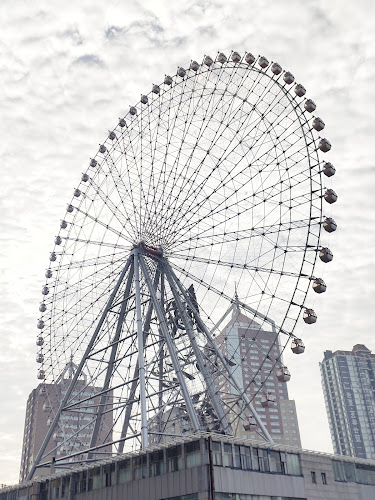
Changsha Ferris Wheel
Find Accommodations Nearby
Recommended Tours & Activities
Visitor Reviews
There are no reviews yet. Be the first one to write one.
Share Your Experience
Have you visited Hunan Kaiyuan Museum? Help other travelers by leaving a review.