
Humble Administrator Garden
About Humble Administrator Garden
History and Significance
If you’re wandering through Suzhou, a city famed for its exquisite classical gardens, the Humble Administrator's Garden (拙政园, Zhuōzhèng Yuán) is quite simply a must-see—and trust me, it’s not just another pretty park. This garden has more than five centuries of history tucked within its waterways, pavilions, and rockeries, making it an absolute jewel of Ming Dynasty landscape design.
The garden was initially built way back in 1509 by Wang Xianchen, a retired government official who had grown weary of the political hustle and was longing for a quiet life of contemplation and gardening. Legend has it that Wang sought to recreate the unpretentious ideal of a humble administrator’s life—planting trees, tending vegetables, and simply enjoying nature’s calm. The name itself embodies this spirit, inspired by a Jin Dynasty scholar’s poetic musing about a simple, carefree existence.
But this garden isn’t just a private retreat frozen in time. Across more than 500 years, it went through a series of changes, falling into the hands of various owners, splintering into sections, and being restored repeatedly before finally being reunited and made public in the mid-20th century. In 1997, the Humble Administrator's Garden earned its spot as a UNESCO World Heritage Site as part of the Classical Gardens of Suzhou, recognized globally for its breathtaking beauty and cultural significance.
What really makes the Humble Administrator's Garden stand out is how it perfectly encapsulates the traditional Chinese philosophy of harmony between humans and nature. It doesn’t just display plants or buildings—it weaves them into a poetic landscape of water, stone, wood, and greenery. The garden architecture is a dance of art and nature, inviting calm reflection and inspiration.
Main Attractions and Activities
Now, once you step in, what exactly are you getting yourself into?
First, the garden sprawls over about 5.6 hectares (around 13 acres), divided roughly into three main sections: the Eastern Garden, Central Garden, and Western Garden—each with its unique charm and theme.
-
The Eastern Garden features large ponds surrounded by beautiful crepe myrtle trees, hinting at the Tang Dynasty's poetic inspiration. This section’s open lawns and spacious water surfaces give you a sense of freedom and grandeur, a bit like stepping into a traditional Chinese painting.
-
The Central Garden is arguably the heart of the place, boasting a stunning “Surging Wave” Pond dotted with islands that recreate legendary isles from Chinese myth—Penglai and those fairy realms. You’ll wander along winding paths crossing intricate bridges, discovering pavilions, halls, and cleverly framed views that constantly surprise you with their elegance.
-
The Western Garden is smaller but no less exquisite, with a beautifully planned pond and rock formations, carefully balanced architecture, and intimate spaces that invite quiet contemplation.
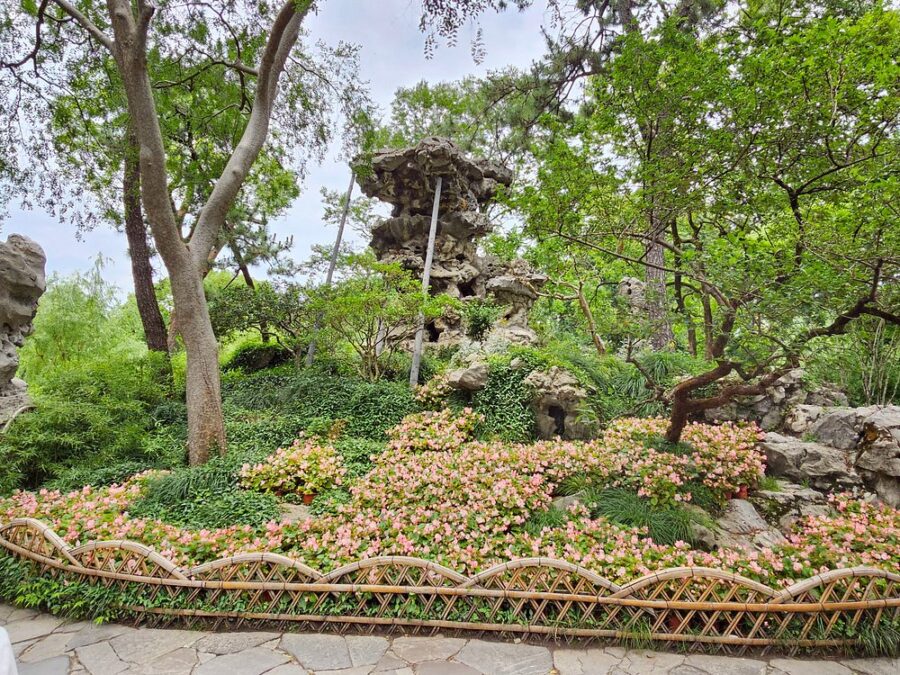
Throughout, you’ll find iconic elements that make Chinese gardens so alluring: arched bridges with poetic inscriptions, lotus ponds filled with blooming flowers in summer, clusters of bamboo providing dappled shade, and rockeries carved into miniature mountains. The hum of dragonflies, the fragrance of osmanthus flowers in autumn, and the reflections on still pools create a sensory feast.
For those who love photography or just daydreaming while winding through corridors and verandas, this place is your playground. Don’t miss the residential areas within the garden—typical Suzhou-style houses with whitewashed walls and black-tiled roofs, adding architectural depth to the experience.
Visitor Experience
Visiting the Humble Administrator Garden is like entering a time capsule of refined Chinese garden artistry. I remember my first walk through its winding paths—where every corner seemed designed to frame a perfect snapshot of nature and art in harmony. The sense of tranquility is profound, even when the garden is buzzing with visitors.
One particular thing I adored was how the garden manages to blend the natural with the man-made so seamlessly. You don’t feel like you’re visiting a constructed set, but more like strolling through a living painting that breathes gently around you.
Prepare for a little meandering—the paths are intentionally serpentine, guiding you through vistas that reveal themselves slowly, inviting curiosity and calm. Kids may find the streams and bridges fun, while adults will appreciate the poetic inscriptions and delicate stone sculptures.
But a heads up: while it’s visually stunning, the garden can get crowded, particularly during weekends and peak tourist seasons. Best to come early or on weekdays if you want a more private vibe.
The onsite staff and volunteers are generally friendly, offering brochures in English and often ready to share tidbits of history or gardening philosophy if you ask nicely.
Tips for Visitors
Alright, now that you’re sold on going, you’ll want a few practical tips to make your visit hassle-free and more enjoyable:
-
Timing: Early morning visits mean fresh air and fewer crowds. The garden opens around 7:30 or 8 AM—get there by opening time if possible.
-
Time needed: Allocate at least 2-3 hours to explore fully. Rushing through defeats its peaceful charm.
-
Wear comfortable shoes: You’ll be walking on paved stones and sometimes uneven surfaces.
-
Bring a camera: Seriously, even a phone camera will do—the light, reflections, flowers, and architecture are endlessly photogenic.
-
Seasons: Visit in spring for blooming lotus and lush green foliage, in autumn for fragrant osmanthus and colorful leaves.
-
Stay hydrated and bring sun protection: The garden has shade but also open areas, so a hat and water bottle help.
-
Mind the rules: Don’t pick flowers or climb rocks; respect the delicate design.
-
Combine your visit: The garden is near other Suzhou highlights like the Lingering Garden and Suzhou Museum.
-
Download a map or get a guide: This helps you navigate and understand the many architectural and horticultural features.
Accessibility and Facilities
The Humble Administrator Garden is mostly accessible to a wide range of visitors. Smooth stone pathways cover the main areas, but some sections have steps or narrow corridors that may be tricky for wheelchairs or strollers.
Facilities include clean restrooms near the entrance, a small gift shop selling traditional crafts and souvenirs, and refreshment stands offering tea and snacks.
Public transportation is convenient; buses and taxis can get you close, and there’s parking nearby for those driving.
Unique Features
What sets the Humble Administrator Garden apart, beyond it being the largest in Suzhou, is its intricate layering of landscape elements—water, stone, architecture, and plants—all intertwined to create a fluid experience. The garden showcases Southern Chinese garden aesthetics at their refined best, following classical theories of balance and symbolism.
Its three-part layout allows you to experience multiple moods within one site—from expansive, open waterways that invite reflection to cozy, intimate spots perfect for quiet reading or meditation.
Another unique aspect is the garden’s connection to literati culture. It was designed as a place for a scholar-official to retreat not just physically but intellectually and spiritually. The presence of carved poetry, paintings, and philosophical motifs makes it more than a garden—it’s a narrative, a storybook of a contemplative life.
Overall Impressions
Walking through the Humble Administrator Garden feels like stepping into a living poem. The place is peaceful, artful, and deeply rooted in Chinese culture and philosophy. It isn’t just about visual beauty; it’s about experiencing harmony—between nature and human artistry, movement and stillness, contemplation and expression.
For anyone who appreciates gardens, art, history, or just some serene escape, this garden stands as a crown jewel. It invites slow wandering, thoughtful silences, and a chance to reconnect with a timeless tradition of Chinese landscape design.
I walked away feeling refreshed and inspired, carrying memories of lotus blossoms mirrored on still waters and cool stone paths beneath ancient pavilions.
Pros and Cons
Pros:
-
The largest classical garden in Suzhou, offering extensive exploration
-
Beautiful integration of water, stone, architecture, and plants
-
Rich cultural and historical significance is tied to the Ming Dynasty scholar-official life
-
Well-maintained with clean facilities and helpful staff
-
A UNESCO World Heritage Site, recognized for its world-class design and preservation
Cons:
-
It can be crowded during peak tourist seasons and weekends
-
Some areas with steps or narrow paths may challenge visitors with limited mobility
-
Limited English signage, so a guidebook or guide is advisable for full appreciation
-
No large cafés on site—refreshment options are basic
Key Features
- History and Significance
- Main Attractions and Activities
- Visitor Experience
- Tips for Visitors
- Accessibility and Facilities
- Unique Features
More Details
Updated August 13, 2025
Table of Contents
- History and Significance
- Main Attractions and Activities
- Visitor Experience
- Tips for Visitors
- Accessibility and Facilities
- Unique Features
- Overall Impressions
- Pros and Cons
- Key Highlights
- Location
- Places to Stay Near Humble Administrator's Garden
- Find and Book a Tour
- Explore More Travel Guides
- Nearby Places You Might Like
- Traveler Reviews for Humble Administrator Garden
- Share Your Experience
History and Significance
If you’re wandering through Suzhou, a city famed for its exquisite classical gardens, the Humble Administrator’s Garden (拙政园, Zhuōzhèng Yuán) is quite simply a must-see—and trust me, it’s not just another pretty park. This garden has more than five centuries of history tucked within its waterways, pavilions, and rockeries, making it an absolute jewel of Ming Dynasty landscape design.
The garden was initially built way back in 1509 by Wang Xianchen, a retired government official who had grown weary of the political hustle and was longing for a quiet life of contemplation and gardening. Legend has it that Wang sought to recreate the unpretentious ideal of a humble administrator’s life—planting trees, tending vegetables, and simply enjoying nature’s calm. The name itself embodies this spirit, inspired by a Jin Dynasty scholar’s poetic musing about a simple, carefree existence.
But this garden isn’t just a private retreat frozen in time. Across more than 500 years, it went through a series of changes, falling into the hands of various owners, splintering into sections, and being restored repeatedly before finally being reunited and made public in the mid-20th century. In 1997, the Humble Administrator’s Garden earned its spot as a UNESCO World Heritage Site as part of the Classical Gardens of Suzhou, recognized globally for its breathtaking beauty and cultural significance.
What really makes the Humble Administrator’s Garden stand out is how it perfectly encapsulates the traditional Chinese philosophy of harmony between humans and nature. It doesn’t just display plants or buildings—it weaves them into a poetic landscape of water, stone, wood, and greenery. The garden architecture is a dance of art and nature, inviting calm reflection and inspiration.
Main Attractions and Activities
Now, once you step in, what exactly are you getting yourself into?
First, the garden sprawls over about 5.6 hectares (around 13 acres), divided roughly into three main sections: the Eastern Garden, Central Garden, and Western Garden—each with its unique charm and theme.
-
The Eastern Garden features large ponds surrounded by beautiful crepe myrtle trees, hinting at the Tang Dynasty’s poetic inspiration. This section’s open lawns and spacious water surfaces give you a sense of freedom and grandeur, a bit like stepping into a traditional Chinese painting.
-
The Central Garden is arguably the heart of the place, boasting a stunning “Surging Wave” Pond dotted with islands that recreate legendary isles from Chinese myth—Penglai and those fairy realms. You’ll wander along winding paths crossing intricate bridges, discovering pavilions, halls, and cleverly framed views that constantly surprise you with their elegance.
-
The Western Garden is smaller but no less exquisite, with a beautifully planned pond and rock formations, carefully balanced architecture, and intimate spaces that invite quiet contemplation.
Throughout, you’ll find iconic elements that make Chinese gardens so alluring: arched bridges with poetic inscriptions, lotus ponds filled with blooming flowers in summer, clusters of bamboo providing dappled shade, and rockeries carved into miniature mountains. The hum of dragonflies, the fragrance of osmanthus flowers in autumn, and the reflections on still pools create a sensory feast.
For those who love photography or just daydreaming while winding through corridors and verandas, this place is your playground. Don’t miss the residential areas within the garden—typical Suzhou-style houses with whitewashed walls and black-tiled roofs, adding architectural depth to the experience.
Visitor Experience
Visiting the Humble Administrator Garden is like entering a time capsule of refined Chinese garden artistry. I remember my first walk through its winding paths—where every corner seemed designed to frame a perfect snapshot of nature and art in harmony. The sense of tranquility is profound, even when the garden is buzzing with visitors.
One particular thing I adored was how the garden manages to blend the natural with the man-made so seamlessly. You don’t feel like you’re visiting a constructed set, but more like strolling through a living painting that breathes gently around you.
Prepare for a little meandering—the paths are intentionally serpentine, guiding you through vistas that reveal themselves slowly, inviting curiosity and calm. Kids may find the streams and bridges fun, while adults will appreciate the poetic inscriptions and delicate stone sculptures.
But a heads up: while it’s visually stunning, the garden can get crowded, particularly during weekends and peak tourist seasons. Best to come early or on weekdays if you want a more private vibe.
The onsite staff and volunteers are generally friendly, offering brochures in English and often ready to share tidbits of history or gardening philosophy if you ask nicely.
Tips for Visitors
Alright, now that you’re sold on going, you’ll want a few practical tips to make your visit hassle-free and more enjoyable:
-
Timing: Early morning visits mean fresh air and fewer crowds. The garden opens around 7:30 or 8 AM—get there by opening time if possible.
-
Time needed: Allocate at least 2-3 hours to explore fully. Rushing through defeats its peaceful charm.
-
Wear comfortable shoes: You’ll be walking on paved stones and sometimes uneven surfaces.
-
Bring a camera: Seriously, even a phone camera will do—the light, reflections, flowers, and architecture are endlessly photogenic.
-
Seasons: Visit in spring for blooming lotus and lush green foliage, in autumn for fragrant osmanthus and colorful leaves.
-
Stay hydrated and bring sun protection: The garden has shade but also open areas, so a hat and water bottle help.
-
Mind the rules: Don’t pick flowers or climb rocks; respect the delicate design.
-
Combine your visit: The garden is near other Suzhou highlights like the Lingering Garden and Suzhou Museum.
-
Download a map or get a guide: This helps you navigate and understand the many architectural and horticultural features.
Accessibility and Facilities
The Humble Administrator Garden is mostly accessible to a wide range of visitors. Smooth stone pathways cover the main areas, but some sections have steps or narrow corridors that may be tricky for wheelchairs or strollers.
Facilities include clean restrooms near the entrance, a small gift shop selling traditional crafts and souvenirs, and refreshment stands offering tea and snacks.
Public transportation is convenient; buses and taxis can get you close, and there’s parking nearby for those driving.
Unique Features
What sets the Humble Administrator Garden apart, beyond it being the largest in Suzhou, is its intricate layering of landscape elements—water, stone, architecture, and plants—all intertwined to create a fluid experience. The garden showcases Southern Chinese garden aesthetics at their refined best, following classical theories of balance and symbolism.
Its three-part layout allows you to experience multiple moods within one site—from expansive, open waterways that invite reflection to cozy, intimate spots perfect for quiet reading or meditation.
Another unique aspect is the garden’s connection to literati culture. It was designed as a place for a scholar-official to retreat not just physically but intellectually and spiritually. The presence of carved poetry, paintings, and philosophical motifs makes it more than a garden—it’s a narrative, a storybook of a contemplative life.
Overall Impressions
Walking through the Humble Administrator Garden feels like stepping into a living poem. The place is peaceful, artful, and deeply rooted in Chinese culture and philosophy. It isn’t just about visual beauty; it’s about experiencing harmony—between nature and human artistry, movement and stillness, contemplation and expression.
For anyone who appreciates gardens, art, history, or just some serene escape, this garden stands as a crown jewel. It invites slow wandering, thoughtful silences, and a chance to reconnect with a timeless tradition of Chinese landscape design.
I walked away feeling refreshed and inspired, carrying memories of lotus blossoms mirrored on still waters and cool stone paths beneath ancient pavilions.
Pros and Cons
Pros:
-
The largest classical garden in Suzhou, offering extensive exploration
-
Beautiful integration of water, stone, architecture, and plants
-
Rich cultural and historical significance is tied to the Ming Dynasty scholar-official life
-
Well-maintained with clean facilities and helpful staff
-
A UNESCO World Heritage Site, recognized for its world-class design and preservation
Cons:
-
It can be crowded during peak tourist seasons and weekends
-
Some areas with steps or narrow paths may challenge visitors with limited mobility
-
Limited English signage, so a guidebook or guide is advisable for full appreciation
-
No large cafés on site—refreshment options are basic
Key Highlights
- History and Significance
- Main Attractions and Activities
- Visitor Experience
- Tips for Visitors
- Accessibility and Facilities
- Unique Features
Location
Places to Stay Near Humble Administrator's Garden
Find and Book a Tour
Explore More Travel Guides
No reviews found! Be the first to review!
Traveler Reviews for Humble Administrator Garden
There are no reviews yet. Be the first one to write one.
Have you visited Humble Administrator Garden? Help other travelers by sharing your review.
You Might Also Like

Wenfeng Park
Canglang Pavilion
Youchangcun
Find Accommodations Nearby
Recommended Tours & Activities
Visitor Reviews
There are no reviews yet. Be the first one to write one.
Share Your Experience
Have you visited Humble Administrator Garden? Help other travelers by leaving a review.