
Huichang County
About Huichang County
Description
Huichang County sits in the southern stretch of Jiangxi Province, under the administration of Ganzhou, and it’s one of those places that doesn’t shout for attention. It kind of waits for you to notice it. And if you’re the type of traveler who likes peeling back layers instead of ticking boxes, Huichang might surprise you more than you expect.
The county has a long history tied to agriculture, old trade routes, and revolutionary-era stories, but day to day life here still feels grounded. People wake early. Markets get busy before noon. By late afternoon, things slow down again. I remember once sitting near a small riverbank here, watching an older man mend a fishing net while his grandson played with a stick like it was a sword. That sort of scene sticks with you. It’s not staged. It’s just… life.
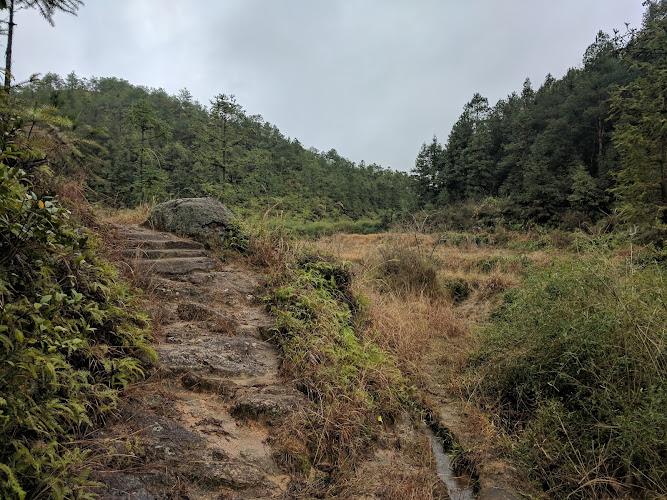
Geographically, Huichang is defined by low mountains, rolling hills, and river systems that feed into the Gan River basin. The landscape is green most of the year, especially after the spring rains. There’s a quiet beauty to it, not postcard-perfect but honest. You won’t find mega-skyscrapers or flashy attractions, but you will find old streets where the buildings lean a bit from age, and rural villages where traditions still matter.
Food here deserves its own paragraph. Huichang cuisine follows the broader Jiangxi flavor profile: savory, sometimes spicy, often bold. Rice is central, obviously. Locally grown vegetables, river fish, and preserved foods show up on most tables. I still think about a simple bowl of rice noodles I had at a roadside stall — nothing fancy, but the broth had depth, like someone’s grandmother had been perfecting it for decades. Probably she had.
For travelers who are tired of overly curated destinations, Huichang County offers something refreshingly real. It’s not trying to be trendy. And honestly, that’s part of the charm.
Key Features
- Authentic county-town atmosphere with daily life unfolding at a natural pace, not around tourist schedules.
- Mountain and river landscapes that feel accessible, not overwhelming, ideal for slow walks and casual exploration.
- Deep historical roots connected to southern Jiangxi’s revolutionary past and older trade traditions.
- Local Jiangxi cuisine that leans hearty and flavorful, often cooked with ingredients sourced just miles away.
- Traditional markets where bargaining still happens and vendors recognize regular faces.
- Rural villages nearby offering insight into agricultural life and long-held customs.
- Less tourist pressure, meaning fewer crowds and more genuine interactions.
Best Time to Visit
If you ask me, late autumn is the sweet spot for visiting Huichang County. From October to early December, the weather is cooler but not cold, and the humidity backs off a bit. Skies tend to be clearer, which makes the surrounding hills look sharper, almost layered.
Spring, especially March and April, is beautiful too, but it comes with rain. Lots of it. The upside? Everything turns lush green, rice paddies fill with water, and the air smells fresh in that earthy way. The downside is slippery paths and the occasional plan getting washed out. I once got stuck waiting out a downpour in a small teahouse, though, and that turned into an unexpected afternoon of chatting with locals. So, you know, trade-offs.
Summer can be hot and sticky. Not unbearable, but you’ll feel it. If you go during this season, plan activities early in the morning or later in the evening. Winter is relatively mild compared to northern China, but it can feel damp and chilly, especially indoors where heating isn’t always strong.
Local festivals tied to the lunar calendar can add an extra layer to your visit. Even small celebrations bring out food stalls, music, and a sense of community. Just don’t expect everything to be explained to you. Observing quietly is part of the experience.
How to Get There
Reaching Huichang County takes a bit of planning, but that’s half the adventure. Most travelers arrive via Ganzhou, which is the nearest major city with broader transport connections. From Ganzhou, buses run regularly to Huichang, and the ride gives you a gradual transition from urban sprawl to countryside views.
If you’re traveling by train, Ganzhou’s rail stations connect to several major cities in southern and eastern China. From there, it’s a straightforward transfer. The buses are practical, not luxurious, but they get the job done. And you’ll probably end up sitting next to someone carrying boxes of fruit or live poultry. It’s all part of the local flavor.
Driving is another option if you’re comfortable navigating Chinese roads. Highways link Huichang with neighboring counties, and signage is improving year by year. Having a car gives you flexibility to explore villages and scenic spots outside the main town area. Just be prepared for narrow rural roads and the occasional tractor slowing things down.
Once you’re in Huichang, getting around is simple. Taxis are affordable, and walking covers more ground than you’d expect. The town isn’t huge, and sometimes wandering without a plan leads to the best discoveries.
Tips for Visiting
First, manage expectations. Huichang County isn’t a polished tourist hub, and that’s exactly why some people love it and others don’t quite get it. If you come looking for luxury resorts or constant entertainment, you might feel underwhelmed. But if you’re curious about everyday China, you’re in the right place.
Learn a few basic Mandarin phrases, or at least have them saved on your phone. English isn’t widely spoken, especially among older residents. That said, people are patient and often amused by attempts to communicate. A smile goes a long way here.
Food-wise, don’t be shy. Point at dishes, ask what others are eating, and try local specialties even if you’re not sure what’s in them. Worst case, you discover something you don’t love. Best case, you find a new favorite. I still regret not asking for the recipe of a pickled vegetable dish I had once. Rookie mistake.
Cash is still useful in Huichang, especially in smaller shops and rural areas. Mobile payments are common, but not universal. It’s better to be prepared than awkwardly apologetic at a market stall.
Respect local rhythms. Shops may close midday. People take their time. Pushing for efficiency can feel out of place. Slow down, match the pace, and you’ll enjoy yourself more.
Finally, give yourself permission to just be. Sit by a river. Watch people play cards in the evening. Wander without a destination. Huichang County rewards travelers who aren’t in a rush. And honestly, in a world that’s always yelling for attention, that quiet reward feels pretty special.
Key Features
- Key Features
- Best Time to Visit
- How to Get There
- Tips for Visiting
More Details
Updated December 31, 2025
Table of Contents
Description
Huichang County sits in the southern stretch of Jiangxi Province, under the administration of Ganzhou, and it’s one of those places that doesn’t shout for attention. It kind of waits for you to notice it. And if you’re the type of traveler who likes peeling back layers instead of ticking boxes, Huichang might surprise you more than you expect.
The county has a long history tied to agriculture, old trade routes, and revolutionary-era stories, but day to day life here still feels grounded. People wake early. Markets get busy before noon. By late afternoon, things slow down again. I remember once sitting near a small riverbank here, watching an older man mend a fishing net while his grandson played with a stick like it was a sword. That sort of scene sticks with you. It’s not staged. It’s just… life.
Geographically, Huichang is defined by low mountains, rolling hills, and river systems that feed into the Gan River basin. The landscape is green most of the year, especially after the spring rains. There’s a quiet beauty to it, not postcard-perfect but honest. You won’t find mega-skyscrapers or flashy attractions, but you will find old streets where the buildings lean a bit from age, and rural villages where traditions still matter.
Food here deserves its own paragraph. Huichang cuisine follows the broader Jiangxi flavor profile: savory, sometimes spicy, often bold. Rice is central, obviously. Locally grown vegetables, river fish, and preserved foods show up on most tables. I still think about a simple bowl of rice noodles I had at a roadside stall — nothing fancy, but the broth had depth, like someone’s grandmother had been perfecting it for decades. Probably she had.
For travelers who are tired of overly curated destinations, Huichang County offers something refreshingly real. It’s not trying to be trendy. And honestly, that’s part of the charm.
Key Features
- Authentic county-town atmosphere with daily life unfolding at a natural pace, not around tourist schedules.
- Mountain and river landscapes that feel accessible, not overwhelming, ideal for slow walks and casual exploration.
- Deep historical roots connected to southern Jiangxi’s revolutionary past and older trade traditions.
- Local Jiangxi cuisine that leans hearty and flavorful, often cooked with ingredients sourced just miles away.
- Traditional markets where bargaining still happens and vendors recognize regular faces.
- Rural villages nearby offering insight into agricultural life and long-held customs.
- Less tourist pressure, meaning fewer crowds and more genuine interactions.
Best Time to Visit
If you ask me, late autumn is the sweet spot for visiting Huichang County. From October to early December, the weather is cooler but not cold, and the humidity backs off a bit. Skies tend to be clearer, which makes the surrounding hills look sharper, almost layered.
Spring, especially March and April, is beautiful too, but it comes with rain. Lots of it. The upside? Everything turns lush green, rice paddies fill with water, and the air smells fresh in that earthy way. The downside is slippery paths and the occasional plan getting washed out. I once got stuck waiting out a downpour in a small teahouse, though, and that turned into an unexpected afternoon of chatting with locals. So, you know, trade-offs.
Summer can be hot and sticky. Not unbearable, but you’ll feel it. If you go during this season, plan activities early in the morning or later in the evening. Winter is relatively mild compared to northern China, but it can feel damp and chilly, especially indoors where heating isn’t always strong.
Local festivals tied to the lunar calendar can add an extra layer to your visit. Even small celebrations bring out food stalls, music, and a sense of community. Just don’t expect everything to be explained to you. Observing quietly is part of the experience.
How to Get There
Reaching Huichang County takes a bit of planning, but that’s half the adventure. Most travelers arrive via Ganzhou, which is the nearest major city with broader transport connections. From Ganzhou, buses run regularly to Huichang, and the ride gives you a gradual transition from urban sprawl to countryside views.
If you’re traveling by train, Ganzhou’s rail stations connect to several major cities in southern and eastern China. From there, it’s a straightforward transfer. The buses are practical, not luxurious, but they get the job done. And you’ll probably end up sitting next to someone carrying boxes of fruit or live poultry. It’s all part of the local flavor.
Driving is another option if you’re comfortable navigating Chinese roads. Highways link Huichang with neighboring counties, and signage is improving year by year. Having a car gives you flexibility to explore villages and scenic spots outside the main town area. Just be prepared for narrow rural roads and the occasional tractor slowing things down.
Once you’re in Huichang, getting around is simple. Taxis are affordable, and walking covers more ground than you’d expect. The town isn’t huge, and sometimes wandering without a plan leads to the best discoveries.
Tips for Visiting
First, manage expectations. Huichang County isn’t a polished tourist hub, and that’s exactly why some people love it and others don’t quite get it. If you come looking for luxury resorts or constant entertainment, you might feel underwhelmed. But if you’re curious about everyday China, you’re in the right place.
Learn a few basic Mandarin phrases, or at least have them saved on your phone. English isn’t widely spoken, especially among older residents. That said, people are patient and often amused by attempts to communicate. A smile goes a long way here.
Food-wise, don’t be shy. Point at dishes, ask what others are eating, and try local specialties even if you’re not sure what’s in them. Worst case, you discover something you don’t love. Best case, you find a new favorite. I still regret not asking for the recipe of a pickled vegetable dish I had once. Rookie mistake.
Cash is still useful in Huichang, especially in smaller shops and rural areas. Mobile payments are common, but not universal. It’s better to be prepared than awkwardly apologetic at a market stall.
Respect local rhythms. Shops may close midday. People take their time. Pushing for efficiency can feel out of place. Slow down, match the pace, and you’ll enjoy yourself more.
Finally, give yourself permission to just be. Sit by a river. Watch people play cards in the evening. Wander without a destination. Huichang County rewards travelers who aren’t in a rush. And honestly, in a world that’s always yelling for attention, that quiet reward feels pretty special.
Key Highlights
- Key Features
- Best Time to Visit
- How to Get There
- Tips for Visiting
Location
Places to Stay Near Huichang County
Find and Book a Tour
Explore More Travel Guides
No reviews found! Be the first to review!
Traveler Reviews for Huichang County
There are no reviews yet. Be the first one to write one.
Have you visited Huichang County? Help other travelers by sharing your review.
Find Accommodations Nearby
Recommended Tours & Activities
Visitor Reviews
There are no reviews yet. Be the first one to write one.
Share Your Experience
Have you visited Huichang County? Help other travelers by leaving a review.