About Huambo

Description

Huambo is a highland city in Angola that rewards curious travelers with cool air, a grounded pace, and a deep sense of place. Formerly known as Nova Lisboa during the Portuguese era, it’s now the third-most populous city in Angola, with about 595,000 residents in the urban area and approximately 713,000 in the wider municipality. Sitting around 1,700 meters in altitude on the Central Plateau, the city enjoys a temperate climate that surprises many who associate Angola only with steamy coasts. The difference is immediate the moment someone steps off the plane: mornings crisp, afternoons warm but not sweltering, and evenings that invite a light jacket and a slow walk under tall eucalyptus.

Huambo is part of the Central Highlands of Angola, historically one of the country’s agricultural engines. The plateau around Huambo grows maize, beans, potatoes, and vegetables that feed markets across the region. Travelers will hear Umbundu in the streets alongside Portuguese, and the name Huambo itself traces back to Wambu, one of the Ovimbundu kingdoms that shaped the cultural identity of this area. That layered heritage still pulses through local music, family-run eateries, and the markets where basketry, woven mats, and produce stalls line up in tidy rows.

There’s a calm confidence about the city. This is a place that has rebuilt steadily from the difficult years after independence in 1975 and during the 1975–2002 civil war. Huambo’s role was pivotal: it sat on the Benguela Railway (Caminho de Ferro de Benguela, or CFB), the iron spine that once hauled copper and goods between the Atlantic port of Lobito and the interior toward the Democratic Republic of the Congo. Today the railway corridor runs again, symbolizing both connection and renewal. Visitors who care about living history can still find the old station architecture and traces of early 20th-century city planning, when Nova Lisboa was ambitiously laid out with wide boulevards and roundabouts. Some of those rotundas still anchor neighborhoods, ringed by leafy trees and cafés.

What surprises most travelers? The climate and the sense of scale. Huambo feels like a proper city in Angola—compact enough to navigate the center on foot, but broad enough that day trips reach into truly rural areas within an hour by car. The Central Plateau’s rolling hills become a soft backdrop to daily life. When people ask what to do in Huambo, the answer isn’t only museums and monuments—though there are monuments and murals that commemorate resistance, independence, and notable figures of modern Angola. It’s also the everyday: watching a pickup football match on a dusty field at sunset; sipping strong coffee in a pastelaria while the morning cool lingers; browsing a market where giggling kids try to sell baskets and peanuts with full sales-pitch gusto.

For nature lovers, Huambo Province is a gateway to one of Angola’s great highland highlights: Mount Moco (Morro do Môco), the country’s highest peak at roughly 2,620 meters. It’s a scenic day trip from the city, prized by hikers and birders for the remnant Afromontane forests and the chance—rare but real—to spot species like Swierstra’s francolin. The route out introduces travelers to small villages, terraced fields, and forest patches that feel far older than the road. In recent years, demining work across Huambo Province has made rural travel far safer than it once was, though, as always, travelers should stay on known trails and heed local guidance.

For those who like a city with a story, Huambo’s is compelling. Founded in 1912 by Portuguese settlers who saw its altitude as a boon, the city was an administrative and rail hub, even floated as an alternative capital to Luanda. Independence brought change, and the war years left scars. But a combination of reconstruction efforts, the reopening of the Benguela Railway, and the steady growth of universities and technical institutes have given the city a new center of gravity. The Universidade José Eduardo dos Santos and vocational schools anchor a student population that keeps cafés and informal eateries busy into the evening.

Dining skews hearty and highland: moamba de galinha (chicken in palm-nut sauce), grilled meats from churrasqueiras, and stews with beans and seasonal greens. Many travelers find a new favorite in funge (made from cassava or corn) paired with savory sauces. In the mornings, bakeries bake Portuguese-style rolls and sweet pastries, and there’s good coffee—no surprise in a region with a long agricultural memory of coffee and produce. Cold local beers like Cuca or N’gola are easy to find, and weekend braais tend to spill out onto terraces where laughter carries down the block.

When it comes to parks and public spaces, Huambo leans more toward intimate gardens, tree-lined avenues, and well-kept plazas than grand parks. Still, visitors will appreciate the central gardens, the cultural squares, and the memorial spaces where people gather in the late afternoon. It’s a city that rewards walking, pausing, and noticing: kids in school uniforms darting past a mural, vendors with baskets of oranges, a steady hum of Umbundu and Portuguese that give the streets an easy rhythm.

Does Angola feel expensive? Often yes, especially for accommodation and imported goods. That’s part of the reality of traveling in an oil-producing country where costs can run high. Huambo balances that with affordable markets and local eateries once travelers step away from glossy hotel menus. And unlike the coastal humidity of Luanda or Benguela, the highland climate makes long city walks more pleasant, especially from May through September.

That, in short, is Huambo: a highland city in Angola with altitude-cooled days, strong coffee, and routes that lead into countryside where birdsong and farm plots define the view. It’s not showy. It doesn’t need to be. For travelers who like places that feel lived-in and quietly proud, Huambo is one of the most rewarding stops in Central Angola.

Key Features

  • High-altitude climate: At roughly 1,700 m, Huambo’s days are mild and nights refreshingly cool compared with coastal Angola.
  • Central Highlands setting: The city sits on the Central Plateau, surrounded by agricultural landscapes and rolling hills.
  • Benguela Railway heritage: A historic stop on the CFB line linking Lobito on the coast to the interior and the border with the DRC.
  • Mount Moco access: Day trips to Angola’s highest peak for hiking and birding in remnant Afromontane forests.
  • Ovimbundu culture: Umbundu language, crafts, music, and traditions are everywhere, especially in markets and villages around Huambo.
  • Post-war renewal: Noticeable reconstruction, improved roads, and demining across Huambo Province support safer exploration.
  • Local cuisine: Funge, moamba de galinha, grilled meats, and Portuguese-influenced bakeries offer hearty and flavorful fare.
  • Walkable center: European-era urban planning, leafy streets, and small gardens make the core easy to explore on foot.
  • University town energy: Campuses bring youthful momentum, new cafés, and cultural events to the city of Huambo.
  • Strategic location: Good base for trips to Bailundo, Caála, Londuimbali, and rural areas rich in highland scenery.

Best Time to Visit

Huambo has two broad seasons: a rainy stretch from roughly October to April and a dry, cooler period from May through September. Thanks to altitude, temperatures typically sit in the 18–24°C range during the day, with nights falling into the low teens. Even in the rainy season, mornings often start clear before afternoon showers roll in.

For most travelers, the sweet spot is the dry season (May–September). Roads outside the city are easier to drive, hiking is better, and city walks are pleasant. Birders aiming for Mount Moco (and other highland habitats) often prefer the latter half of the dry season for more stable conditions. Photography gets great light in June and July, with pale blue skies and long, clean horizons.

Budget-seekers sometimes look to the shoulder months—April or early October—when accommodation can be easier to negotiate. But note that heavy rains can make rural tracks muddy and slow. If the goal is hiking or multi-day overlanding around Huambo Province, choose the drier window. If the trip is mostly cultural—markets, eateries, city strolling—year-round is fine, with a light rain jacket in the wet months.

How to Get There

By air: Huambo’s Albano Machado Airport handles domestic flights, with services most commonly to and from Luanda. Schedules can change; travelers should confirm flight times and consider some buffer for connections. The short hop from the capital city to Huambo is often the most time-efficient route for those on tighter itineraries.

By rail: The Benguela Railway (CFB) is again operational along the corridor between the coast and the interior. Rail travel is not just a ride; it’s an echo of the city’s founding purpose. While services and classes vary, the line offers a different lens on Central Angola, with station towns that make for engaging photography and slice-of-life stops.

By road: From Luanda and Benguela/Lobito, main highways connect to Huambo. Road conditions continue to improve, but potholes, occasional roadworks, and heavy trucks are part of the story. Daytime driving is strongly recommended. For those going farther afield—Bailundo, Londuimbali, or trailheads toward Mount Moco—4x4 vehicles are useful in the rainy months and a comfort even in the dry season.

Getting around: In the city of Huambo, travelers can get around by a mix of walking, local taxis, and arranged drivers through hotels or guesthouses. The blue-and-white shared taxis (candongueiros) run common routes and are inexpensive, though visitors usually find hired cars simpler for multi-stop days. Cycling is becoming more common, especially on early weekend mornings when traffic is thinner, but always ride defensively.

Tips for Visiting

Practical, candid, and learned the friendly way—these tips help make a Huambo trip smooth and rewarding.

  • Stay central for ease: Accommodations near the main avenues or close to the city’s gardens make it easy to walk to bakeries, restaurants, and markets. Book ahead during national holidays when domestic travel spikes.
  • Respect the altitude: At roughly 1,700 m, the sun still bites. Wear sunscreen and a hat by day. Evenings cool quickly—pack a light layer.
  • Language opens doors: Portuguese is the key, though many residents speak Umbundu at home. Even basic greetings in Portuguese earn smiles and better prices at the market.
  • Cash and costs: Angola uses the kwanza (AOA). Cards are more accepted than they used to be but plan for mixed payments. Angola can be pricey; seek out local eateries for value and generous portions.
  • Eat what the highlands do best: Try moamba de galinha, goat or chicken from charcoal grills, and stews thick with beans and greens. Morning coffee with a still-warm roll is a small daily pleasure you shouldn’t skip.
  • Go for day trips: Short drives from Huambo reach Bailundo (noted for Ovimbundu heritage), Caála’s railway history, and rural landscapes where village life and terraced fields create endlessly photogenic scenes. For outdoorsy types, plan a full-day adventure to Mount Moco.
  • Birders, bring binoculars: The Central Highlands are a hotspot. In addition to Mount Moco’s specialties, you’ll find rich birdlife in thickets and wetlands around Huambo. Dry-season mornings are ideal.
  • Stick to known paths: Huambo Province has seen extensive demining, but this is not the place for off-trail bravado in remote areas. Hire local guides for rural hikes and ask about current conditions.
  • Transport rhythm: Buses and trains exist, but domestic flights plus a hired car day or two are often the most efficient combo. Keep a flexible buffer in case of weather, rail schedules, or road delays.
  • Connectivity: Local SIMs from major networks offer dependable 4G in the city. Coverage drops in rural pockets; download offline maps before heading out.
  • Health basics: Yellow fever vaccination is required for Angola. Malaria risk is present, though highland altitude can lower transmission—still, travelers should use repellent and consider prophylaxis per medical advice. Drink bottled or treated water.
  • Photography etiquette: Always ask before taking portraits, especially in markets. Many people will say yes, particularly if you chat and buy something first. Drone usage requires permits; check local rules.
  • Safety sense: Standard city smarts apply—avoid flashy displays, use registered taxis or known drivers at night, and keep an eye on belongings in crowded spots. Huambo’s center feels relaxed, especially by day.
  • Learn the backstory: The change from Nova Lisboa to Huambo after independence in 1975 wasn’t just a renaming; it was a restoration of identity. Understanding the Ovimbundu roots and the Wambu kingdom adds meaningful context to what you’ll hear and see.
  • Time your market run: Morning markets are best for produce and baked goods. Late afternoons are social—parents, kids, and sports fill plazas and fields. It’s a great time to wander and soak up daily life.
  • University pulse: Ask around about talks, exhibitions, or student performances. The university community often hosts events that welcome visitors and spotlight local talent.
  • One great walking loop: Start in the central gardens, pass key monuments and murals, poke into a pastelaria for coffee and a bolo, then drift toward a churrascaria for a late lunch. It’s an easy half-day that hits Huambo’s highlights without rushing.

A final word for planners: When comparing Huambo and Luanda, the contrast is clear. Luanda bursts with big-city energy and coastal scenes; Huambo offers altitude, the Central Highlands, and a day-to-day rhythm many travelers end up loving. This is a city in Angola where the best memories tend to be simple: a cool morning, the smell of bread, the echo of Umbundu across a market, and a long horizon of rolling hills that promise quiet adventures just beyond the last streetlight.
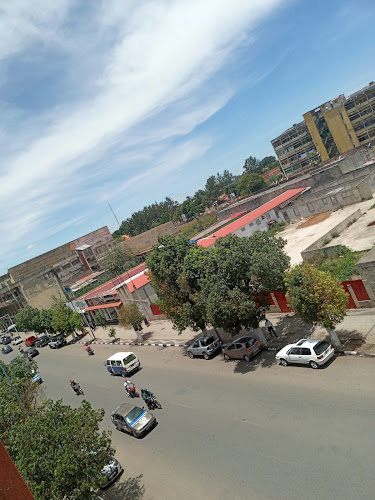

Key Features

  • High-altitude climate: At roughly 1,700 m, Huambo’s days are mild and nights refreshingly cool compared with coastal Angola.
  • Central Highlands setting: The city sits on the Central Plateau, surrounded by agricultural landscapes and rolling hills.
  • Benguela Railway heritage: A historic stop on the CFB line linking Lobito on the coast to the interior and the border with the DRC.
  • Mount Moco access: Day trips to Angola’s highest peak for hiking and birding in remnant Afromontane forests.
  • Ovimbundu culture: Umbundu language, crafts, music, and traditions are everywhere, especially in markets and villages around Huambo.
  • Post-war renewal: Noticeable reconstruction, improved roads, and demining across Huambo Province support safer exploration.
  • Local cuisine: Funge, moamba de galinha, grilled meats, and Portuguese-influenced bakeries offer hearty and flavorful fare.
  • Walkable center: European-era urban planning, leafy streets, and small gardens make the core easy to explore on foot.

More Details

Updated November 1, 2025

Description

Huambo is a highland city in Angola that rewards curious travelers with cool air, a grounded pace, and a deep sense of place. Formerly known as Nova Lisboa during the Portuguese era, it’s now the third-most populous city in Angola, with about 595,000 residents in the urban area and approximately 713,000 in the wider municipality. Sitting around 1,700 meters in altitude on the Central Plateau, the city enjoys a temperate climate that surprises many who associate Angola only with steamy coasts. The difference is immediate the moment someone steps off the plane: mornings crisp, afternoons warm but not sweltering, and evenings that invite a light jacket and a slow walk under tall eucalyptus.

Huambo is part of the Central Highlands of Angola, historically one of the country’s agricultural engines. The plateau around Huambo grows maize, beans, potatoes, and vegetables that feed markets across the region. Travelers will hear Umbundu in the streets alongside Portuguese, and the name Huambo itself traces back to Wambu, one of the Ovimbundu kingdoms that shaped the cultural identity of this area. That layered heritage still pulses through local music, family-run eateries, and the markets where basketry, woven mats, and produce stalls line up in tidy rows.

There’s a calm confidence about the city. This is a place that has rebuilt steadily from the difficult years after independence in 1975 and during the 1975–2002 civil war. Huambo’s role was pivotal: it sat on the Benguela Railway (Caminho de Ferro de Benguela, or CFB), the iron spine that once hauled copper and goods between the Atlantic port of Lobito and the interior toward the Democratic Republic of the Congo. Today the railway corridor runs again, symbolizing both connection and renewal. Visitors who care about living history can still find the old station architecture and traces of early 20th-century city planning, when Nova Lisboa was ambitiously laid out with wide boulevards and roundabouts. Some of those rotundas still anchor neighborhoods, ringed by leafy trees and cafés.

What surprises most travelers? The climate and the sense of scale. Huambo feels like a proper city in Angola—compact enough to navigate the center on foot, but broad enough that day trips reach into truly rural areas within an hour by car. The Central Plateau’s rolling hills become a soft backdrop to daily life. When people ask what to do in Huambo, the answer isn’t only museums and monuments—though there are monuments and murals that commemorate resistance, independence, and notable figures of modern Angola. It’s also the everyday: watching a pickup football match on a dusty field at sunset; sipping strong coffee in a pastelaria while the morning cool lingers; browsing a market where giggling kids try to sell baskets and peanuts with full sales-pitch gusto.

For nature lovers, Huambo Province is a gateway to one of Angola’s great highland highlights: Mount Moco (Morro do Môco), the country’s highest peak at roughly 2,620 meters. It’s a scenic day trip from the city, prized by hikers and birders for the remnant Afromontane forests and the chance—rare but real—to spot species like Swierstra’s francolin. The route out introduces travelers to small villages, terraced fields, and forest patches that feel far older than the road. In recent years, demining work across Huambo Province has made rural travel far safer than it once was, though, as always, travelers should stay on known trails and heed local guidance.

For those who like a city with a story, Huambo’s is compelling. Founded in 1912 by Portuguese settlers who saw its altitude as a boon, the city was an administrative and rail hub, even floated as an alternative capital to Luanda. Independence brought change, and the war years left scars. But a combination of reconstruction efforts, the reopening of the Benguela Railway, and the steady growth of universities and technical institutes have given the city a new center of gravity. The Universidade José Eduardo dos Santos and vocational schools anchor a student population that keeps cafés and informal eateries busy into the evening.

Dining skews hearty and highland: moamba de galinha (chicken in palm-nut sauce), grilled meats from churrasqueiras, and stews with beans and seasonal greens. Many travelers find a new favorite in funge (made from cassava or corn) paired with savory sauces. In the mornings, bakeries bake Portuguese-style rolls and sweet pastries, and there’s good coffee—no surprise in a region with a long agricultural memory of coffee and produce. Cold local beers like Cuca or N’gola are easy to find, and weekend braais tend to spill out onto terraces where laughter carries down the block.

When it comes to parks and public spaces, Huambo leans more toward intimate gardens, tree-lined avenues, and well-kept plazas than grand parks. Still, visitors will appreciate the central gardens, the cultural squares, and the memorial spaces where people gather in the late afternoon. It’s a city that rewards walking, pausing, and noticing: kids in school uniforms darting past a mural, vendors with baskets of oranges, a steady hum of Umbundu and Portuguese that give the streets an easy rhythm.

Does Angola feel expensive? Often yes, especially for accommodation and imported goods. That’s part of the reality of traveling in an oil-producing country where costs can run high. Huambo balances that with affordable markets and local eateries once travelers step away from glossy hotel menus. And unlike the coastal humidity of Luanda or Benguela, the highland climate makes long city walks more pleasant, especially from May through September.

That, in short, is Huambo: a highland city in Angola with altitude-cooled days, strong coffee, and routes that lead into countryside where birdsong and farm plots define the view. It’s not showy. It doesn’t need to be. For travelers who like places that feel lived-in and quietly proud, Huambo is one of the most rewarding stops in Central Angola.

Key Features

  • High-altitude climate: At roughly 1,700 m, Huambo’s days are mild and nights refreshingly cool compared with coastal Angola.
  • Central Highlands setting: The city sits on the Central Plateau, surrounded by agricultural landscapes and rolling hills.
  • Benguela Railway heritage: A historic stop on the CFB line linking Lobito on the coast to the interior and the border with the DRC.
  • Mount Moco access: Day trips to Angola’s highest peak for hiking and birding in remnant Afromontane forests.
  • Ovimbundu culture: Umbundu language, crafts, music, and traditions are everywhere, especially in markets and villages around Huambo.
  • Post-war renewal: Noticeable reconstruction, improved roads, and demining across Huambo Province support safer exploration.
  • Local cuisine: Funge, moamba de galinha, grilled meats, and Portuguese-influenced bakeries offer hearty and flavorful fare.
  • Walkable center: European-era urban planning, leafy streets, and small gardens make the core easy to explore on foot.
  • University town energy: Campuses bring youthful momentum, new cafés, and cultural events to the city of Huambo.
  • Strategic location: Good base for trips to Bailundo, Caála, Londuimbali, and rural areas rich in highland scenery.

Best Time to Visit

Huambo has two broad seasons: a rainy stretch from roughly October to April and a dry, cooler period from May through September. Thanks to altitude, temperatures typically sit in the 18–24°C range during the day, with nights falling into the low teens. Even in the rainy season, mornings often start clear before afternoon showers roll in.

For most travelers, the sweet spot is the dry season (May–September). Roads outside the city are easier to drive, hiking is better, and city walks are pleasant. Birders aiming for Mount Moco (and other highland habitats) often prefer the latter half of the dry season for more stable conditions. Photography gets great light in June and July, with pale blue skies and long, clean horizons.

Budget-seekers sometimes look to the shoulder months—April or early October—when accommodation can be easier to negotiate. But note that heavy rains can make rural tracks muddy and slow. If the goal is hiking or multi-day overlanding around Huambo Province, choose the drier window. If the trip is mostly cultural—markets, eateries, city strolling—year-round is fine, with a light rain jacket in the wet months.

How to Get There

By air: Huambo’s Albano Machado Airport handles domestic flights, with services most commonly to and from Luanda. Schedules can change; travelers should confirm flight times and consider some buffer for connections. The short hop from the capital city to Huambo is often the most time-efficient route for those on tighter itineraries.

By rail: The Benguela Railway (CFB) is again operational along the corridor between the coast and the interior. Rail travel is not just a ride; it’s an echo of the city’s founding purpose. While services and classes vary, the line offers a different lens on Central Angola, with station towns that make for engaging photography and slice-of-life stops.

By road: From Luanda and Benguela/Lobito, main highways connect to Huambo. Road conditions continue to improve, but potholes, occasional roadworks, and heavy trucks are part of the story. Daytime driving is strongly recommended. For those going farther afield—Bailundo, Londuimbali, or trailheads toward Mount Moco—4×4 vehicles are useful in the rainy months and a comfort even in the dry season.

Getting around: In the city of Huambo, travelers can get around by a mix of walking, local taxis, and arranged drivers through hotels or guesthouses. The blue-and-white shared taxis (candongueiros) run common routes and are inexpensive, though visitors usually find hired cars simpler for multi-stop days. Cycling is becoming more common, especially on early weekend mornings when traffic is thinner, but always ride defensively.

Tips for Visiting

Practical, candid, and learned the friendly way—these tips help make a Huambo trip smooth and rewarding.

  • Stay central for ease: Accommodations near the main avenues or close to the city’s gardens make it easy to walk to bakeries, restaurants, and markets. Book ahead during national holidays when domestic travel spikes.
  • Respect the altitude: At roughly 1,700 m, the sun still bites. Wear sunscreen and a hat by day. Evenings cool quickly—pack a light layer.
  • Language opens doors: Portuguese is the key, though many residents speak Umbundu at home. Even basic greetings in Portuguese earn smiles and better prices at the market.
  • Cash and costs: Angola uses the kwanza (AOA). Cards are more accepted than they used to be but plan for mixed payments. Angola can be pricey; seek out local eateries for value and generous portions.
  • Eat what the highlands do best: Try moamba de galinha, goat or chicken from charcoal grills, and stews thick with beans and greens. Morning coffee with a still-warm roll is a small daily pleasure you shouldn’t skip.
  • Go for day trips: Short drives from Huambo reach Bailundo (noted for Ovimbundu heritage), Caála’s railway history, and rural landscapes where village life and terraced fields create endlessly photogenic scenes. For outdoorsy types, plan a full-day adventure to Mount Moco.
  • Birders, bring binoculars: The Central Highlands are a hotspot. In addition to Mount Moco’s specialties, you’ll find rich birdlife in thickets and wetlands around Huambo. Dry-season mornings are ideal.
  • Stick to known paths: Huambo Province has seen extensive demining, but this is not the place for off-trail bravado in remote areas. Hire local guides for rural hikes and ask about current conditions.
  • Transport rhythm: Buses and trains exist, but domestic flights plus a hired car day or two are often the most efficient combo. Keep a flexible buffer in case of weather, rail schedules, or road delays.
  • Connectivity: Local SIMs from major networks offer dependable 4G in the city. Coverage drops in rural pockets; download offline maps before heading out.
  • Health basics: Yellow fever vaccination is required for Angola. Malaria risk is present, though highland altitude can lower transmission—still, travelers should use repellent and consider prophylaxis per medical advice. Drink bottled or treated water.
  • Photography etiquette: Always ask before taking portraits, especially in markets. Many people will say yes, particularly if you chat and buy something first. Drone usage requires permits; check local rules.
  • Safety sense: Standard city smarts apply—avoid flashy displays, use registered taxis or known drivers at night, and keep an eye on belongings in crowded spots. Huambo’s center feels relaxed, especially by day.
  • Learn the backstory: The change from Nova Lisboa to Huambo after independence in 1975 wasn’t just a renaming; it was a restoration of identity. Understanding the Ovimbundu roots and the Wambu kingdom adds meaningful context to what you’ll hear and see.
  • Time your market run: Morning markets are best for produce and baked goods. Late afternoons are social—parents, kids, and sports fill plazas and fields. It’s a great time to wander and soak up daily life.
  • University pulse: Ask around about talks, exhibitions, or student performances. The university community often hosts events that welcome visitors and spotlight local talent.
  • One great walking loop: Start in the central gardens, pass key monuments and murals, poke into a pastelaria for coffee and a bolo, then drift toward a churrascaria for a late lunch. It’s an easy half-day that hits Huambo’s highlights without rushing.

A final word for planners: When comparing Huambo and Luanda, the contrast is clear. Luanda bursts with big-city energy and coastal scenes; Huambo offers altitude, the Central Highlands, and a day-to-day rhythm many travelers end up loving. This is a city in Angola where the best memories tend to be simple: a cool morning, the smell of bread, the echo of Umbundu across a market, and a long horizon of rolling hills that promise quiet adventures just beyond the last streetlight.

Key Highlights

  • High-altitude climate: At roughly 1,700 m, Huambo’s days are mild and nights refreshingly cool compared with coastal Angola.
  • Central Highlands setting: The city sits on the Central Plateau, surrounded by agricultural landscapes and rolling hills.
  • Benguela Railway heritage: A historic stop on the CFB line linking Lobito on the coast to the interior and the border with the DRC.
  • Mount Moco access: Day trips to Angola’s highest peak for hiking and birding in remnant Afromontane forests.
  • Ovimbundu culture: Umbundu language, crafts, music, and traditions are everywhere, especially in markets and villages around Huambo.
  • Post-war renewal: Noticeable reconstruction, improved roads, and demining across Huambo Province support safer exploration.
  • Local cuisine: Funge, moamba de galinha, grilled meats, and Portuguese-influenced bakeries offer hearty and flavorful fare.
  • Walkable center: European-era urban planning, leafy streets, and small gardens make the core easy to explore on foot.

Location

Places to Stay Near Huambo

Find and Book a Tour

Explore More Travel Guides

No reviews found! Be the first to review!

Traveler Reviews for Huambo

There are no reviews yet. Be the first one to write one.

Share Your Experience

Have you visited Huambo? Help other travelers by sharing your review.

Find Accommodations Nearby

Recommended Tours & Activities

Visitor Reviews

There are no reviews yet. Be the first one to write one.

Share Your Experience

Have you visited Huambo? Help other travelers by leaving a review.