Hove
About Hove
Description
Hove presents itself as Brighton's more sophisticated neighbor, and honestly, it's not just local pride talking. This seaside town manages to capture that quintessential English coastal charm without the overwhelming crowds that can sometimes make Brighton feel a bit... well, overwhelming. You'll find yourself walking along miles of pristine pebble beaches where the sound of waves creates this surprisingly meditative backdrop - though I'd recommend proper footwear unless you fancy a impromptu foot massage courtesy of those stones.
The town stretches elegantly along the coast, with its famous beach huts standing like colorful sentries against the sea breeze. These aren't just Instagram props either; locals actually use them, creating this authentic seaside community feel that's become increasingly rare. And the promenade? It's genuinely one of those places where you can stroll for hours without realizing how much ground you've covered.
What strikes most visitors is how Hove manages to feel both relaxed and refined simultaneously. The Western Lawns provide this unexpected green buffer between the urban landscape and the sea, complete with a lagoon that catches many first-time visitors by surprise. It's these little details that make Hove special - like discovering a hidden skatepark where teenagers practice their tricks while their grandparents feed ducks just meters away.
Key Features
Travelers will discover that Hove offers several distinctive experiences that set it apart from typical seaside destinations:
- Extensive pebble beach with iconic colorful beach huts - These aren't just decorative; they're functional spaces that locals rent and customize, creating a living gallery along the seafront
- Wide promenade perfect for cycling and walking - The pathway extends for miles and connects seamlessly with Brighton's seafront, offering one of England's longest uninterrupted coastal walks
- Western Lawns green space with unique lagoon feature - This unexpected oasis includes formal gardens, a children's playground, and that surprising lagoon that reflects the sky beautifully on calm days
- Church Road's diverse dining scene - From late-night kebab shops frequented by locals after pub hours to creative bistros that wouldn't look out of place in London's trendy neighborhoods
- Hove Museum and Art Gallery with vintage toy collection - Houses one of the most comprehensive collections of historical toys in southern England, plus rotating exhibitions of local and contemporary art
- Sussex County Cricket Club grounds - Home to county cricket matches where you can experience this very English sport in a relaxed, family-friendly atmosphere
- Victorian and Edwardian architecture - The residential streets showcase some of the finest examples of seaside architectural development from the late 19th and early 20th centuries
- Active skatepark within Western Lawns - A surprisingly well-designed facility that attracts skaters from across the region and adds an unexpected energy to the peaceful park setting
Best Time to Visit
Here's something most travel guides won't tell you straight: Hove actually shines brightest during what others might consider "off-peak" times. Sure, July and August bring the warmest weather and longest days, but they also bring the crowds and the inflated prices. If you're flexible with your timing, you'll discover that Hove has distinct personalities throughout the year.
Late spring, particularly May and early June, offers what I'd argue is Hove's sweet spot. The weather's generally pleasant enough for beach walks and outdoor dining, but the summer rush hasn't quite begun. You'll find restaurant tables available without booking weeks ahead, and the locals are still happy to chat rather than feeling overwhelmed by visitor questions.
September deserves special mention because it's when Hove truly belongs to those who appreciate subtlety. The sea's actually at its warmest after months of summer heating, the crowds have dispersed, and there's this wonderful melancholy beauty to the seaside light. Many of the beach hut owners are still active, but you'll have stretches of promenade almost to yourself.
Winter visitors will find a completely different Hove - one that reveals the town's authentic character. The seafront becomes dramatically beautiful during storms, and the cozy restaurants along Church Road provide perfect refuges. Cricket season runs from April through September, so sports enthusiasts should plan accordingly if catching a match at Sussex CCC is important to their visit.
Weather-wise, Hove benefits from the English Channel's moderating influence, meaning winters are milder and summers cooler than inland areas. But pack layers regardless of when you visit - coastal weather can change faster than you'd expect, and there's nothing quite like a sudden sea breeze to remind you you're on an island.
How to Get There
Getting to Hove is refreshingly straightforward, though like many English destinations, your experience will largely depend on which direction you're approaching from. The town sits just west of Brighton, and most visitors find themselves arriving via Brighton first - which isn't necessarily a bad thing since it gives you a nice contrast between the two neighboring communities.
By train, you'll want Brighton station as your primary destination, served directly by Southern Railway from London Victoria (approximately 1 hour) and London Bridge. From Brighton station, Hove is easily accessible by local buses - the number 1 and 1A routes run frequently along the coast road. But honestly? The walk from Brighton station to central Hove takes about 25-30 minutes and passes through some interesting neighborhoods that showcase the area's architectural evolution.
If you're driving, the A23 from London provides the most direct route, though weekend traffic can be... challenging. Parking in Hove requires some strategy - the seafront has several car parks, but they fill quickly during peak times and aren't particularly cheap. Many visitors discover that parking slightly inland and walking to the coast saves both money and frustration.
Brighton City Airport handles some regional flights, but most international visitors will arrive through Gatwick (about 45 minutes by car) or Heathrow (roughly 90 minutes, traffic permitting). The Gatwick Express connects to Brighton, making this often the most convenient option for air travelers.
Local transportation within Hove is quite manageable on foot for most attractions, though the local bus network connects efficiently with Brighton and surrounding areas. Many visitors rent bicycles - the flat promenade and dedicated cycling paths make this an excellent way to explore the entire seafront area.
Tips for Visiting
After spending considerable time in Hove, both as a visitor and through friends who've lived there for years, I've gathered some insights that might save you time and enhance your experience. First thing - and this might sound obvious but bears mentioning - pack proper walking shoes if you plan to spend time on the beach. Those pebbles look charming in photos, but they're surprisingly challenging to navigate in flip-flops or thin-soled shoes.
The beach huts, while photogenic, are privately owned and rented by locals often years in advance. Don't expect to rent one for a day trip, but do appreciate them as part of Hove's living heritage. The owners often decorate them seasonally, so the same stretch of beach can look quite different throughout the year.
Church Road deserves more time than most visitors allocate. Yes, it has the expected chain restaurants, but the independent bistros and cafes often reflect the town's character more authentically. The late-night food scene, particularly the kebab houses, provides an interesting glimpse into local life - these places serve as informal community centers where regulars gather after closing time at nearby pubs.
For cricket enthusiasts, matches at Sussex CCC offer a genuinely English experience, but the schedule varies significantly. County matches can last several days, while T20 games provide more condensed entertainment. The ground has this wonderful relaxed atmosphere where families picnic while serious cricket fans debate technique - it's worth attending even if you don't fully understand the sport.
The Western Lawns lagoon area can be surprisingly busy with local families during school holidays and weekends. Early morning or late afternoon visits offer more peaceful experiences and better light for photography. The skatepark attracts its most skilled practitioners during after-school hours and weekends - watching the local skaters can be entertaining, and they're generally friendly if you're genuinely interested in what they're doing.
Weather changes quickly along the coast, so layers are essential regardless of the forecast. That gentle breeze can turn chilly without warning, and sudden showers are common even on otherwise pleasant days. The promenade offers limited shelter, so knowing where the nearest cafes are located can be valuable.
Finally, don't treat Hove as simply Brighton's quieter sibling. The town has its own rhythm and character that rewards visitors who take time to appreciate its subtleties rather than rushing through a checklist of attractions. Some of the most memorable Hove experiences happen during those unplanned moments - conversations with beach hut owners, discovering a new cafe, or simply sitting on the promenade watching the light change over the English Channel.
Key Features
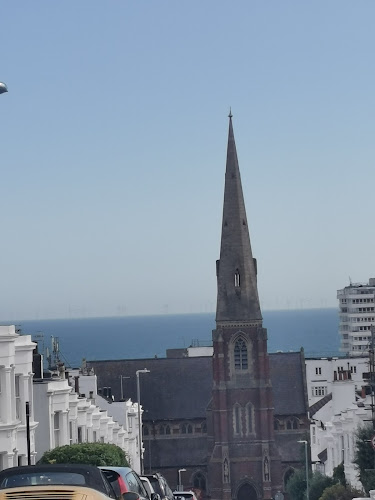
- Elegant Regency and Victorian architecture (Palmeira Square, Brunswick Town)
- Long pebble seafront and wide promenade ideal for walks and cycling
- Independent cafés, restaurants and boutique shops on Church Road and Western Road
- Local cultural events such as the Brunswick Festival and small galleries
- Easy access to Brighton attractions while offering a quieter base
More Details
Updated September 22, 2025
Table of Contents
Description
Hove presents itself as Brighton’s more sophisticated neighbor, and honestly, it’s not just local pride talking. This seaside town manages to capture that quintessential English coastal charm without the overwhelming crowds that can sometimes make Brighton feel a bit… well, overwhelming. You’ll find yourself walking along miles of pristine pebble beaches where the sound of waves creates this surprisingly meditative backdrop – though I’d recommend proper footwear unless you fancy a impromptu foot massage courtesy of those stones.
The town stretches elegantly along the coast, with its famous beach huts standing like colorful sentries against the sea breeze. These aren’t just Instagram props either; locals actually use them, creating this authentic seaside community feel that’s become increasingly rare. And the promenade? It’s genuinely one of those places where you can stroll for hours without realizing how much ground you’ve covered.
What strikes most visitors is how Hove manages to feel both relaxed and refined simultaneously. The Western Lawns provide this unexpected green buffer between the urban landscape and the sea, complete with a lagoon that catches many first-time visitors by surprise. It’s these little details that make Hove special – like discovering a hidden skatepark where teenagers practice their tricks while their grandparents feed ducks just meters away.
Key Features
Travelers will discover that Hove offers several distinctive experiences that set it apart from typical seaside destinations:
- Extensive pebble beach with iconic colorful beach huts – These aren’t just decorative; they’re functional spaces that locals rent and customize, creating a living gallery along the seafront
- Wide promenade perfect for cycling and walking – The pathway extends for miles and connects seamlessly with Brighton’s seafront, offering one of England’s longest uninterrupted coastal walks
- Western Lawns green space with unique lagoon feature – This unexpected oasis includes formal gardens, a children’s playground, and that surprising lagoon that reflects the sky beautifully on calm days
- Church Road’s diverse dining scene – From late-night kebab shops frequented by locals after pub hours to creative bistros that wouldn’t look out of place in London’s trendy neighborhoods
- Hove Museum and Art Gallery with vintage toy collection – Houses one of the most comprehensive collections of historical toys in southern England, plus rotating exhibitions of local and contemporary art
- Sussex County Cricket Club grounds – Home to county cricket matches where you can experience this very English sport in a relaxed, family-friendly atmosphere
- Victorian and Edwardian architecture – The residential streets showcase some of the finest examples of seaside architectural development from the late 19th and early 20th centuries
- Active skatepark within Western Lawns – A surprisingly well-designed facility that attracts skaters from across the region and adds an unexpected energy to the peaceful park setting
Best Time to Visit
Here’s something most travel guides won’t tell you straight: Hove actually shines brightest during what others might consider “off-peak” times. Sure, July and August bring the warmest weather and longest days, but they also bring the crowds and the inflated prices. If you’re flexible with your timing, you’ll discover that Hove has distinct personalities throughout the year.
Late spring, particularly May and early June, offers what I’d argue is Hove’s sweet spot. The weather’s generally pleasant enough for beach walks and outdoor dining, but the summer rush hasn’t quite begun. You’ll find restaurant tables available without booking weeks ahead, and the locals are still happy to chat rather than feeling overwhelmed by visitor questions.
September deserves special mention because it’s when Hove truly belongs to those who appreciate subtlety. The sea’s actually at its warmest after months of summer heating, the crowds have dispersed, and there’s this wonderful melancholy beauty to the seaside light. Many of the beach hut owners are still active, but you’ll have stretches of promenade almost to yourself.
Winter visitors will find a completely different Hove – one that reveals the town’s authentic character. The seafront becomes dramatically beautiful during storms, and the cozy restaurants along Church Road provide perfect refuges. Cricket season runs from April through September, so sports enthusiasts should plan accordingly if catching a match at Sussex CCC is important to their visit.
Weather-wise, Hove benefits from the English Channel’s moderating influence, meaning winters are milder and summers cooler than inland areas. But pack layers regardless of when you visit – coastal weather can change faster than you’d expect, and there’s nothing quite like a sudden sea breeze to remind you you’re on an island.
How to Get There
Getting to Hove is refreshingly straightforward, though like many English destinations, your experience will largely depend on which direction you’re approaching from. The town sits just west of Brighton, and most visitors find themselves arriving via Brighton first – which isn’t necessarily a bad thing since it gives you a nice contrast between the two neighboring communities.
By train, you’ll want Brighton station as your primary destination, served directly by Southern Railway from London Victoria (approximately 1 hour) and London Bridge. From Brighton station, Hove is easily accessible by local buses – the number 1 and 1A routes run frequently along the coast road. But honestly? The walk from Brighton station to central Hove takes about 25-30 minutes and passes through some interesting neighborhoods that showcase the area’s architectural evolution.
If you’re driving, the A23 from London provides the most direct route, though weekend traffic can be… challenging. Parking in Hove requires some strategy – the seafront has several car parks, but they fill quickly during peak times and aren’t particularly cheap. Many visitors discover that parking slightly inland and walking to the coast saves both money and frustration.
Brighton City Airport handles some regional flights, but most international visitors will arrive through Gatwick (about 45 minutes by car) or Heathrow (roughly 90 minutes, traffic permitting). The Gatwick Express connects to Brighton, making this often the most convenient option for air travelers.
Local transportation within Hove is quite manageable on foot for most attractions, though the local bus network connects efficiently with Brighton and surrounding areas. Many visitors rent bicycles – the flat promenade and dedicated cycling paths make this an excellent way to explore the entire seafront area.
Tips for Visiting
After spending considerable time in Hove, both as a visitor and through friends who’ve lived there for years, I’ve gathered some insights that might save you time and enhance your experience. First thing – and this might sound obvious but bears mentioning – pack proper walking shoes if you plan to spend time on the beach. Those pebbles look charming in photos, but they’re surprisingly challenging to navigate in flip-flops or thin-soled shoes.
The beach huts, while photogenic, are privately owned and rented by locals often years in advance. Don’t expect to rent one for a day trip, but do appreciate them as part of Hove’s living heritage. The owners often decorate them seasonally, so the same stretch of beach can look quite different throughout the year.
Church Road deserves more time than most visitors allocate. Yes, it has the expected chain restaurants, but the independent bistros and cafes often reflect the town’s character more authentically. The late-night food scene, particularly the kebab houses, provides an interesting glimpse into local life – these places serve as informal community centers where regulars gather after closing time at nearby pubs.
For cricket enthusiasts, matches at Sussex CCC offer a genuinely English experience, but the schedule varies significantly. County matches can last several days, while T20 games provide more condensed entertainment. The ground has this wonderful relaxed atmosphere where families picnic while serious cricket fans debate technique – it’s worth attending even if you don’t fully understand the sport.
The Western Lawns lagoon area can be surprisingly busy with local families during school holidays and weekends. Early morning or late afternoon visits offer more peaceful experiences and better light for photography. The skatepark attracts its most skilled practitioners during after-school hours and weekends – watching the local skaters can be entertaining, and they’re generally friendly if you’re genuinely interested in what they’re doing.
Weather changes quickly along the coast, so layers are essential regardless of the forecast. That gentle breeze can turn chilly without warning, and sudden showers are common even on otherwise pleasant days. The promenade offers limited shelter, so knowing where the nearest cafes are located can be valuable.
Finally, don’t treat Hove as simply Brighton’s quieter sibling. The town has its own rhythm and character that rewards visitors who take time to appreciate its subtleties rather than rushing through a checklist of attractions. Some of the most memorable Hove experiences happen during those unplanned moments – conversations with beach hut owners, discovering a new cafe, or simply sitting on the promenade watching the light change over the English Channel.

Key Highlights
- Elegant Regency and Victorian architecture (Palmeira Square, Brunswick Town)
- Long pebble seafront and wide promenade ideal for walks and cycling
- Independent cafés, restaurants and boutique shops on Church Road and Western Road
- Local cultural events such as the Brunswick Festival and small galleries
- Easy access to Brighton attractions while offering a quieter base
Location
Places to Stay Near Hove
Find and Book a Tour
Explore More Travel Guides
No reviews found! Be the first to review!
Traveler Reviews for Hove
There are no reviews yet. Be the first one to write one.
Have you visited Hove? Help other travelers by sharing your review.
Nearby Attractions
Find Accommodations Nearby
Recommended Tours & Activities
Visitor Reviews
There are no reviews yet. Be the first one to write one.
Share Your Experience
Have you visited Hove? Help other travelers by leaving a review.