
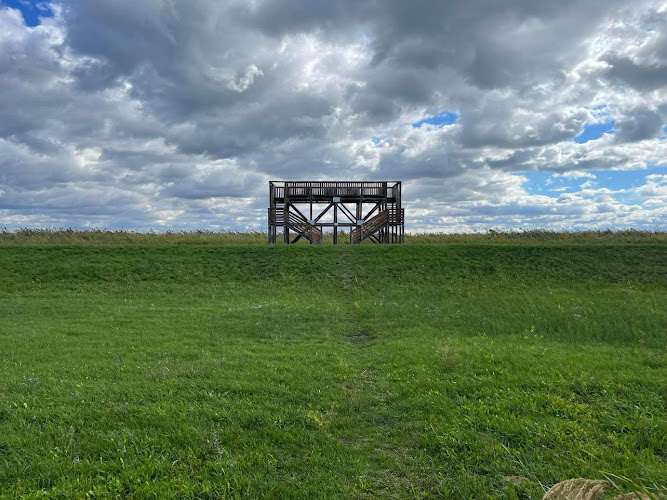
Hortobágy National Park
About Hortobágy National Park
Description
Hortobágy National Park is the kind of place that doesn’t just sit quietly in the background of Hungary’s story – it’s right there in the middle of it, breathing history, wildlife, and tradition. Spanning a massive stretch of the Great Hungarian Plain, it’s as much about the open skies and endless horizons as it is about the people who’ve shaped it for centuries. This is the country’s first national park, established back in 1973, and it’s now a UNESCO World Heritage Site – but don’t expect it to feel like a museum. It’s alive, with herds of Hungarian grey cattle grazing, shepherds in traditional dress, and the occasional eagle soaring overhead.
It’s not a place that tries to impress you with dramatic mountains or flashy waterfalls. Instead, it’s about subtle beauty – the kind that creeps up on you when you’re standing in the middle of a vast meadow, hearing nothing but the wind and the occasional call of a crane. And yes, it’s family-friendly, with plenty for kids to see and do, from spotting water buffalo to learning how a shadoof (a traditional well sweep) works. Credit cards are accepted at the visitor center, which is handy if you’re anything like me and tend to forget to carry cash when traveling.
Now, I’ll be honest – it’s not perfect. Some travelers might find parts of it a little too quiet or the facilities a bit rustic, especially if they’re expecting a polished tourist attraction. But that’s kind of the point here. Hortobágy isn’t about gloss; it’s about authenticity. The park rewards those who slow down and pay attention. If you go in with the right mindset, it can be one of the most memorable stops in Hungary.
Key Features
- Vast 800 km² expanse of the Great Hungarian Plain
- Home to traditional Hungarian pastoral culture and shepherding
- UNESCO World Heritage Site since 1999
- Rich birdlife, including rare species like the red-footed falcon and great bustard
- Traditional structures such as the shadoof
- Native Hungarian grey cattle, racka sheep, and water buffalo
- Seasonal bird migrations, especially cranes in autumn
- Interactive visitor center with exhibitions and educational programs
- Guided tours and horse-drawn carriage rides available
- Opportunities for cycling, hiking, and photography
Best Time to Visit
If you ask me, autumn in Hortobágy is magic. That’s when tens of thousands of cranes stop here during their migration, filling the skies at sunrise and sunset. It’s one of those moments you don’t forget – the sound alone is haunting. Spring is also lovely, especially if you’re into wildflowers and fresh green landscapes. Summers can be hot and dry, which has its charm, but bring plenty of water and a hat unless you want to roast under that big open sky. Winter has a stark beauty too, though it’s quieter and less about wildlife watching.
For photographers, early mornings and late afternoons year-round are golden. The light over the plains is just… different. Soft, warm, and kind of nostalgic, even if you’ve never been here before.
How to Get There
Hortobágy sits in eastern Hungary, and the easiest base for visiting is Debrecen, which has both train and bus connections. From Debrecen, you can hop on a train or bus to Hortobágy village, which is right by the park’s visitor center. If you’re driving, there’s good road access and parking available. I’ve done it both ways – public transport is fine and gives you a slower, more local feel, but having a car lets you explore the park’s more remote corners at your own pace.
There are also organized tours from Budapest and Debrecen, which can be handy if you want a guide who knows where to spot wildlife or explain the cultural history. And if you’re cycling across Hungary (brave choice!), the park is a great detour.
Tips for Visiting
First off, slow down. This isn’t the kind of place you “do” in an hour. Give yourself at least half a day, or better yet, stay overnight in the area. That way you can catch both sunrise and sunset – the light really is different here, and the wildlife is most active then.
Bring binoculars if you’re into birdwatching, and even if you’re not, you might become a fan after seeing cranes take flight. Comfortable shoes are a must, because even if you’re not hiking far, you’ll be walking over uneven ground. In summer, sunscreen and a hat are non-negotiable. And don’t forget insect repellent – the plains have their fair share of mosquitos.
If you’re traveling with kids, the visitor center is a good starting point. They can learn about traditional herding, see animals up close, and even take a short horse-drawn carriage ride. For food, there are local restaurants in the village serving hearty Hungarian dishes – try the gulyás soup if you want something authentic and filling.
One last thing – keep your expectations grounded. Hortobágy isn’t about constant action or flashy attractions. It’s about space, silence, and traditions that have been kept alive for centuries. If you give it time, it’ll get under your skin in the best possible way.
Key Features
- Vast 800 km² expanse of the Great Hungarian Plain
- Home to traditional Hungarian pastoral culture and shepherding
- UNESCO World Heritage Site since 1999
- Rich birdlife, including rare species like the red-footed falcon and great bustard
- Traditional structures such as the shadoof
- Native Hungarian grey cattle, racka sheep, and water buffalo
- Seasonal bird migrations, especially cranes in autumn
- Interactive visitor center with exhibitions and educational programs
You Might Also Like
"Felszabadulási" emlékmű
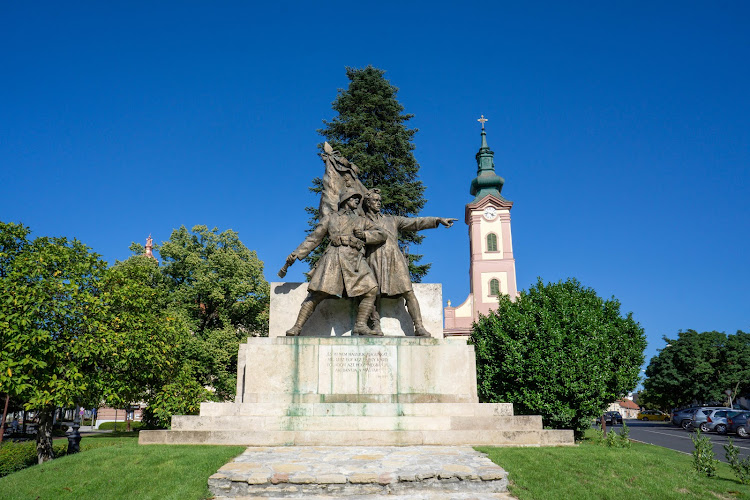
48. Gyalogezred emlékműve

A II. Világháború Áldozatainak Emlékműve
Tours & Activities
GetYourGuide provides this tour inventory. We may earn a commission if you book through it; verify current availability, prices, and terms with the provider.
Visitor Reviews
There are no reviews yet. Be the first one to write one.
Share Your Experience
Have you visited Hortobágy National Park? Help other travelers by leaving a review.