
Historical Presidential Palace, Kaunas
About Historical Presidential Palace, Kaunas
Key Features
More Details
Updated June 11, 2025
## Historical Presidential Palace, Kaunas: What to Know Before You Go (Vilniaus g. 33)
If you want a compact, high-signal introduction to how Lithuania’s modern statehood was built (and tested) between the World Wars, the Historical Presidential Palace of the Republic of Lithuania in Kaunas is a strong pick. It’s a museum in Kaunas’ Old Town that focuses on the First Republic of Lithuania (1918–1940) and the evolution of the presidency during that period.
This is also one of those museums that can work for families: the museum explicitly notes that parts of the exposition are modernized for children and young people, with interactive elements and games.
—
## Quick facts (so you can plan fast)
– Name (EN): Historical Presidential Palace of the Republic of Lithuania (in Kaunas)
– Address: Vilniaus g. 33, LT-44290 Kaunas, Lithuania
– Coordinates: 54.8976522, 23.8974028
– Typical opening hours (museum-published):
– Tue / Wed / Fri: 10:00–17:00
– Thu: 10:00–19:00
– Sat / Sun: 11:00–16:00
– Closed Mondays
– Admission (museum-published): Adults €5.00 (discounts and free-entry categories are listed on the museum site)
– English guided tours: “Guided tours in English – €25.00” (book in advance via the museum)
Outdated-data flag: hours, prices, and tour terms can change with seasons, holidays, or staffing. Treat the above as “last verified via museum pages,” and re-check the museum’s “Bookings and tickets” page before you go.
—
## What this place is (and why it’s different from a generic history museum)
The museum describes itself as a memorial-educational institution focused on Lithuanian modern statehood, with a permanent exposition reflecting 1918–1940 and temporary exhibitions that spotlight historical figures and events.
That framing matters. You’re not just looking at “old objects.” You’re walking through a curated narrative about:
– how Kaunas functioned during the interwar years,
– how the presidency changed over time, and
– what state symbolism and institutions looked like when independence was still newly rebuilt.
—
## What you’ll see inside: exhibitions and interpretation
### The First Republic presidents exhibition (with interactive elements)
One of the museum’s key current exhibitions is titled “Since 2014 – The Presidents of the First Republic of Lithuania.” The museum explains that the institution of the State President changed significantly during the First Republic, and that visitors can trace that evolution using photo galleries, documentary films, and even presidents’ speeches available on a touch-screen terminal.
Importantly for families (and anyone who prefers learning by doing), the museum states that the exposition is modernized to meet the needs of children and young people and includes interactive educational activities and games.
### “Stories of the House” and the building itself
The museum’s “Palace” page notes that the 2021–2025 exhibition “Stories of the House” focuses explicitly on the building’s broader history.
If you care about historical layers—how a place changes purpose across regimes—this is the part that typically delivers the most “aha” moments.
Outdated-data flag: the “2021–2025” date range implies that exhibition framing could have shifted after 2025. Check what’s currently on display when you’re finalizing your itinerary.
—
## Outside details worth noticing (even if you don’t go in)
In the garden space, there are bronze monuments to three interwar Lithuanian presidents: Antanas Smetona, Kazys Grinius, and Aleksandras Stulginskis (with sculptors named on the museum’s parent institution site).
This is a useful “free layer” of the visit: even if you’re short on time, you can still place the building in Lithuania’s interwar political story with a quick exterior stop.
—
## Visiting with kids (what’s actually supported by sources)
You mentioned “Some attractions for kids.” The strongest museum-confirmed angle is interactivity: the museum explicitly says there are interactive educational activities and games aimed at children and young people within the presidents-focused exposition.
If you want something more structured than free roaming, the museum also offers educational programming (their Lithuanian-language pages describe education sessions designed for younger students and families, including state symbols like the coat of arms, anthem, and flag).
Practical tip: if you’re visiting as a family, an English guided tour may be less “kid-first” than the interactive exhibition elements. For many kids, starting with the interactive section and then doing a shorter adult-focused explanation works better.
—
## How to plan your time (realistic visit pacing)
Because this is a focused museum (presidency + interwar statehood + building history), most visitors can do it without needing half a day.
A sensible structure:
– 30–45 minutes: highlights only (interactive presidents exhibition + garden statues)
– 60–90 minutes: slower read-through + building-history context (if the “Stories of the House” framing is still active)
– Add a guided tour: if you want curated context and can book ahead (English tours are listed as €25).
—
## Accessibility and inclusivity notes (what I can and can’t claim)
I’m not going to guess accessibility features (ramps, elevators, tactile exhibits) without a published accessibility statement. If accessibility matters for your group, the museum provides a phone number and email, so you can verify entrance steps, restroom access, and mobility constraints directly.
—
## Tickets, tours, and the “check before you go” list
From the museum’s own “Bookings and tickets” page:
– Adults: €5.00
– English guided tours: €25.00
– Tours should be booked in advance (contact details provided by the museum).
Before you go, verify:
– holiday closures (the museum notes closures beyond Mondays)
– any exhibition changes post-2025
– tour availability in English for your specific date
—
## Two internal-link placements (editor-ready)
Because I can’t confirm your site’s exact URL structure from the data provided, here are safe internal link opportunities you can map to whatever slugs you already use:
– Link once when you mention the setting in Kaunas: Kaunas travel guide (use your actual hub/parent page slug)
– Link once in the planning section: Best museums in Kaunas (or your existing listicle/collection page)
—
## Bottom line
If your goal is to understand Lithuania’s interwar leadership and state-building—without committing to a massive institution—the Historical Presidential Palace in Kaunas gives you a concentrated, museum-led narrative, with interactive elements explicitly designed to work for younger visitors too.
Table of Contents
Key Highlights
Historical Presidential Palace, Kaunas
Location
Places to Stay Near Historical Presidential Palace, Kaunas"Some attractions for kids"
Find and Book a Tour
Explore More Travel Guides
No reviews found! Be the first to review!
Traveler Reviews for Historical Presidential Palace, Kaunas
There are no reviews yet. Be the first one to write one.
Have you visited Historical Presidential Palace, Kaunas? Help other travelers by sharing your review.
You Might Also Like
Burial ground of Kaunas Fort Commandant Oscar Klem.
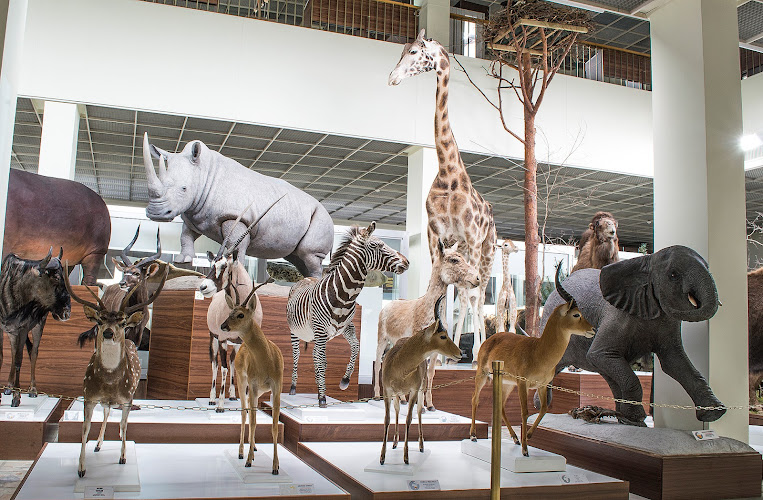
Kaunas Tadas Ivanauskas Museum of Zoology
Kaunas Town Hall
Find Accommodations Nearby
Recommended Tours & Activities
Visitor Reviews
There are no reviews yet. Be the first one to write one.
Share Your Experience
Have you visited Historical Presidential Palace, Kaunas? Help other travelers by leaving a review.