
Historical Museum Frankfurt
About Historical Museum Frankfurt
Description
The Historical Museum Frankfurt is one of those places that manages to feel both deeply rooted in the past and surprisingly relevant today. Founded way back in the late 19th century, it has grown into the city’s largest cultural history museum, covering everything from medieval relics to modern-day stories of Frankfurt life. Walking through its galleries, you don’t just see dusty artifacts behind glass—you actually get a sense of how the city has evolved, how ordinary people lived, and how Frankfurt became the financial and cultural hub it is now.
What really stands out is the balance. Some visitors rave about the immersive exhibits and the way history feels alive, while others find parts of it a bit overwhelming or not as interactive as they’d hoped. That’s the thing with museums of this scale—you’ll always get a mix. Personally, I think that’s part of its charm. You can spend hours wandering through the medieval halls, admiring Renaissance art, or even just staring at the scale model of Frankfurt that takes up an entire room. And if you’re like me, you’ll probably end up losing track of time because there’s just so much to take in.
The museum isn’t only for history buffs. Families with kids will find plenty of engaging displays at the Junges Museum, which is designed specifically for younger visitors. Accessibility is well thought out too, with wheelchair-friendly entrances and restrooms, plus practical amenities like a café and plenty of seating areas when you need a breather. It’s a place that feels welcoming, even if museums aren’t usually your thing.
Key Features
- Extensive collections spanning from the Middle Ages to contemporary Frankfurt
- A massive scale model of the city that fascinates both adults and kids
- The Junges Museum with hands-on exhibits designed for children
- Rotating special exhibitions that often highlight modern themes alongside historical ones
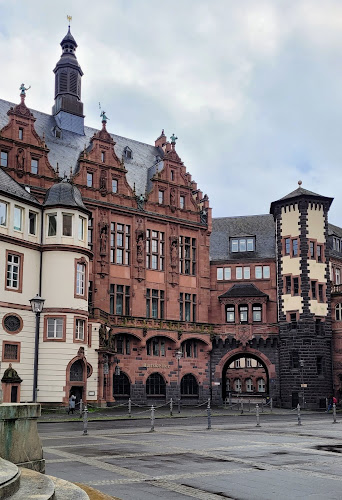
- Haus zur Goldenen Waage, a beautifully restored Renaissance half-timbered house included in the museum experience
- On-site amenities like a restaurant and restrooms for convenience
- Wheelchair accessible entrances and facilities
Best Time to Visit
Timing your visit can make all the difference. Weekdays, especially in the late morning or early afternoon, tend to be quieter, giving you space to linger without feeling rushed. Thursdays are a bit of a hidden gem because the new building stays open until 9 p.m.—perfect if you enjoy exploring museums in the evening when the mood is calmer. If you’re traveling in autumn, the museum is also open on national holidays like October 3rd, so you won’t miss out if your trip overlaps with local celebrations.
Summer can be busier with tourists, but the museum’s spacious layout helps spread people out. Personally, I think winter is the coziest time to go. There’s something about stepping out of the chilly streets into warm galleries filled with centuries of history—it just feels right.
How to Get There
The Historical Museum Frankfurt is located right in the heart of the city, making it easy to reach no matter where you’re staying. If you’re coming by public transport, the U-Bahn and S-Bahn stations nearby drop you within a short walk of the entrance. Buses and trams also serve the area frequently, so you won’t have to worry about long waits. For those who prefer walking, it’s a pleasant stroll from Römerberg Square, one of Frankfurt’s most famous landmarks.
Driving is possible, but honestly, I wouldn’t recommend it unless you’re already renting a car. Parking in the city center can be tricky and expensive. Public transport is reliable, affordable, and saves you the stress of navigating Frankfurt’s busy streets.
Tips for Visiting
Here’s the thing: this museum is big. If you want to see everything, you’ll need at least half a day, maybe more. My advice is to pick a few sections that interest you most—maybe the medieval collections, the city model, or the special exhibition—and allow yourself time to really enjoy them. Otherwise, you risk museum fatigue, which is a real thing.
If you’re traveling with kids, don’t skip the Junges Museum. It’s designed to be interactive and fun, so the little ones won’t get bored while you’re soaking up the history. Also, wear comfortable shoes. The museum sprawls across several buildings, and you’ll be on your feet a lot.
Photography is usually allowed, but always check the signs in each gallery. And if you’re like me and get peckish halfway through, the on-site café is a lifesaver. They serve decent coffee and snacks, so you can recharge before diving back in.
Finally, give yourself permission to slow down. Museums like this aren’t about rushing from one display to the next—they’re about stories, details, and those little moments of connection when you realize that people hundreds of years ago weren’t so different from us. That’s what makes the Historical Museum Frankfurt worth the visit.
Key Features
- Extensive collections spanning from the Middle Ages to contemporary Frankfurt
- A massive scale model of the city that fascinates both adults and kids
- The Junges Museum with hands-on exhibits designed for children
- Rotating special exhibitions that often highlight modern themes alongside historical ones
- Haus zur Goldenen Waage, a beautifully restored Renaissance half-timbered house included in the museum experience
- On-site amenities like a restaurant and restrooms for convenience
- Wheelchair accessible entrances and facilities
More Details
Updated September 23, 2025
Table of Contents
- Description
- Key Features
- Best Time to Visit
- How to Get There
- Tips for Visiting
- Key Highlights
- Location
- Places to Stay Near Historisches Museum Frankfurt"One of the best things to do in Frankfurt!"
- Find and Book a Tour
- Explore More Travel Guides
- Nearby Places You Might Like
- Traveler Reviews for Historical Museum Frankfurt
- Share Your Experience
Description
The Historical Museum Frankfurt is one of those places that manages to feel both deeply rooted in the past and surprisingly relevant today. Founded way back in the late 19th century, it has grown into the city’s largest cultural history museum, covering everything from medieval relics to modern-day stories of Frankfurt life. Walking through its galleries, you don’t just see dusty artifacts behind glass—you actually get a sense of how the city has evolved, how ordinary people lived, and how Frankfurt became the financial and cultural hub it is now.
What really stands out is the balance. Some visitors rave about the immersive exhibits and the way history feels alive, while others find parts of it a bit overwhelming or not as interactive as they’d hoped. That’s the thing with museums of this scale—you’ll always get a mix. Personally, I think that’s part of its charm. You can spend hours wandering through the medieval halls, admiring Renaissance art, or even just staring at the scale model of Frankfurt that takes up an entire room. And if you’re like me, you’ll probably end up losing track of time because there’s just so much to take in.
The museum isn’t only for history buffs. Families with kids will find plenty of engaging displays at the Junges Museum, which is designed specifically for younger visitors. Accessibility is well thought out too, with wheelchair-friendly entrances and restrooms, plus practical amenities like a café and plenty of seating areas when you need a breather. It’s a place that feels welcoming, even if museums aren’t usually your thing.
Key Features
- Extensive collections spanning from the Middle Ages to contemporary Frankfurt
- A massive scale model of the city that fascinates both adults and kids
- The Junges Museum with hands-on exhibits designed for children
- Rotating special exhibitions that often highlight modern themes alongside historical ones
- Haus zur Goldenen Waage, a beautifully restored Renaissance half-timbered house included in the museum experience
- On-site amenities like a restaurant and restrooms for convenience
- Wheelchair accessible entrances and facilities
Best Time to Visit
Timing your visit can make all the difference. Weekdays, especially in the late morning or early afternoon, tend to be quieter, giving you space to linger without feeling rushed. Thursdays are a bit of a hidden gem because the new building stays open until 9 p.m.—perfect if you enjoy exploring museums in the evening when the mood is calmer. If you’re traveling in autumn, the museum is also open on national holidays like October 3rd, so you won’t miss out if your trip overlaps with local celebrations.
Summer can be busier with tourists, but the museum’s spacious layout helps spread people out. Personally, I think winter is the coziest time to go. There’s something about stepping out of the chilly streets into warm galleries filled with centuries of history—it just feels right.
How to Get There
The Historical Museum Frankfurt is located right in the heart of the city, making it easy to reach no matter where you’re staying. If you’re coming by public transport, the U-Bahn and S-Bahn stations nearby drop you within a short walk of the entrance. Buses and trams also serve the area frequently, so you won’t have to worry about long waits. For those who prefer walking, it’s a pleasant stroll from Römerberg Square, one of Frankfurt’s most famous landmarks.
Driving is possible, but honestly, I wouldn’t recommend it unless you’re already renting a car. Parking in the city center can be tricky and expensive. Public transport is reliable, affordable, and saves you the stress of navigating Frankfurt’s busy streets.
Tips for Visiting
Here’s the thing: this museum is big. If you want to see everything, you’ll need at least half a day, maybe more. My advice is to pick a few sections that interest you most—maybe the medieval collections, the city model, or the special exhibition—and allow yourself time to really enjoy them. Otherwise, you risk museum fatigue, which is a real thing.
If you’re traveling with kids, don’t skip the Junges Museum. It’s designed to be interactive and fun, so the little ones won’t get bored while you’re soaking up the history. Also, wear comfortable shoes. The museum sprawls across several buildings, and you’ll be on your feet a lot.
Photography is usually allowed, but always check the signs in each gallery. And if you’re like me and get peckish halfway through, the on-site café is a lifesaver. They serve decent coffee and snacks, so you can recharge before diving back in.
Finally, give yourself permission to slow down. Museums like this aren’t about rushing from one display to the next—they’re about stories, details, and those little moments of connection when you realize that people hundreds of years ago weren’t so different from us. That’s what makes the Historical Museum Frankfurt worth the visit.
Key Highlights
- Extensive collections spanning from the Middle Ages to contemporary Frankfurt
- A massive scale model of the city that fascinates both adults and kids
- The Junges Museum with hands-on exhibits designed for children
- Rotating special exhibitions that often highlight modern themes alongside historical ones
- Haus zur Goldenen Waage, a beautifully restored Renaissance half-timbered house included in the museum experience
- On-site amenities like a restaurant and restrooms for convenience
- Wheelchair accessible entrances and facilities
Location
Places to Stay Near Historisches Museum Frankfurt"One of the best things to do in Frankfurt!"
Find and Book a Tour
Explore More Travel Guides
No reviews found! Be the first to review!
Traveler Reviews for Historical Museum Frankfurt
There are no reviews yet. Be the first one to write one.
Have you visited Historical Museum Frankfurt? Help other travelers by sharing your review.
You Might Also Like

Dialog Museum
Museumsufer
Paulsplatz
Find Accommodations Nearby
Recommended Tours & Activities
Visitor Reviews
There are no reviews yet. Be the first one to write one.
Share Your Experience
Have you visited Historical Museum Frankfurt? Help other travelers by leaving a review.