
Historical Museum
About Historical Museum
Description
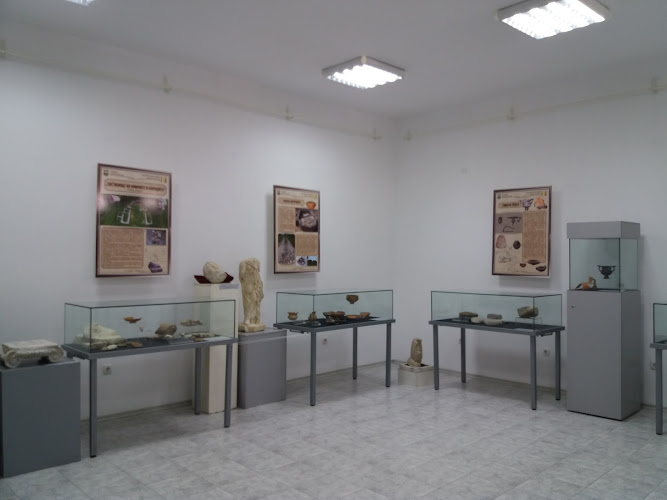
The Historical Museum is one of those places that really does what a museum should do—it pulls you in, makes you pause, and gets you thinking about how the past has shaped the present. It’s not the kind of attraction where you just breeze through in ten minutes; instead, it’s the sort of space where every corner has a story waiting to be uncovered. Some people come here expecting grand, glittering displays, but what they actually find is something more meaningful: carefully curated exhibits that balance education with genuine storytelling. That’s what makes it stand out.
Now, to be fair, not every visitor walks away with the same impression. Some folks find certain sections a little too detailed or academic, while others feel the layout could be more intuitive. And yes, there are moments when the lighting or signage could be improved. But the overwhelming sentiment is positive—people often leave with a deeper appreciation for history and a sense of connection to the generations before us. Personally, I think that’s worth more than fancy bells and whistles.
Accessibility is another strong point here. The museum has clearly put thought into making the space inclusive for everyone, with wheelchair-accessible entrances, restrooms, and parking. Families with kids will also find it welcoming, since the exhibits are engaging without being overwhelming. And while you won’t find a restaurant on-site, the restrooms are convenient and the surrounding area has plenty of food options. In short, it’s a museum that respects its visitors’ needs while staying true to its mission of preserving and sharing history.
Key Features
- A diverse collection of historical artifacts spanning different eras and cultures
- Interactive exhibits designed to engage both adults and children
- Wheelchair accessible facilities including entrances, restrooms, and parking
- Educational programs and workshops for schools and groups
- Rotating temporary exhibitions that keep the experience fresh for repeat visitors
- Knowledgeable staff and guides who are passionate about history
- Quiet corners and benches for visitors who like to take their time
- Family-friendly environment that encourages curiosity in younger visitors
Best Time to Visit
Timing can make a big difference in how much you enjoy the Historical Museum. Weekdays, especially in the mornings, tend to be calmer, giving you the chance to wander at your own pace without feeling rushed. Weekends, on the other hand, can be quite lively with families and tour groups, which is fun if you like a bit of buzz but maybe not ideal if you prefer a quieter experience. I once visited on a rainy Tuesday afternoon, and honestly, it was perfect—the sound of rain outside, the calm of the galleries inside. It felt almost meditative.
If you’re hoping to catch one of the temporary exhibitions, it’s worth checking the museum’s schedule ahead of time. These special showcases often bring in rare artifacts or explore unique themes, and they can be a real highlight. Seasonal events or school holidays can also affect crowd levels, so planning accordingly can make your visit smoother. Generally speaking, spring and autumn are great times to go, since the weather is pleasant and the tourist crowds are a little lighter.
How to Get There
Reaching the Historical Museum is relatively straightforward, no matter how you prefer to travel. If you’re driving, there’s accessible parking available, which is a big plus if mobility is a concern. Public transportation is also a solid option, with buses and trains running nearby. I’ve personally taken the bus before, and while it added a few extra minutes to the journey, it saved me the hassle of parking and gave me the chance to people-watch along the way.
For those staying in the city center, walking is often the simplest way to get there. It’s a pleasant stroll, and you’ll likely pass by other interesting spots along the way. Taxis and ride-shares are, of course, always an option if you’re short on time or energy. The key thing is that it’s accessible without too much stress, which makes it easy to fit into your travel plans, whether you’re exploring for a day or staying longer.
Tips for Visiting
A little planning goes a long way when it comes to making the most of your visit to the Historical Museum. For starters, wear comfortable shoes. It sounds obvious, but you’d be surprised how much walking you’ll end up doing, even if the building doesn’t look huge from the outside. I once made the mistake of wearing new shoes that hadn’t been broken in, and let’s just say I spent more time thinking about my sore feet than the exhibits. Don’t repeat my mistake!
Another tip: give yourself more time than you think you’ll need. The exhibits are detailed, and if you’re the kind of person who likes to read the placards and really absorb the information, you could easily spend half a day here. Bringing a bottle of water is smart too, since there isn’t a restaurant on-site. And if you’re visiting with kids, make use of the interactive displays—they’re designed to keep younger minds engaged while still being educational.
Photography rules vary depending on the exhibit, so it’s best to check before snapping pictures. Personally, I find it nice to put the camera away and just soak in the atmosphere, but I get the urge to capture a memory too. If you’re someone who likes guided tours, consider joining one—they’re led by people who really know their stuff and can give you insights you might not pick up on your own. Lastly, don’t rush the experience. History isn’t something to speed through; it’s something to sit with, reflect on, and maybe even carry with you after you leave.
Key Features
- A diverse collection of historical artifacts spanning different eras and cultures
- Interactive exhibits designed to engage both adults and children
- Wheelchair accessible facilities including entrances, restrooms, and parking
- Educational programs and workshops for schools and groups
- Rotating temporary exhibitions that keep the experience fresh for repeat visitors
- Knowledgeable staff and guides who are passionate about history
- Quiet corners and benches for visitors who like to take their time
- Family-friendly environment that encourages curiosity in younger visitors
More Details
Updated September 9, 2025
Table of Contents
Description
The Historical Museum is one of those places that really does what a museum should do—it pulls you in, makes you pause, and gets you thinking about how the past has shaped the present. It’s not the kind of attraction where you just breeze through in ten minutes; instead, it’s the sort of space where every corner has a story waiting to be uncovered. Some people come here expecting grand, glittering displays, but what they actually find is something more meaningful: carefully curated exhibits that balance education with genuine storytelling. That’s what makes it stand out.
Now, to be fair, not every visitor walks away with the same impression. Some folks find certain sections a little too detailed or academic, while others feel the layout could be more intuitive. And yes, there are moments when the lighting or signage could be improved. But the overwhelming sentiment is positive—people often leave with a deeper appreciation for history and a sense of connection to the generations before us. Personally, I think that’s worth more than fancy bells and whistles.
Accessibility is another strong point here. The museum has clearly put thought into making the space inclusive for everyone, with wheelchair-accessible entrances, restrooms, and parking. Families with kids will also find it welcoming, since the exhibits are engaging without being overwhelming. And while you won’t find a restaurant on-site, the restrooms are convenient and the surrounding area has plenty of food options. In short, it’s a museum that respects its visitors’ needs while staying true to its mission of preserving and sharing history.
Key Features
- A diverse collection of historical artifacts spanning different eras and cultures
- Interactive exhibits designed to engage both adults and children
- Wheelchair accessible facilities including entrances, restrooms, and parking
- Educational programs and workshops for schools and groups
- Rotating temporary exhibitions that keep the experience fresh for repeat visitors
- Knowledgeable staff and guides who are passionate about history
- Quiet corners and benches for visitors who like to take their time
- Family-friendly environment that encourages curiosity in younger visitors
Best Time to Visit
Timing can make a big difference in how much you enjoy the Historical Museum. Weekdays, especially in the mornings, tend to be calmer, giving you the chance to wander at your own pace without feeling rushed. Weekends, on the other hand, can be quite lively with families and tour groups, which is fun if you like a bit of buzz but maybe not ideal if you prefer a quieter experience. I once visited on a rainy Tuesday afternoon, and honestly, it was perfect—the sound of rain outside, the calm of the galleries inside. It felt almost meditative.
If you’re hoping to catch one of the temporary exhibitions, it’s worth checking the museum’s schedule ahead of time. These special showcases often bring in rare artifacts or explore unique themes, and they can be a real highlight. Seasonal events or school holidays can also affect crowd levels, so planning accordingly can make your visit smoother. Generally speaking, spring and autumn are great times to go, since the weather is pleasant and the tourist crowds are a little lighter.
How to Get There
Reaching the Historical Museum is relatively straightforward, no matter how you prefer to travel. If you’re driving, there’s accessible parking available, which is a big plus if mobility is a concern. Public transportation is also a solid option, with buses and trains running nearby. I’ve personally taken the bus before, and while it added a few extra minutes to the journey, it saved me the hassle of parking and gave me the chance to people-watch along the way.
For those staying in the city center, walking is often the simplest way to get there. It’s a pleasant stroll, and you’ll likely pass by other interesting spots along the way. Taxis and ride-shares are, of course, always an option if you’re short on time or energy. The key thing is that it’s accessible without too much stress, which makes it easy to fit into your travel plans, whether you’re exploring for a day or staying longer.
Tips for Visiting
A little planning goes a long way when it comes to making the most of your visit to the Historical Museum. For starters, wear comfortable shoes. It sounds obvious, but you’d be surprised how much walking you’ll end up doing, even if the building doesn’t look huge from the outside. I once made the mistake of wearing new shoes that hadn’t been broken in, and let’s just say I spent more time thinking about my sore feet than the exhibits. Don’t repeat my mistake!
Another tip: give yourself more time than you think you’ll need. The exhibits are detailed, and if you’re the kind of person who likes to read the placards and really absorb the information, you could easily spend half a day here. Bringing a bottle of water is smart too, since there isn’t a restaurant on-site. And if you’re visiting with kids, make use of the interactive displays—they’re designed to keep younger minds engaged while still being educational.
Photography rules vary depending on the exhibit, so it’s best to check before snapping pictures. Personally, I find it nice to put the camera away and just soak in the atmosphere, but I get the urge to capture a memory too. If you’re someone who likes guided tours, consider joining one—they’re led by people who really know their stuff and can give you insights you might not pick up on your own. Lastly, don’t rush the experience. History isn’t something to speed through; it’s something to sit with, reflect on, and maybe even carry with you after you leave.
Key Highlights
- A diverse collection of historical artifacts spanning different eras and cultures
- Interactive exhibits designed to engage both adults and children
- Wheelchair accessible facilities including entrances, restrooms, and parking
- Educational programs and workshops for schools and groups
- Rotating temporary exhibitions that keep the experience fresh for repeat visitors
- Knowledgeable staff and guides who are passionate about history
- Quiet corners and benches for visitors who like to take their time
- Family-friendly environment that encourages curiosity in younger visitors
Location
Places to Stay Near Historical Museum
Find and Book a Tour
Explore More Travel Guides
No reviews found! Be the first to review!
Traveler Reviews for Historical Museum
There are no reviews yet. Be the first one to write one.
Have you visited Historical Museum? Help other travelers by sharing your review.
You Might Also Like

“Maritza” Park
Banska Tavern
"Penyo Penev" Park
Find Accommodations Nearby
Recommended Tours & Activities
Visitor Reviews
There are no reviews yet. Be the first one to write one.
Share Your Experience
Have you visited Historical Museum? Help other travelers by leaving a review.