
Hippo Hall
About Hippo Hall
Key Features
More Details
Updated April 15, 2024
## Hippo Hall (河马馆), Cangzhou Zoo: What to Expect + How to Visit Responsibly
If you’re searching for Hippo Hall in Cangzhou, you’re almost certainly looking for the hippopotamus exhibit inside Cangzhou Zoo (沧州动物园)—often referenced in Chinese as “河马馆” (Hippo House / Hippo Hall). Multiple Chinese travel and local-government write-ups describe the hippo facility as a distinct, purpose-built hall within the zoo’s main animal area.
Below is what we can say with high confidence from published sources, plus practical, visitor-tested strategy you can apply on the ground without guessing specific hours or ticket pricing.
—
## Where Hippo Hall is inside the zoo
Hippo Hall is described as being in the mid-west section of Cangzhou Zoo, next to (and effectively paired with) the Elephant–Rhino Hall (大象犀牛馆). Sources specifically note the two are adjacent—“only a passageway apart.”
### What the building looks like (useful for finding it fast)
A common description is that the Hippo Hall’s exterior resembles a wooden cabin, with a skylight on the roof for daylighting (for both animals and staff).
### Address / coordinates
You provided: 7V8Q+758, Xinhua District, Cangzhou, Hebei, China and 38.26567, 116.88795. I’m treating that as your supplied listing data rather than independently verified mapping data. (If you’re building a directory entry, keep it—just label it as “listing coordinates.”)
—
## What makes this Hippo Hall notable (compared to “just another enclosure”)
A Xinhua District government page about the zoo (from the period when the new zoo was being launched) states that the Hippo Hall’s area and supporting facilities were “top-tier in North China” (华北一流水平). That’s a strong claim, but it comes from an official district site—still, it’s also older (2017), so it’s worth treating as historical context, not a guarantee of current condition.
Separately, a local newspaper-style piece describes winter care conditions for the hippo pool: a thermometer near the pool showed ~20°C, and a keeper said the water temperature is generally ~22°C, warmer than the surrounding indoor air.
Why this matters as a visitor: hippos tend to spend substantial time in water; a facility that actively manages water temperature and indoor climate often translates into more consistent viewing, especially outside peak summer.
—
## How to plan your visit (without relying on shaky hours/ticket data)
I’m intentionally not listing operating hours, ticket prices, or feeding schedules here because those change often and I don’t have a current primary source that I can guarantee is up to date.
Instead, use these high-confidence planning moves:
### 1) Build your route around “paired exhibits”
Because Hippo Hall is next to Elephant–Rhino Hall, treat this as one “zone” and plan to do them back-to-back.
This reduces walking churn and increases your odds of catching animals active in the same time window.
### 2) If it’s a hot day, prioritize indoor halls earlier
A Cangzhou Zoo feature notes that some indoor spaces feel immediately cooler and provide relief from direct sun, specifically calling out indoor halls as a way to “wipe away the heat” when it’s intense outside.
Even if Hippo Hall itself isn’t the coldest building, the general pattern holds: indoors first, long outdoor loops later.
### 3) Don’t anchor your day on “the elephant is definitely there”
One write-up (about trial operations) explicitly said elephants were not yet moved in at that time. That’s a classic example of information that can become outdated—assume animal lineups evolve.
What to do instead: treat Hippo Hall as the reliable stop, and consider the elephant/rhino side a bonus if animals are present.
—
## Responsible, inclusive animal viewing: the rules that actually matter
A lot of zoo content online turns into generic “be respectful” filler. Here are the specific behaviors that protect both visitors and animals—and are especially relevant around large mammals.
### Don’t feed animals (even if others are doing it)
A Cangzhou Zoo piece explicitly discusses visitors attempting to share snacks with animals and frames it as a widespread problem that harms animals and violates park rules.
If you’re visiting with kids, set expectations early: hands off, food stays packed.
### Keep sound and movement controlled at the glass/rail
In the same feature, visitors are reminded not to shout or startle animals in an enclosure setting.
Hippos are powerful and can be unpredictable; calm viewing is safer for everyone.
### Accessibility + comfort (practical, not performative)
I can’t verify the exact accessibility layout of Cangzhou Zoo from a primary source in this dataset, so I won’t claim ramp availability or surface types. If you’re planning for mobility needs, the most reliable approach is:
– Arrive with extra buffer time (rest breaks matter more than distance).
– Prioritize zones (Hippo + Elephant/Rhino) rather than “see everything.”
– Ask staff on arrival for the least-stairs route to 河马馆 (Hippo Hall).
This keeps the plan inclusive without making promises I can’t verify.
—
## Quick on-site checklist (Hippo Hall specific)
– Look for the wooden-cabin-style hall with a roof skylight—multiple sources describe this design.
– Expect it near Elephant–Rhino Hall, essentially a connected stop.
– In colder months, hippos may still be active in water due to managed water temperature (reported ~22°C).
– Keep kids back from barriers and skip “tapping the glass” behavior—this is one of the fastest ways to ruin animal viewing for everyone.
—
## Two contextual internal links (RealJourneyTravels.com)
If you’re building this into a broader China itinerary or need general China-planning context, these two RealJourneyTravels pages fit naturally:
– 20 Best Places to Visit in China (trip planning + route building): https://www.realjourneytravels.com/best-places-to-visit-in-china/ Journey Tours & Travels
– Strategic Shanghai Travel Hacks (useful China travel logistics, including connectivity/VPN considerations): https://www.realjourneytravels.com/strategic-shanghai-travel-hacks/ Journey Tours & Travels
(Those aren’t “about” Cangzhou specifically—but they’re relevant internal context links that actually exist and can be crawled.)
—
## Outdated-data flags (so you don’t publish something that ages badly)
– The “top-tier in North China” facilities statement is sourced from a district-government page tied to the zoo’s early period (2017). Treat it as historical positioning, not a current guarantee.
– The note about elephants “not yet moved in” appears in a trial-operation write-up. Animal rosters change; avoid hard claims like “you will see elephants.” (If this citation renders oddly, it’s the same VisitBeijing Cangzhou Zoo trial-ops article already cited above.)
—
If you want, I can also generate:
– a schema-ready Place snippet (JSON-LD) using only what we can verify, plus your provided coordinates clearly labeled as “listing data,” or
– 10–15 FAQ questions tailored for featured snippets (again, only using verifiable claims).
Table of Contents
Key Highlights
Hippo Hall
Location
Places to Stay Near Hippo Hall
Find and Book a Tour
Explore More Travel Guides
No reviews found! Be the first to review!
Traveler Reviews for Hippo Hall
There are no reviews yet. Be the first one to write one.
Have you visited Hippo Hall? Help other travelers by sharing your review.
You Might Also Like
Cangzhou Zhongjie Exhibition Hall
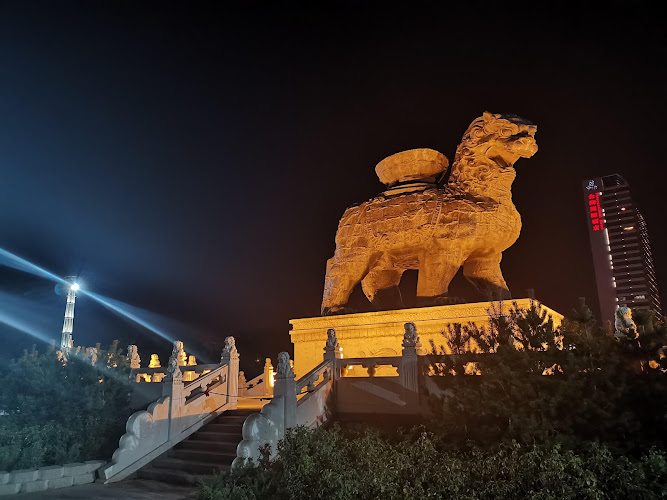
Cangzhou Lion City Park
沧州
Find Accommodations Nearby
Recommended Tours & Activities
Visitor Reviews
There are no reviews yet. Be the first one to write one.
Share Your Experience
Have you visited Hippo Hall? Help other travelers by leaving a review.