
Harris Lass House Museum
About Harris Lass House Museum
Description
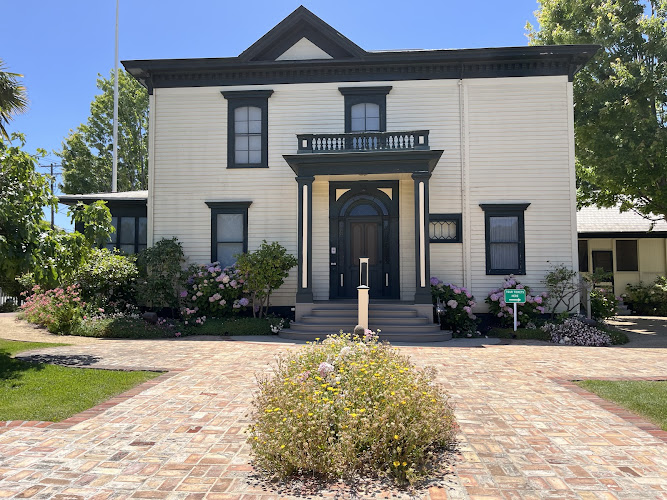
The Harris Lass House Museum is one of those places that feels like stepping back into a quieter, simpler time. Built in 1865, it’s the last remaining farm site in Santa Clara, and honestly, that fact alone makes it worth a visit. Most of the city has been modernized, paved over, and filled with tech campuses, but here you still get to see a glimpse of what life looked like more than a century ago. The house itself is a preserved Victorian farmhouse, and it’s furnished with original pieces left behind by the families who lived there. That detail makes it different from many other historic homes where furniture is staged or borrowed. Here, it feels authentic, like the people just stepped outside for a moment.
Walking through the rooms, you can almost imagine the creak of the wooden floors under heavy boots, or the smell of bread baking in the summer kitchen. The museum isn’t huge, but that’s part of its charm. It’s intimate, personal, and you don’t feel rushed. Plus, the docents are usually locals who know the history inside and out. They share stories that make the place come alive, not just dates and names.
It’s also family-friendly. Kids can run around the gardens, and parents don’t have to stress too much since the grounds are safe and manageable. Accessibility is thoughtfully considered too, with wheelchair access and plenty of parking. It’s not flashy or high-tech, but that’s not the point here. This is about slowing down, learning, and connecting with the past in a very tangible way.
Key Features
- Authentic Victorian farmhouse built in 1865
- Original furnishings from the Harris and Lass families
- Classic California barn, summer kitchen, and tank house
- Heritage Orchard and landscaped gardens to explore
- Guided tours led by knowledgeable local docents
- Wheelchair accessible entrance and parking
- Restrooms available on-site
- Family-friendly environment with changing tables for kids
- Free parking both on-site and on nearby streets
Best Time to Visit
If you want the full experience, spring and fall are the sweet spots. In spring, the gardens and orchard are in bloom, and the weather is mild enough that you can comfortably wander the grounds without baking in the sun. Fall has its own charm—there’s something about the golden light on the old barn and house that makes photos look like they came straight out of a history book.
Weekends are usually when the museum is open for tours, and they tend to be less crowded than you might expect. If you’re the type who likes a quieter visit, aim for the earlier hours. And while summer is fine, it can get hot, and the farmhouse doesn’t have modern air conditioning. So if you’re heat-sensitive, plan accordingly. Winter visits are limited since the museum is usually closed for part of the season, but holiday events sometimes pop up, which can be a cozy way to see the place.
How to Get There
Getting to the Harris Lass House Museum is surprisingly easy if you’re already in the South Bay. It’s tucked into a residential area, so you won’t be dealing with crazy downtown traffic or endless parking garages. If you’re driving, there’s a free parking lot right next to the property, plus plenty of free street parking nearby. Public transportation is an option too, though it might take a bit longer depending on where you’re coming from. Personally, I’d say driving is the most convenient, especially if you’re traveling with kids or planning to carry a picnic for the gardens.
Once you arrive, you can’t miss the house—it stands out in contrast to the modern homes around it. The farmhouse, barn, and orchard create this little pocket of history that feels almost out of place, but in a good way.
Tips for Visiting
Here’s where a few insider notes come in handy. First, check the museum’s schedule before you go because it’s not open every day. Tours are usually on weekends, and sometimes only on the first Saturday of the month. Don’t just show up on a random Tuesday expecting to walk in.
Second, bring a little cash for donations. Officially, tours are free, but donations help keep the place running. And honestly, after seeing the effort that goes into maintaining the house and grounds, you’ll probably feel good about contributing.
Third, wear comfortable shoes. The grounds aren’t huge, but you’ll be walking across grass, dirt paths, and wooden floors. Heels might not be your best friend here.
If you’re visiting with kids, let them explore the gardens. It’s a safe space for them to burn off some energy while you take in the history. And if you’re really into photography, plan to go when the light is soft—early morning or late afternoon. The house and barn look especially photogenic during golden hour.
Lastly, don’t rush. This isn’t the type of museum where you power through in 20 minutes. Give yourself at least an hour to enjoy the tour, wander the orchard, and maybe just sit for a bit in the gardens. It’s a rare chance to slow down in a city that’s usually moving a mile a minute.
Key Features
- Authentic Victorian farmhouse built in 1865
- Original furnishings from the Harris and Lass families
- Classic California barn, summer kitchen, and tank house
- Heritage Orchard and landscaped gardens to explore
- Guided tours led by knowledgeable local docents
- Wheelchair accessible entrance and parking
- Restrooms available on-site
- Family-friendly environment with changing tables for kids
More Details
Updated September 9, 2025
Table of Contents
Description
The Harris Lass House Museum is one of those places that feels like stepping back into a quieter, simpler time. Built in 1865, it’s the last remaining farm site in Santa Clara, and honestly, that fact alone makes it worth a visit. Most of the city has been modernized, paved over, and filled with tech campuses, but here you still get to see a glimpse of what life looked like more than a century ago. The house itself is a preserved Victorian farmhouse, and it’s furnished with original pieces left behind by the families who lived there. That detail makes it different from many other historic homes where furniture is staged or borrowed. Here, it feels authentic, like the people just stepped outside for a moment.
Walking through the rooms, you can almost imagine the creak of the wooden floors under heavy boots, or the smell of bread baking in the summer kitchen. The museum isn’t huge, but that’s part of its charm. It’s intimate, personal, and you don’t feel rushed. Plus, the docents are usually locals who know the history inside and out. They share stories that make the place come alive, not just dates and names.
It’s also family-friendly. Kids can run around the gardens, and parents don’t have to stress too much since the grounds are safe and manageable. Accessibility is thoughtfully considered too, with wheelchair access and plenty of parking. It’s not flashy or high-tech, but that’s not the point here. This is about slowing down, learning, and connecting with the past in a very tangible way.
Key Features
- Authentic Victorian farmhouse built in 1865
- Original furnishings from the Harris and Lass families
- Classic California barn, summer kitchen, and tank house
- Heritage Orchard and landscaped gardens to explore
- Guided tours led by knowledgeable local docents
- Wheelchair accessible entrance and parking
- Restrooms available on-site
- Family-friendly environment with changing tables for kids
- Free parking both on-site and on nearby streets
Best Time to Visit
If you want the full experience, spring and fall are the sweet spots. In spring, the gardens and orchard are in bloom, and the weather is mild enough that you can comfortably wander the grounds without baking in the sun. Fall has its own charm—there’s something about the golden light on the old barn and house that makes photos look like they came straight out of a history book.
Weekends are usually when the museum is open for tours, and they tend to be less crowded than you might expect. If you’re the type who likes a quieter visit, aim for the earlier hours. And while summer is fine, it can get hot, and the farmhouse doesn’t have modern air conditioning. So if you’re heat-sensitive, plan accordingly. Winter visits are limited since the museum is usually closed for part of the season, but holiday events sometimes pop up, which can be a cozy way to see the place.
How to Get There
Getting to the Harris Lass House Museum is surprisingly easy if you’re already in the South Bay. It’s tucked into a residential area, so you won’t be dealing with crazy downtown traffic or endless parking garages. If you’re driving, there’s a free parking lot right next to the property, plus plenty of free street parking nearby. Public transportation is an option too, though it might take a bit longer depending on where you’re coming from. Personally, I’d say driving is the most convenient, especially if you’re traveling with kids or planning to carry a picnic for the gardens.
Once you arrive, you can’t miss the house—it stands out in contrast to the modern homes around it. The farmhouse, barn, and orchard create this little pocket of history that feels almost out of place, but in a good way.
Tips for Visiting
Here’s where a few insider notes come in handy. First, check the museum’s schedule before you go because it’s not open every day. Tours are usually on weekends, and sometimes only on the first Saturday of the month. Don’t just show up on a random Tuesday expecting to walk in.
Second, bring a little cash for donations. Officially, tours are free, but donations help keep the place running. And honestly, after seeing the effort that goes into maintaining the house and grounds, you’ll probably feel good about contributing.
Third, wear comfortable shoes. The grounds aren’t huge, but you’ll be walking across grass, dirt paths, and wooden floors. Heels might not be your best friend here.
If you’re visiting with kids, let them explore the gardens. It’s a safe space for them to burn off some energy while you take in the history. And if you’re really into photography, plan to go when the light is soft—early morning or late afternoon. The house and barn look especially photogenic during golden hour.
Lastly, don’t rush. This isn’t the type of museum where you power through in 20 minutes. Give yourself at least an hour to enjoy the tour, wander the orchard, and maybe just sit for a bit in the gardens. It’s a rare chance to slow down in a city that’s usually moving a mile a minute.
Key Highlights
- Authentic Victorian farmhouse built in 1865
- Original furnishings from the Harris and Lass families
- Classic California barn, summer kitchen, and tank house
- Heritage Orchard and landscaped gardens to explore
- Guided tours led by knowledgeable local docents
- Wheelchair accessible entrance and parking
- Restrooms available on-site
- Family-friendly environment with changing tables for kids
Location
Places to Stay Near Harris Lass House Museum
Find and Book a Tour
Explore More Travel Guides
No reviews found! Be the first to review!
Traveler Reviews for Harris Lass House Museum
There are no reviews yet. Be the first one to write one.
Have you visited Harris Lass House Museum? Help other travelers by sharing your review.
You Might Also Like

California
Live Oak Park
De Saisset Museum
Find Accommodations Nearby
Recommended Tours & Activities
Visitor Reviews
There are no reviews yet. Be the first one to write one.
Share Your Experience
Have you visited Harris Lass House Museum? Help other travelers by leaving a review.