
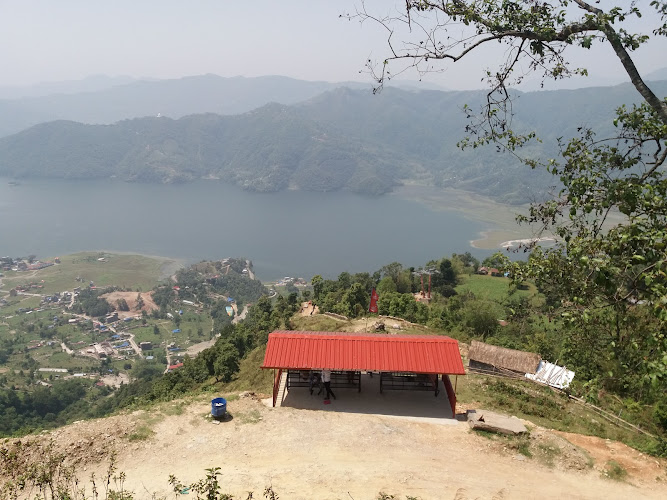
Haredanda View Point
About Haredanda View Point
Description
Haredanda View Point is one of those places that doesn’t shout for attention, and maybe that’s exactly why travelers end up loving it. Sitting above the Phewa Lake area, this viewpoint offers a calm, wide-open look at Pokhara’s landscape that feels honest and unpolished. No fancy railings everywhere, no aggressive souvenir stalls. Just space, air, and views that slowly sink in.
The view stretches over Phewa Lake, with its soft curves and changing colors, especially when clouds play hide-and-seek over the water. On clear days, the surrounding hills feel close enough to touch, and the city below hums quietly, like background music you didn’t realize you needed. And yes, sometimes the weather doesn’t cooperate. Some days the mountains hide behind clouds and you’re left with mist and mood instead of postcard perfection. But honestly, that’s part of the charm. Travel isn’t always glossy.
What stands out about Haredanda View Point is how relaxed it feels. Families come here, kids run around without constant shushing, couples sit quietly with their own thoughts, and solo travelers just stare for a while. It’s good for kids, too, which isn’t always the case with viewpoints perched on steep cliffs. Here, things feel manageable and safe, if you’re paying attention.
I remember visiting a viewpoint once expecting a big wow moment and instead finding peace. Haredanda gives off that same energy. You don’t rush. You don’t feel pressured to snap a hundred photos. You just stand there, maybe sit on a rock, and let the place do its thing. And sometimes that’s better than any dramatic attraction.
It’s also worth noting that this is not a manicured tourist zone. The paths can be uneven, and facilities are basic. But for many travelers, especially those who enjoy real places over polished ones, that’s a plus. Haredanda View Point feels like Pokhara being itself.
Key Features
- Clear viewpoints overlooking Phewa Lake and surrounding hills
- Peaceful atmosphere compared to busier tourist spots
- Suitable for families and children, with open space to move around
- Excellent spot for sunrise and late afternoon light
- Natural setting with minimal commercial development
- Opportunities for quiet reflection, photography, or just sitting still
- Accessible without advanced hiking skills
Best Time to Visit
Timing matters at Haredanda View Point, maybe more than people realize. The best months to visit are generally from late September to early December, and then again from March to May. During these periods, the skies are more likely to be clear, which means better visibility over Phewa Lake and the hills beyond. Clear mornings are especially rewarding.
Early mornings are a sweet spot. The air is cooler, the light is gentle, and the lake below often looks like a sheet of glass. Sunrise isn’t always dramatic here, but it’s subtle and slow, which feels fitting. Late afternoons are also popular, especially if you like warmer tones and longer shadows. And yes, sunset can be lovely, but expect more people then.
Monsoon season, from June to August, is a bit of a gamble. The greenery is intense and beautiful, but clouds can block views entirely. Some travelers love that moody, misty look. Others feel disappointed. It depends on your expectations. Winter months can be chilly, especially in the mornings, but visibility can be excellent on clear days.
If someone asked for my honest take, I’d say go when you’re not rushed. Don’t squeeze it between five other stops. Give the weather some flexibility. If clouds roll in, wait. Sometimes they lift. Sometimes they don’t. Either way, the experience still counts.
How to Get There
Getting to Haredanda View Point is fairly straightforward, especially if you’re staying around the Phewa Lake area. Most travelers start from Pokhara, which is already well-connected within Nepal. From there, it’s a mix of short drives and light walking, depending on how close you want to get by vehicle.
Taxis can take you part of the way, and local drivers generally know the spot even if you don’t mention it perfectly. Just say the name and gesture uphill, and you’ll likely be understood. For those who enjoy walking, the approach can be part of the fun. The paths wind through local areas, offering small glimpses of everyday life, kids playing, laundry hanging, that sort of thing.
Some visitors choose to combine the visit with other nearby viewpoints or short hikes. That’s a smart move if you have the energy. But don’t underestimate the sun. Bring water. Wear decent shoes. The terrain isn’t extreme, but it’s not polished pavement either.
Public transport options can get you close, though schedules and routes aren’t always clear to outsiders. Asking locals is often the fastest way to figure it out. People are generally helpful, even if communication involves more hand gestures than words.
Tips for Visiting
First tip, and it’s a big one: don’t rush. Haredanda View Point rewards patience. Plan to spend at least 30 to 60 minutes there. Sit. Walk around. Look at the same view from different angles. It changes.
Bring water and maybe a small snack, especially if you’re visiting with kids. There aren’t many facilities right at the viewpoint. Sunscreen and a hat help, too. The sun can be stronger than it feels, especially on clear days.
For photographers, a wide-angle lens works well, but even a phone camera does a decent job here. The light is forgiving. And if clouds roll in, don’t pack up immediately. Some of the best shots come when the weather can’t make up its mind.
Wear shoes you don’t mind getting a bit dusty. The paths can be uneven and sometimes muddy, depending on the season. And watch your step, especially if you’re traveling with children. It’s safe overall, but attention matters.
Respect the space. This isn’t a loud, party-type attraction. Keep noise down, take your trash with you, and be mindful of others who came for quiet. It’s amazing how much better a place feels when everyone treats it gently.
And one last thing, kind of a personal aside. Sometimes the view won’t match the photos you saw online. That happens. But if you let go of expectations and just be there, Haredanda View Point has a way of giving you something else instead. Calm, perspective, a pause. And honestly, that’s not a bad trade at all.
Key Features
- Clear viewpoints overlooking Phewa Lake and surrounding hills
- Peaceful atmosphere compared to busier tourist spots
- Suitable for families and children, with open space to move around
- Excellent spot for sunrise and late afternoon light
- Natural setting with minimal commercial development
- Opportunities for quiet reflection, photography, or just sitting still
- Accessible without advanced hiking skills
More Details
Updated December 30, 2025
Table of Contents
Description
Haredanda View Point is one of those places that doesn’t shout for attention, and maybe that’s exactly why travelers end up loving it. Sitting above the Phewa Lake area, this viewpoint offers a calm, wide-open look at Pokhara’s landscape that feels honest and unpolished. No fancy railings everywhere, no aggressive souvenir stalls. Just space, air, and views that slowly sink in.
The view stretches over Phewa Lake, with its soft curves and changing colors, especially when clouds play hide-and-seek over the water. On clear days, the surrounding hills feel close enough to touch, and the city below hums quietly, like background music you didn’t realize you needed. And yes, sometimes the weather doesn’t cooperate. Some days the mountains hide behind clouds and you’re left with mist and mood instead of postcard perfection. But honestly, that’s part of the charm. Travel isn’t always glossy.
What stands out about Haredanda View Point is how relaxed it feels. Families come here, kids run around without constant shushing, couples sit quietly with their own thoughts, and solo travelers just stare for a while. It’s good for kids, too, which isn’t always the case with viewpoints perched on steep cliffs. Here, things feel manageable and safe, if you’re paying attention.
I remember visiting a viewpoint once expecting a big wow moment and instead finding peace. Haredanda gives off that same energy. You don’t rush. You don’t feel pressured to snap a hundred photos. You just stand there, maybe sit on a rock, and let the place do its thing. And sometimes that’s better than any dramatic attraction.
It’s also worth noting that this is not a manicured tourist zone. The paths can be uneven, and facilities are basic. But for many travelers, especially those who enjoy real places over polished ones, that’s a plus. Haredanda View Point feels like Pokhara being itself.
Key Features
- Clear viewpoints overlooking Phewa Lake and surrounding hills
- Peaceful atmosphere compared to busier tourist spots
- Suitable for families and children, with open space to move around
- Excellent spot for sunrise and late afternoon light
- Natural setting with minimal commercial development
- Opportunities for quiet reflection, photography, or just sitting still
- Accessible without advanced hiking skills
Best Time to Visit
Timing matters at Haredanda View Point, maybe more than people realize. The best months to visit are generally from late September to early December, and then again from March to May. During these periods, the skies are more likely to be clear, which means better visibility over Phewa Lake and the hills beyond. Clear mornings are especially rewarding.
Early mornings are a sweet spot. The air is cooler, the light is gentle, and the lake below often looks like a sheet of glass. Sunrise isn’t always dramatic here, but it’s subtle and slow, which feels fitting. Late afternoons are also popular, especially if you like warmer tones and longer shadows. And yes, sunset can be lovely, but expect more people then.
Monsoon season, from June to August, is a bit of a gamble. The greenery is intense and beautiful, but clouds can block views entirely. Some travelers love that moody, misty look. Others feel disappointed. It depends on your expectations. Winter months can be chilly, especially in the mornings, but visibility can be excellent on clear days.
If someone asked for my honest take, I’d say go when you’re not rushed. Don’t squeeze it between five other stops. Give the weather some flexibility. If clouds roll in, wait. Sometimes they lift. Sometimes they don’t. Either way, the experience still counts.
How to Get There
Getting to Haredanda View Point is fairly straightforward, especially if you’re staying around the Phewa Lake area. Most travelers start from Pokhara, which is already well-connected within Nepal. From there, it’s a mix of short drives and light walking, depending on how close you want to get by vehicle.
Taxis can take you part of the way, and local drivers generally know the spot even if you don’t mention it perfectly. Just say the name and gesture uphill, and you’ll likely be understood. For those who enjoy walking, the approach can be part of the fun. The paths wind through local areas, offering small glimpses of everyday life, kids playing, laundry hanging, that sort of thing.
Some visitors choose to combine the visit with other nearby viewpoints or short hikes. That’s a smart move if you have the energy. But don’t underestimate the sun. Bring water. Wear decent shoes. The terrain isn’t extreme, but it’s not polished pavement either.
Public transport options can get you close, though schedules and routes aren’t always clear to outsiders. Asking locals is often the fastest way to figure it out. People are generally helpful, even if communication involves more hand gestures than words.
Tips for Visiting
First tip, and it’s a big one: don’t rush. Haredanda View Point rewards patience. Plan to spend at least 30 to 60 minutes there. Sit. Walk around. Look at the same view from different angles. It changes.
Bring water and maybe a small snack, especially if you’re visiting with kids. There aren’t many facilities right at the viewpoint. Sunscreen and a hat help, too. The sun can be stronger than it feels, especially on clear days.
For photographers, a wide-angle lens works well, but even a phone camera does a decent job here. The light is forgiving. And if clouds roll in, don’t pack up immediately. Some of the best shots come when the weather can’t make up its mind.
Wear shoes you don’t mind getting a bit dusty. The paths can be uneven and sometimes muddy, depending on the season. And watch your step, especially if you’re traveling with children. It’s safe overall, but attention matters.
Respect the space. This isn’t a loud, party-type attraction. Keep noise down, take your trash with you, and be mindful of others who came for quiet. It’s amazing how much better a place feels when everyone treats it gently.
And one last thing, kind of a personal aside. Sometimes the view won’t match the photos you saw online. That happens. But if you let go of expectations and just be there, Haredanda View Point has a way of giving you something else instead. Calm, perspective, a pause. And honestly, that’s not a bad trade at all.
Key Highlights
- Clear viewpoints overlooking Phewa Lake and surrounding hills
- Peaceful atmosphere compared to busier tourist spots
- Suitable for families and children, with open space to move around
- Excellent spot for sunrise and late afternoon light
- Natural setting with minimal commercial development
- Opportunities for quiet reflection, photography, or just sitting still
- Accessible without advanced hiking skills
Location
Places to Stay Near Haredanda View Point
Find and Book a Tour
Explore More Travel Guides
No reviews found! Be the first to review!
Traveler Reviews for Haredanda View Point
There are no reviews yet. Be the first one to write one.
Have you visited Haredanda View Point? Help other travelers by sharing your review.
You Might Also Like

Jangchub Choeling Monastery

Tal Barahi Mandir
Chhipleti Height, Sedi
Find Accommodations Nearby
Recommended Tours & Activities
Visitor Reviews
There are no reviews yet. Be the first one to write one.
Share Your Experience
Have you visited Haredanda View Point? Help other travelers by leaving a review.