Haines Mill Museum
About Haines Mill Museum
Description
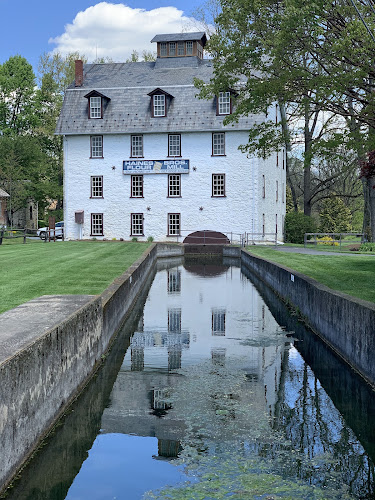
The Haines Mill Museum is one of those places that quietly captures your heart before you even realize it. Tucked along a peaceful stretch of Pennsylvania countryside, this historic grist mill tells a story that’s much bigger than its stone walls and wooden beams. It’s a story of community, craftsmanship, and the simple rhythm of water turning a wheel. Built in the 18th century and lovingly preserved, the mill still stands as a living reminder of how everyday life once revolved around the steady hum of grain being ground into flour. Walking inside feels like stepping into another century. The scent of old timber mingles with the faint mustiness of history, and you can almost hear the echoes of millers calling out to one another over the creak of the waterwheel. What I love most is that it doesn’t feel like a polished, modern museum—it feels real. The volunteers who run the tours have that kind of passion that makes you lean in closer, eager to hear every detail. They’ll show you the original grinding stones, the gears, and the ingenious water-powered mechanisms that somehow still work after all these years. It’s not just about machinery, though. The Haines Mill Museum gives you a glimpse into the daily lives of early Pennsylvanians—their work, their resilience, and their connection to the land. You start to imagine what it must’ve been like to bring your grain here, chatting with neighbors while waiting for your turn, maybe swapping stories or gossip about the harvest. There’s something grounding about it, something that connects the past to the present in a way that’s oddly comforting. And yes, it’s family-friendly. Kids can actually see how things work instead of just reading about them, which is a rare treat. The staff are patient and genuinely enjoy answering questions, even the endless “why” questions that kids love to ask. It’s the kind of place that reminds you that learning can still be hands-on, messy, and fun.
Key Features
- Authentic 18th-century grist mill with original water-powered machinery still in operation during demonstrations
- Guided tours led by knowledgeable local historians and volunteers
- Family-friendly environment with interactive learning opportunities for children
- Wheelchair-accessible parking and restrooms available on-site
- Peaceful natural surroundings ideal for photography or quiet reflection
- Seasonal educational programs and community events
- Free or low-cost admission, making it accessible for all travelers
- On-site parking for convenience
Best Time to Visit
If you ask me, the best time to visit the Haines Mill Museum is late spring through early fall. That’s when the mill is usually open for tours, and the surrounding landscape bursts with color. The trees along the creek are lush and green, and you can hear the steady trickle of water that once powered the mill. Summer weekends can get a bit busier, but it’s still nothing like the crowds you’d find at bigger tourist attractions. Autumn, though—that’s my favorite. The crisp air, the crunch of leaves underfoot, and the golden light hitting the old stone walls make the whole place look like a painting. There’s something about the smell of wood and grain mixing with the scent of fall that just feels right. Winter visits are quieter since the mill might not always be open, but if you’re nearby, the exterior alone is worth a stop. It’s one of those spots that changes with the seasons, and every time you go, you notice something new—a reflection in the water, a carving in the wood, a story you hadn’t heard before.
How to Get There
Getting to the Haines Mill Museum is pretty straightforward if you’re driving through the Allentown area. It’s just a short distance from the city center, tucked off a small road that winds through a mix of suburban neighborhoods and open green spaces. Honestly, it’s the kind of drive that makes you roll down your windows and take your time. Public transportation options are limited, so driving is the best bet. There’s on-site parking, which makes it easy for families or groups to visit without the hassle of finding a spot. If you’re using GPS, just make sure to double-check directions before you go—some mapping apps tend to reroute you onto smaller roads that can be a bit confusing. Once you’re there, though, you can’t miss the mill. The tall, weathered stone building and waterwheel stand proudly, a beautiful contrast against the surrounding greenery.
Tips for Visiting
Here’s the thing about visiting a place like the Haines Mill Museum—it’s not a quick stop. You’ll want to give yourself time to slow down and really take it in. Plan for at least an hour or two, especially if you’re joining a guided tour. The volunteers are full of stories, and you’ll definitely want to linger and chat. Wear comfortable shoes because you’ll be walking on uneven floors and outdoor paths. If you’re visiting in summer, bring water and maybe a hat—it can get warm inside the old building since it doesn’t have air conditioning. And don’t forget your camera. The play of light through the old windows makes for some stunning shots. If you’re traveling with kids, encourage them to ask questions during the tour. The guides love that kind of curiosity, and it keeps the experience lively. For accessibility, there’s wheelchair-accessible parking and restrooms, though some interior spaces might be a bit tight due to the building’s age. One more thing—check ahead for open hours or special events. Sometimes they host demonstrations where you can actually see the mill in action, and that’s worth planning around. Watching the gears turn and hearing the grind of the stones is oddly mesmerizing. And honestly, don’t rush off right after your visit. There’s a quiet walking area nearby where you can sit and listen to the creek. It’s the perfect spot to reflect on how much history can fit inside one old building. I remember sitting there once, watching the water flow, thinking about how many generations had done the same. There’s something humbling about that. So, if you’re the kind of traveler who appreciates authenticity, craftsmanship, and a good story, the Haines Mill Museum is worth your time. It’s not flashy or loud—it’s genuine. And in a world that moves too fast, that alone makes it special.
Key Features
- Authentic 18th-century grist mill with original water-powered machinery still in operation during demonstrations
- Guided tours led by knowledgeable local historians and volunteers
- Family-friendly environment with interactive learning opportunities for children
- Wheelchair-accessible parking and restrooms available on-site
- Peaceful natural surroundings ideal for photography or quiet reflection
- Seasonal educational programs and community events
- Free or low-cost admission, making it accessible for all travelers
- On-site parking for convenience
More Details
Updated November 6, 2025
Table of Contents
Description
The Haines Mill Museum is one of those places that quietly captures your heart before you even realize it. Tucked along a peaceful stretch of Pennsylvania countryside, this historic grist mill tells a story that’s much bigger than its stone walls and wooden beams. It’s a story of community, craftsmanship, and the simple rhythm of water turning a wheel. Built in the 18th century and lovingly preserved, the mill still stands as a living reminder of how everyday life once revolved around the steady hum of grain being ground into flour.
Walking inside feels like stepping into another century. The scent of old timber mingles with the faint mustiness of history, and you can almost hear the echoes of millers calling out to one another over the creak of the waterwheel. What I love most is that it doesn’t feel like a polished, modern museum—it feels real. The volunteers who run the tours have that kind of passion that makes you lean in closer, eager to hear every detail. They’ll show you the original grinding stones, the gears, and the ingenious water-powered mechanisms that somehow still work after all these years.
It’s not just about machinery, though. The Haines Mill Museum gives you a glimpse into the daily lives of early Pennsylvanians—their work, their resilience, and their connection to the land. You start to imagine what it must’ve been like to bring your grain here, chatting with neighbors while waiting for your turn, maybe swapping stories or gossip about the harvest. There’s something grounding about it, something that connects the past to the present in a way that’s oddly comforting.
And yes, it’s family-friendly. Kids can actually see how things work instead of just reading about them, which is a rare treat. The staff are patient and genuinely enjoy answering questions, even the endless “why” questions that kids love to ask. It’s the kind of place that reminds you that learning can still be hands-on, messy, and fun.
Key Features
- Authentic 18th-century grist mill with original water-powered machinery still in operation during demonstrations
- Guided tours led by knowledgeable local historians and volunteers
- Family-friendly environment with interactive learning opportunities for children
- Wheelchair-accessible parking and restrooms available on-site
- Peaceful natural surroundings ideal for photography or quiet reflection
- Seasonal educational programs and community events
- Free or low-cost admission, making it accessible for all travelers
- On-site parking for convenience
Best Time to Visit
If you ask me, the best time to visit the Haines Mill Museum is late spring through early fall. That’s when the mill is usually open for tours, and the surrounding landscape bursts with color. The trees along the creek are lush and green, and you can hear the steady trickle of water that once powered the mill. Summer weekends can get a bit busier, but it’s still nothing like the crowds you’d find at bigger tourist attractions.
Autumn, though—that’s my favorite. The crisp air, the crunch of leaves underfoot, and the golden light hitting the old stone walls make the whole place look like a painting. There’s something about the smell of wood and grain mixing with the scent of fall that just feels right. Winter visits are quieter since the mill might not always be open, but if you’re nearby, the exterior alone is worth a stop. It’s one of those spots that changes with the seasons, and every time you go, you notice something new—a reflection in the water, a carving in the wood, a story you hadn’t heard before.
How to Get There
Getting to the Haines Mill Museum is pretty straightforward if you’re driving through the Allentown area. It’s just a short distance from the city center, tucked off a small road that winds through a mix of suburban neighborhoods and open green spaces. Honestly, it’s the kind of drive that makes you roll down your windows and take your time.
Public transportation options are limited, so driving is the best bet. There’s on-site parking, which makes it easy for families or groups to visit without the hassle of finding a spot. If you’re using GPS, just make sure to double-check directions before you go—some mapping apps tend to reroute you onto smaller roads that can be a bit confusing. Once you’re there, though, you can’t miss the mill. The tall, weathered stone building and waterwheel stand proudly, a beautiful contrast against the surrounding greenery.
Tips for Visiting
Here’s the thing about visiting a place like the Haines Mill Museum—it’s not a quick stop. You’ll want to give yourself time to slow down and really take it in. Plan for at least an hour or two, especially if you’re joining a guided tour. The volunteers are full of stories, and you’ll definitely want to linger and chat.
Wear comfortable shoes because you’ll be walking on uneven floors and outdoor paths. If you’re visiting in summer, bring water and maybe a hat—it can get warm inside the old building since it doesn’t have air conditioning. And don’t forget your camera. The play of light through the old windows makes for some stunning shots.
If you’re traveling with kids, encourage them to ask questions during the tour. The guides love that kind of curiosity, and it keeps the experience lively. For accessibility, there’s wheelchair-accessible parking and restrooms, though some interior spaces might be a bit tight due to the building’s age.
One more thing—check ahead for open hours or special events. Sometimes they host demonstrations where you can actually see the mill in action, and that’s worth planning around. Watching the gears turn and hearing the grind of the stones is oddly mesmerizing.
And honestly, don’t rush off right after your visit. There’s a quiet walking area nearby where you can sit and listen to the creek. It’s the perfect spot to reflect on how much history can fit inside one old building. I remember sitting there once, watching the water flow, thinking about how many generations had done the same. There’s something humbling about that.
So, if you’re the kind of traveler who appreciates authenticity, craftsmanship, and a good story, the Haines Mill Museum is worth your time. It’s not flashy or loud—it’s genuine. And in a world that moves too fast, that alone makes it special.

Key Highlights
- Authentic 18th-century grist mill with original water-powered machinery still in operation during demonstrations
- Guided tours led by knowledgeable local historians and volunteers
- Family-friendly environment with interactive learning opportunities for children
- Wheelchair-accessible parking and restrooms available on-site
- Peaceful natural surroundings ideal for photography or quiet reflection
- Seasonal educational programs and community events
- Free or low-cost admission, making it accessible for all travelers
- On-site parking for convenience
Location
Places to Stay Near Haines Mill Museum
Find and Book a Tour
Explore More Travel Guides
No reviews found! Be the first to review!
Traveler Reviews for Haines Mill Museum
There are no reviews yet. Be the first one to write one.
Have you visited Haines Mill Museum? Help other travelers by sharing your review.
Find Accommodations Nearby
Recommended Tours & Activities
Visitor Reviews
There are no reviews yet. Be the first one to write one.
Share Your Experience
Have you visited Haines Mill Museum? Help other travelers by leaving a review.