
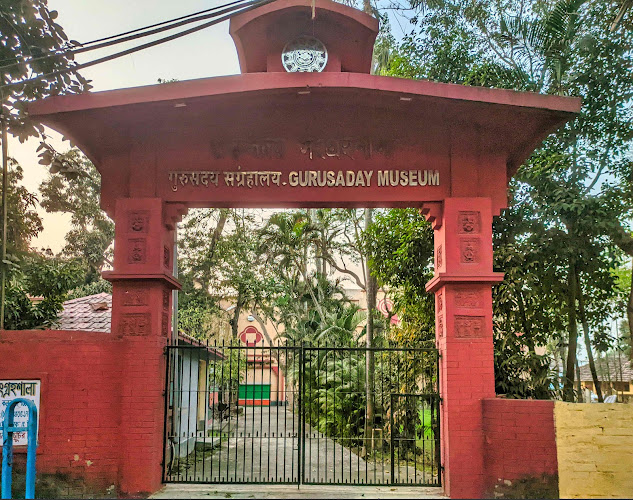
Gurusaday Museum
About Gurusaday Museum
Description
If you’ve got a keen interest in India’s rich cultural tapestry and the soulful expressions tucked away in folk traditions, the Gurusaday Museum offers a genuinely captivating experience. This museum isn’t your usual collection of paintings or relics—it’s a treasure trove that showcases the raw, heartfelt beauty of Bengali folk art, textiles, woodwork, and pottery, all lovingly gathered by Gurusaday Dutt, a civil servant with an eye for preserving his heritage back in the 1900s.
Walking through the museum, you’ll find yourself immersed in the stories of Bengal’s rural communities, told through their crafts and artifacts. It’s almost like stepping back in time, where you can almost hear the hum of village life and catch a glimpse of the traditions passed down through generations. The collection is thoughtfully curated, but don’t expect flashy installations or overly polished exhibits. The museum has a certain old-world charm, its character stitched together by genuine passion rather than commercial gloss.
One thing I love about the Gurusaday Museum is how it highlights the everyday arts that are often overlooked. You get a chance to see how artisans translated their environment, beliefs, and lifestyles into extraordinary creativity—whether it’s intricate wood carvings, vibrant textiles, or the humble yet evocative pottery styles unique to Bengal. It feels authentic. You don’t have that over-the-top museum vibe where everything is compartmentalized and sanitized for tourists. Instead, it’s approachable and, well, real.
Sure, it’s not perfect. At times, the lighting can be a bit dim, and you might find the space cramped during peak hours. Some displays seem like they could use a bit of updating or clearer explanations, especially if you’re a first-timer unfamiliar with Bengali folk traditions. But honestly, these minor quirks add to the overall character and remind you it’s a labor of love and cultural preservation, not just a commercial enterprise.
Visiting the Gurusaday Museum feels like joining a conversation between the past and the present, where you come away not just with photos, but with a deeper understanding of Bengal’s artistic soul. And if you’re a fan of folk art or handicrafts, it’s hard not to be moved by the sheer diversity on display here. Expect to leave with a new appreciation for the humble yet profound craft expressions that shape local identities.
Key Features
- Extensive collection of Bengali folk art dating back to the early 1900s
- Showcases traditional woodwork, including intricate carvings and everyday artifacts
- Vibrant textiles displaying regional weaving techniques and patterns unique to Bengal
- Variety of pottery reflecting rural artistry and functional designs from different districts
- Historical context provided through materials collected by Gurusaday Dutt, who was passionate about preserving Bengali culture
- A compact but rich exhibition space that encourages close-up viewing and personal reflection
- Opportunity to learn about the role of folk art in social and cultural rituals of Bengal
- Relatively quiet and less crowded compared to mainstream museums, offering an intimate cultural experience
Best Time to Visit
If you ask me, the ideal time to explore the Gurusaday Museum is during Kolkata’s cool months—from November to February. The weather’s crisp and comfortable; perfect for leisurely museum walks without the sticky humidity getting in the way. Trust me, navigating indoor spaces in Kolkata’s blistering summer heat isn’t exactly fun.
Also, try to avoid weekends if you like a quieter visit. The museum tends to attract local school groups and families on Saturdays and Sundays, which is great for the cultural buzz but a bit tricky if you want some contemplative quiet time. Weekday mornings are your safest bet for a peaceful experience where you can really soak in the exhibits without the distraction of crowds.
And, here’s a little insider tip: around the Bengali new year (Poila Boishakh, mid-April), the museum sometimes hosts special displays or events celebrating folk traditions. If your trip coincides with this period, you might get an even richer glimpse of Bengal’s living cultural heritage. Just be prepared for a livelier atmosphere and possibly a few extra visitors.
How to Get There
The Gurusaday Museum is tucked away in the Joka area of Kolkata, making it a bit off the typical tourist trail but not hard to reach if you plan ahead. From the city center, you can grab a taxi or use a rideshare app—this generally takes about 40 to 60 minutes depending on traffic, so give yourself some buffer time if you’re on a tight schedule.
If you’re feeling adventurous, public transport is definitely an option, but be ready for a bit of a local experience. You can take the metro to the nearest station, which isn’t exactly a stone’s throw but close enough, then hop on a bus or auto-rickshaw for the last leg. This can be a nice way to see everyday life outside the more tourist-heavy parts of the city, though it may stretch your patience.
Parking is quite limited, so if you’re driving, keep that in mind. Also, the museum is positioned near Diamond Harbour Road—a busy artery but accessible by most local transportation. If you decide to take a cab, sometimes it’s helpful to have the address written in Bengali script, just in case your driver isn’t super familiar with the place.
Tips for Visiting
Honestly, planning a visit here isn’t rocket science, but a few nuggets of advice might save you a headache or two:
- Allocate enough time. The museum isn’t huge, but there’s a lot to absorb if you’re genuinely interested in folk art. Give yourself at least 1.5 to 2 hours so you don’t feel rushed.
- Bring a camera (without flash). You’ll want to snap some photos for sure, but be mindful that flash photography is usually discouraged to preserve delicate textiles and artifacts.
- Ask questions. The staff here tend to be knowledgeable and friendly, even if a bit reserved. Don’t hesitate to ask for explanations or background on specific pieces—it’ll enrich your visit.
- Pack a notebook or use your phone to jot down names and terms. Bengali folk art has so many fascinating subtypes and local styles; keeping a little record can help you remember what caught your eye.
- Wear comfortable shoes. The museum’s floors are all original—so not super cushiony—and you’ll be on your feet a fair bit. Plus, exploring nearby neighborhoods before or after is a blast if you like wandering around urban/rural mixes.
- Mind the weather. Though indoors, the museum’s cooling isn’t the best, so stay hydrated, especially if you visit during warmer months.
- Respect the exhibits. Some of these items are delicate and priceless representations of cultural heritage. Try not to touch or lean too close to displays.
- Combine your visit with a local cultural exploration day. The Joka area and greater South Kolkata have their own charm and street food to try. It’s not just a museum stop but an entry point into the lesser-seen layers of Kolkata life.
At the end of the day, the Gurusaday Museum is a bit like a hidden storyteller, whispering the vivid, steady heartbeat of Bengali folk artistry. If you take your time, bring curiosity, and embrace a slower pace, you’ll walk away with more than just facts—you’ll carry a piece of Bengal’s cultural warmth with you. And isn’t that what travel’s really about?
Key Features
- Extensive collection of Bengali folk art dating back to the early 1900s
- Showcases traditional woodwork, including intricate carvings and everyday artifacts
- Vibrant textiles displaying regional weaving techniques and patterns unique to Bengal
- Variety of pottery reflecting rural artistry and functional designs from different districts
- Historical context provided through materials collected by Gurusaday Dutt, who was passionate about preserving Bengali culture
- A compact but rich exhibition space that encourages close-up viewing and personal reflection
- Opportunity to learn about the role of folk art in social and cultural rituals of Bengal
- Relatively quiet and less crowded compared to mainstream museums, offering an intimate cultural experience
Tours & Activities
GetYourGuide provides this tour inventory. We may earn a commission if you book through it; verify current availability, prices, and terms with the provider.
Visitor Reviews
There are no reviews yet. Be the first one to write one.
Share Your Experience
Have you visited Gurusaday Museum? Help other travelers by leaving a review.