About Great Lakes Museum

Description

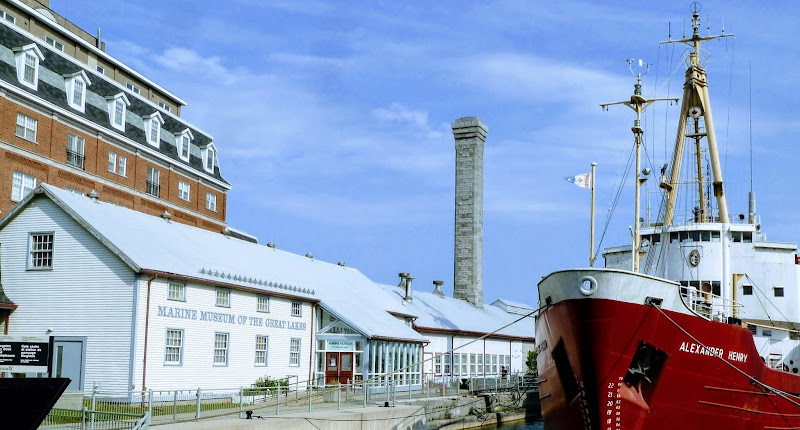
The Great Lakes Museum tells the story of Canada’s deep connection with the waters that shaped its history. It’s not one of those massive, overwhelming museums where you lose track of time and end up exhausted by the end of the day. Instead, it’s a modest, down-to-earth place that feels personal—almost like stepping into someone’s carefully kept scrapbook of maritime memories. You can sense the passion behind every exhibit, from the weathered ship models to the old navigation tools that once guided sailors through unpredictable waters. There’s a quiet charm here, the kind that sneaks up on you while you’re reading a plaque about a long-forgotten ship or listening to the creak of the wooden floors under your feet. What really stands out is how the museum manages to make history feel alive. It’s not all dusty relics and faded photos; it’s stories. Stories of shipbuilders, sailors, and the communities that grew along the Great Lakes. I remember standing in front of a display about the early steamships and thinking how incredible it must’ve been to see one of those massive vessels glide across the water for the first time. It’s the kind of place that makes you appreciate the courage—and maybe the stubbornness—of the people who worked and lived by these waters. And yes, it’s small, but that’s part of its charm. You can take your time, wander at your own pace, and actually absorb what you’re seeing. There’s something grounding about that. You might even find yourself chatting with one of the staff members, who always seem genuinely excited to share bits of trivia or local legends. It’s that kind of warmth that makes you feel like you’re part of the story, not just a visitor passing through.

Key Features

  • Authentic maritime exhibits showcasing local shipbuilding and navigation history
  • Interactive displays that bring Great Lakes stories to life for both adults and children
  • Wheelchair-accessible entrances, restrooms, and parking for inclusive access
  • Family-friendly environment with educational content suitable for all ages
  • On-site restrooms and convenient parking options, including paid street parking nearby
  • Knowledgeable staff and volunteers who share fascinating local insights
  • Rotating exhibits that highlight different aspects of Great Lakes maritime culture
  • Special events and seasonal activities that connect visitors with the region’s heritage

Best Time to Visit

If you ask me, the best time to visit the Great Lakes Museum is during late spring through early autumn. The weather’s pleasant, the harbor’s alive with boats, and there’s something magical about the sunlight bouncing off the water outside. You can easily pair your visit with a walk along the nearby waterfront or grab an ice cream from a local shop afterward. Summer tends to be busier, of course, but that’s when the museum feels most energetic. Families, travelers, and history buffs all seem to gather here, sharing that same curiosity about the region’s past. If you prefer a quieter experience, though, early fall is perfect. The crowds thin out, the air turns crisp, and you can take your time exploring without feeling rushed. Winter visits have their own charm, too. There’s something cozy about stepping inside from the cold to explore stories of sailors who braved icy waters long before modern navigation existed. Just make sure to check seasonal hours before you go—some exhibits or areas might have limited access during colder months.

How to Get There

Getting to the Great Lakes Museum is straightforward, especially if you’re already exploring Kingston or the surrounding area. If you’re driving, there’s on-site parking available, and if that’s full, you’ll find paid street parking nearby. I’ve parked there a few times myself, and it’s usually easy enough to find a spot, though weekends can get a bit busy. For those relying on public transportation, local buses stop within walking distance of the museum. It’s also a pleasant stroll from the downtown area—about 10 to 15 minutes depending on your pace. Honestly, walking is my favorite option because you get to soak up the harbor views along the way. Cyclists will appreciate the nearby bike paths, and there are racks available to lock up your bike once you arrive. Accessibility is well thought out here, too, with wheelchair-friendly entrances and restrooms, so everyone can enjoy the experience comfortably.

Tips for Visiting

Here’s what I’ve learned after a couple of visits—some little things that can make your trip smoother and more enjoyable. First, try to get your tickets in advance if possible. It’s not always necessary, but during peak travel seasons or special events, it can save you a bit of waiting around. The museum isn’t massive, but it’s popular enough that lines can form, especially on weekends or holidays. Wear comfortable shoes. You’ll be on your feet more than you expect, especially if you plan to explore the surrounding waterfront afterward. And bring a light jacket—even in summer, the breeze off the lake can surprise you. If you’re traveling with kids, you’re in luck. The museum is genuinely good for families. There are interactive sections that keep children engaged, and the staff are patient and kind with curious little ones (and their endless questions). Photography is usually allowed, but be respectful of others and the exhibits. Some of the artifacts are delicate and deserve a bit of space. And if you’re into history or maritime culture, take your time reading the display notes—they’re written with care and often include quirky details you won’t find in textbooks. Oh, and here’s a personal tip: plan your visit around lunchtime. There isn’t a restaurant on-site, but there are plenty of great local spots nearby. I once grabbed a sandwich from a café down the street and ate it by the harbor after my visit—it was one of those simple, perfect travel moments that stick with you. Lastly, don’t rush. The Great Lakes Museum rewards curiosity. The more you linger, the more you’ll notice—the craftsmanship of a ship model, the faded handwriting on an old map, the quiet pride in the faces of people who built their lives around the water. It’s a reminder that history isn’t just about grand events; it’s about the everyday people who made them possible. So take your time, breathe in that faint scent of wood and salt, and let the stories of the Great Lakes pull you in. You might walk out with a deeper appreciation for Canada’s maritime heritage—and maybe even a touch of wanderlust for the waters that shaped it.

Key Features

  • Authentic maritime exhibits showcasing local shipbuilding and navigation history
  • Interactive displays that bring Great Lakes stories to life for both adults and children
  • Wheelchair-accessible entrances, restrooms, and parking for inclusive access
  • Family-friendly environment with educational content suitable for all ages
  • On-site restrooms and convenient parking options, including paid street parking nearby
  • Knowledgeable staff and volunteers who share fascinating local insights
  • Rotating exhibits that highlight different aspects of Great Lakes maritime culture
  • Special events and seasonal activities that connect visitors with the region’s heritage

More Details

Updated October 8, 2025


Description

The Great Lakes Museum tells the story of Canada’s deep connection with the waters that shaped its history. It’s not one of those massive, overwhelming museums where you lose track of time and end up exhausted by the end of the day. Instead, it’s a modest, down-to-earth place that feels personal—almost like stepping into someone’s carefully kept scrapbook of maritime memories. You can sense the passion behind every exhibit, from the weathered ship models to the old navigation tools that once guided sailors through unpredictable waters. There’s a quiet charm here, the kind that sneaks up on you while you’re reading a plaque about a long-forgotten ship or listening to the creak of the wooden floors under your feet.

What really stands out is how the museum manages to make history feel alive. It’s not all dusty relics and faded photos; it’s stories. Stories of shipbuilders, sailors, and the communities that grew along the Great Lakes. I remember standing in front of a display about the early steamships and thinking how incredible it must’ve been to see one of those massive vessels glide across the water for the first time. It’s the kind of place that makes you appreciate the courage—and maybe the stubbornness—of the people who worked and lived by these waters.

And yes, it’s small, but that’s part of its charm. You can take your time, wander at your own pace, and actually absorb what you’re seeing. There’s something grounding about that. You might even find yourself chatting with one of the staff members, who always seem genuinely excited to share bits of trivia or local legends. It’s that kind of warmth that makes you feel like you’re part of the story, not just a visitor passing through.

Key Features

  • Authentic maritime exhibits showcasing local shipbuilding and navigation history
  • Interactive displays that bring Great Lakes stories to life for both adults and children
  • Wheelchair-accessible entrances, restrooms, and parking for inclusive access
  • Family-friendly environment with educational content suitable for all ages
  • On-site restrooms and convenient parking options, including paid street parking nearby
  • Knowledgeable staff and volunteers who share fascinating local insights
  • Rotating exhibits that highlight different aspects of Great Lakes maritime culture
  • Special events and seasonal activities that connect visitors with the region’s heritage

Best Time to Visit

If you ask me, the best time to visit the Great Lakes Museum is during late spring through early autumn. The weather’s pleasant, the harbor’s alive with boats, and there’s something magical about the sunlight bouncing off the water outside. You can easily pair your visit with a walk along the nearby waterfront or grab an ice cream from a local shop afterward.

Summer tends to be busier, of course, but that’s when the museum feels most energetic. Families, travelers, and history buffs all seem to gather here, sharing that same curiosity about the region’s past. If you prefer a quieter experience, though, early fall is perfect. The crowds thin out, the air turns crisp, and you can take your time exploring without feeling rushed.

Winter visits have their own charm, too. There’s something cozy about stepping inside from the cold to explore stories of sailors who braved icy waters long before modern navigation existed. Just make sure to check seasonal hours before you go—some exhibits or areas might have limited access during colder months.

How to Get There

Getting to the Great Lakes Museum is straightforward, especially if you’re already exploring Kingston or the surrounding area. If you’re driving, there’s on-site parking available, and if that’s full, you’ll find paid street parking nearby. I’ve parked there a few times myself, and it’s usually easy enough to find a spot, though weekends can get a bit busy.

For those relying on public transportation, local buses stop within walking distance of the museum. It’s also a pleasant stroll from the downtown area—about 10 to 15 minutes depending on your pace. Honestly, walking is my favorite option because you get to soak up the harbor views along the way.

Cyclists will appreciate the nearby bike paths, and there are racks available to lock up your bike once you arrive. Accessibility is well thought out here, too, with wheelchair-friendly entrances and restrooms, so everyone can enjoy the experience comfortably.

Tips for Visiting

Here’s what I’ve learned after a couple of visits—some little things that can make your trip smoother and more enjoyable.

First, try to get your tickets in advance if possible. It’s not always necessary, but during peak travel seasons or special events, it can save you a bit of waiting around. The museum isn’t massive, but it’s popular enough that lines can form, especially on weekends or holidays.

Wear comfortable shoes. You’ll be on your feet more than you expect, especially if you plan to explore the surrounding waterfront afterward. And bring a light jacket—even in summer, the breeze off the lake can surprise you.

If you’re traveling with kids, you’re in luck. The museum is genuinely good for families. There are interactive sections that keep children engaged, and the staff are patient and kind with curious little ones (and their endless questions).

Photography is usually allowed, but be respectful of others and the exhibits. Some of the artifacts are delicate and deserve a bit of space. And if you’re into history or maritime culture, take your time reading the display notes—they’re written with care and often include quirky details you won’t find in textbooks.

Oh, and here’s a personal tip: plan your visit around lunchtime. There isn’t a restaurant on-site, but there are plenty of great local spots nearby. I once grabbed a sandwich from a café down the street and ate it by the harbor after my visit—it was one of those simple, perfect travel moments that stick with you.

Lastly, don’t rush. The Great Lakes Museum rewards curiosity. The more you linger, the more you’ll notice—the craftsmanship of a ship model, the faded handwriting on an old map, the quiet pride in the faces of people who built their lives around the water. It’s a reminder that history isn’t just about grand events; it’s about the everyday people who made them possible.

So take your time, breathe in that faint scent of wood and salt, and let the stories of the Great Lakes pull you in. You might walk out with a deeper appreciation for Canada’s maritime heritage—and maybe even a touch of wanderlust for the waters that shaped it.

Key Highlights

  • Authentic maritime exhibits showcasing local shipbuilding and navigation history
  • Interactive displays that bring Great Lakes stories to life for both adults and children
  • Wheelchair-accessible entrances, restrooms, and parking for inclusive access
  • Family-friendly environment with educational content suitable for all ages
  • On-site restrooms and convenient parking options, including paid street parking nearby
  • Knowledgeable staff and volunteers who share fascinating local insights
  • Rotating exhibits that highlight different aspects of Great Lakes maritime culture
  • Special events and seasonal activities that connect visitors with the region’s heritage

Location

Places to Stay Near Great Lakes Museum

Find and Book a Tour

Explore More Travel Guides

No reviews found! Be the first to review!

Traveler Reviews for Great Lakes Museum

There are no reviews yet. Be the first one to write one.

Share Your Experience

Have you visited Great Lakes Museum? Help other travelers by sharing your review.

Find Accommodations Nearby

Recommended Tours & Activities

Visitor Reviews

There are no reviews yet. Be the first one to write one.

Share Your Experience

Have you visited Great Lakes Museum? Help other travelers by leaving a review.