
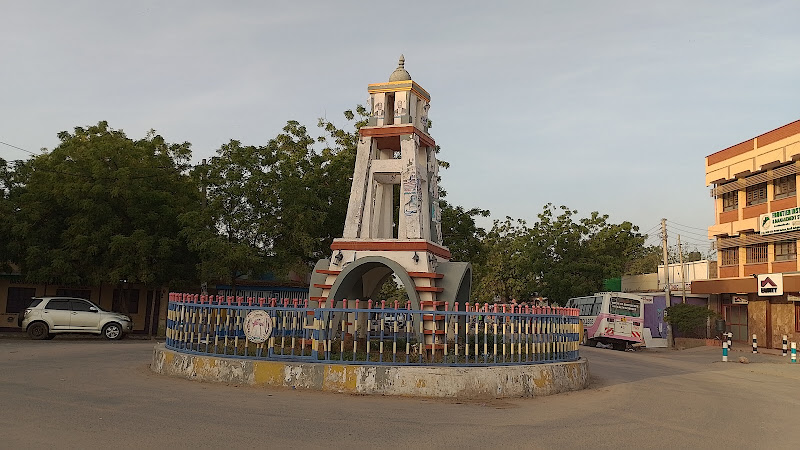
Garissa
About Garissa
Description
Garissa, the capital town of Garissa County in Kenya, is one of those places you hear about in passing, but hardly ever see topping must-visit lists. That’s a shame, if you ask me. It’s a slice of North Eastern Kenya that hums with an energy all its own. If you’re looking for skyscrapers or glam, look elsewhere—Garissa is where you’ll find dust swirling up from the sun-bleached streets, rich Somali heritage, unique wildlife, and a sense of place that feels both gritty and strangely inviting.
The town (sometimes called a city, depends on who you ask—labels here are flexible) perches on the banks of the Tana River. That river, by the way, is the longest in Kenya and kind of the lifeblood around these parts. I remember when I first saw it—the way the waters snake through dry, acacia-dotted plains, heavy with silt, absolutely not the blue ribbon you might expect, but somehow more interesting for it.
You won’t find tourist crowds swarming the streets here, no chain coffee shops or the usual trappings of “mainstream Kenya,” either. Instead, you get a raw look into Somali-Kenyan culture, from the chaotic market scenes (where haggling is not just a hobby but a necessity!) to the aromatic, cumin-laced dishes wafting from unassuming street kiosks. And, the camel is king here—I’m not kidding. You’ll see them plodding along highways and munching on thorny bushes.
Garissa is a crossroads place: it sits close to frontier territories, with a history shaped by nomads, traders, and more than a little hardship. That’s made the local folk resilient, genuinely friendly, and proud—though not above sharing a laugh at your “Nairobi speed” if you try rushing things here. Security concerns in the region get a lot of attention, mostly in news headlines, but talk to folks who’ve spent time here and you’ll hear stories about everyday generosity, delicious breakfast chapati, and the most colossal herds of goats and camels you’ll see anywhere on earth.
If you ask me what stands out most? It’s the light—the way the sun sets dusty orange behind distant doum palms, or how dawn creeps up, bathing the horizon in pink and gold. It’s not a place without challenges, but for a traveler who’s a bit curious and wants to experience real Kenyan frontier life, Garissa is, frankly, a gold mine.
Key Features
- Rich Somali Culture: The majority-Somali population gives Garissa its distinct language, food, and warm hospitality. Don’t miss the all-day “shaah” (sweet spiced tea) sessions and mandi rice feasts.
- Unique Market Experience: The Garissa livestock market is legendary—maybe not for the squeamish, but it’s one of the biggest camel and goat markets in East Africa. Any animal lover (or even just a curious observer) will find it utterly fascinating.
- Tana River Views: Enjoy the riverside walks or birdwatching close to the banks—hippos, crocodiles, and a surprising number of bird species if you’re patient. You might even spot local fishermen at work, knee-deep and grinning at the pelicans nearby.
- Dadaab Refugee Complex: It’s arguably not a “tourist” destination, but aware travelers often aim to learn about Africa’s largest refugee camp. Many NGOs operate here, offering insightful (and sobering) glimpses into global humanitarian efforts.
- Cultural Festivals: Catch the Garissa Agricultural Society Show or smaller Eid festivals for parades, music, and local food stalls exploding with flavor.
- Cuisine: Garissa offers dishes you’ll struggle to find anywhere else—think camel meat, fluffy anjero pancakes, and sweet sambusas. The restaurants here may not look posh, but the food is next-level good.
- Proximity to Wilderness: While the Garissa itself is urban-ish, it’s a stone’s throw from areas teeming with wildlife, especially for birding enthusiasts and those hoping to spot wild antelope or even elephants in remote conservancies.
Best Time to Visit
I get asked this a lot—when’s the best season to land in Garissa without melting into a puddle? Honestly, the trick is dodging the searing Northeastern sun. The coolest months are usually July and August, when daytime temps (relatively speaking) play nice and hover between 28°C to 32°C. Mornings and evenings are particularly pleasant, almost enough to make you forget how unforgiving the dry season can be around March and April.
Avoid the peak of the wet season (April and early May) unless you have a thing for staining your boots and getting stuck in mud—the roads, especially those leading deeper into the county, are notorious for transforming into rivers of sludge. But then again, the countryside gets a temporary cloak of green, and that rush of life is something else.
If you coordinate your visit around local cultural festivals, like Eid or the Agricultural Show, the town lights up in its own unique way—more energy, more color, and more smiles (plus, let’s be honest, better street food). But don’t stress: even outside the festivals, Garissa has a steady heartbeat that’s worth experiencing.
How to Get There
Alright, so here’s where that spirit of adventure kicks in. Garissa is not pancake-flat on the tourist map for nothing—getting there has always felt a bit like a rite of passage. The easiest method is by road from Nairobi—it’s about 370 kilometers (230 miles) northeast, a journey of five to seven hours depending on road conditions, traffic, and just how generously your driver interprets the speed limits.
There are daily matatus (minibuses) from Nairobi’s Eastleigh district, plus a handful of long-distance buses—both budget and a little “plusher,” though don’t expect luxury; this isn’t the SGR! Bring snacks and water, and maybe a sturdy podcast or audiobook, because the changing landscape outside the window—acacia scrub, termite mounds as tall as a standing man, herds of goats—keeps you entertained, but the trip can feel eternal.
Garissa Airstrip serves a few short-hop flights, mostly chartered or humanitarian. If you can wangle a seat, it’s an experience in itself, sweeping over the arid lands and seeing just how vast and open Kenya can be.
Self-drive? Go for it—but I’ll be honest, I tried it once in an old Suzuki and ended up with a puncture halfway. The roads can be rough, especially closer to town—so if you do self-drive, make sure you have a spare (and probably a playlist that lasts longer than six hours…).
Tips for Visiting
- Embrace Slow Travel: Things move differently in Garissa. Shops open late, deals are struck over small talk, and the heat slows everyone down. If you’re in a rush—or expect instant WiFi everywhere—adjust your expectations. And if you don’t, the locals will do it for you!
- Dress Modestly: Garissa’s culture is conservative—shoulders and knees covered goes a long way. For women, a scarf or loose long shirt is smart. For men? Don’t tear out that tank-top just yet.
- Stay Hydrated: The air’s dry, the sun fierce. Always have bottled water, and don’t underestimate how quickly you can dehydrate.
- Bargain at Markets: Haggling isn’t just welcomed—it’s expected. Learn a few Somali or Swahili phrases (“Habari yako?” for hello, “Bei gani?” for price) and you’ll break the ice fast.
- Security Awareness: This can’t be sugar-coated—stay updated on travel advice, avoid late-night walks, and always check in with local contacts or your guesthouse about safer areas, especially if it’s your first trip. Most people you’ll meet are welcoming, but it pays to be sensible.
- Don’t Miss: Try the camel milk tea at least once, swing by the riverside at dawn, and, if you can, spend a morning at the livestock market—just don’t wear your best shoes.
- Pack Wisely: Sunscreen, wide-brimmed hats, binoculars for birdwatching, and—oddly specific, I know—a nose for adventure. Oh, and cash; card machines are few and far between.
- Connect with Locals: Whether it’s sharing a meal, asking for directions, or chatting with your guesthouse host, the fastest way to understand Garissa is through its people. Some of my
Key Features
- Key Features
- Best Time to Visit
- How to Get There
- Tips for Visiting
More Details
Updated July 2, 2025
Table of Contents
Description
Garissa, the capital town of Garissa County in Kenya, is one of those places you hear about in passing, but hardly ever see topping must-visit lists. That’s a shame, if you ask me. It’s a slice of North Eastern Kenya that hums with an energy all its own. If you’re looking for skyscrapers or glam, look elsewhere—Garissa is where you’ll find dust swirling up from the sun-bleached streets, rich Somali heritage, unique wildlife, and a sense of place that feels both gritty and strangely inviting.
The town (sometimes called a city, depends on who you ask—labels here are flexible) perches on the banks of the Tana River. That river, by the way, is the longest in Kenya and kind of the lifeblood around these parts. I remember when I first saw it—the way the waters snake through dry, acacia-dotted plains, heavy with silt, absolutely not the blue ribbon you might expect, but somehow more interesting for it.
You won’t find tourist crowds swarming the streets here, no chain coffee shops or the usual trappings of “mainstream Kenya,” either. Instead, you get a raw look into Somali-Kenyan culture, from the chaotic market scenes (where haggling is not just a hobby but a necessity!) to the aromatic, cumin-laced dishes wafting from unassuming street kiosks. And, the camel is king here—I’m not kidding. You’ll see them plodding along highways and munching on thorny bushes.
Garissa is a crossroads place: it sits close to frontier territories, with a history shaped by nomads, traders, and more than a little hardship. That’s made the local folk resilient, genuinely friendly, and proud—though not above sharing a laugh at your “Nairobi speed” if you try rushing things here. Security concerns in the region get a lot of attention, mostly in news headlines, but talk to folks who’ve spent time here and you’ll hear stories about everyday generosity, delicious breakfast chapati, and the most colossal herds of goats and camels you’ll see anywhere on earth.
If you ask me what stands out most? It’s the light—the way the sun sets dusty orange behind distant doum palms, or how dawn creeps up, bathing the horizon in pink and gold. It’s not a place without challenges, but for a traveler who’s a bit curious and wants to experience real Kenyan frontier life, Garissa is, frankly, a gold mine.
Key Features
- Rich Somali Culture: The majority-Somali population gives Garissa its distinct language, food, and warm hospitality. Don’t miss the all-day “shaah” (sweet spiced tea) sessions and mandi rice feasts.
- Unique Market Experience: The Garissa livestock market is legendary—maybe not for the squeamish, but it’s one of the biggest camel and goat markets in East Africa. Any animal lover (or even just a curious observer) will find it utterly fascinating.
- Tana River Views: Enjoy the riverside walks or birdwatching close to the banks—hippos, crocodiles, and a surprising number of bird species if you’re patient. You might even spot local fishermen at work, knee-deep and grinning at the pelicans nearby.
- Dadaab Refugee Complex: It’s arguably not a “tourist” destination, but aware travelers often aim to learn about Africa’s largest refugee camp. Many NGOs operate here, offering insightful (and sobering) glimpses into global humanitarian efforts.
- Cultural Festivals: Catch the Garissa Agricultural Society Show or smaller Eid festivals for parades, music, and local food stalls exploding with flavor.
- Cuisine: Garissa offers dishes you’ll struggle to find anywhere else—think camel meat, fluffy anjero pancakes, and sweet sambusas. The restaurants here may not look posh, but the food is next-level good.
- Proximity to Wilderness: While the Garissa itself is urban-ish, it’s a stone’s throw from areas teeming with wildlife, especially for birding enthusiasts and those hoping to spot wild antelope or even elephants in remote conservancies.
Best Time to Visit
I get asked this a lot—when’s the best season to land in Garissa without melting into a puddle? Honestly, the trick is dodging the searing Northeastern sun. The coolest months are usually July and August, when daytime temps (relatively speaking) play nice and hover between 28°C to 32°C. Mornings and evenings are particularly pleasant, almost enough to make you forget how unforgiving the dry season can be around March and April.
Avoid the peak of the wet season (April and early May) unless you have a thing for staining your boots and getting stuck in mud—the roads, especially those leading deeper into the county, are notorious for transforming into rivers of sludge. But then again, the countryside gets a temporary cloak of green, and that rush of life is something else.
If you coordinate your visit around local cultural festivals, like Eid or the Agricultural Show, the town lights up in its own unique way—more energy, more color, and more smiles (plus, let’s be honest, better street food). But don’t stress: even outside the festivals, Garissa has a steady heartbeat that’s worth experiencing.
How to Get There
Alright, so here’s where that spirit of adventure kicks in. Garissa is not pancake-flat on the tourist map for nothing—getting there has always felt a bit like a rite of passage. The easiest method is by road from Nairobi—it’s about 370 kilometers (230 miles) northeast, a journey of five to seven hours depending on road conditions, traffic, and just how generously your driver interprets the speed limits.
There are daily matatus (minibuses) from Nairobi’s Eastleigh district, plus a handful of long-distance buses—both budget and a little “plusher,” though don’t expect luxury; this isn’t the SGR! Bring snacks and water, and maybe a sturdy podcast or audiobook, because the changing landscape outside the window—acacia scrub, termite mounds as tall as a standing man, herds of goats—keeps you entertained, but the trip can feel eternal.
Garissa Airstrip serves a few short-hop flights, mostly chartered or humanitarian. If you can wangle a seat, it’s an experience in itself, sweeping over the arid lands and seeing just how vast and open Kenya can be.
Self-drive? Go for it—but I’ll be honest, I tried it once in an old Suzuki and ended up with a puncture halfway. The roads can be rough, especially closer to town—so if you do self-drive, make sure you have a spare (and probably a playlist that lasts longer than six hours…).
Tips for Visiting
- Embrace Slow Travel: Things move differently in Garissa. Shops open late, deals are struck over small talk, and the heat slows everyone down. If you’re in a rush—or expect instant WiFi everywhere—adjust your expectations. And if you don’t, the locals will do it for you!
- Dress Modestly: Garissa’s culture is conservative—shoulders and knees covered goes a long way. For women, a scarf or loose long shirt is smart. For men? Don’t tear out that tank-top just yet.
- Stay Hydrated: The air’s dry, the sun fierce. Always have bottled water, and don’t underestimate how quickly you can dehydrate.
- Bargain at Markets: Haggling isn’t just welcomed—it’s expected. Learn a few Somali or Swahili phrases (“Habari yako?” for hello, “Bei gani?” for price) and you’ll break the ice fast.
- Security Awareness: This can’t be sugar-coated—stay updated on travel advice, avoid late-night walks, and always check in with local contacts or your guesthouse about safer areas, especially if it’s your first trip. Most people you’ll meet are welcoming, but it pays to be sensible.
- Don’t Miss: Try the camel milk tea at least once, swing by the riverside at dawn, and, if you can, spend a morning at the livestock market—just don’t wear your best shoes.
- Pack Wisely: Sunscreen, wide-brimmed hats, binoculars for birdwatching, and—oddly specific, I know—a nose for adventure. Oh, and cash; card machines are few and far between.
-
Connect with Locals: Whether it’s sharing a meal, asking for directions, or chatting with your guesthouse host, the fastest way to understand Garissa is through its people. Some of my
Key Highlights
- Key Features
- Best Time to Visit
- How to Get There
- Tips for Visiting
Location
Places to Stay Near Garissa
Find and Book a Tour
Explore More Travel Guides
No reviews found! Be the first to review!
Traveler Reviews for Garissa
There are no reviews yet. Be the first one to write one.
Have you visited Garissa? Help other travelers by sharing your review.
You Might Also Like
Mursal’s

Garissa Town

Masjid Azhar garissa main prison
Find Accommodations Nearby
Recommended Tours & Activities
Visitor Reviews
There are no reviews yet. Be the first one to write one.
Share Your Experience
Have you visited Garissa? Help other travelers by leaving a review.